What the Weather Here Does to It
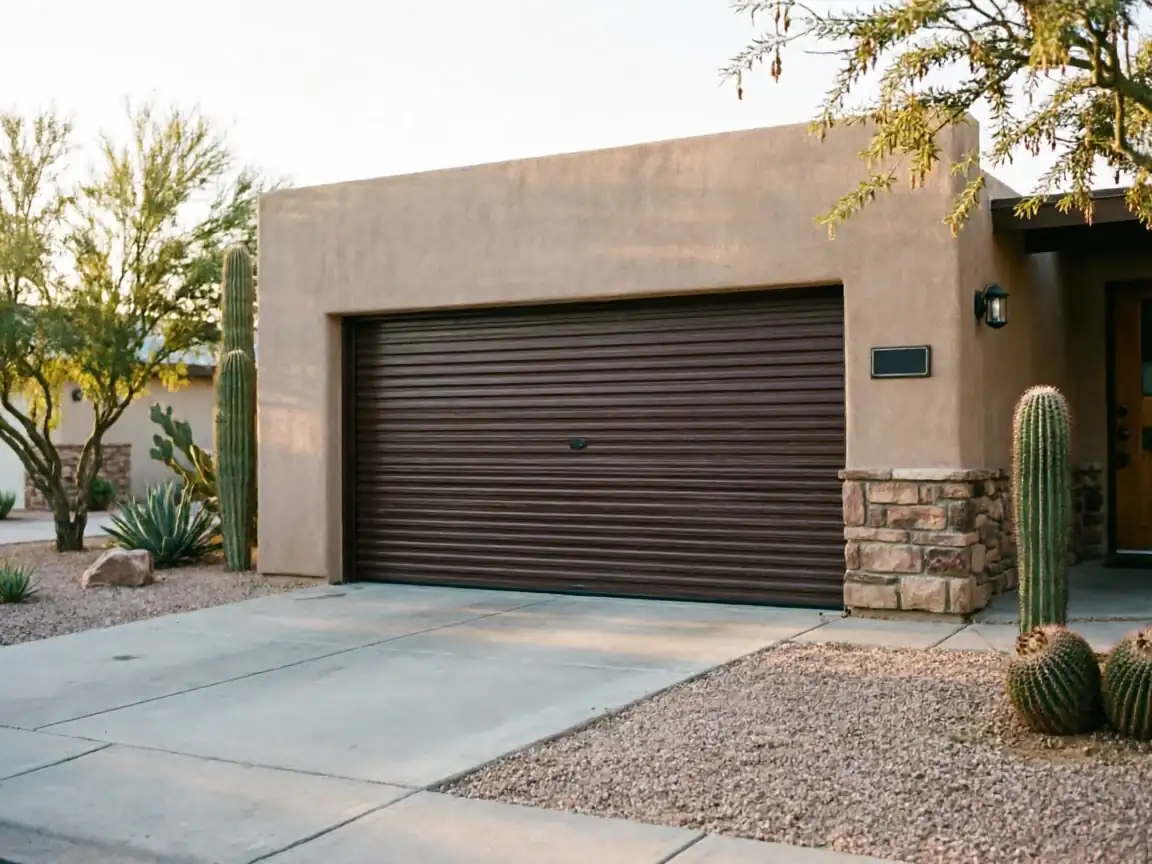
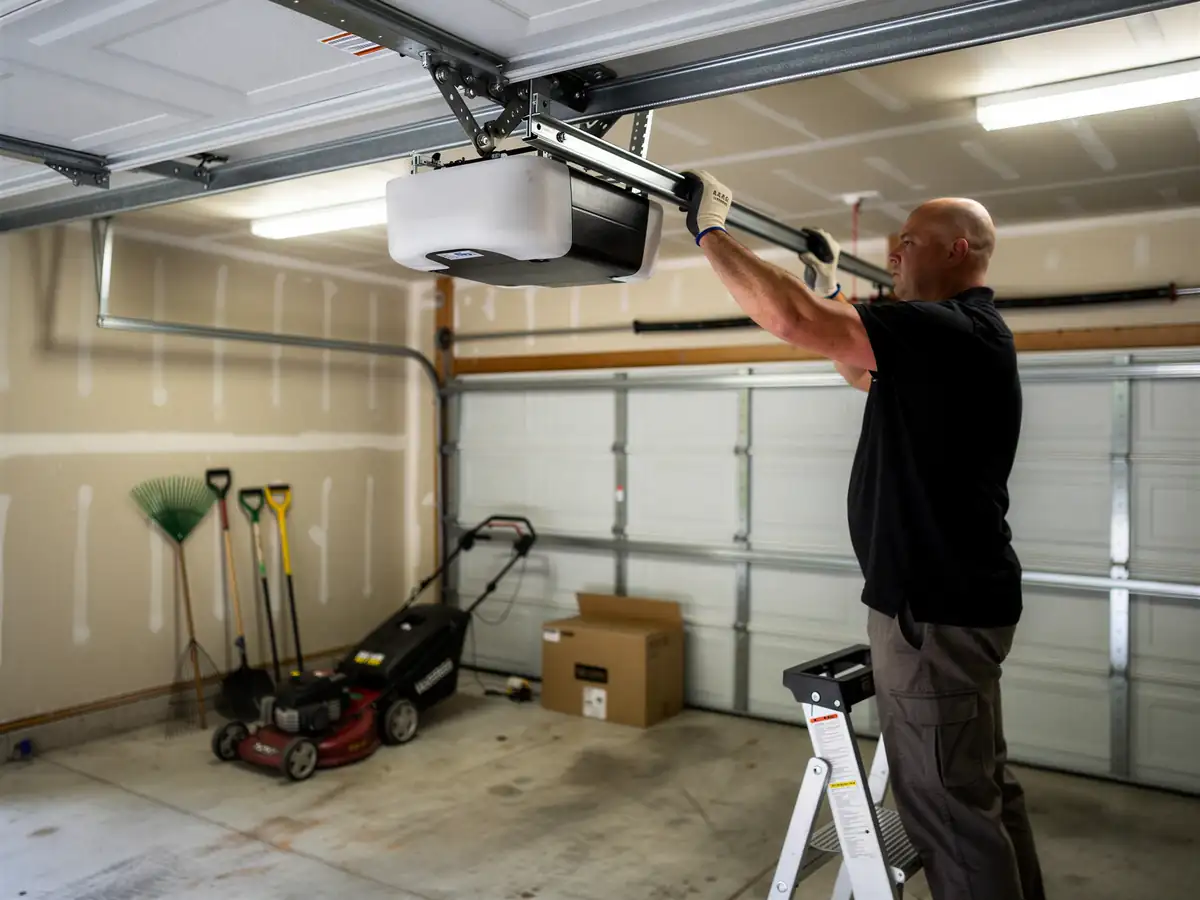
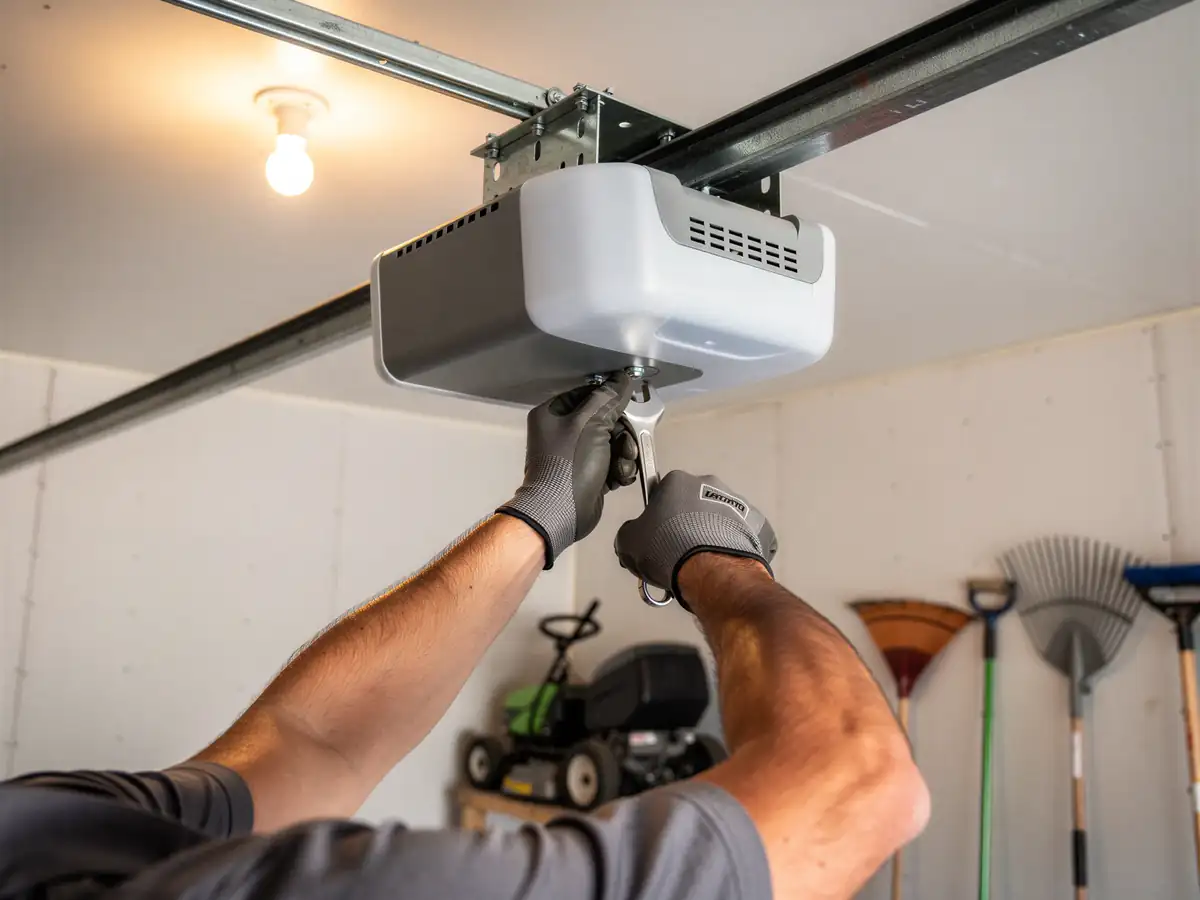
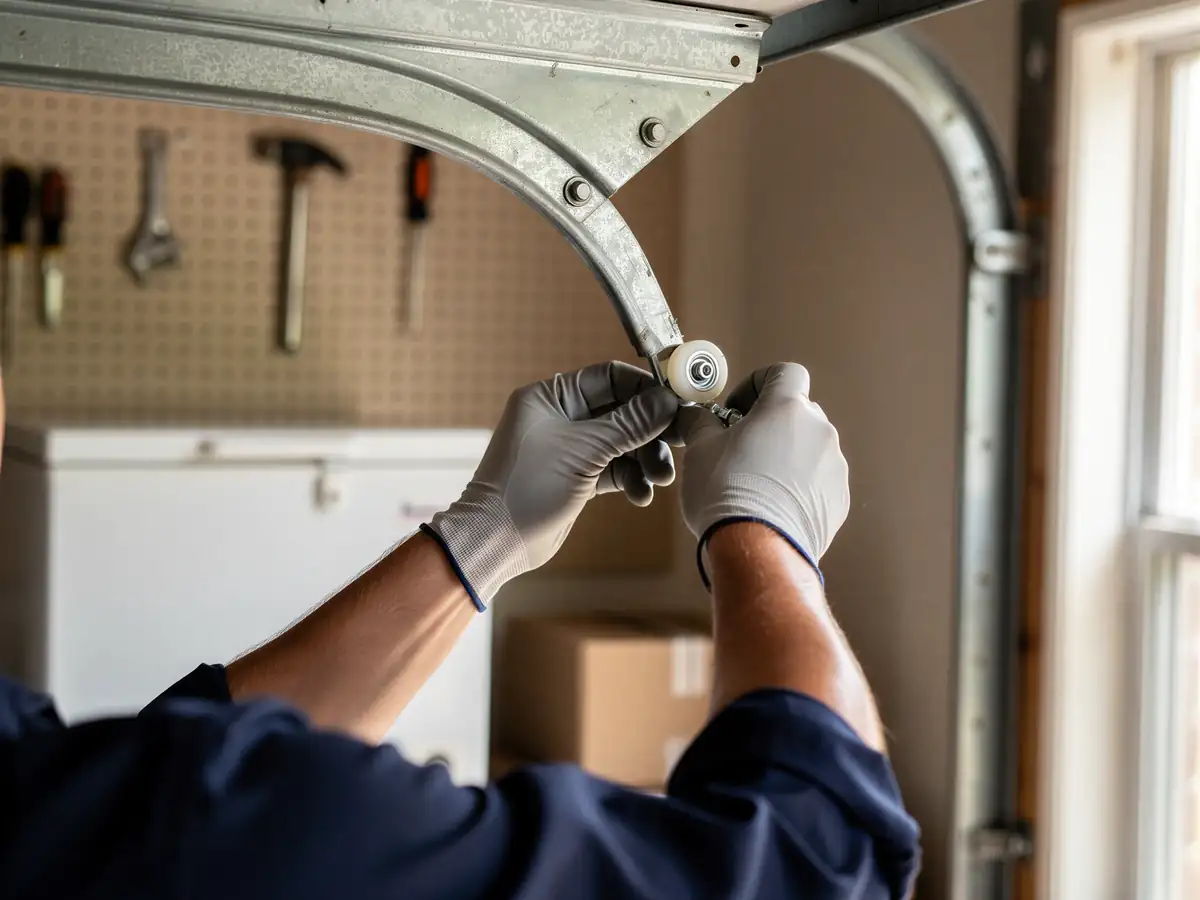
Marana sits in a climate band the federal data flags as severe for heat, and that changes what actually fails first on a garage door here compared to a milder climate. Steel tracks expand during the day and contract overnight, and over enough summers that cycle works bolts loose and throws tracks out of alignment. Standard white lithium grease on rollers and hinges breaks down faster in sustained high heat, which is why a door that was quiet in spring starts grinding by August. Opener circuit boards mounted on a garage ceiling with no insulation above them take the worst of it - that attic-adjacent heat is a common reason openers in this area die years before a mechanical part gives out. None of this is about one bad storm. It's steady heat load, repeated every summer, on hardware that was never going to last forever anyway.
Leaving It Alone
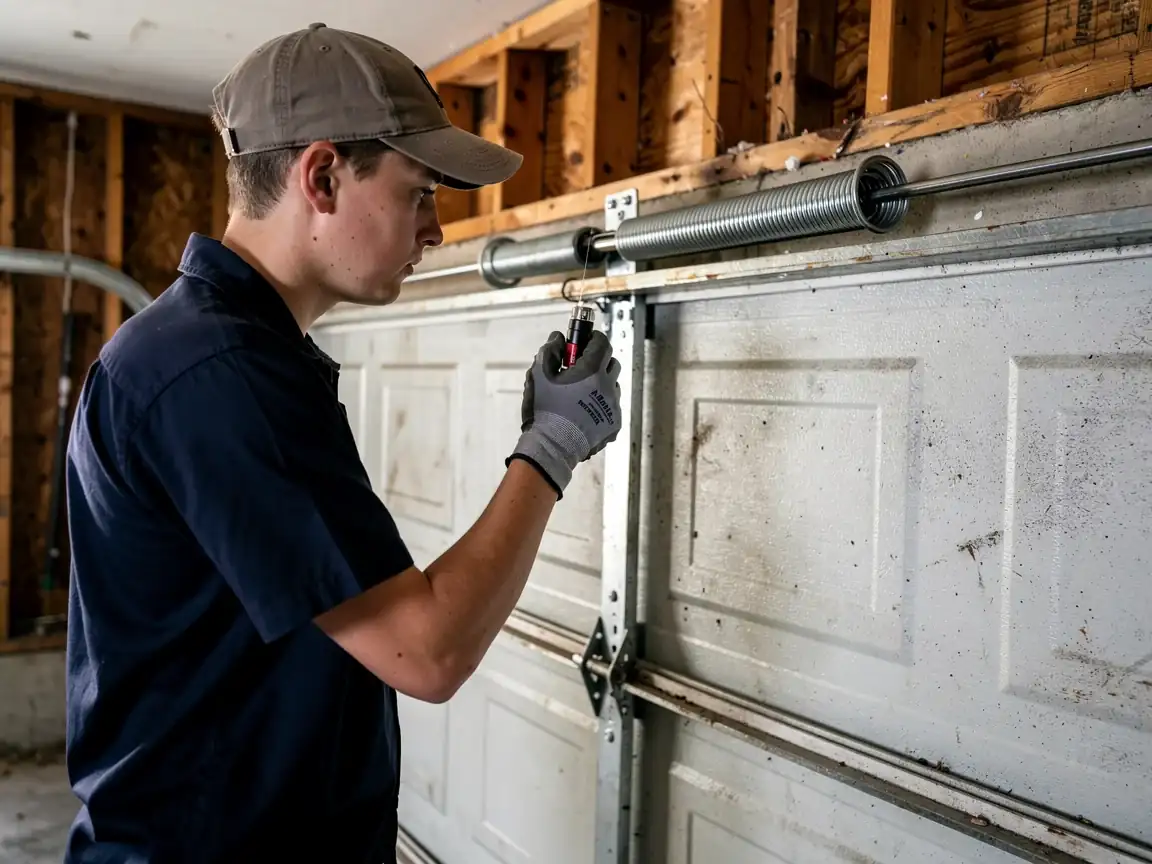
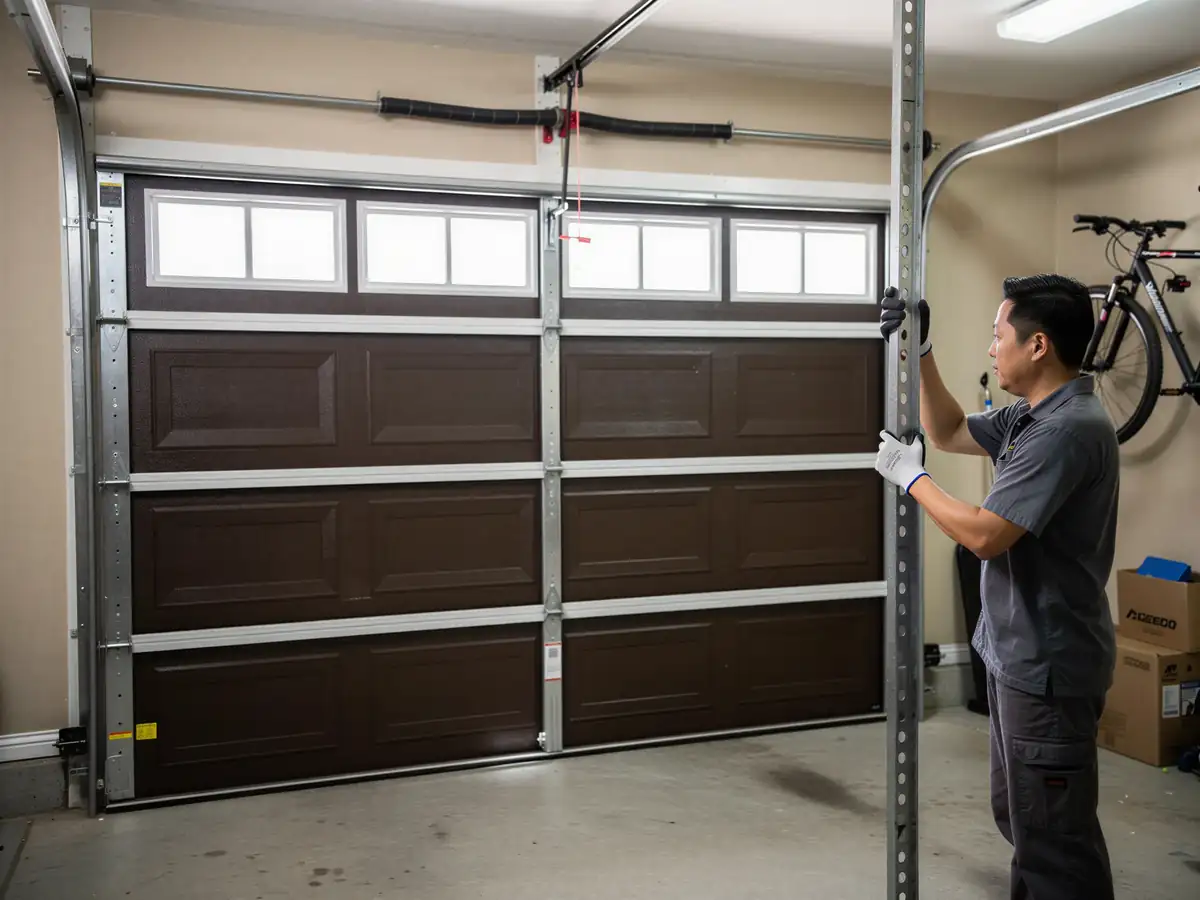
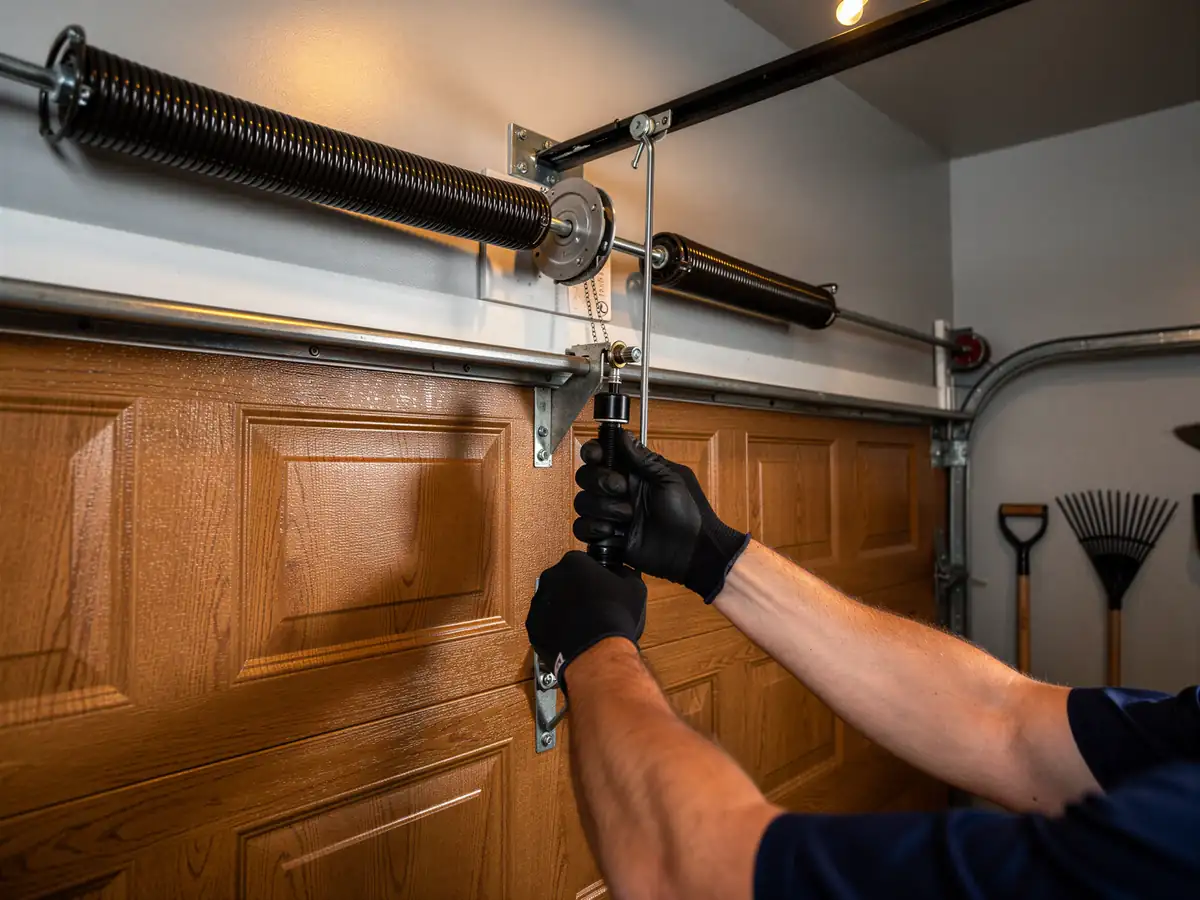
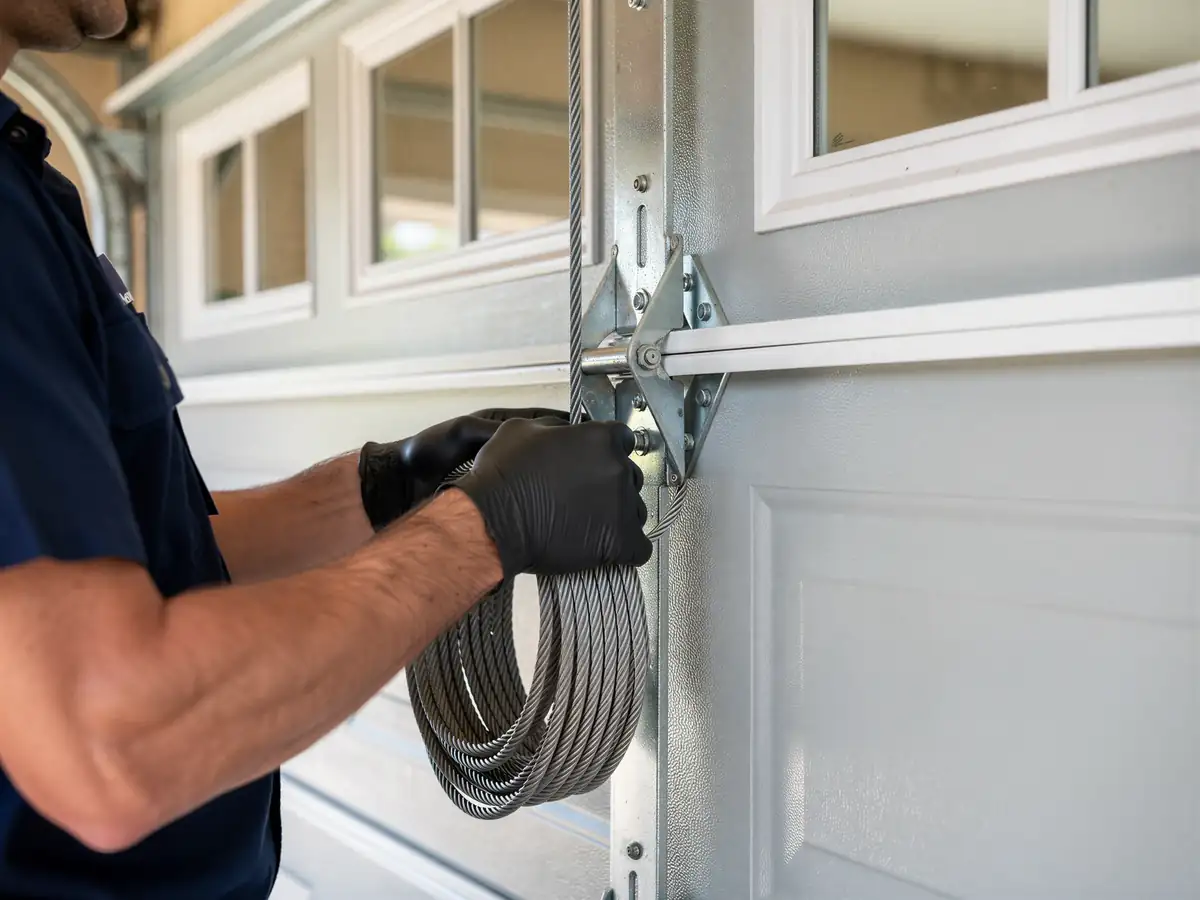
A spring that's past its rated cycle count doesn't give much warning. It can go from slightly noisy to fully snapped between one close and the next, and when it does, the door either slams down on whatever's underneath it or gets stuck half-open with a cable under load. On a house built in the 1980s or 90s, where the spring has likely never been replaced, that's not a hypothetical - it's a matter of when, not if. Ignoring a struggling opener has its own cost: motors that are overheating from strain keep drawing more current until the board fails outright, usually on the hottest day of the year when you least want to be stuck. None of this is dramatic until it is. The honest version is that most of these failures are predictable and most of them get caught - if someone looks before the cycle count runs out, not after.