Opener installs across Marana's 1980-2007 housing stock, sized for severe desert heat. Service across Picture Rocks, Catalina, Red Rock, and the wider Marana area.
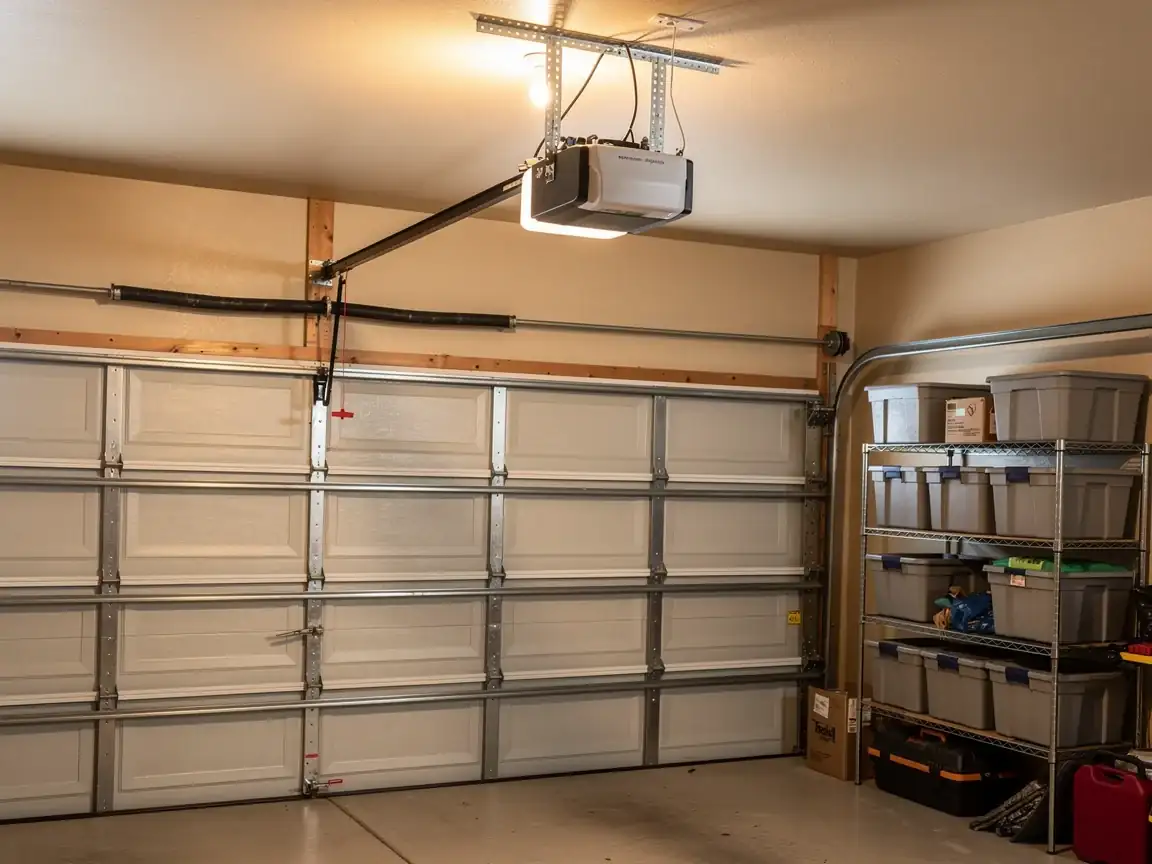
Most houses in the Marana service area went up between 1980 and 2007, with the median build year around 1995. That means a huge share of openers out there are original or one replacement deep, and they were speced for a different climate reality than the one hitting them now. Marana sits in a severe-heat band, and that heat is the thing that kills openers early here. A motor and circuit board mounted on a garage ceiling bake all summer, year after year, and the plastic gears, capacitors, and drive belts age faster than the manuals assume. In a lot of the 1980s and 90s tract construction across the seven main pockets of this area, the opener was a builder-grade chain unit sized for a lighter door and a milder duty cycle than 100+ degree days put on it. When that unit finally quits, it's rarely a single part - it's the whole drivetrain giving out at once, because everything aged under the same heat load. That's a different failure pattern than you'd see in a cooler climate, where openers more often die from one isolated part breaking. Here, heat fatigue runs through the whole machine.
What You Are Seeing
The most common call is an opener that runs but won't lift, or one that strains and reverses partway up. On the older chain-drive units from that 1980-2007 build era, you'll often hear a grinding or slapping sound before it fails outright - that's the chain or belt stretching past what the tensioner can take up. Circuit boards in these older units also take the brunt of the heat: capacitors swell, relays stick, and the remote stops syncing reliably before the motor itself dies. Some homeowners see the light blink a set number of times, which is the board's way of flagging a specific fault, but on units old enough to predate that diagnostic feature, you just get silence or a motor that hums without moving the door. If your opener is original to a house built in the 1980s or 90s, you're not looking at a repair so much as a full swap - parts for that generation of motor are hard to source and not worth chasing. A newer opener with a smart-phone connection feature that's dropped out is usually a different, smaller fix.
What You Pay
We don't have a posted price list to point you to here, and quoting a number without seeing your door, your opener's horsepower rating, and your garage's wiring would be a guess dressed up as a fact. What drives the cost on any opener install: whether you're swapping like-for-like or stepping up to a heavier-duty unit that can handle sustained heat load better, whether the existing wiring and wall control need replacing, and whether the door itself needs new springs or rollers at the same time - which is common on a door that's been running since the original 1980s-2007 construction. Household income across the service area runs a median around $66,800, and most jobs we see land in a range that reflects a straightforward swap versus a full rewire-and-upgrade job. The honest answer is: get a number for your specific door and opener rather than trusting any site that quotes a flat figure sight unseen.
Can You Do This Yourself
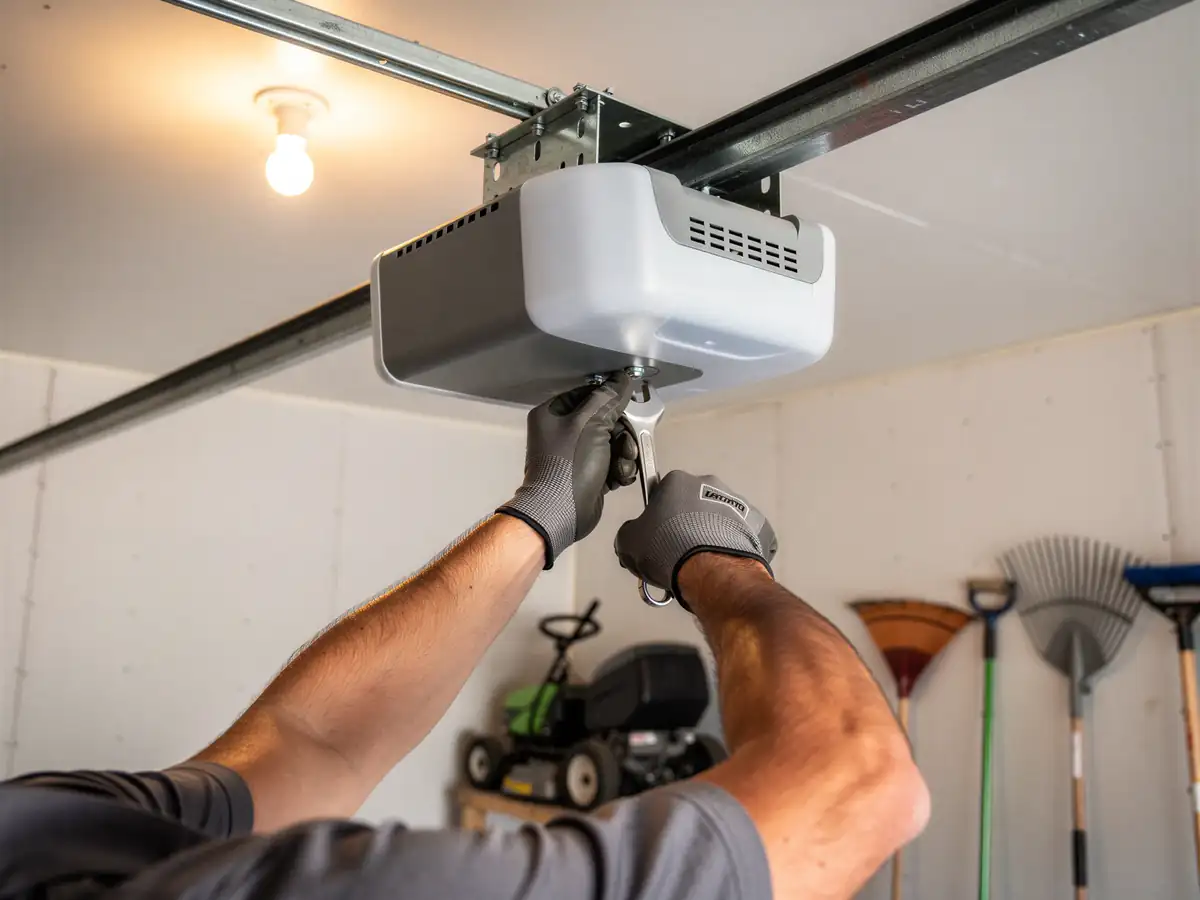
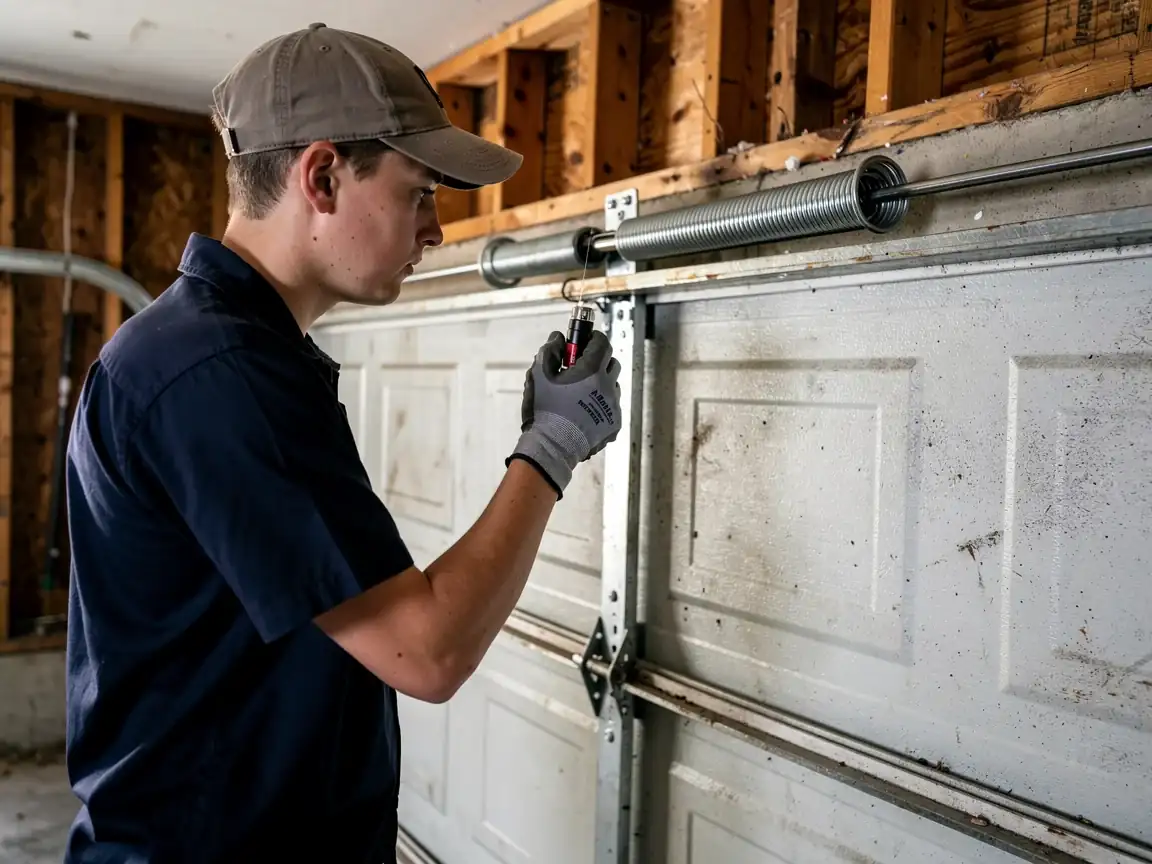
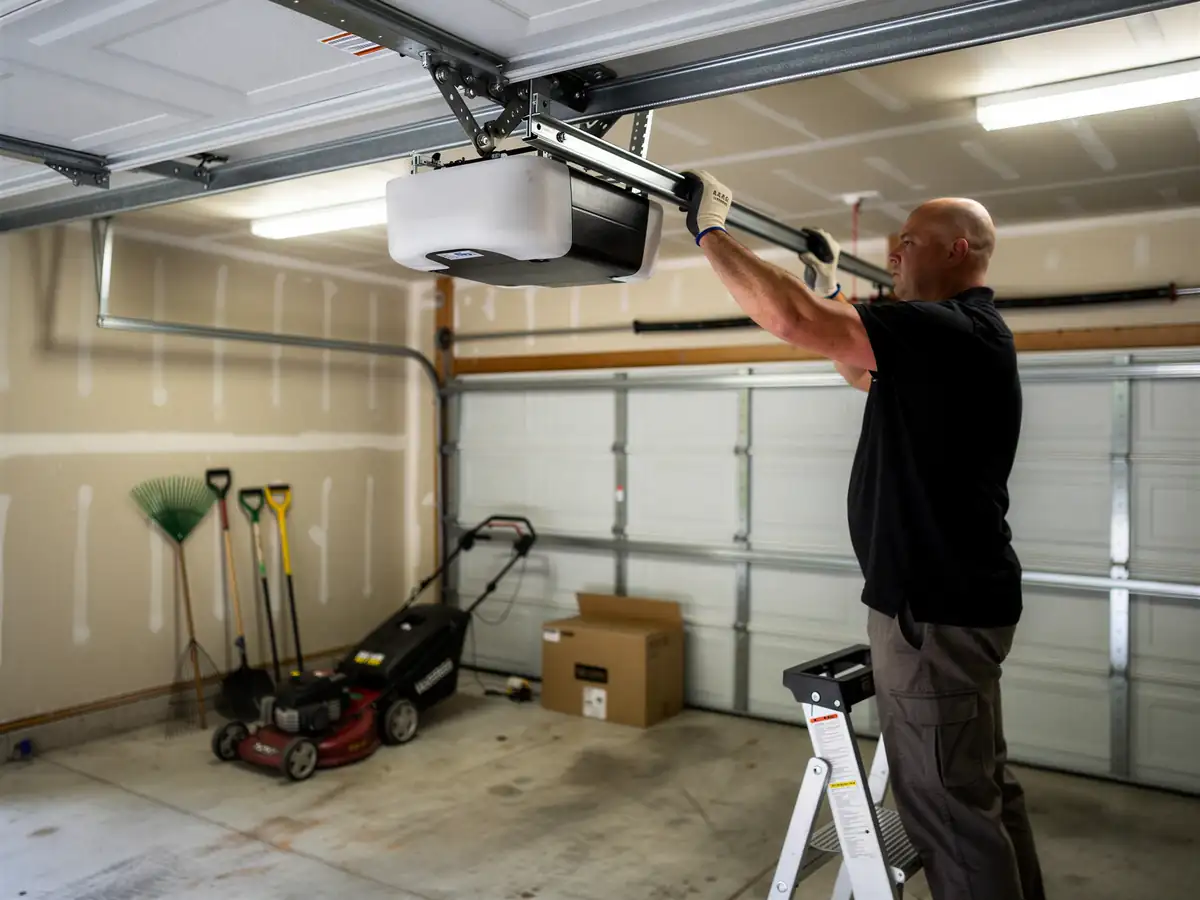
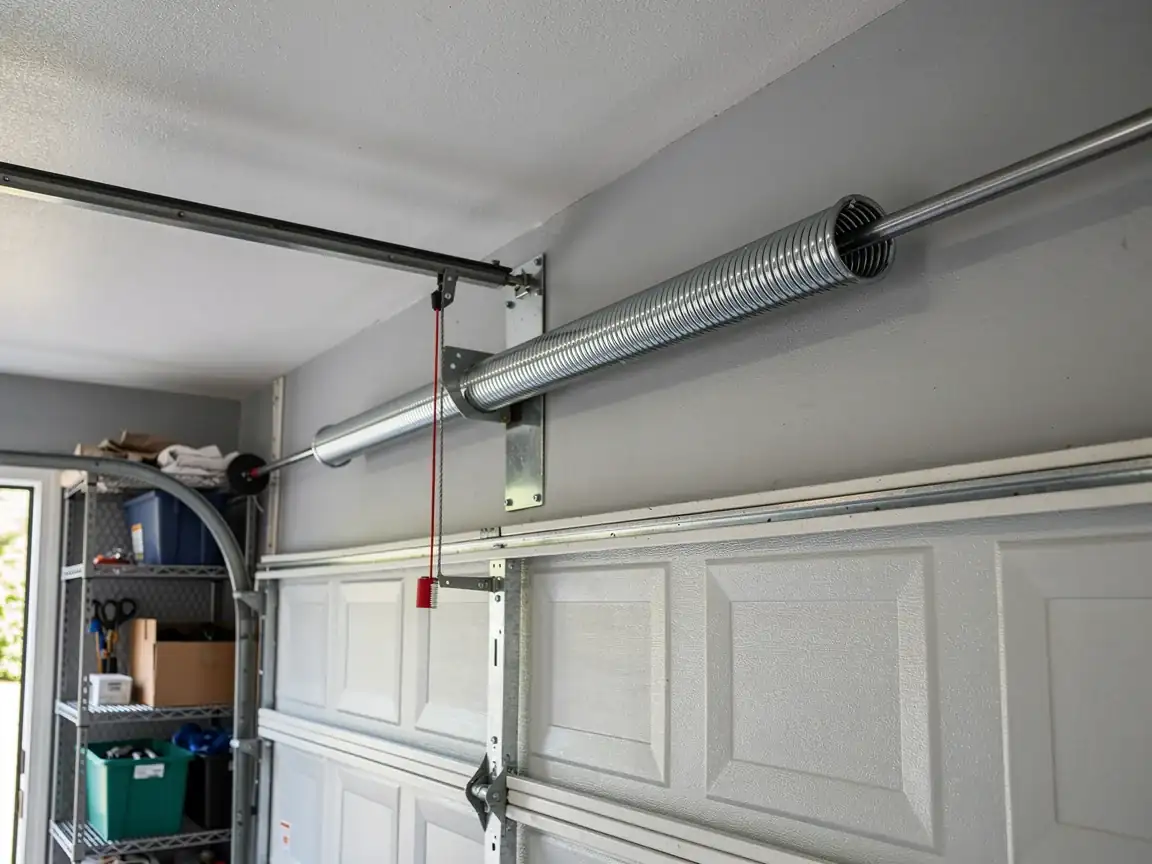
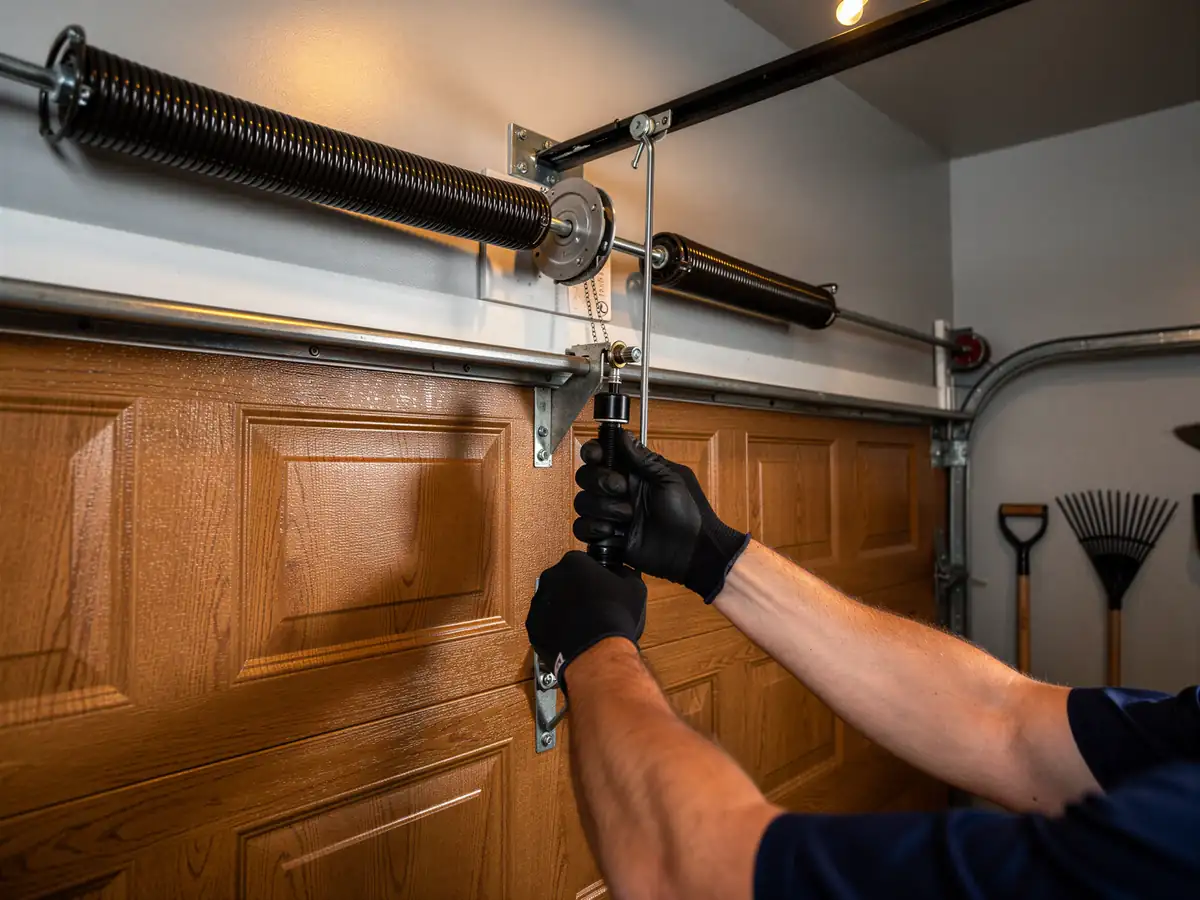
A basic opener swap is within reach for someone comfortable on a ladder and patient with wiring, if you're replacing a dead unit with a same-style unit on existing brackets. Where it stops being a weekend project: anything involving the torsion spring system, because that spring is under enough tension to cause real injury if it lets go wrong, and anything where the header bracket or track itself needs to be re-mounted to handle a heavier opener. On houses built in the 1980-2007 window, we also see a lot of garages where the electrical outlet near the opener was never grounded properly to code at the time - that's not a DIY fix, that's an electrician call before the opener ever goes in. If your current unit runs on an old frequency-code remote with no rolling-code security, that's worth flagging to whoever installs the new one, since it changes which models will actually pair with your existing wall switch and keypad.
How it works
From “it’s stuck” to “it’s fixed”
01
Tell us what’s wrong
Describe the symptom - won’t open, loud bang, opener runs but the door won’t move.
02
On-site diagnosis
A technician tests the door under power and by hand and finds what actually failed.
03
Clear, up-front plan
You get the fix that’s needed and what drives the cost - before any work starts.
04
Repaired & tested
The repair is done, the door is set true and tested, and the work area left clean.
Not sure which repair your door needs in Marana, AZ? Describe what it’s doing - every job starts with a diagnosis.
How old does my opener need to be before replacement beats repair?
If it's original to a house built in the 1980s or 90s, which covers a lot of this area, parts for that generation are scarce and the whole drivetrain has usually aged together under the heat. At that point a new unit is almost always the better call than chasing one part at a time.
Will a new opener handle Marana's summer heat better than my old one?
Newer units generally use better-sealed circuit boards and more heat-tolerant components than units built in the 1980s-2007 window, but we don't have manufacturer heat-rating data to quote you a number - ask about the specific model's duty-cycle rating before you buy.
Do you serve areas outside Marana proper?
Yes, we cover the wider service area including Picture Rocks, Avra Valley, Catalina, Flowing Wells, Red Rock, Saddlebrooke, Tucson Estates.
Ready to get your garage door sorted?
Tell us what it’s doing and where you are in Marana - we’ll take it from there.