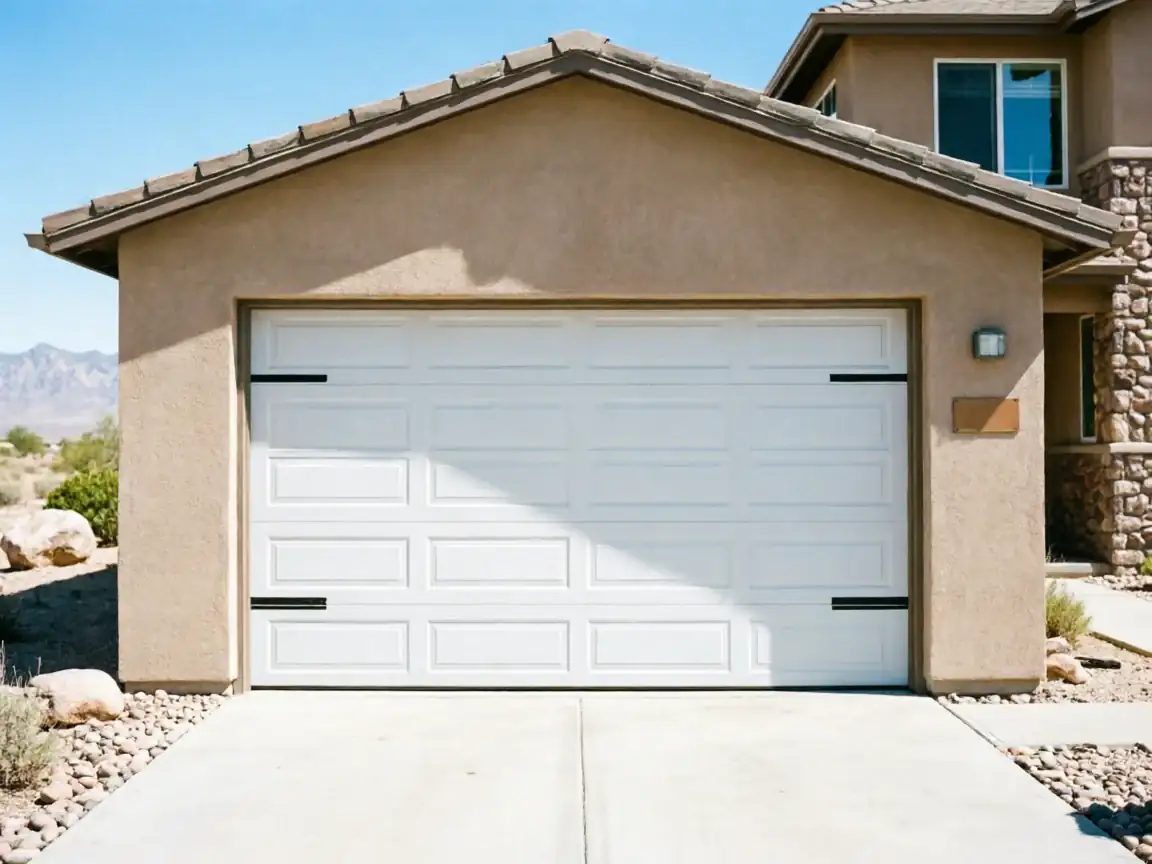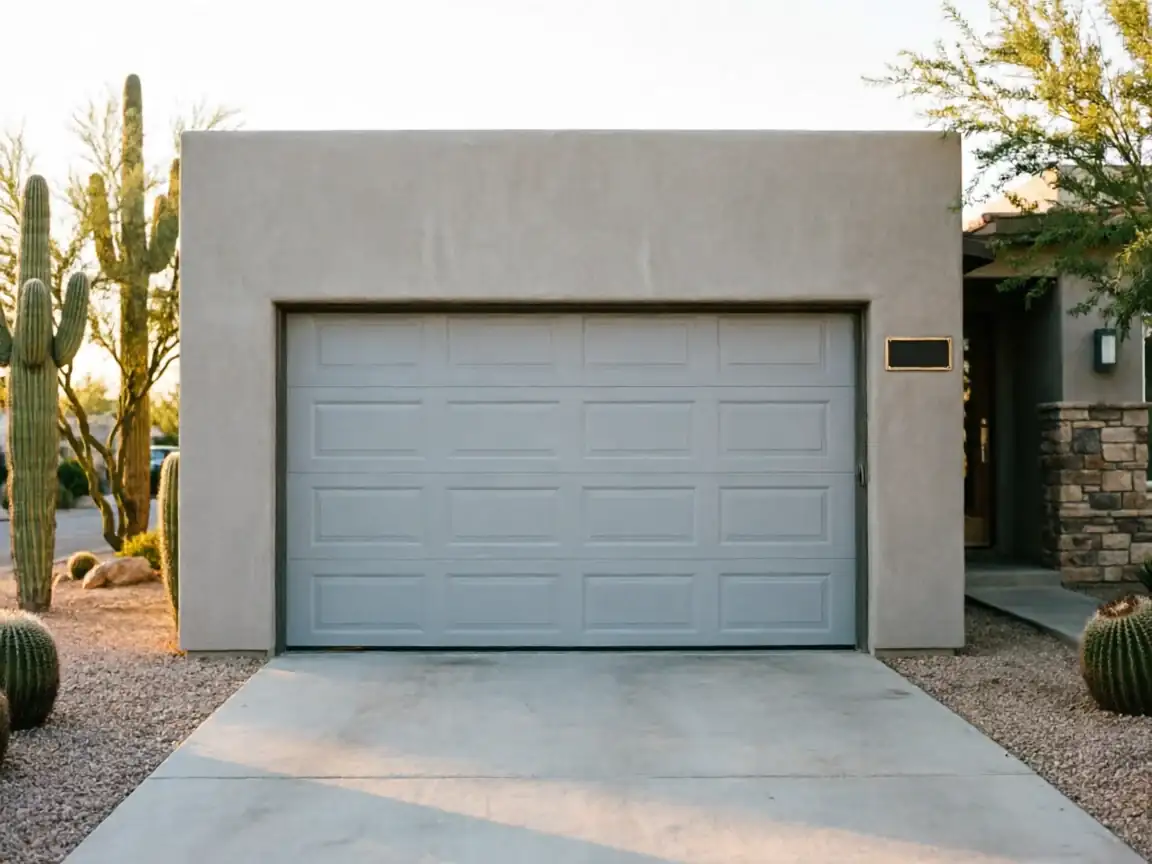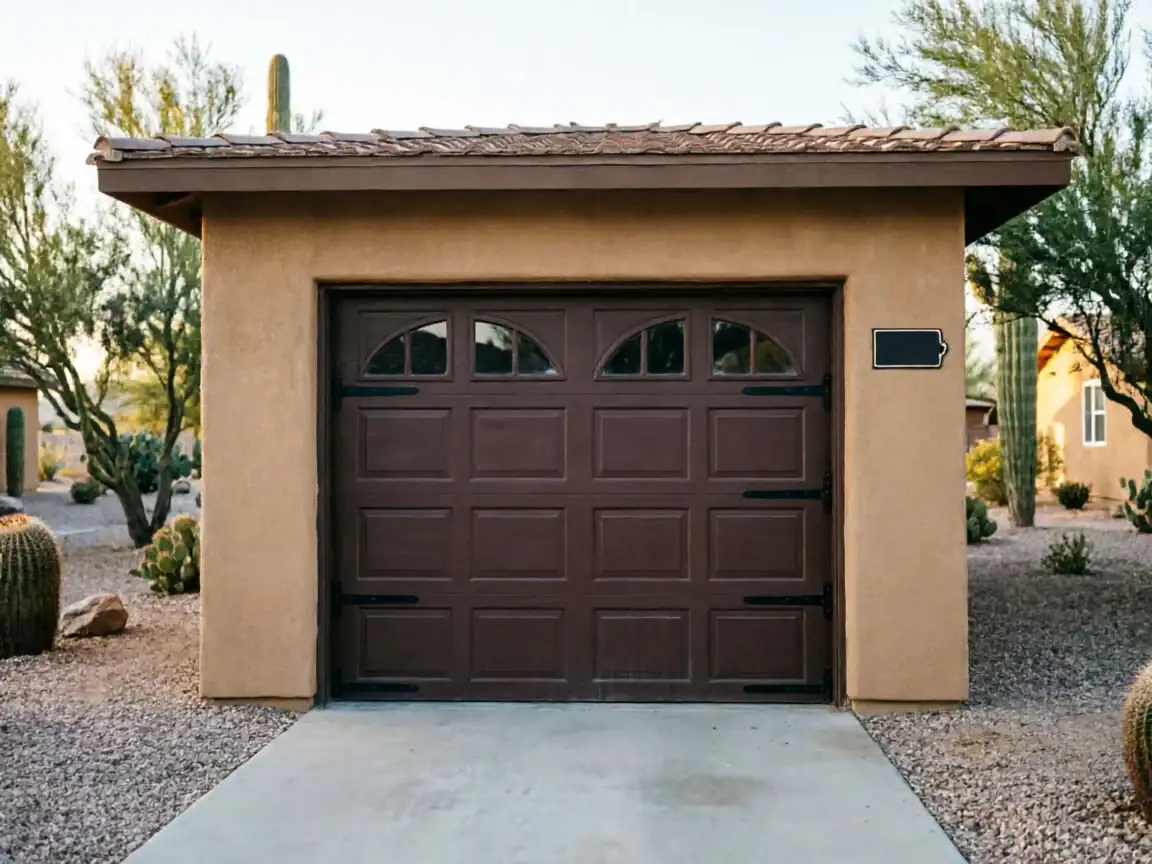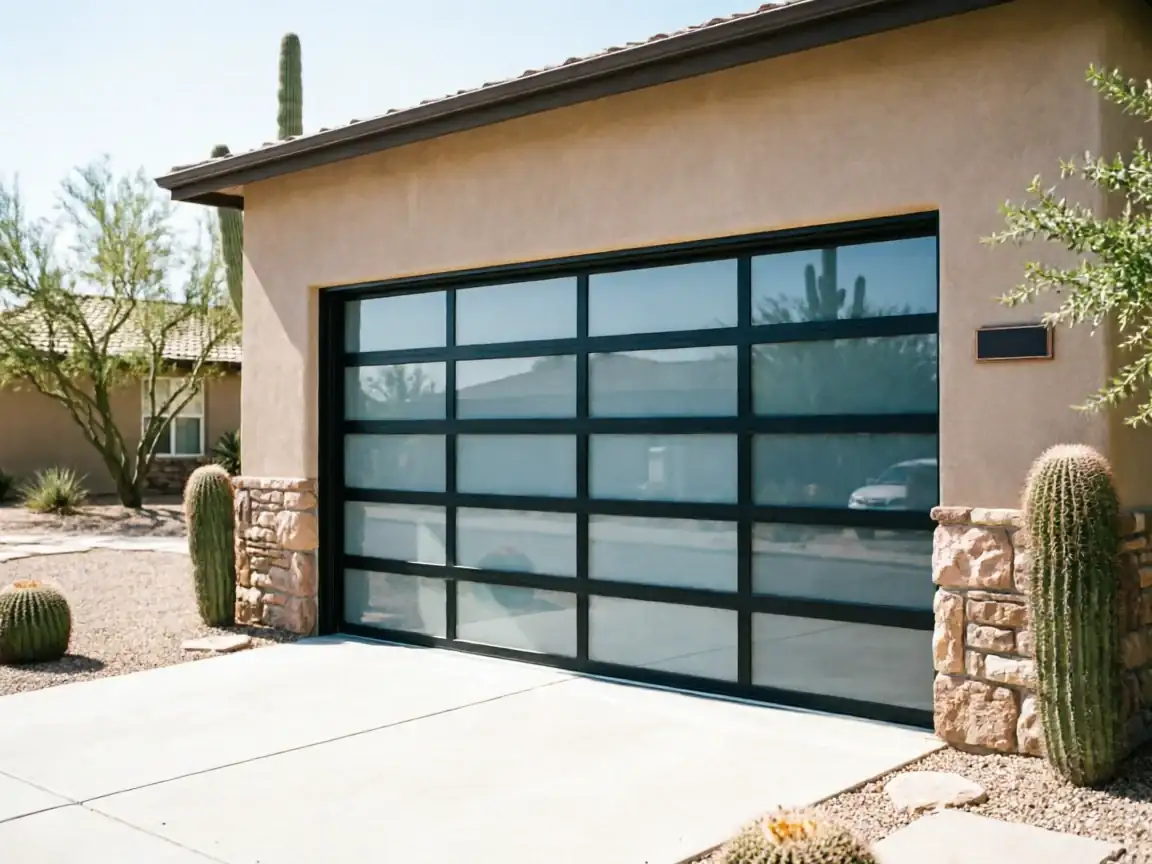
Why This Fails Locally
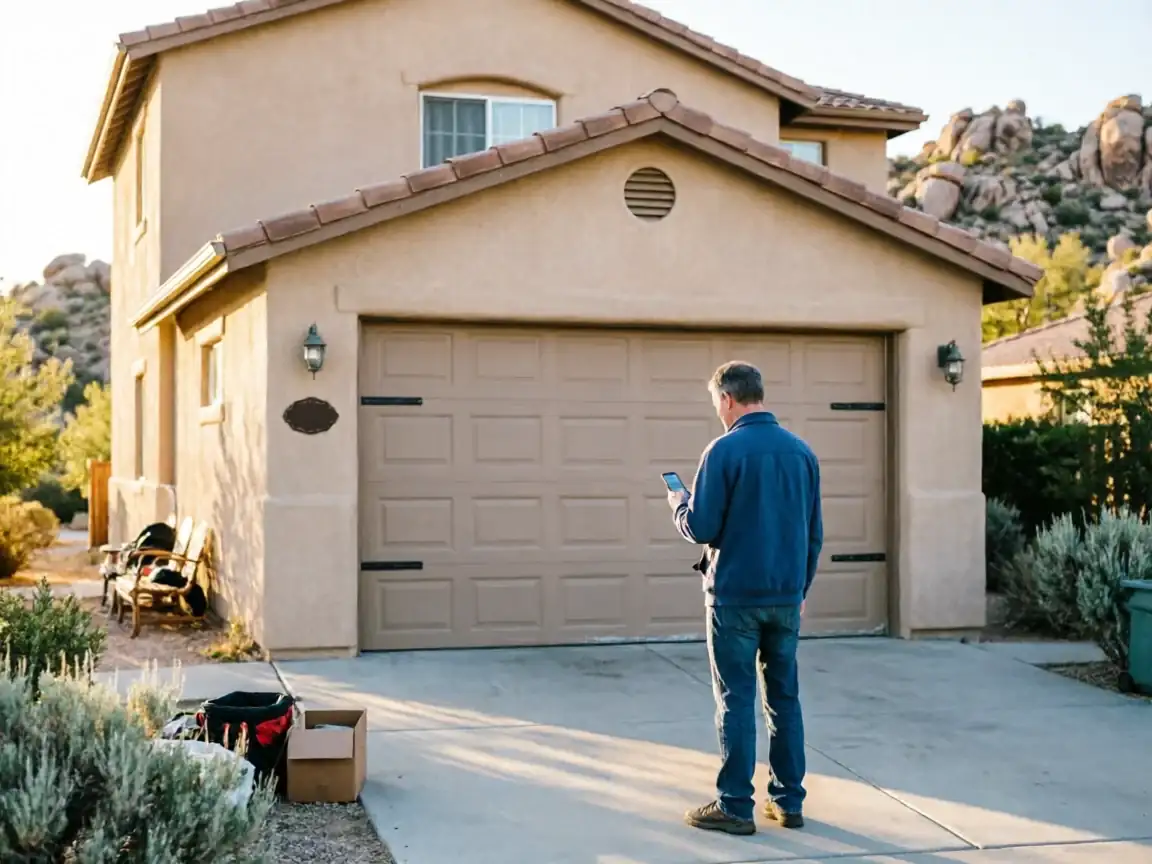
Most houses in the Marana service area went up between 1980 and 2007
With the median build year sitting around 1995. Across the seven named pockets of town - from the older stretches near to newer construction out toward - that means a lot of doors, springs, and openers are now old enough to be tired, and a lot of them were installed during the same stretch of years, which means they're wearing out around the same time.
The bigger factor is heat
Marana sits in a severe-heat climate band, and that matters more for a garage door than people expect. Torsion springs lose temper faster when they cycle through 115-degree afternoons and cool nights for twenty-plus years. Nylon rollers and plastic idler bearings get brittle and crack. Steel panels expand and contract enough, season after season, to work screws loose at the hinges. None of this is a defect - it's just what happens to 1980s-2007 stock in a hot desert climate after enough summers.
So when a Marana door starts binding, groaning, or dropping fast on the way down
The age of the house and the heat it's weathered are usually both part of the story, not just bad luck.
What You Are Seeing
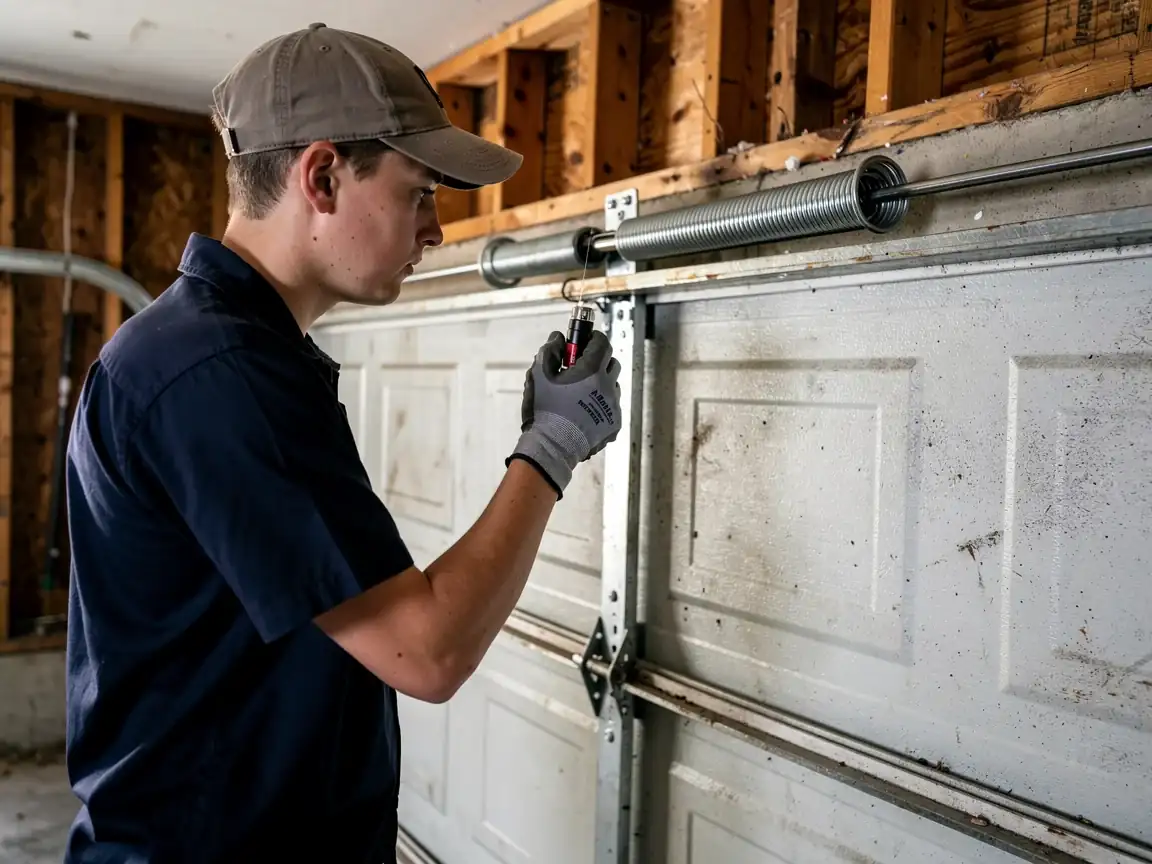
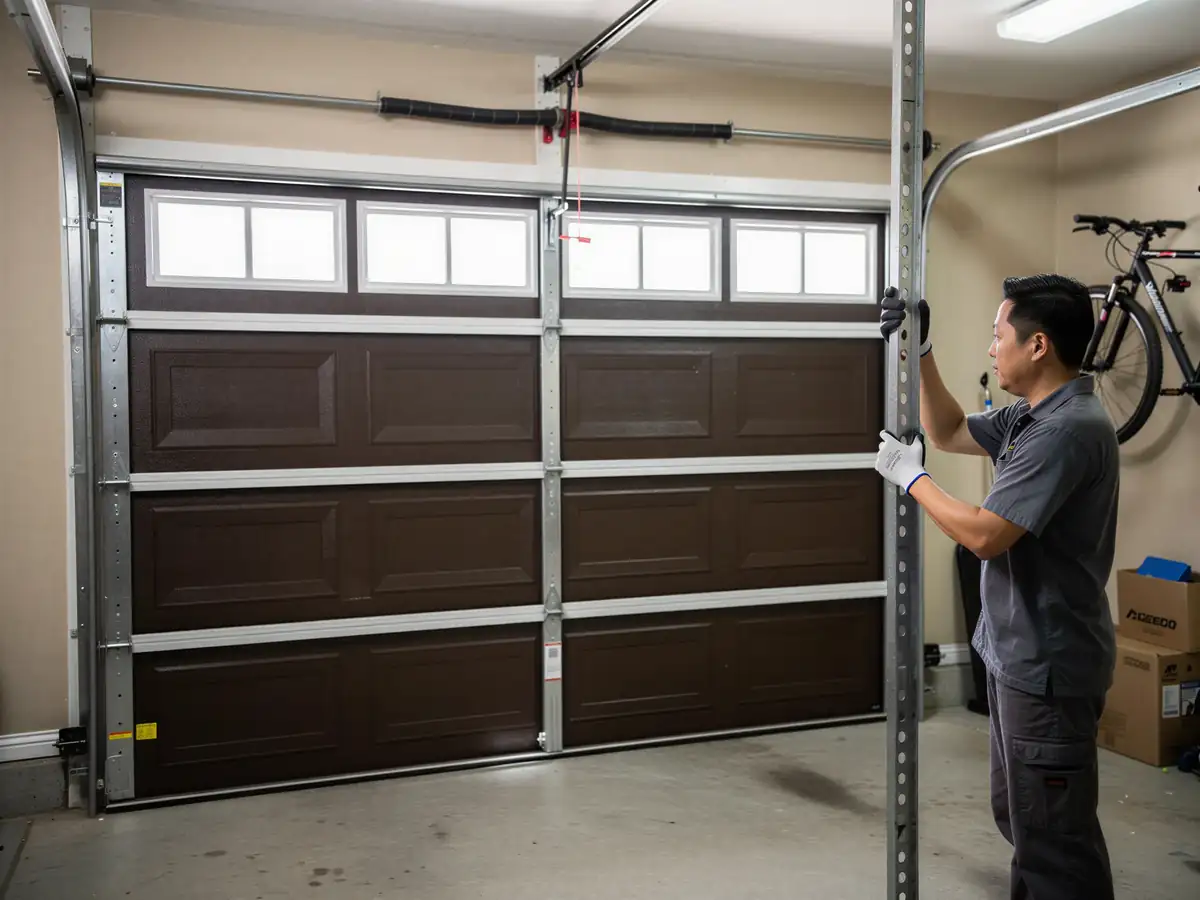
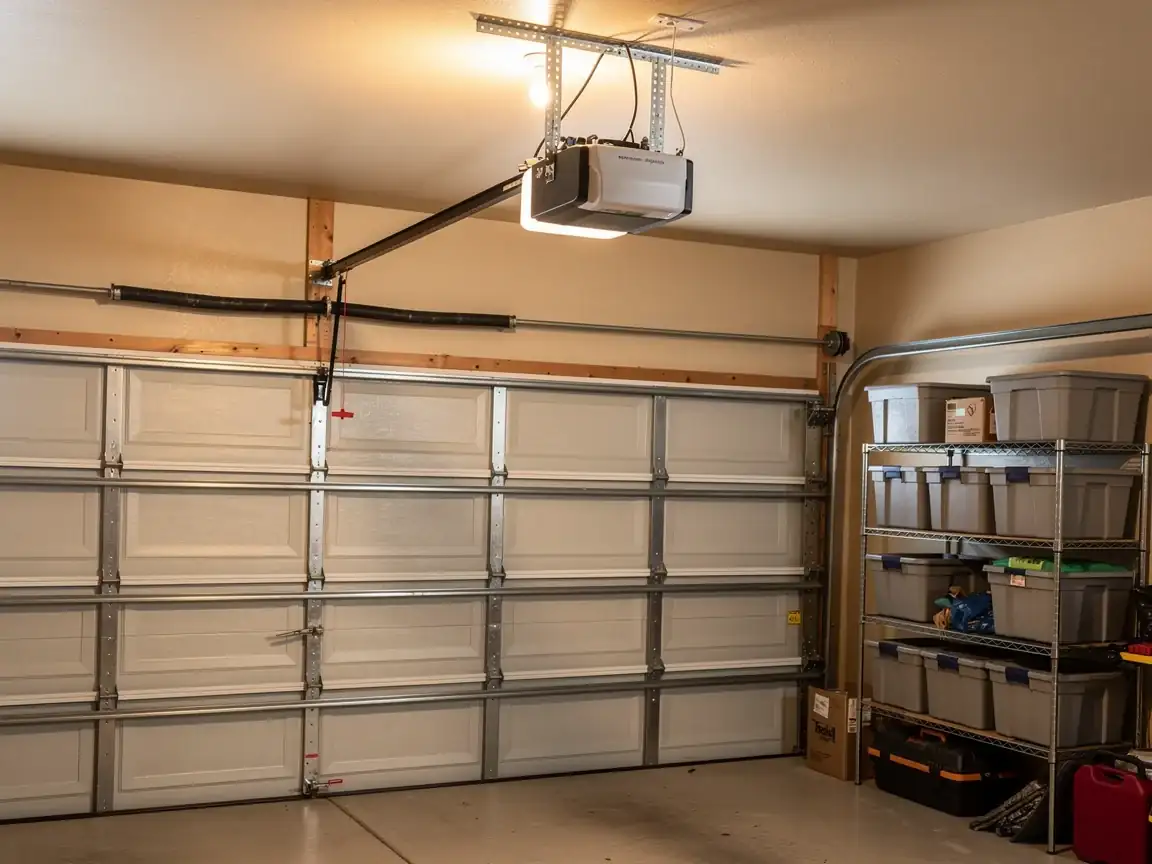
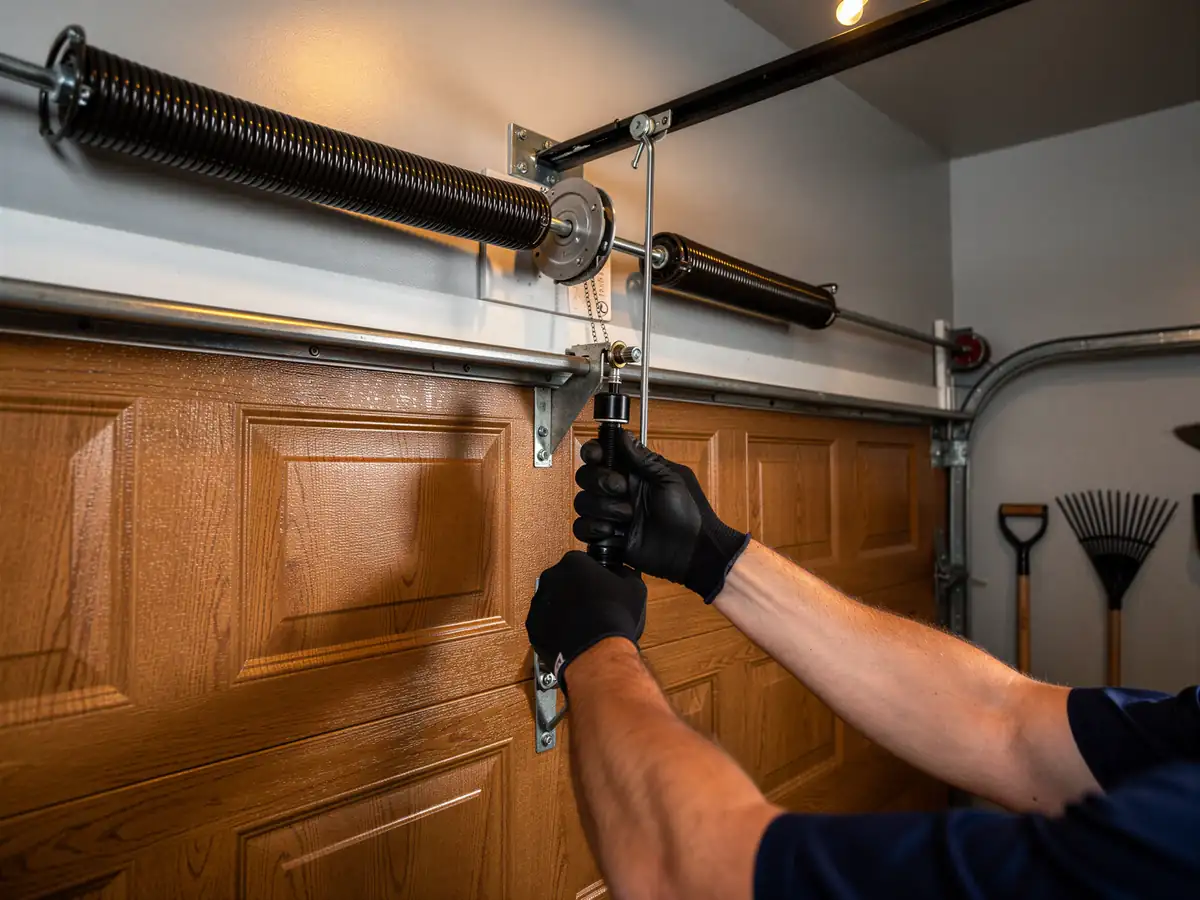
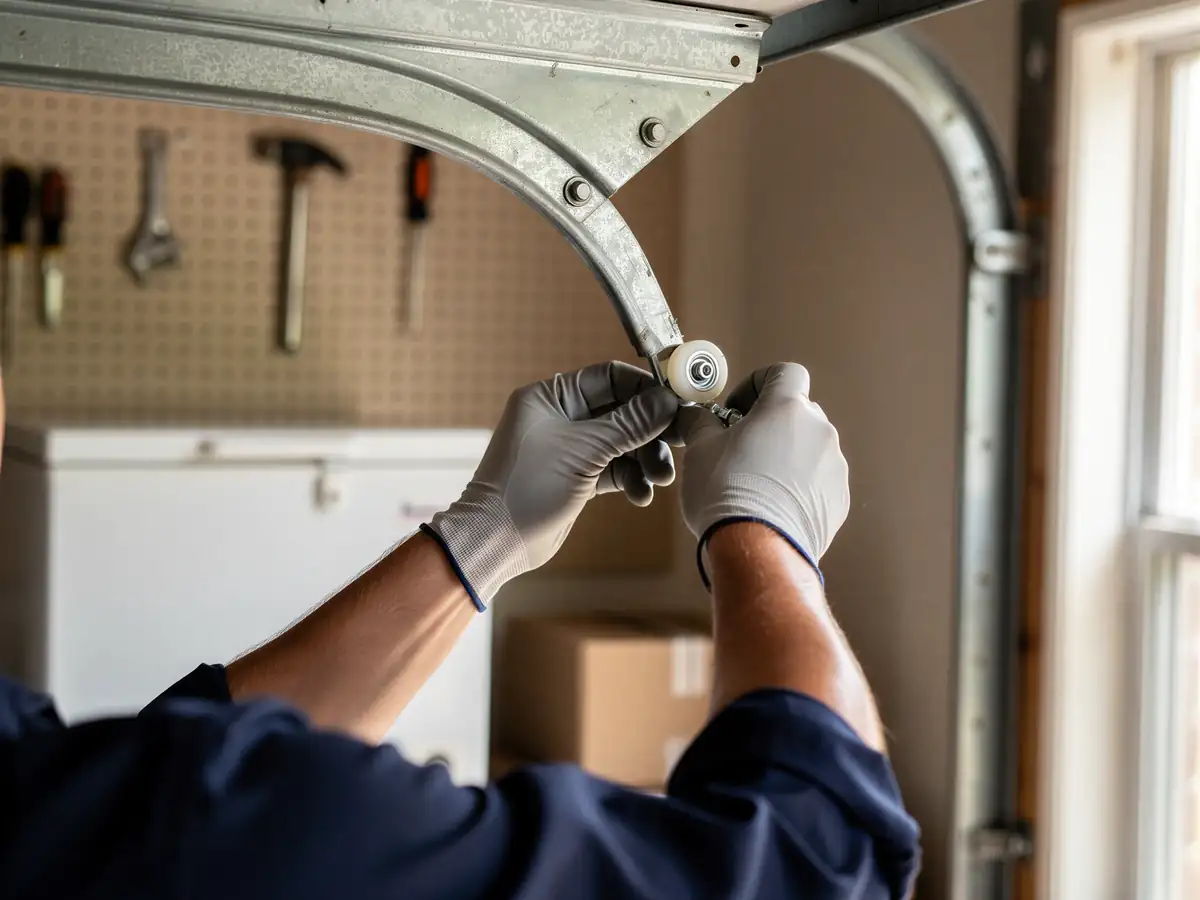
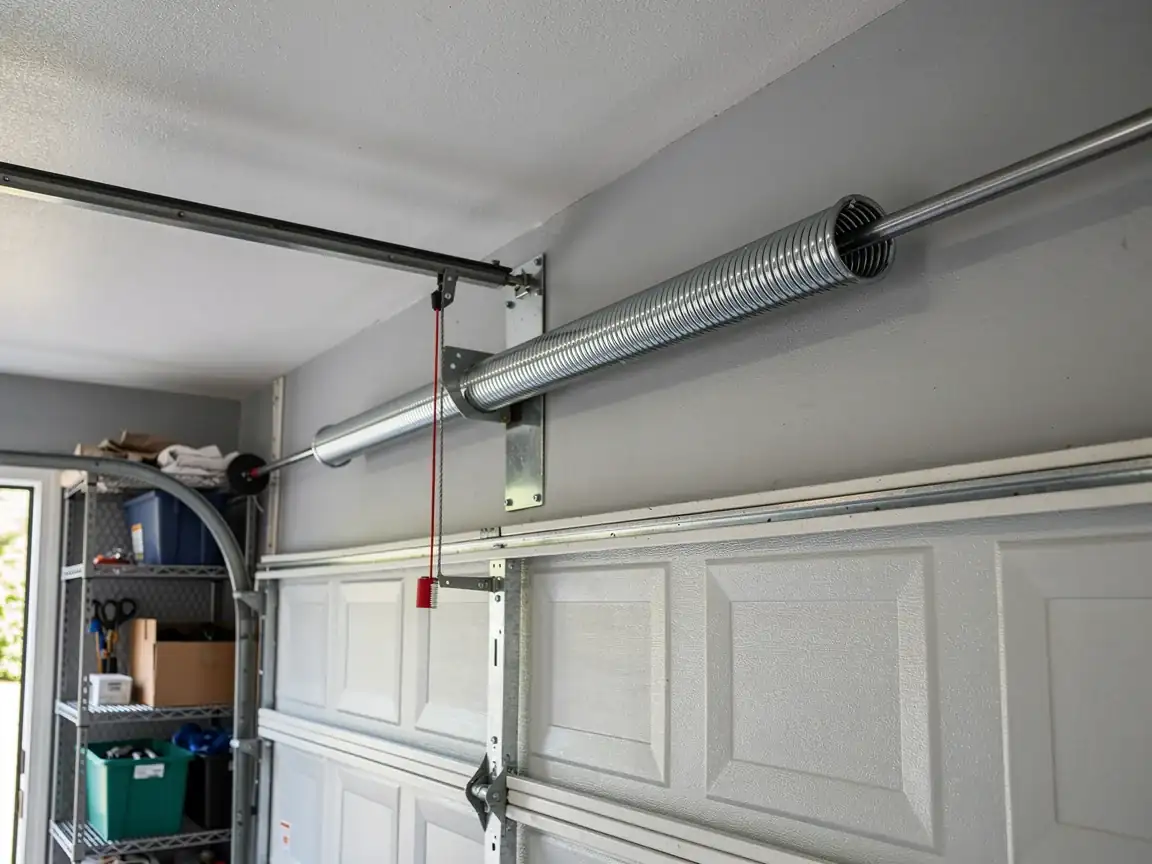
A door that slams the last six inches instead of lowering slow almost always means a torsion spring has lost tension - common once a spring crosses the fifteen-to-twenty-year mark, which lines up with a lot of the 1980s and 90s housing stock in Marana. A door that shudders or jumps off the track partway through its run is usually a roller problem: heat-cracked nylon rollers binding in a track that's picked up grit.
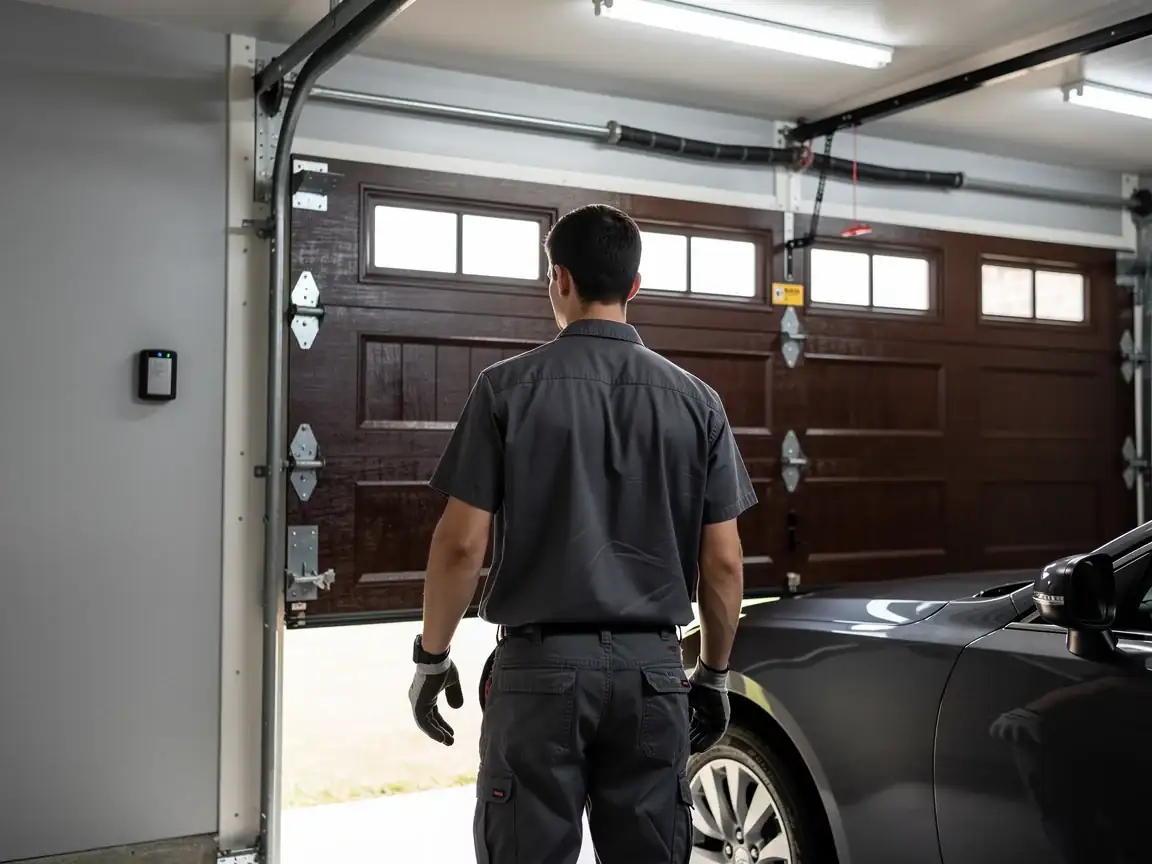
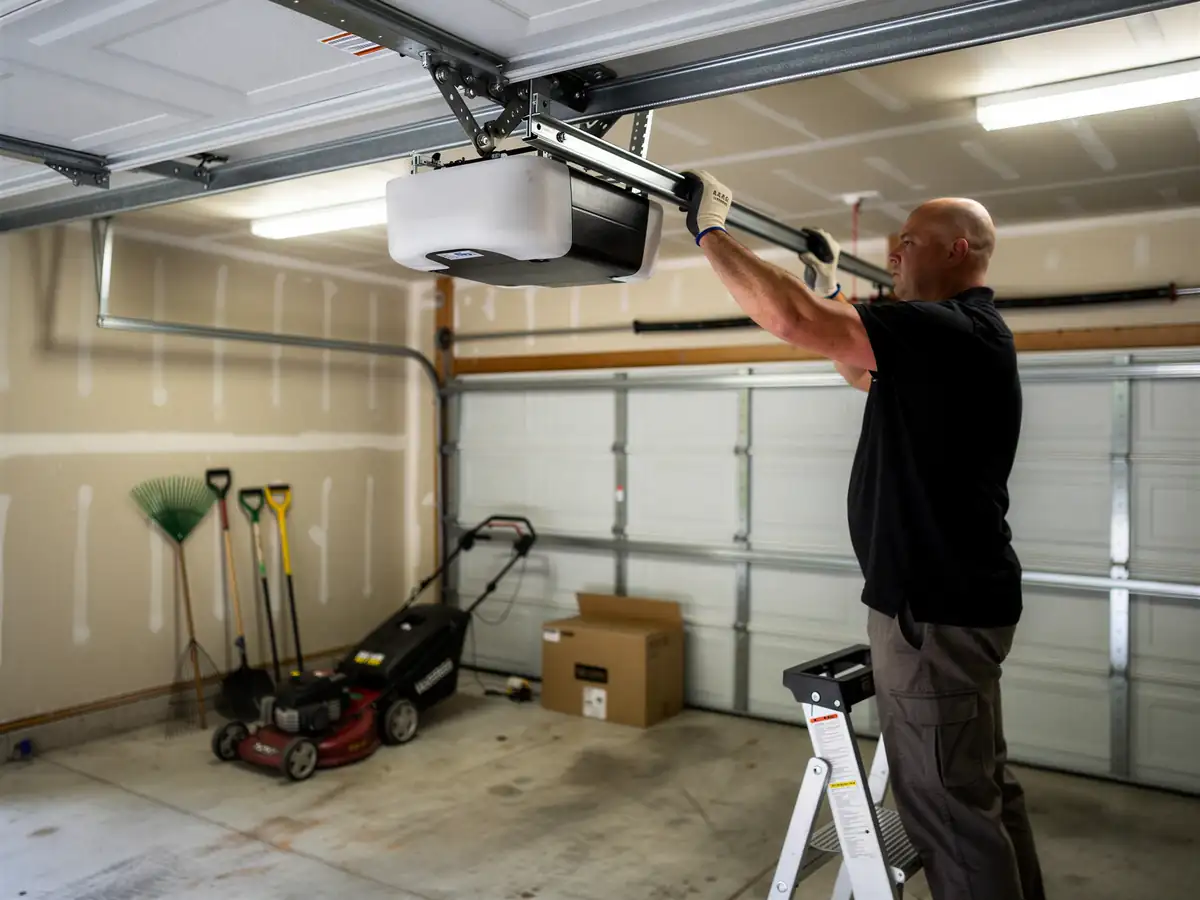
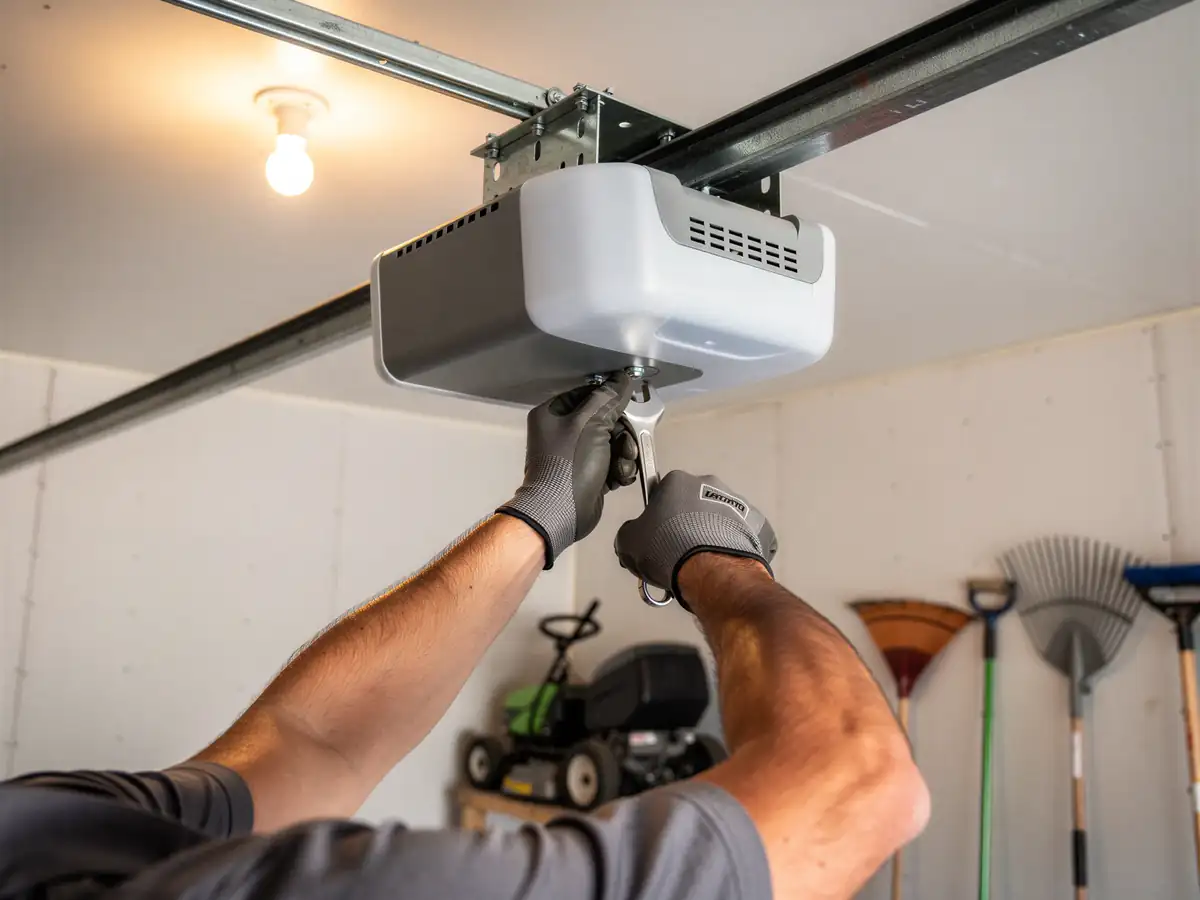
If the opener grinds, hesitates, or runs but the door doesn't move, look at the drive gear inside the opener housing - plastic gears get brittle with age and heat the same way rollers do, and they strip rather than wear smooth. A door that won't stay down, or reverses on its own partway closed, often points to a failing safety sensor or a limit switch that's drifted, both common on openers that have logged two decades of Arizona summers.
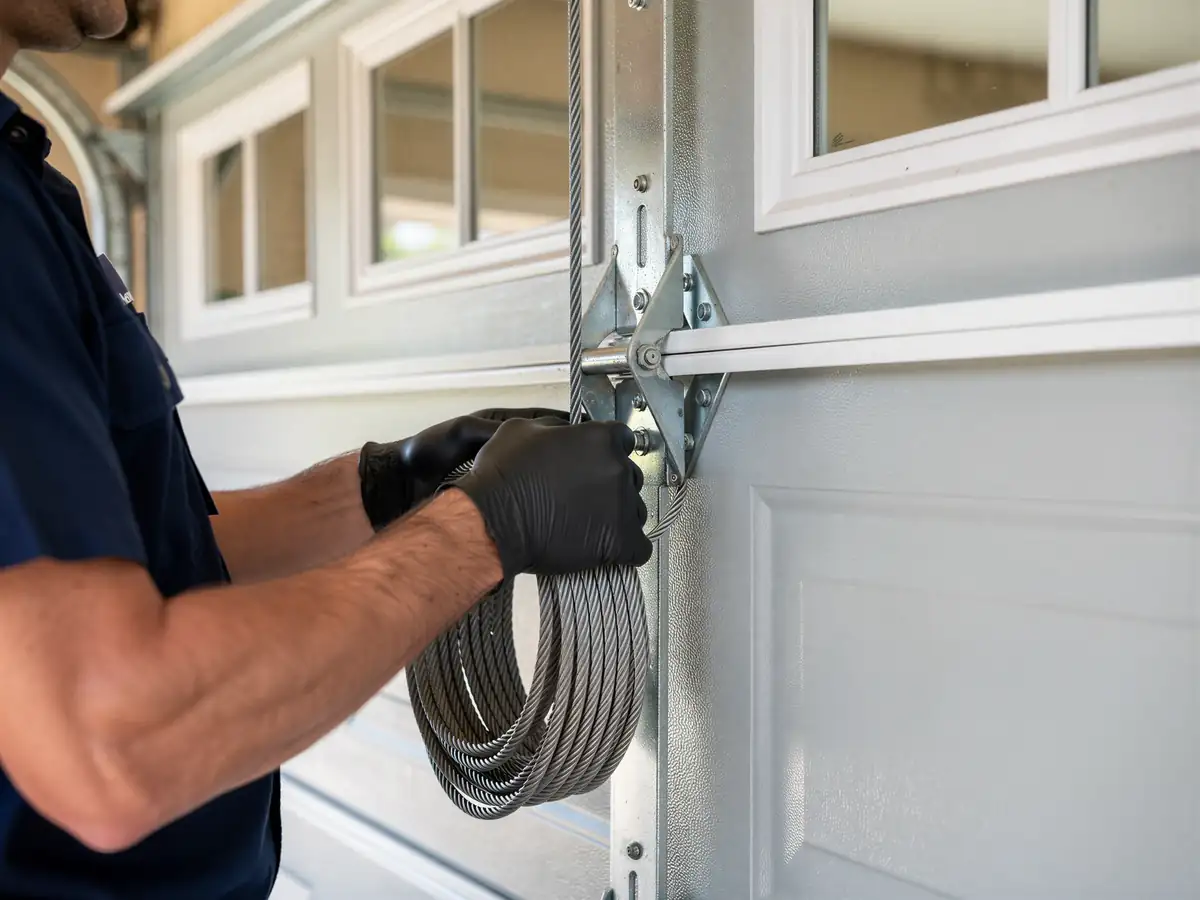
Cables fraying at the bottom bracket, panels with hairline cracks along the bottom seam, and weatherstrip that's gone stiff and split are all symptoms of the same underlying cause - sun and heat cycling on materials that are old enough to be due.
What You Pay
We don't post a flat number here because what a Marana job costs depends on what's actually wrong - a single spring replacement is a different job than an opener swap or a full panel section, and a double-wide door costs more in parts than a single. What we can tell you is what drives the number: spring gauge and length, whether the opener still has parts available or needs a full replacement, and whether the track needs realignment or full replacement after a roller failure.
Household budgets vary across the service area - median household income here runs around $66,813 - and we try to give you options rather than push a full replacement when a repair holds up. That said, if your opener or springs are original to a house built in the 1980s or early 90s, repair parts get harder to source, and at some point replacement is the more honest answer than another patch.
We'll always tell you the actual number before we start, not after.
Can You Do This Yourself
Rollers, weatherstrip, and tightening loose hardware are reasonable DIY jobs if you're comfortable on a ladder
Torsion springs are not. A wound torsion spring holds enough stored force to break a bone or worse if it releases wrong, and the winding bars and clamps for doing it safely aren't something most garage toolboxes have. We'd rather lose that job to you doing it carefully with the right tools than have you guess at it.
Opener electronics are a middle case
Swapping a safety sensor is usually fine, but diagnosing why a drive gear keeps stripping on a 20-year-old unit often means the unit itself, and that's a call worth having a second set of eyes on before you buy a part that doesn't fix it.
One honest limit: we don't carry every obsolete opener board for discontinued models from the 1980s and 90s
If yours is one of those, we'll tell you straight that replacement is faster and cheaper than hunting down a part that may not exist anymore.