What That Means for Doors
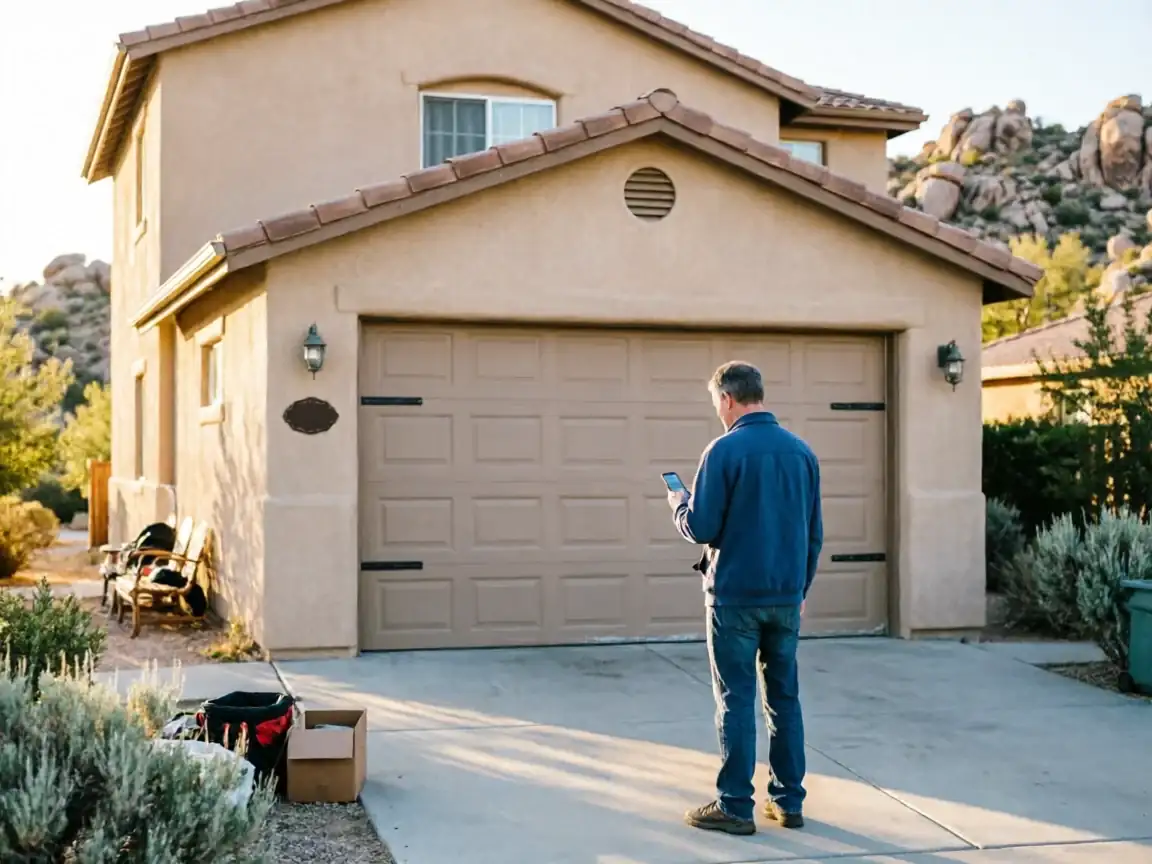
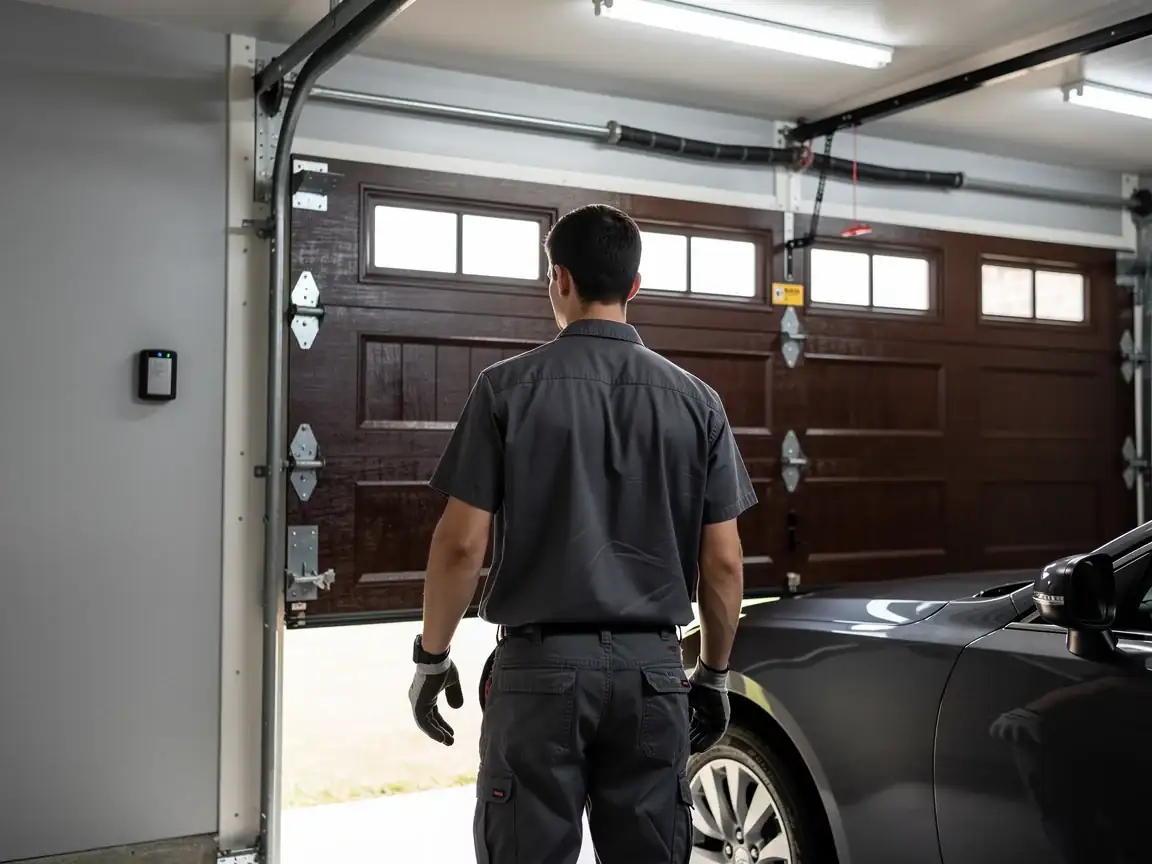
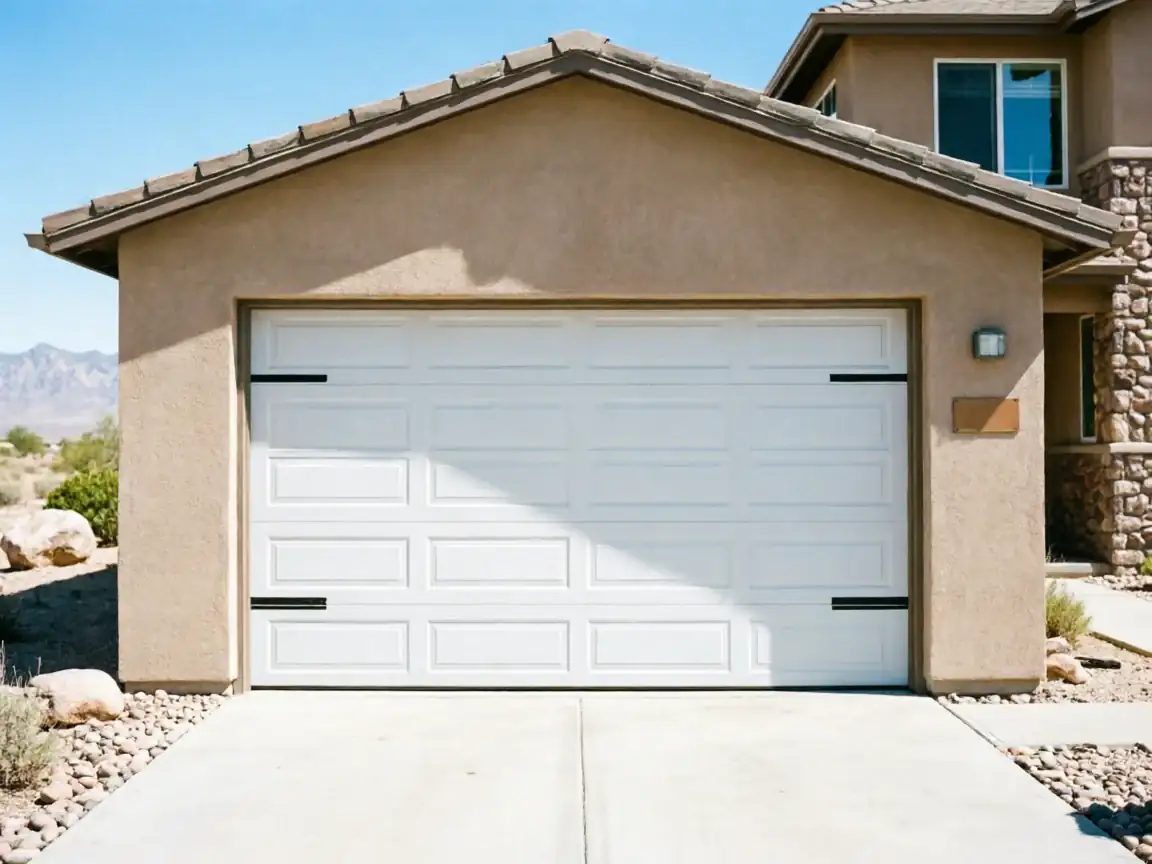
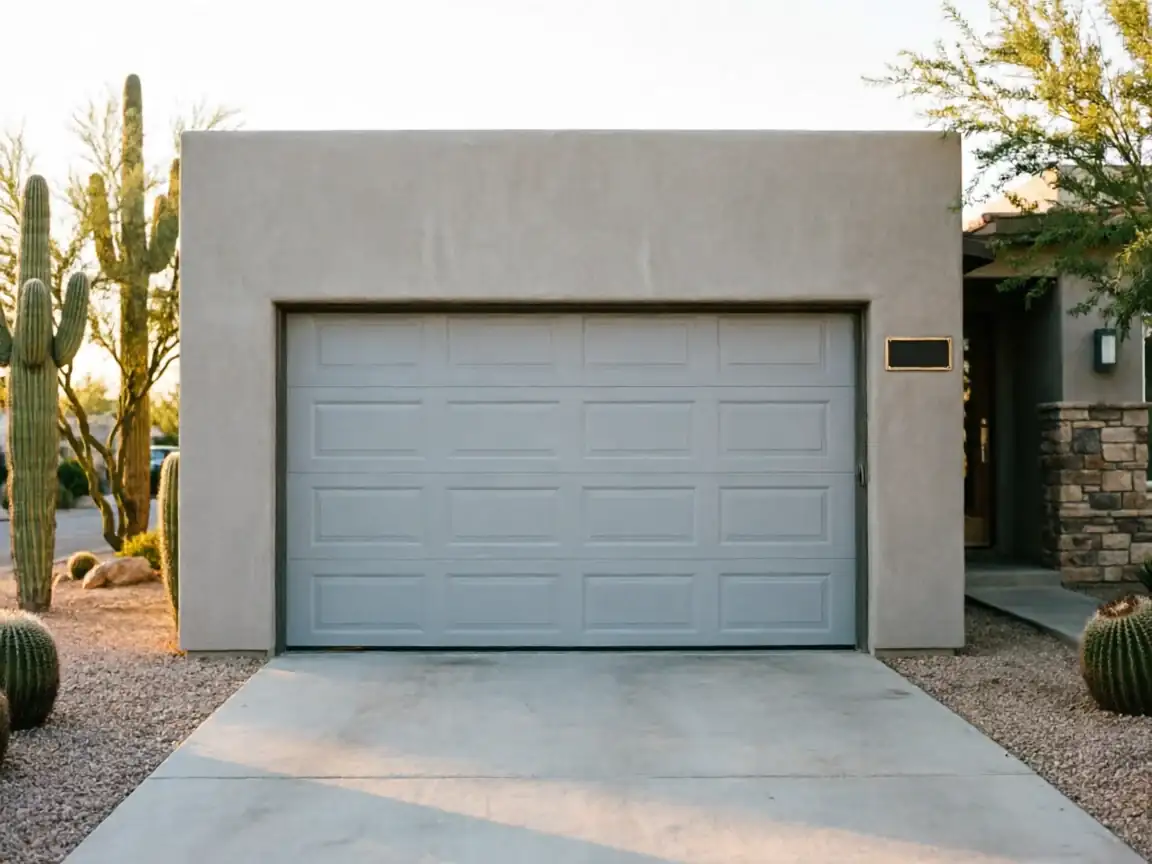
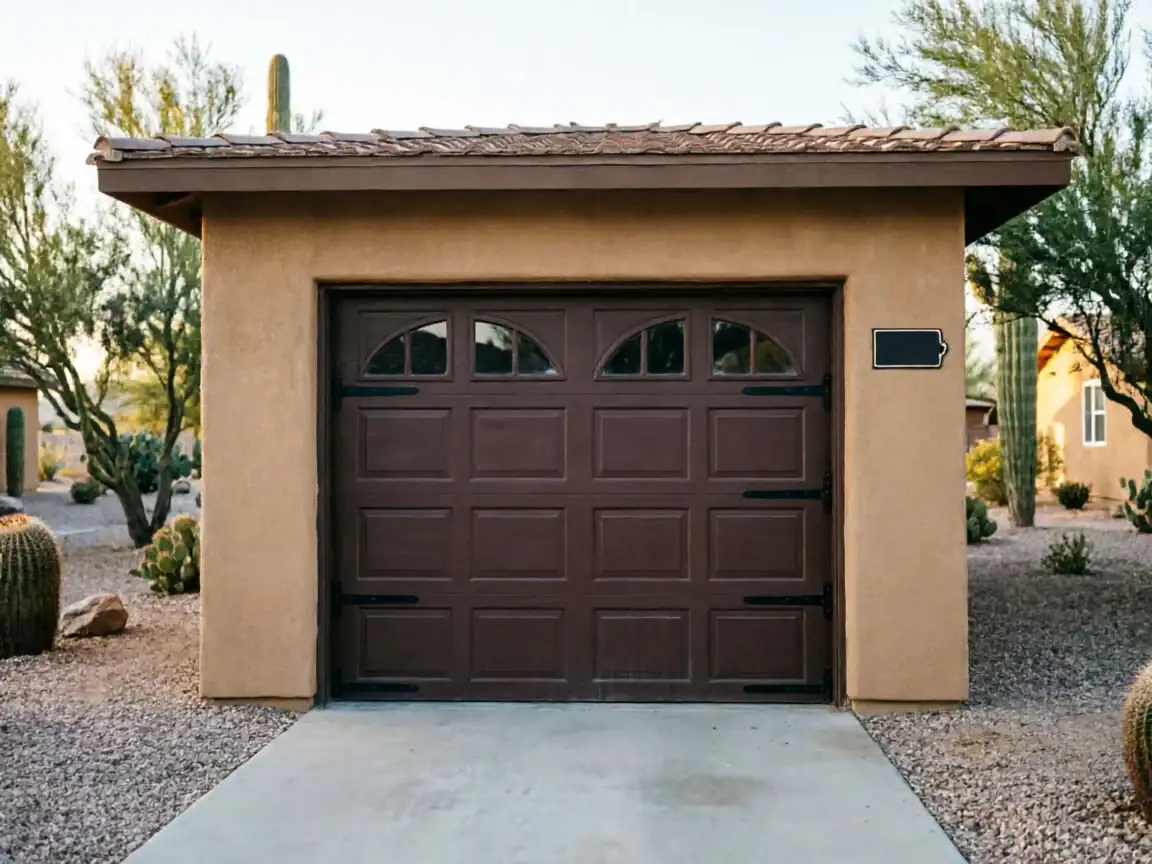
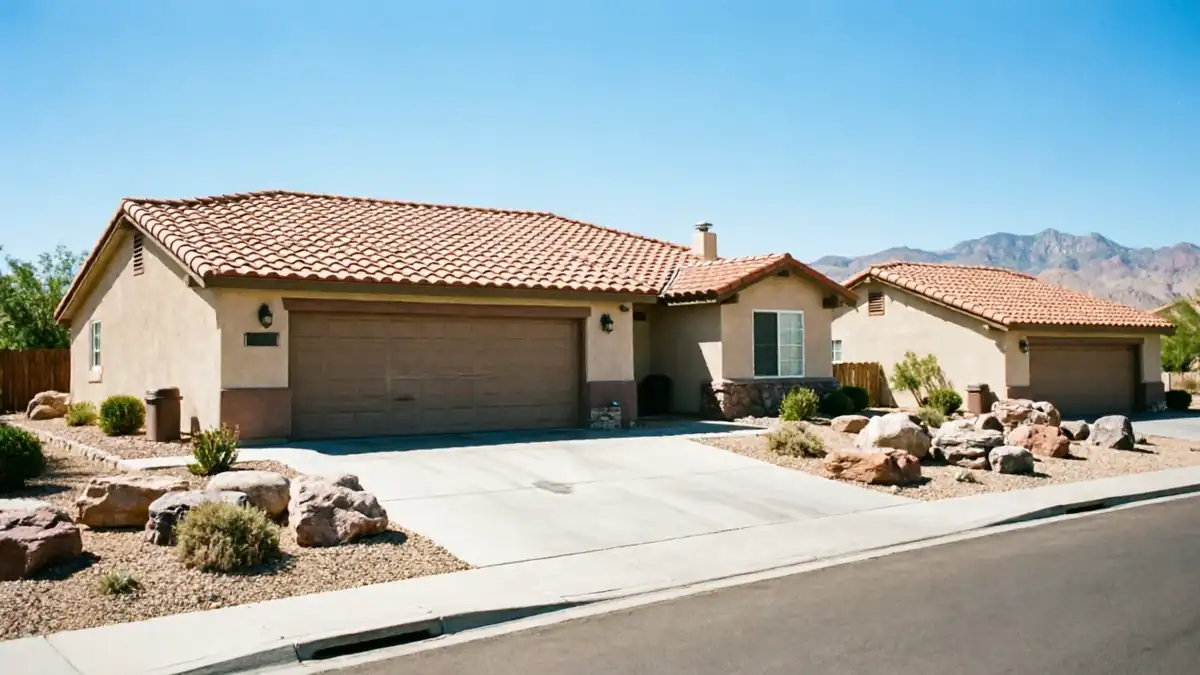
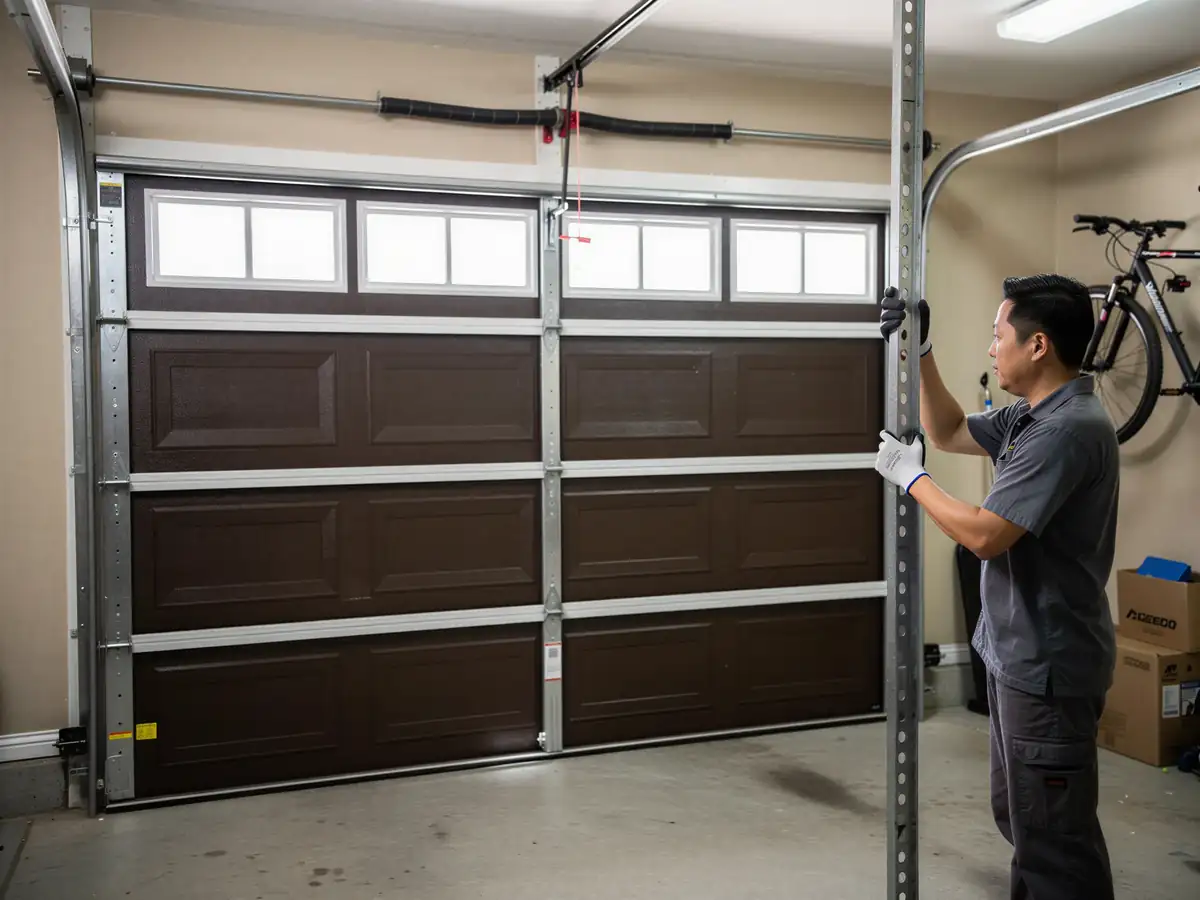
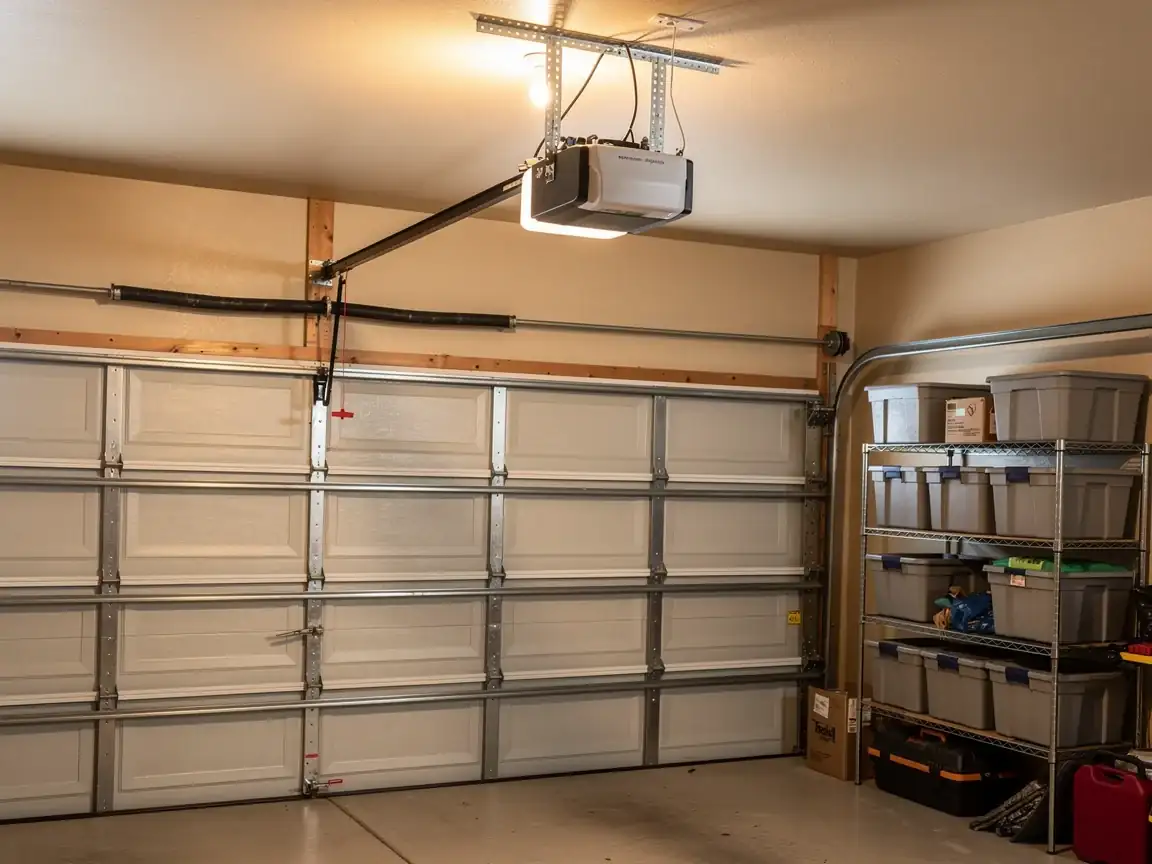
Avra Valley's housing stock centers on 1996, which puts most doors here squarely in the galvanized-steel, torsion-spring era - a step newer than the older one-piece doors you find closer to Marana's core, but old enough now that the original springs and rollers are past their rated cycle count. These are standard 16x7 or 8x7 sectional doors on extension or torsion hardware that was common builder-grade stuff in the mid-90s: fine steel, thin insulation, and openers that were often the first chain-drive unit the house ever had. Thirty years in, that means failing springs, worn nylon rollers, and opener logic boards that finally give out - not the warped wood panels or obsolete spring sizes you'd chase on a pre-1980 house. The parts are easier to source than older stock, which keeps repair bills more predictable here than on an older block.
What People Here Ring About
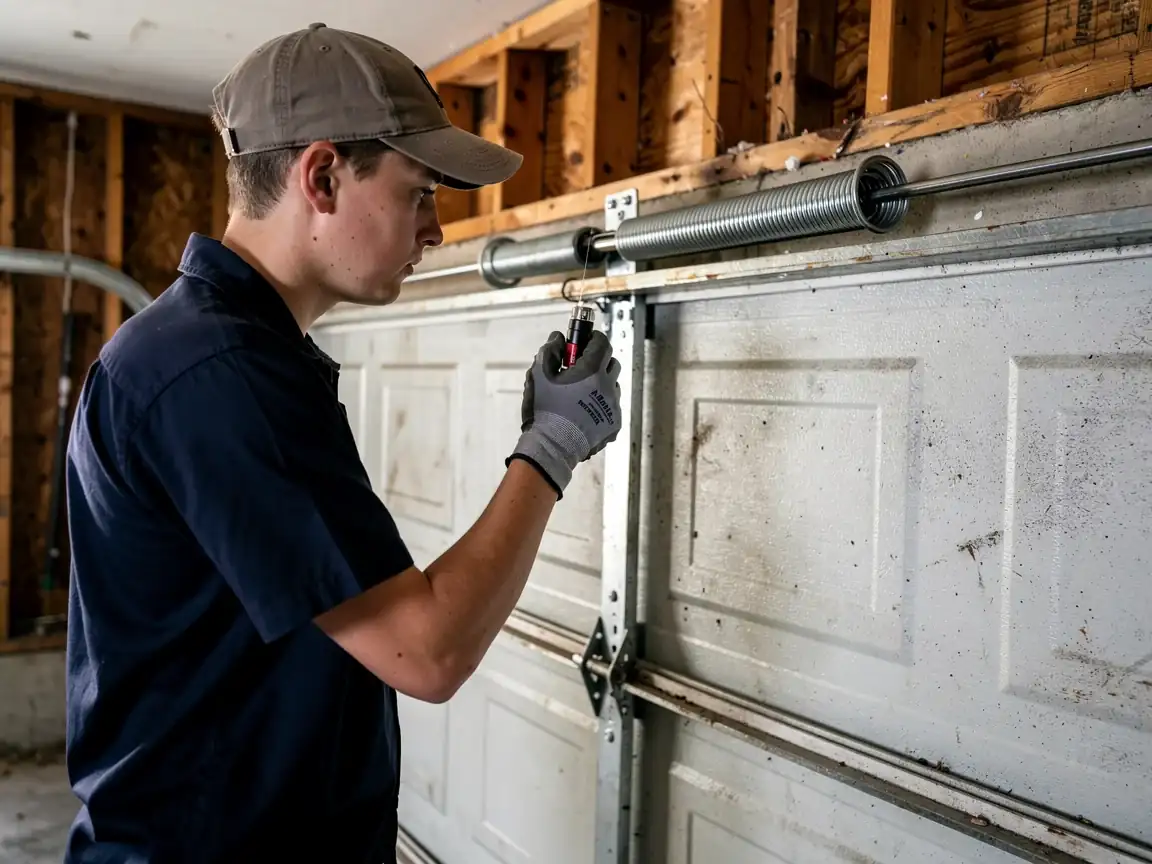
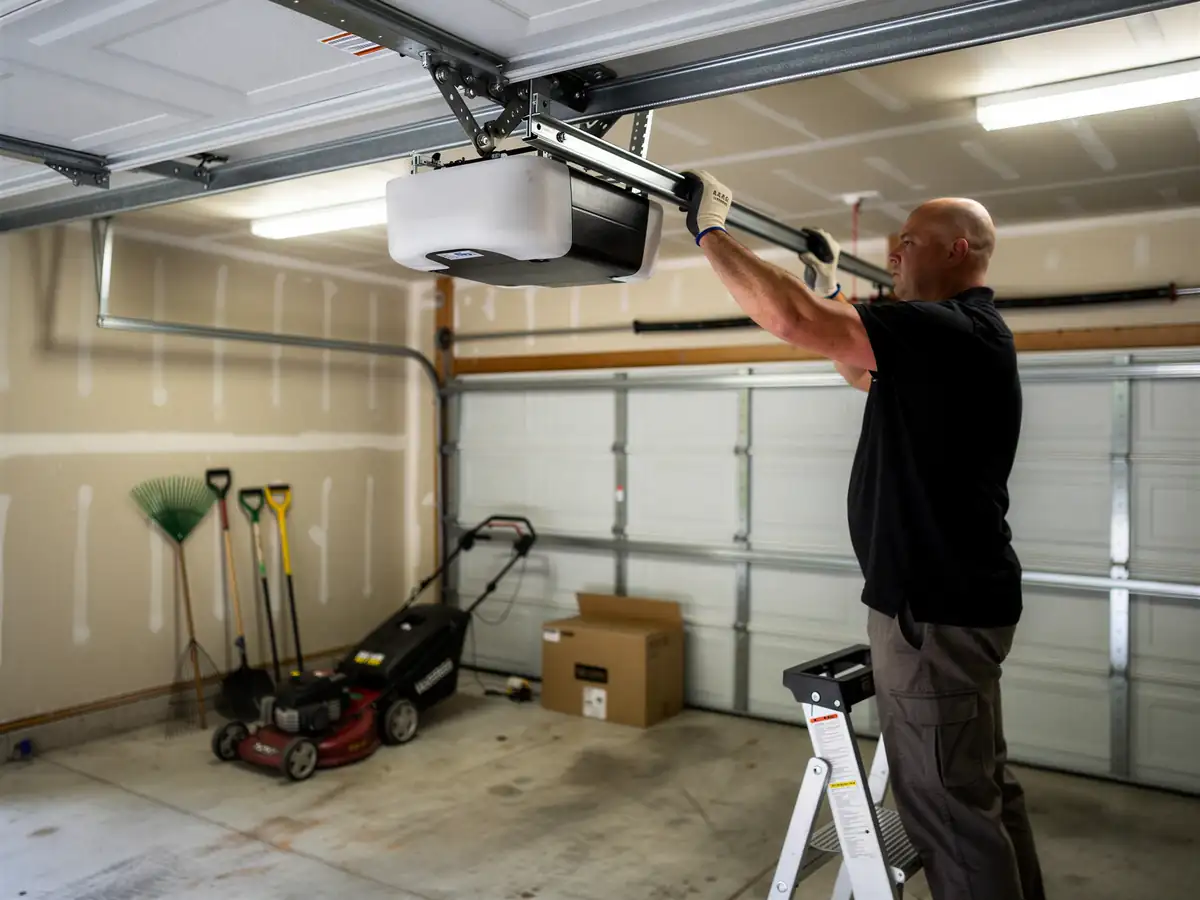
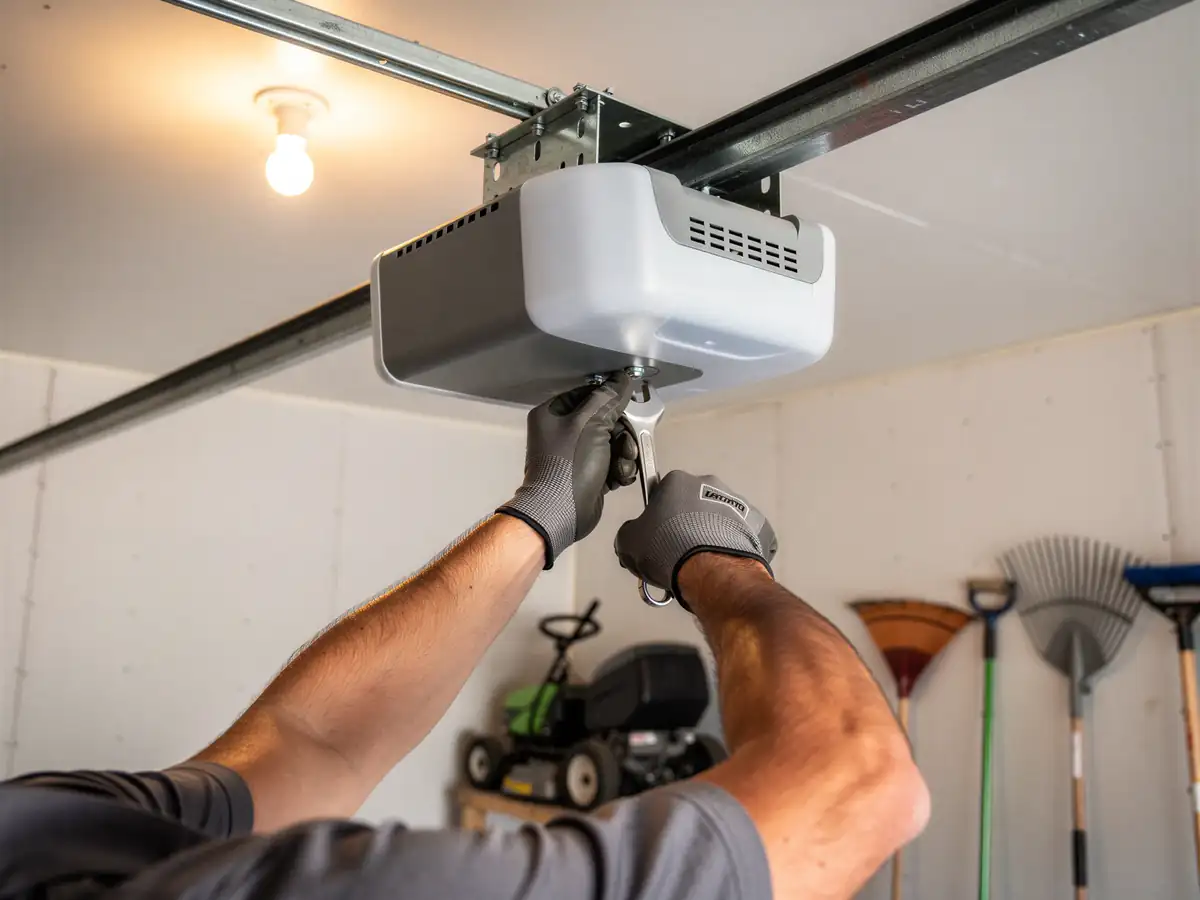
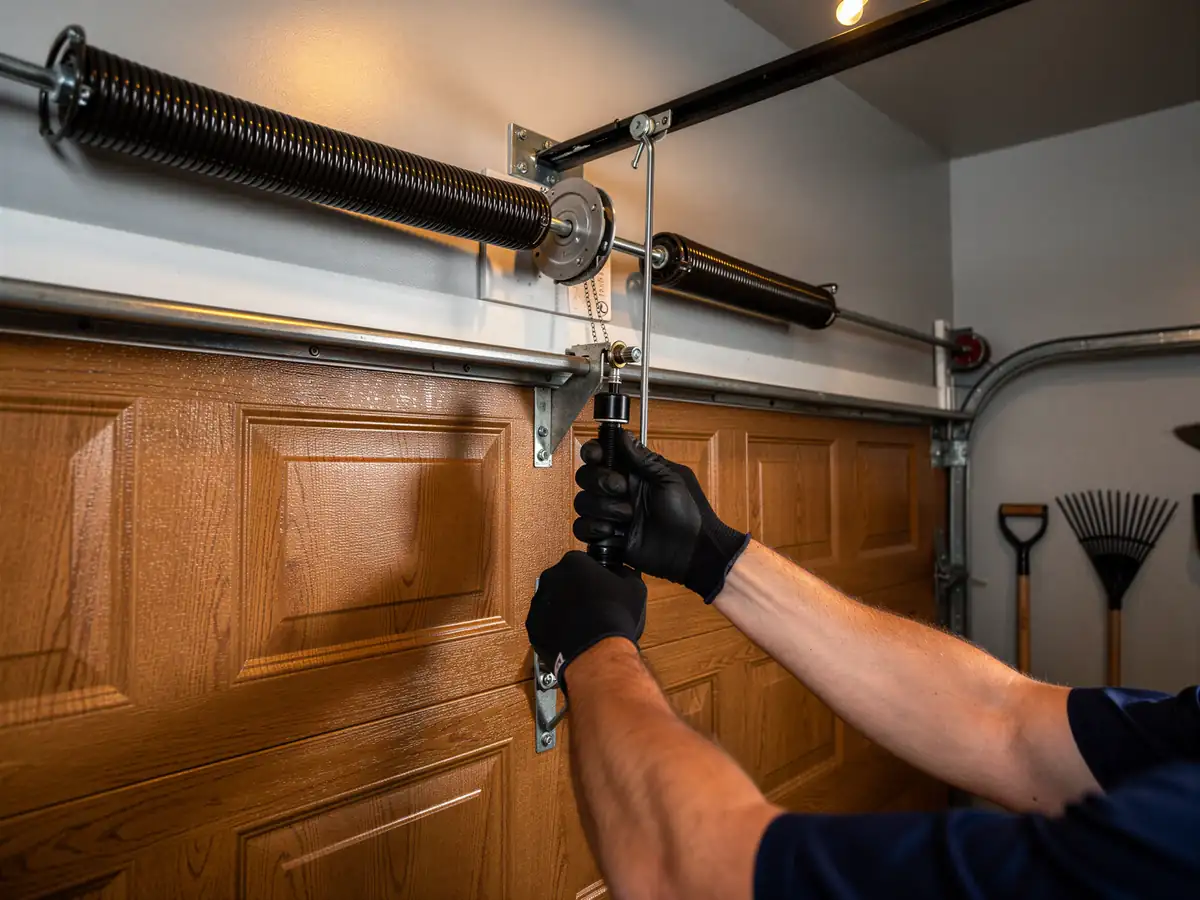
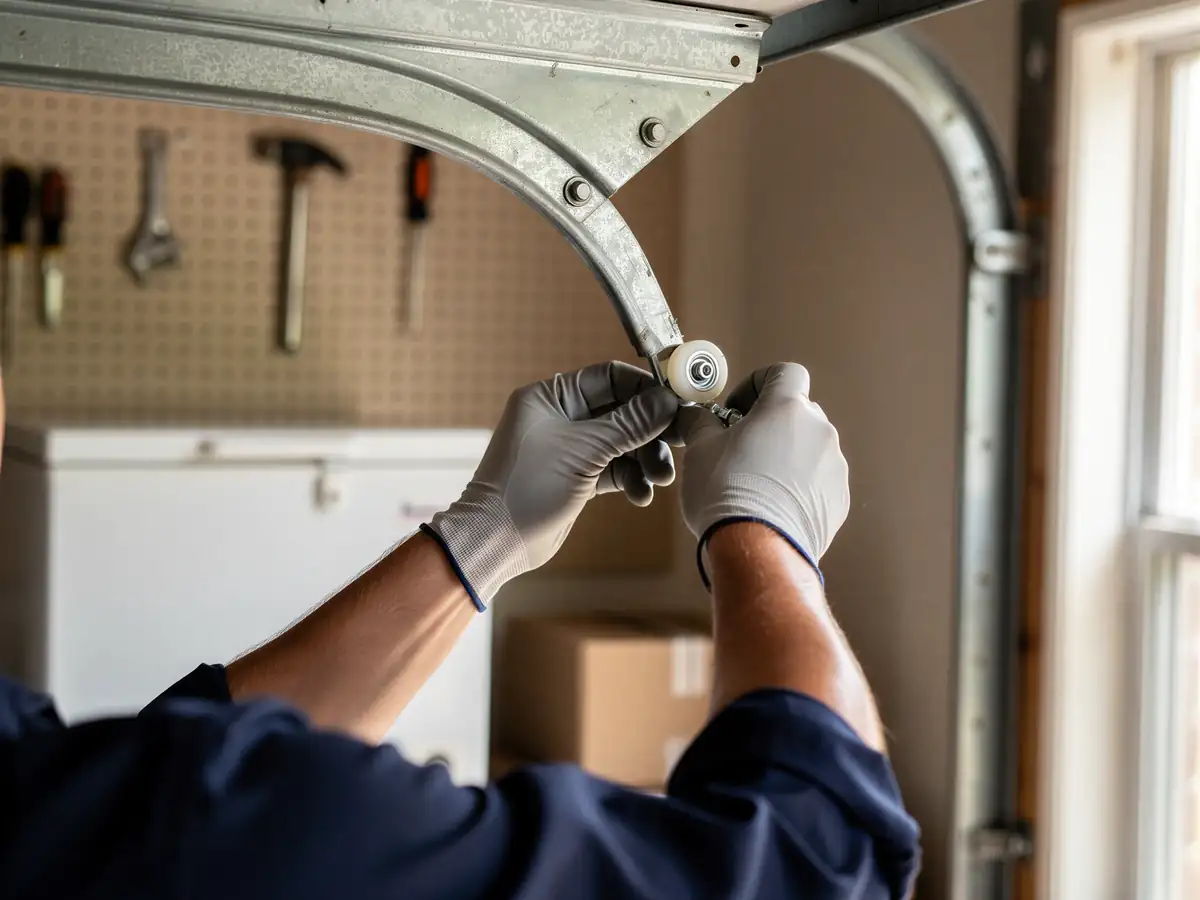
The call we get most from Avra Valley is a spring that's gone on a door from that same mid-90s build run - the torsion spring giving out after years of summer heat cycling the steel coil. This area sits in a severe-heat climate band, and repeated expansion and contraction on original 1990s-era springs and bearings is what we see fail first, more often than track damage or storm issues. Second most common: openers from that era finally quitting, either the motor or the logic board, since a 1996 house is old enough that the opener has likely been replaced once already or is overdue. We also get calls about rollers that have worn down enough to rattle the door in the track - a slow failure that's cheap to fix early and expensive to ignore. One honest limit: if a spring has failed and taken the opener's drive gear with it, we're not going to patch the gear and call it done - replacing both is usually the right call, and we'll say so before we start.