When to Call Someone
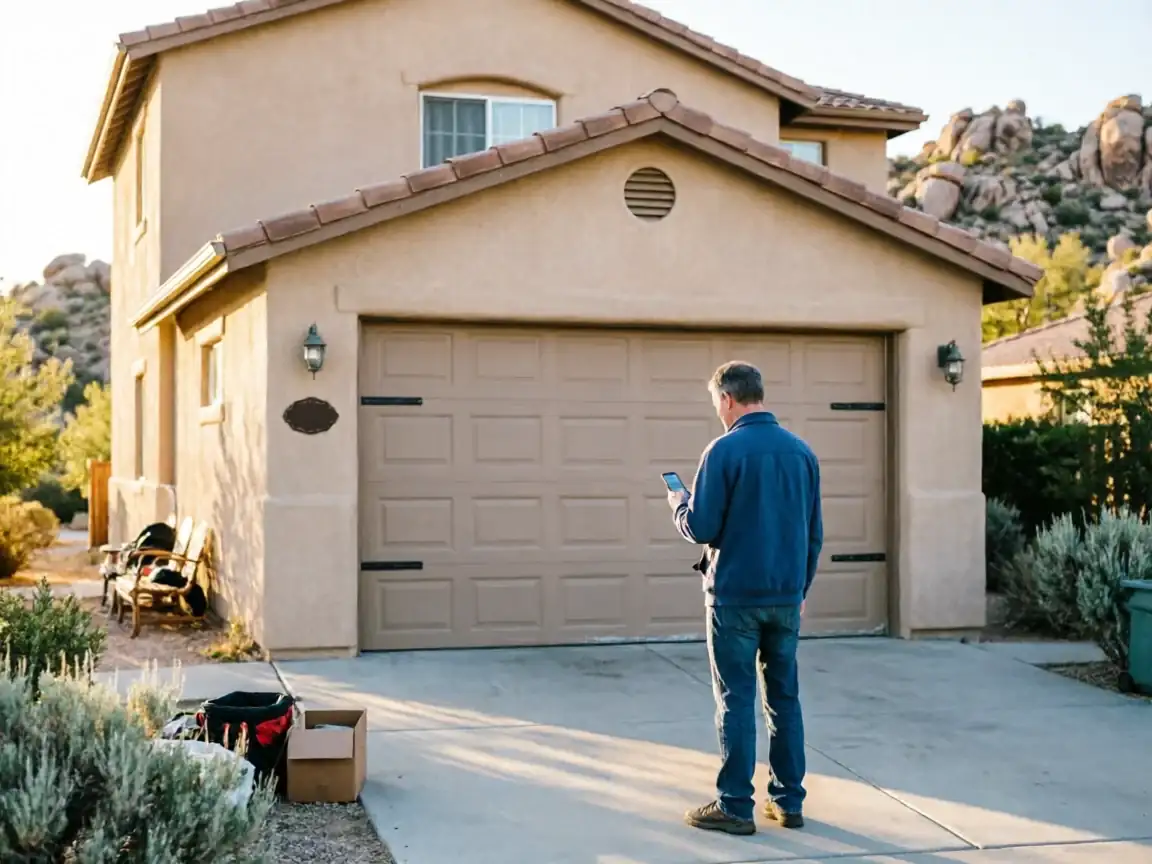
Most houses in this part of Marana went up between 1980 and 2007
With the bulk of that stock dated to the 1980s and 90s across the surrounding named areas. That matters because a door installed in 1995 is now thirty years into a lifespan where torsion springs are rated for maybe 10,000 cycles - roughly seven to ten years of normal use. If your door is original to the house, you're not looking at an if, you're looking at a when.
Call when the door is slow to open, when the opener strains and groans before it lifts
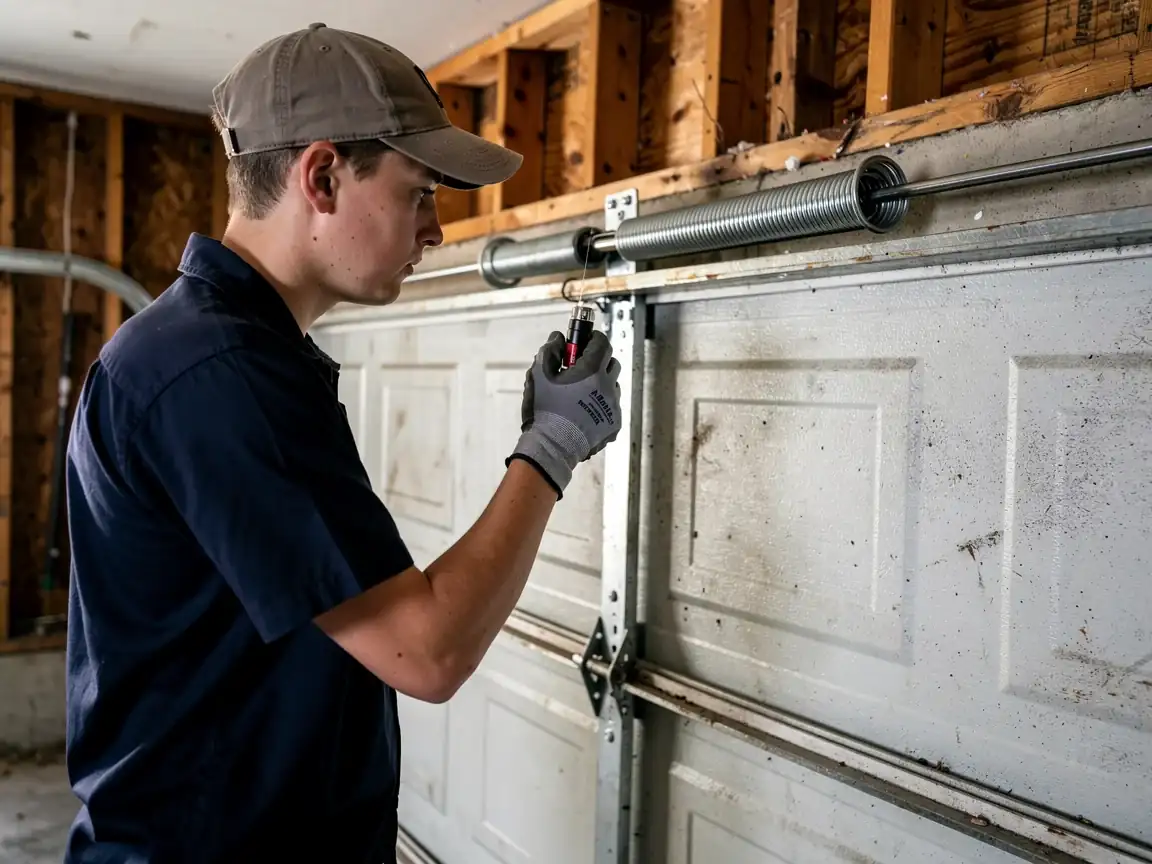
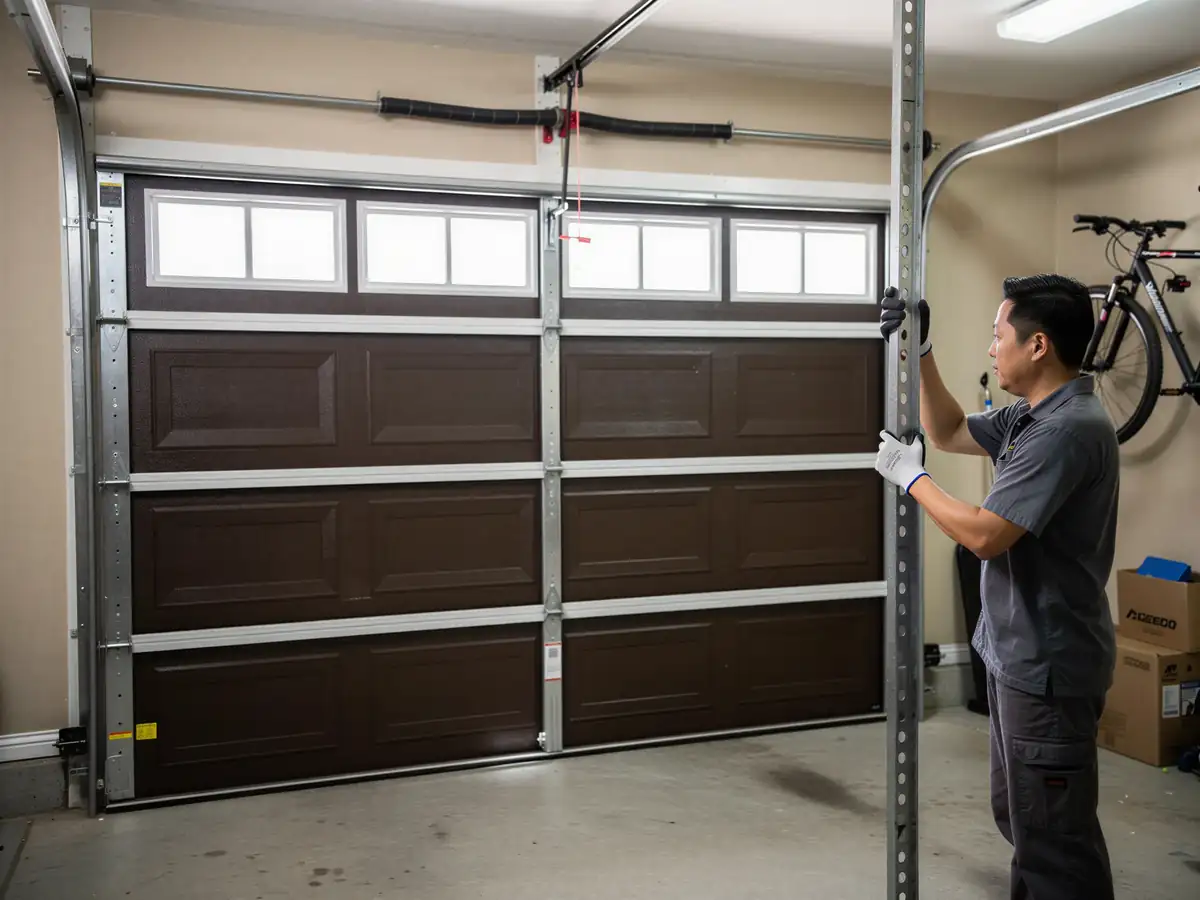
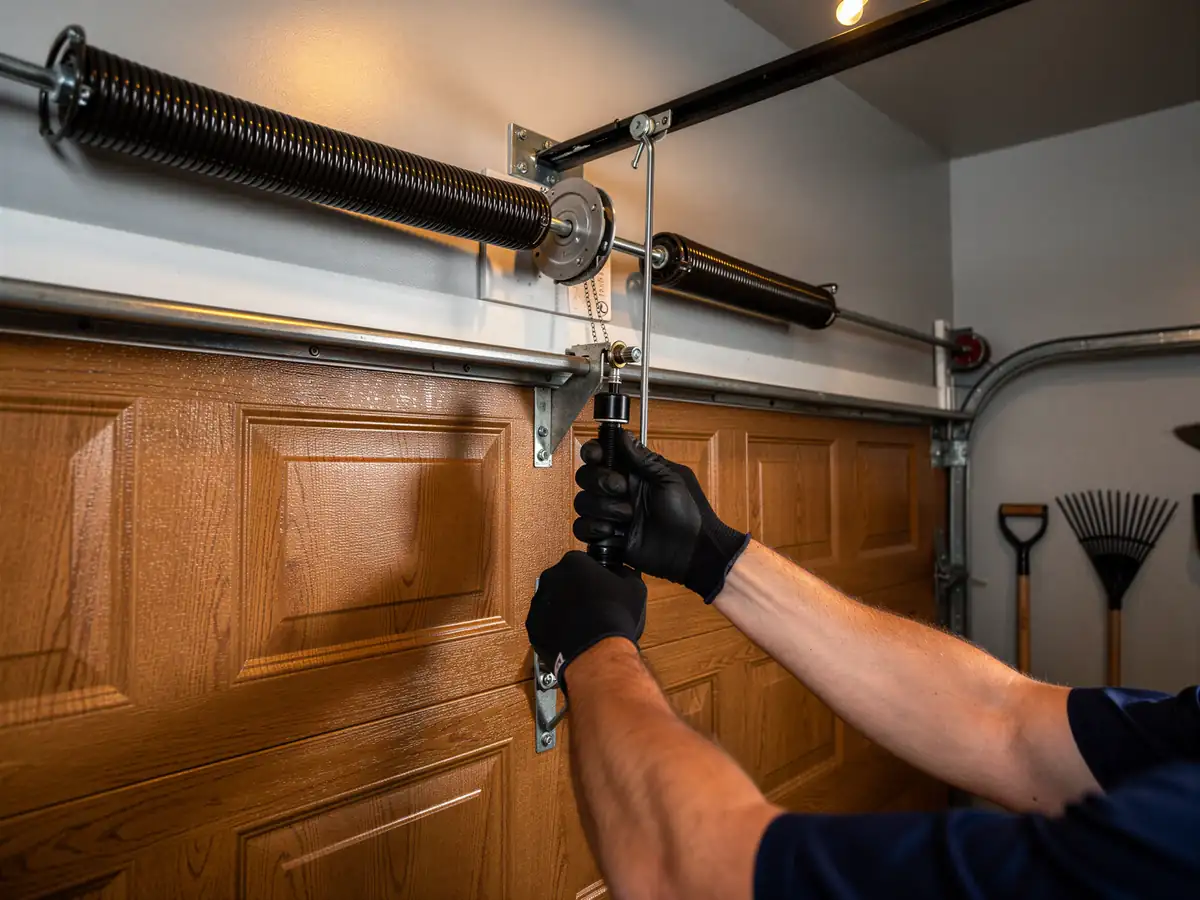
When you hear a bang from the spring area, or when one side of the door looks lower than the other at rest. Those are mechanical symptoms, not cosmetic ones, and they get worse on their own schedule, not yours.
Don't call for a door that's merely noisy but moving true and level
That's usually a lubrication job you can do yourself with a can of garage door lube and twenty minutes. Save the service call for things that bind, sag, or stop.
What the Weather Here Does to It
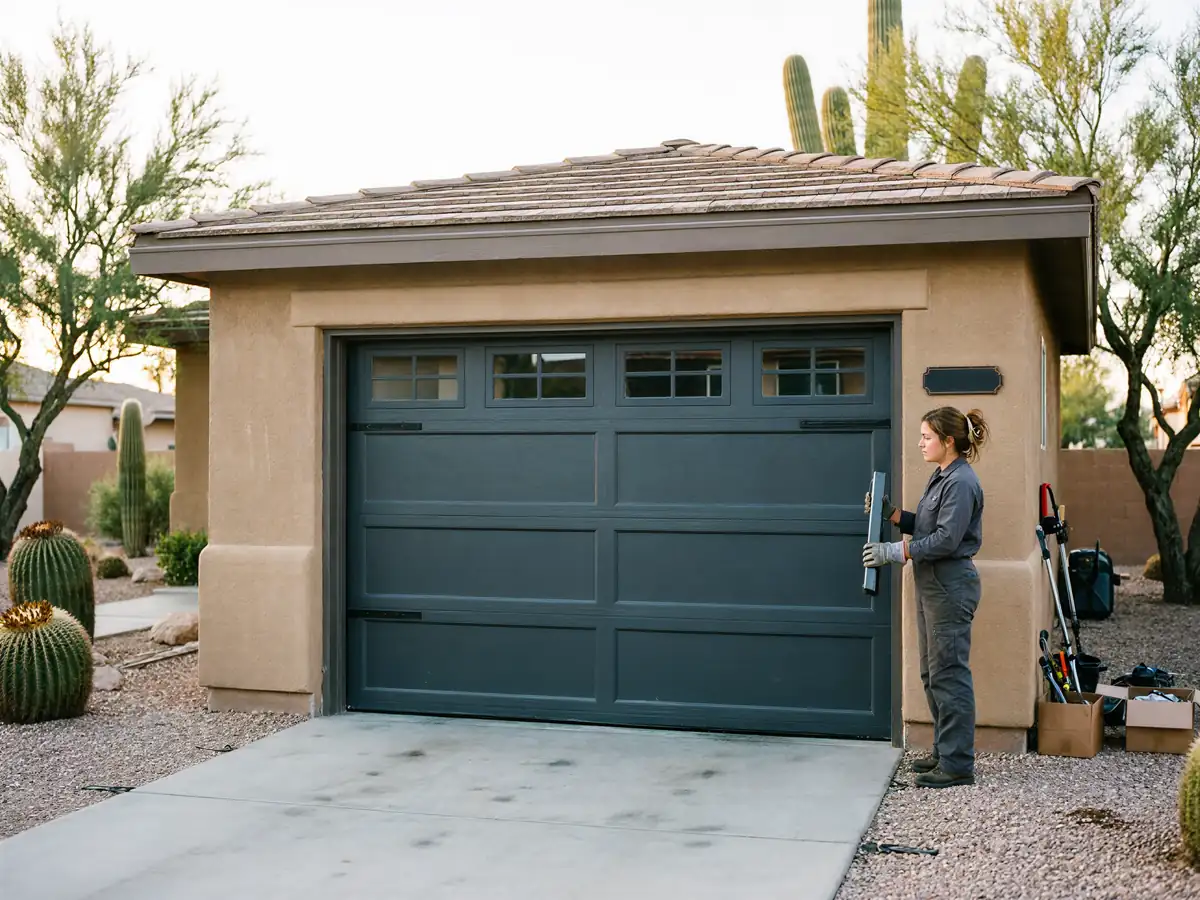
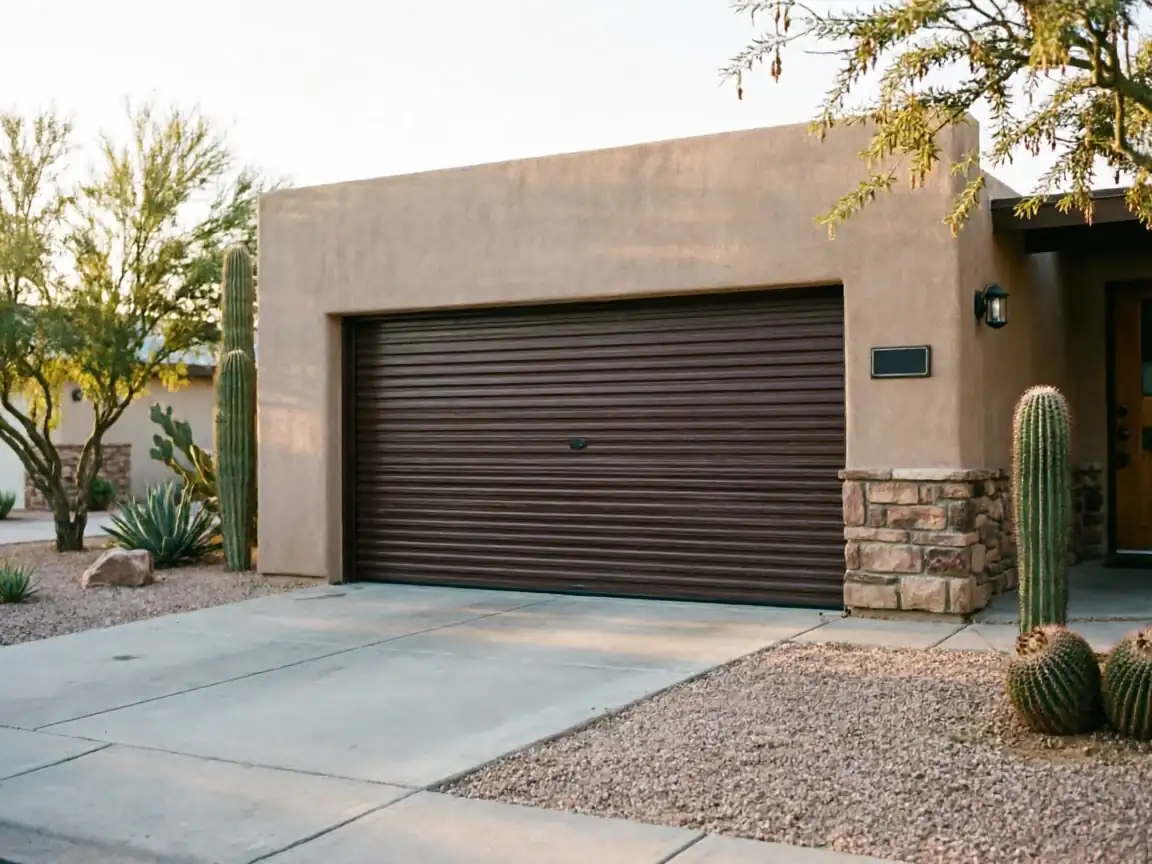
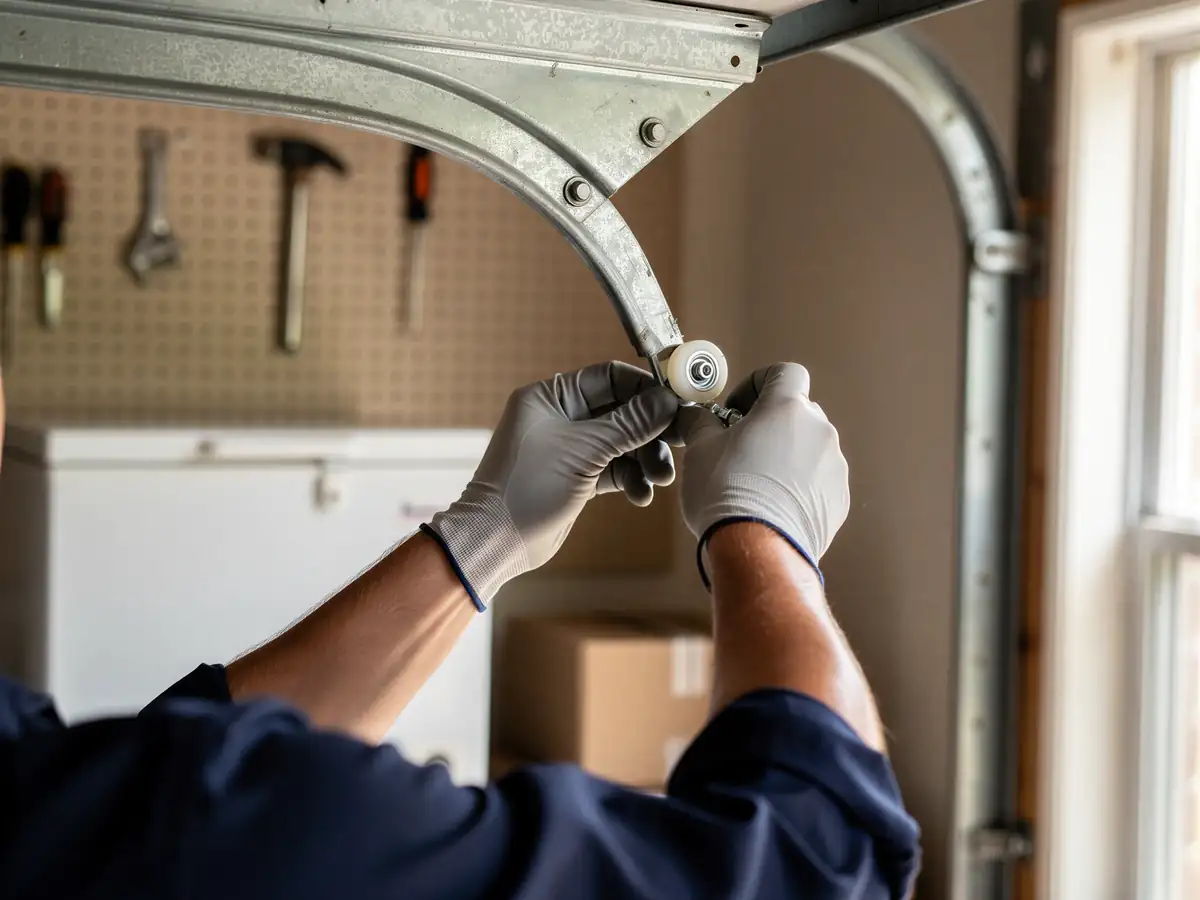
This area sits in a severe heat climate band, and that heat works on a garage door in ways owners don't expect. Steel panels expand during the day and contract overnight, and on a door built in the 80s or 90s with original hardware, that daily cycle works screws and brackets loose over decades. Nylon rollers get brittle and crack. Lubricant that would last a winter somewhere cooler cooks out of the springs and hinges in a summer.
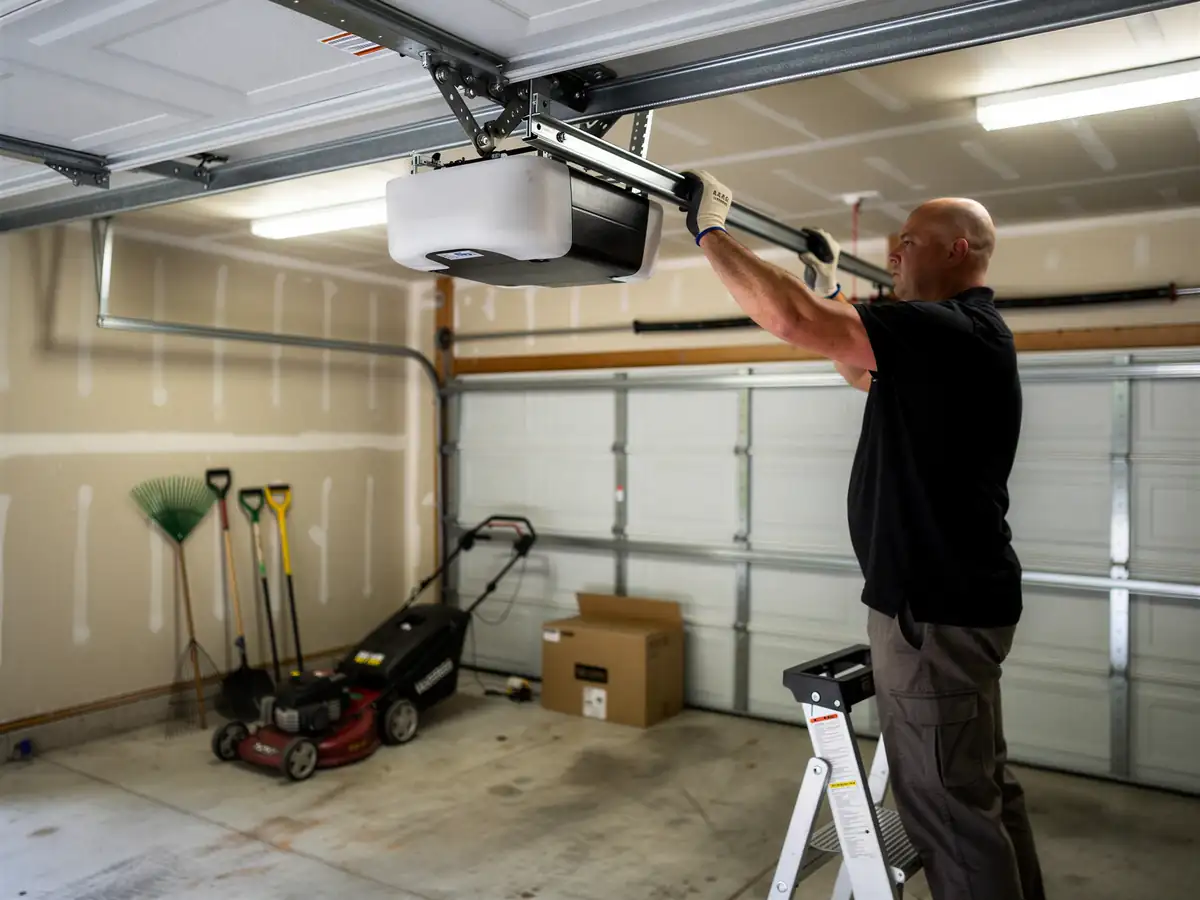
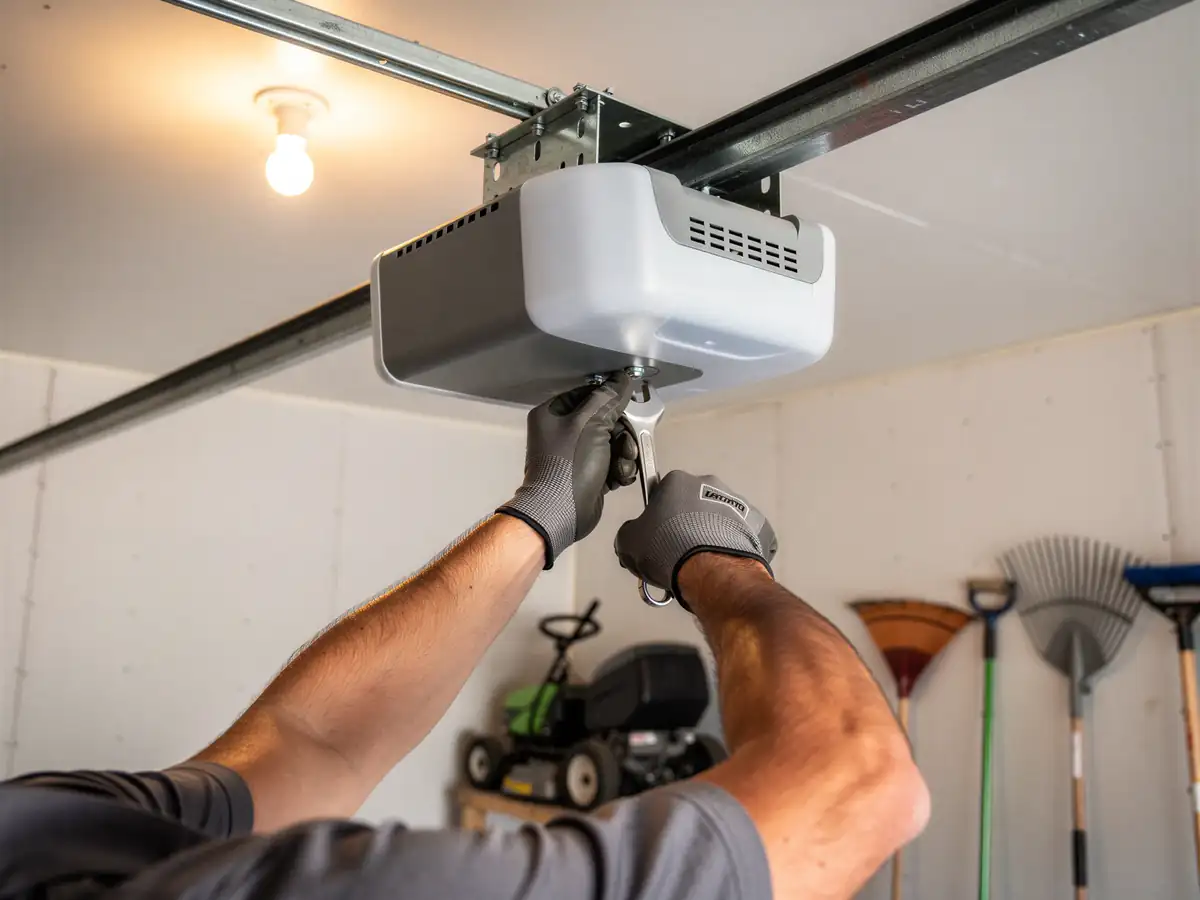
Opener logic boards and photo-eye sensors also take a beating. Heat-soaked garages routinely hit temperatures that stress the plastic housings and solder joints on anything mounted near the ceiling, which is exactly where the opener lives. We see openers from the 90s still running, but the capacitors and sensors inside are usually the first things to fail, long before the motor itself gives up.
A service call in this climate isn't just spring tension and balance. We check roller condition, hinge wear, and whether heat-cycling has pulled track brackets off true - all things that show up here more than they would in a milder climate.
Leaving It Alone
Here's the honest limit: not every door is worth fixing. If your house was built in the mid-1990s - squarely in the median for this area - and the door and opener are both original, a service call to patch one failing part is often throwing money at a system where the next part is already close behind it. We'll tell you that straight rather than replace a spring on a door where the track and rollers are a year from needing the same visit again.
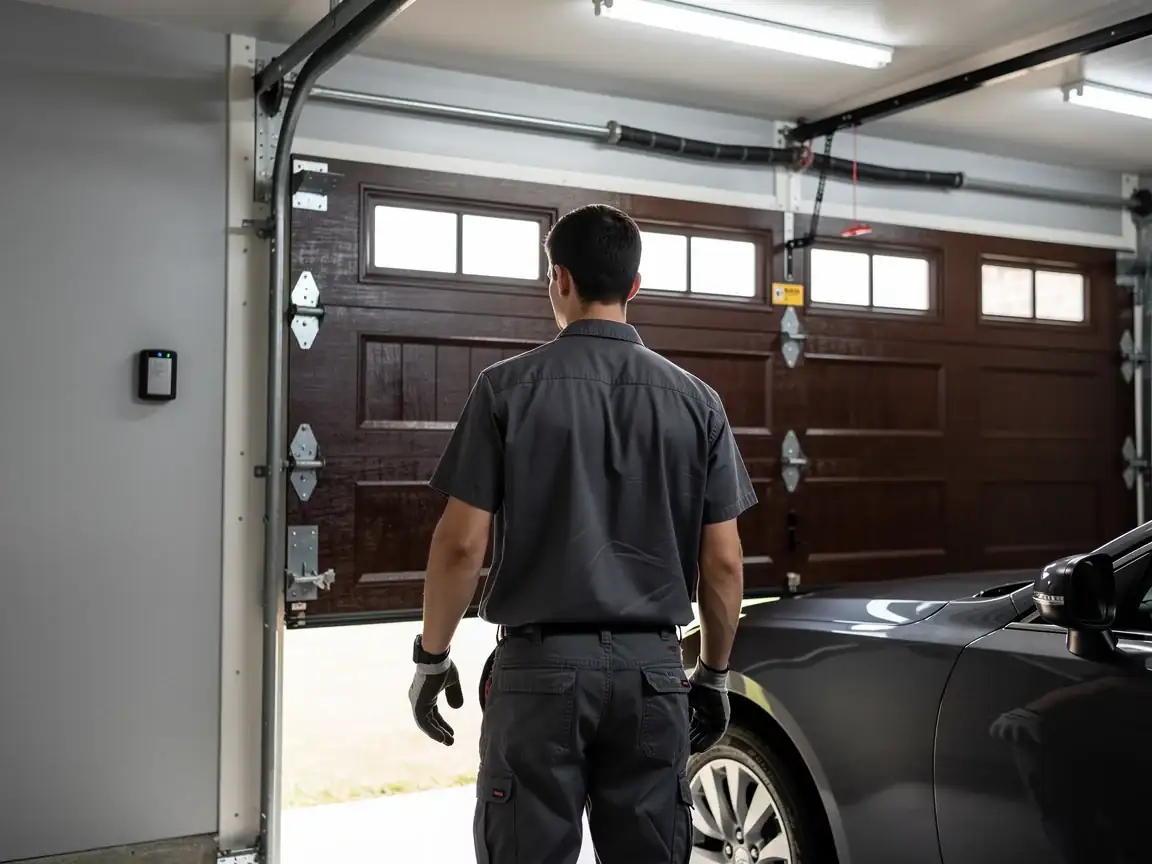
We also won't talk you into replacing a door that's sound just because it's old. If the panels are straight, the springs are within a few years of normal life, and the opener runs clean, there's nothing to sell you. A service call means we look at the whole system - springs, cables, rollers, track, opener - and tell you honestly what's failing now versus what's just aged but fine.
The tradeoff: parts for some of the older openers and torsion setups from this era take longer to source than parts for current production doors. If your door is original to a 1980s or 90s build, ask up front about lead time before you assume next-day.
The Problem
The core issue in this area isn't neglect, it's age plus heat
With housing stock concentrated in that 1980-2007 window and most of it dated to the 80s and 90s, a huge share of doors here are running original torsion springs, original rollers, and in a lot of cases the original opener motor. None of that is built to last thirty-plus years, and severe heat shortens the clock further by drying out lubrication and stressing plastic and rubber components faster than a temperate climate would.
A service call exists to find out exactly where you are on that clock
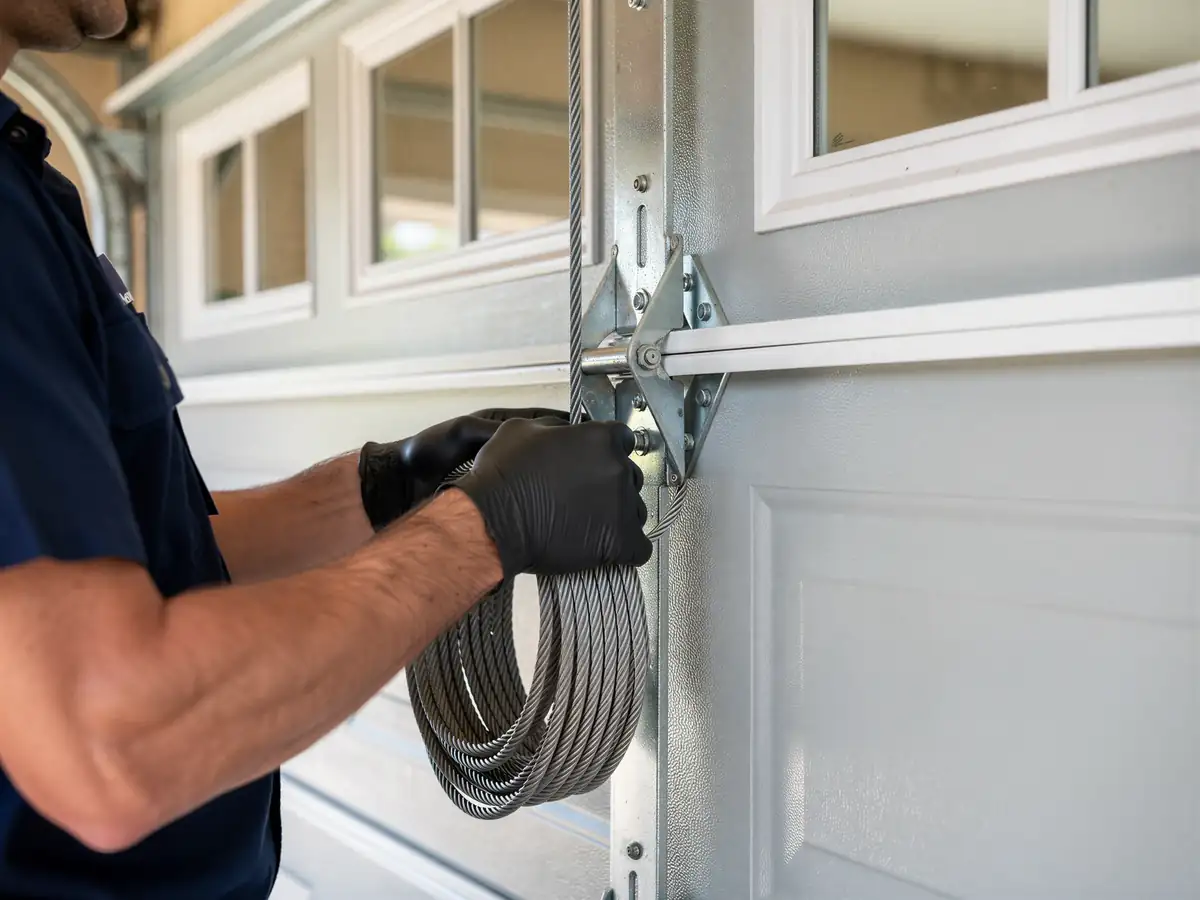
We check spring tension and balance, inspect cables and the drum, look at roller and hinge wear, test the opener's force settings and safety sensors, and check the track for the kind of bracket drift that heat-cycling causes over years. We write down what's marginal and what's failed, and we give you a straight answer on which is which.