Why This Fails Locally
Most houses in Marana went up between 1980 and 2007
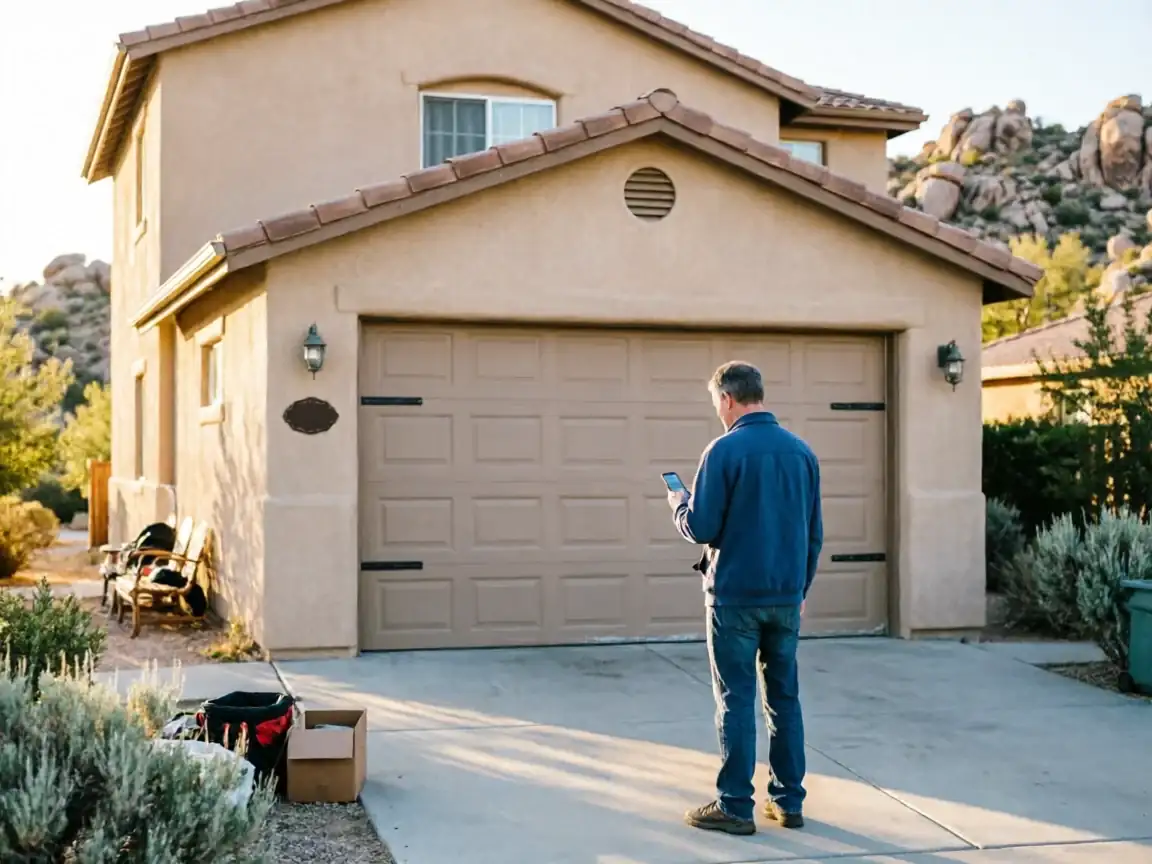
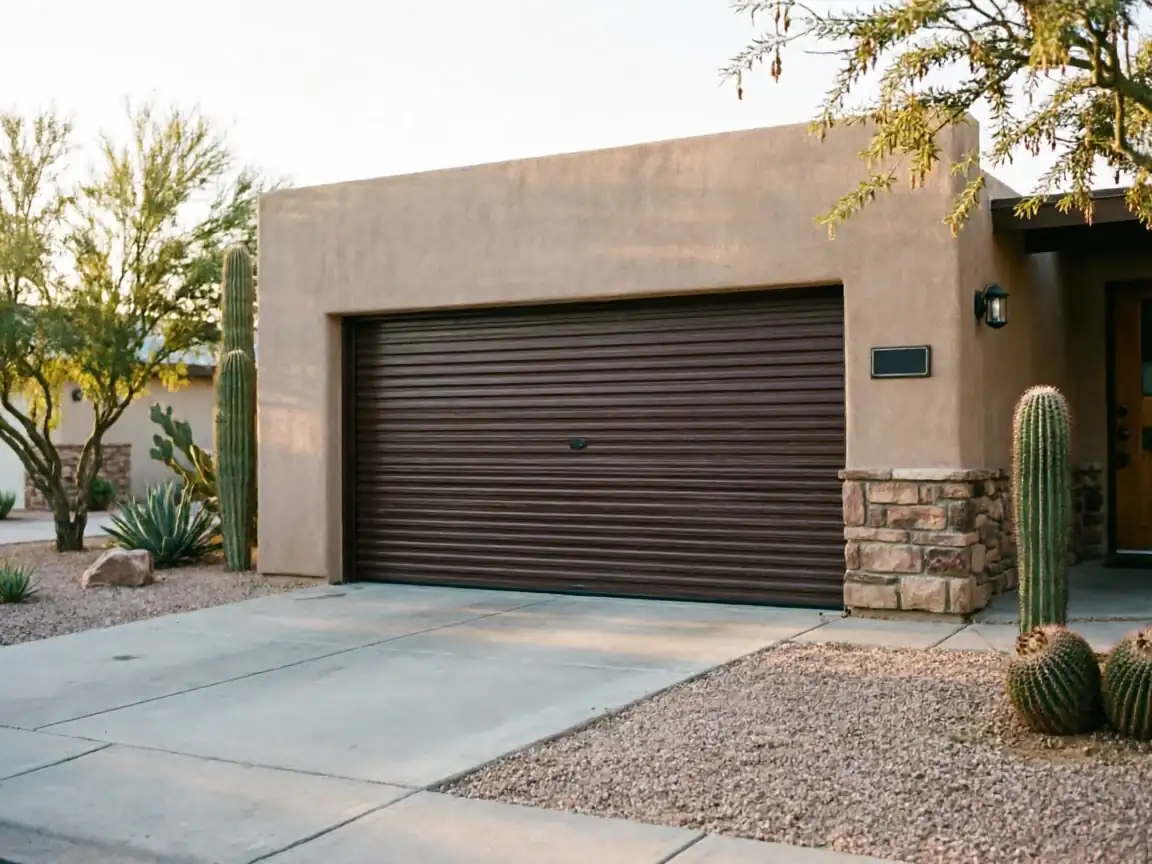
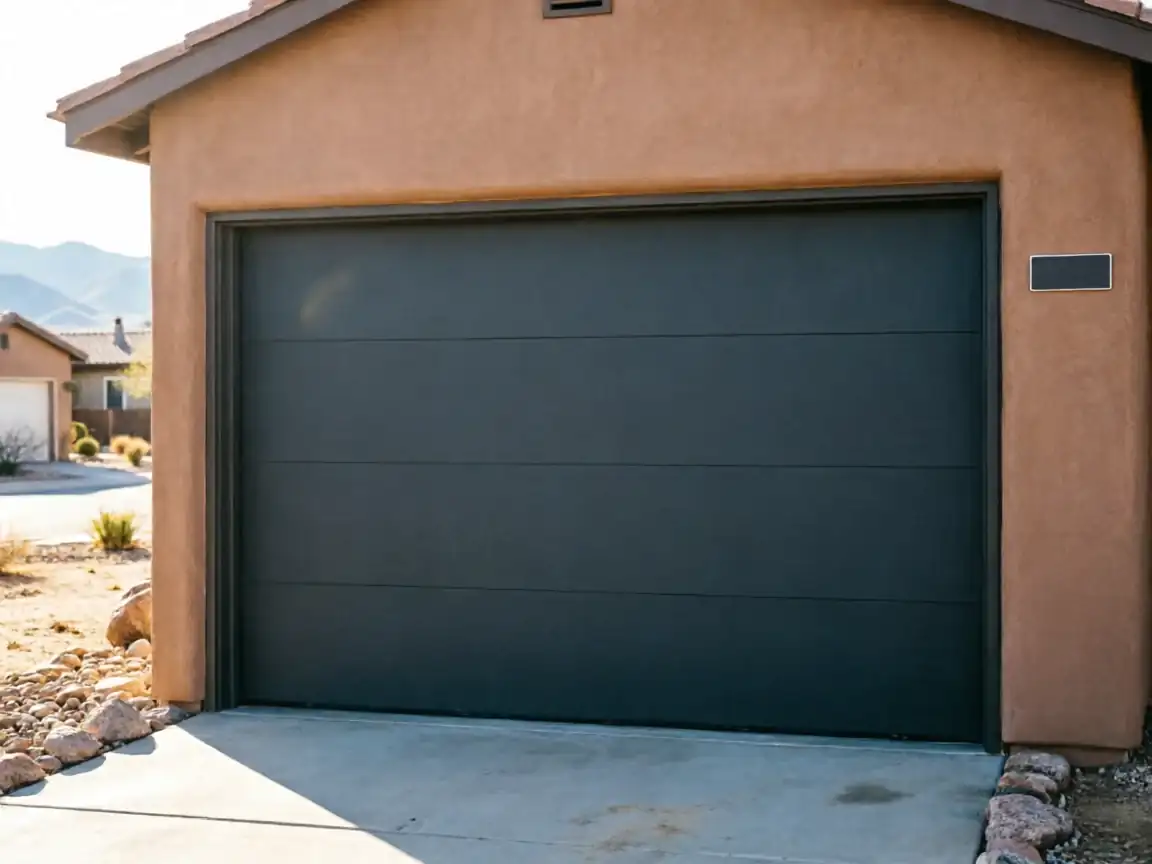
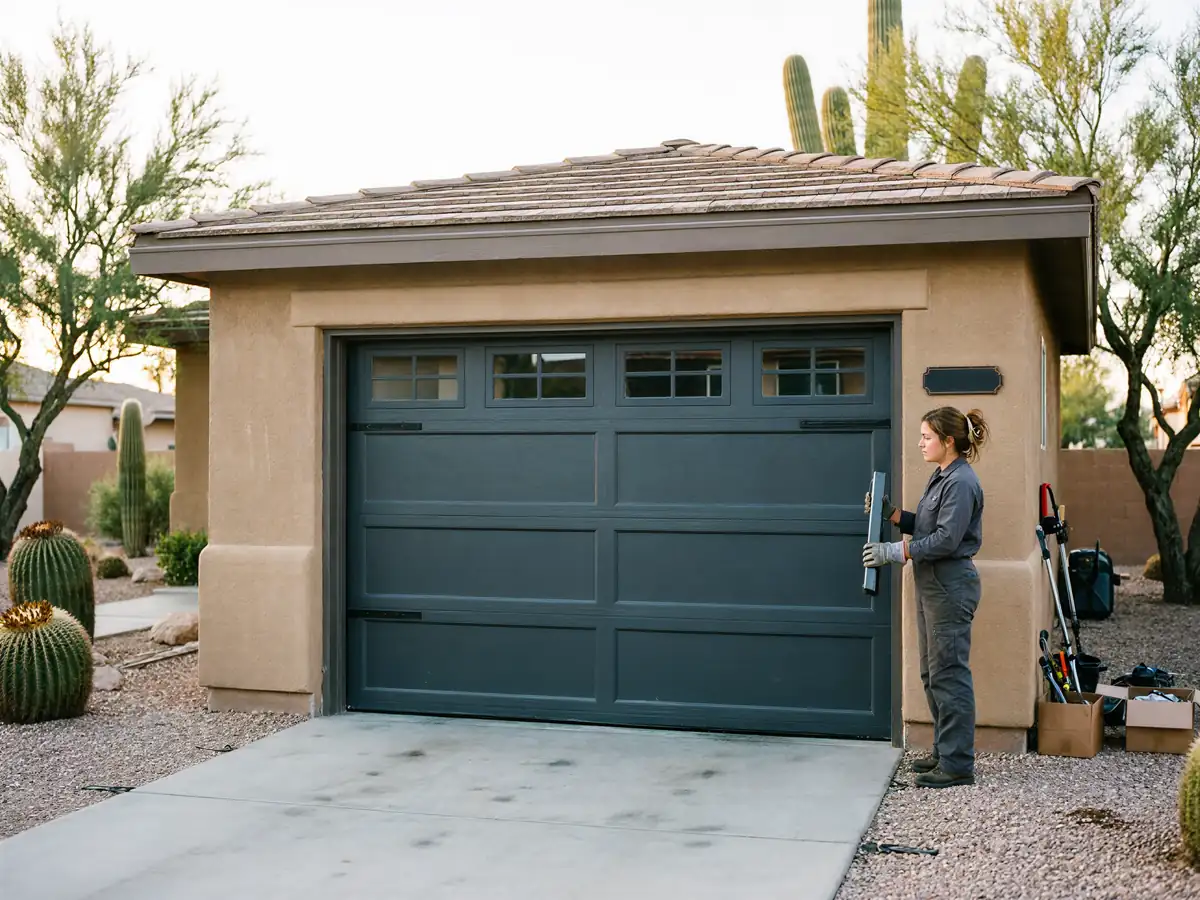
With the bulk of that stock clustered in the 1990s across the seven main residential areas here. That matters because builders in that window were installing lightweight steel doors and torsion springs sized for a normal suburban duty cycle, not for the kind of heat this valley sees every summer.
Marana sits in a severe heat climate band
And that heat does something specific to garage door hardware: it dries out lubricant on rollers and hinges faster, it expands and contracts steel panels daily, and it shortens the working life of spring steel that's already thirty-plus years old in a lot of these houses. A door that would run another decade in a mild climate is already showing stress cracks and sagging cables here.
So when a Marana homeowner calls about a door that won't open evenly
Or an opener that strains and stalls, it's rarely a random failure. It's a 1990s-built door and a 2000s opener meeting a climate that ages both faster than the manual ever accounted for. That's the actual reason installation calls cluster the way they do out here, not bad luck.
What You Are Seeing
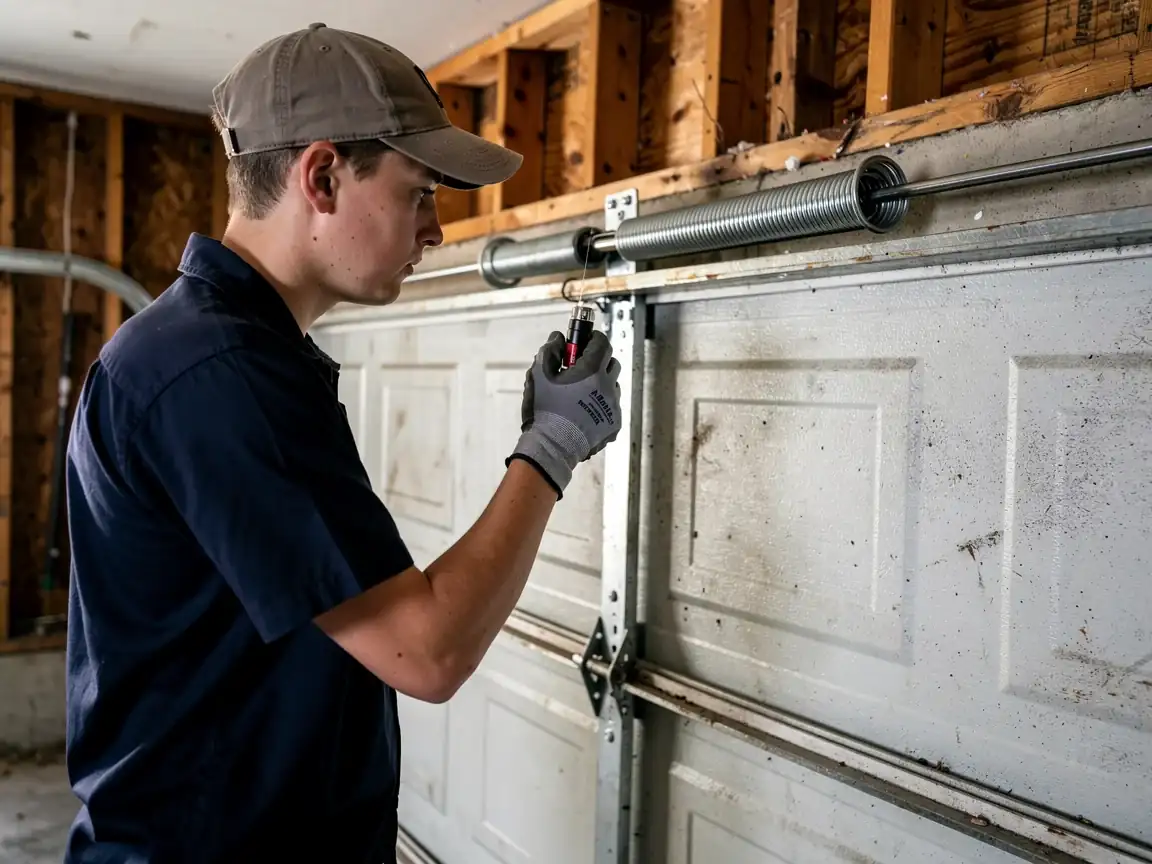
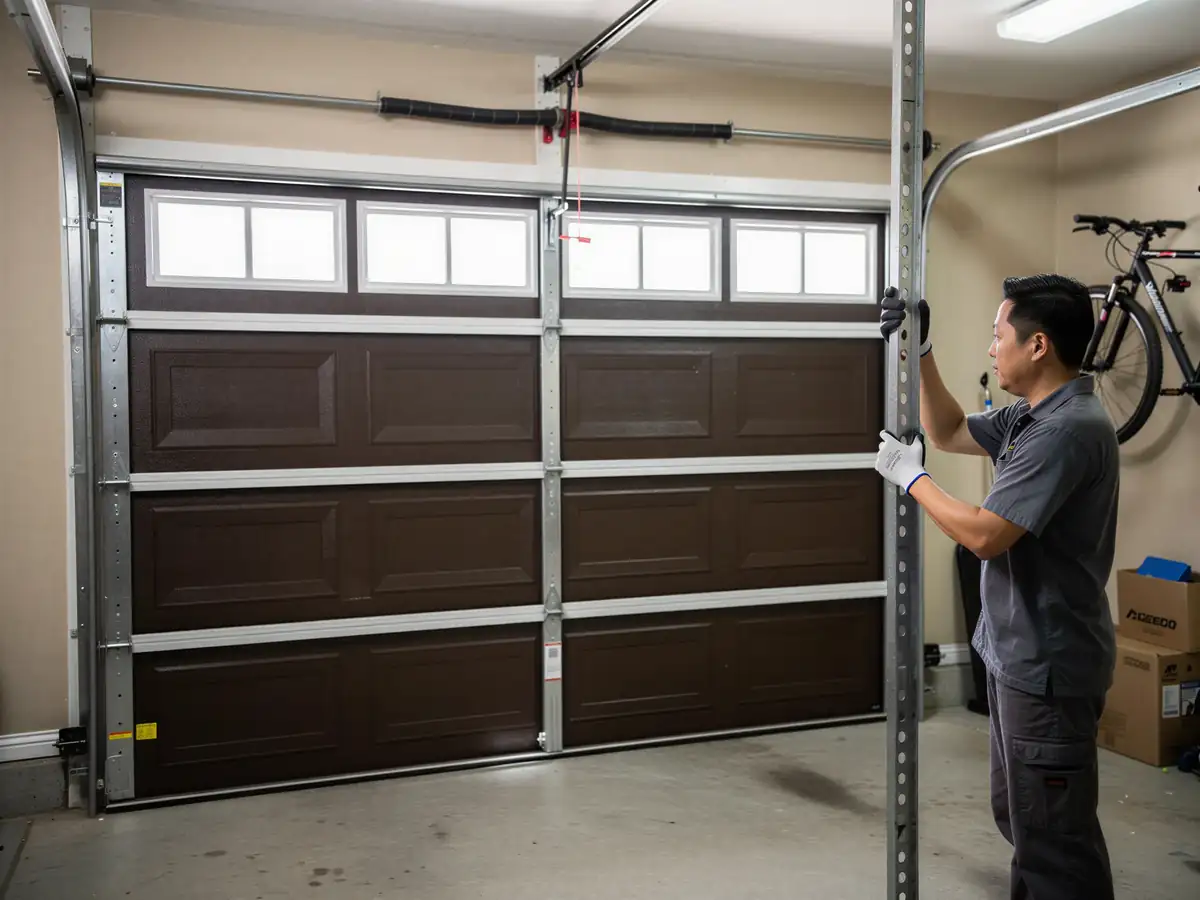
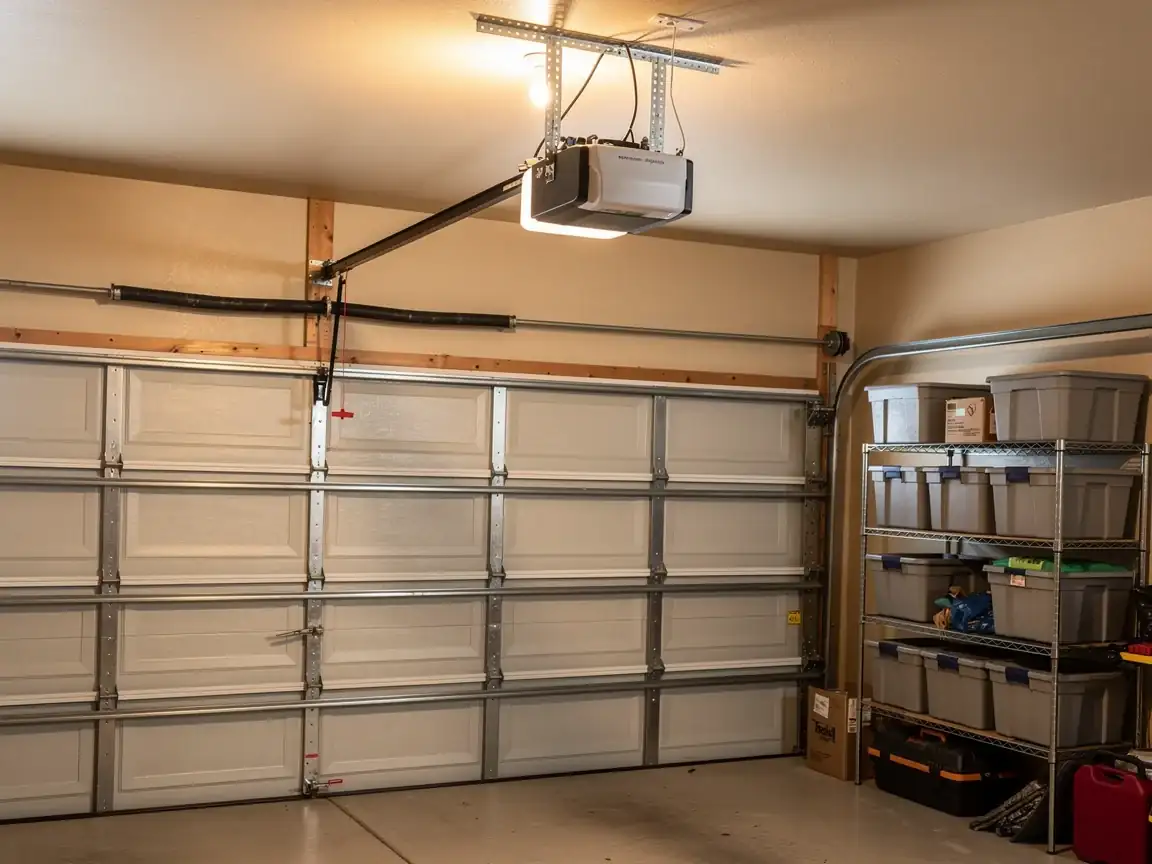
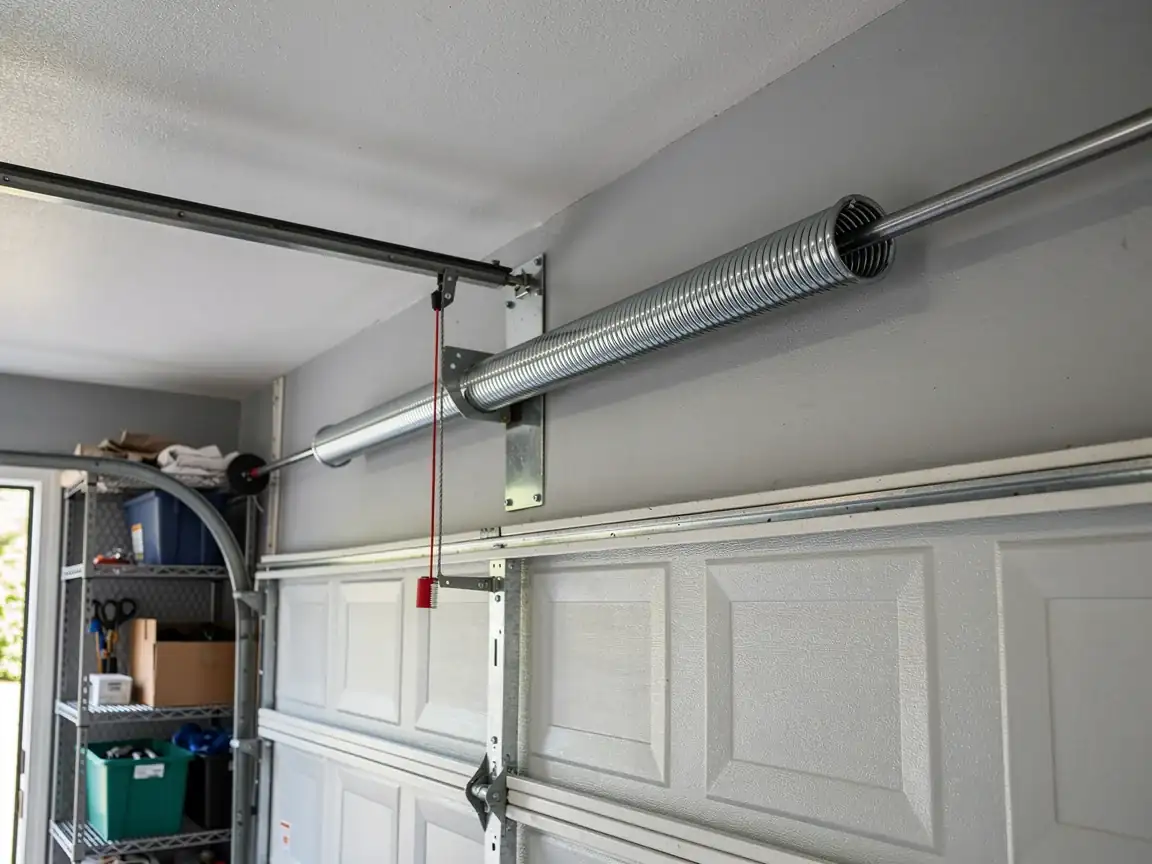
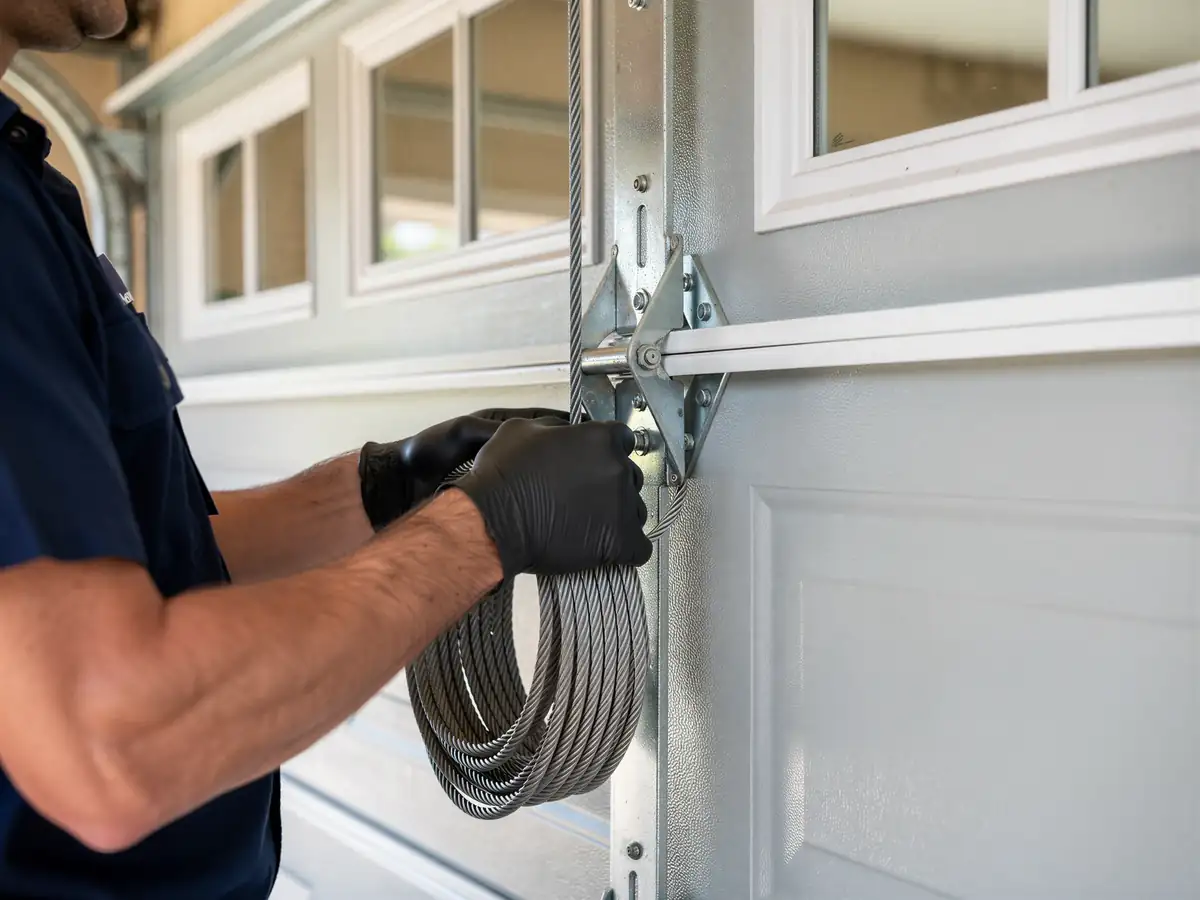
The most common call is a double door that drops unevenly on one side, which usually means a torsion spring has lost tension or snapped outright - common on houses from the 1980-2007 build window once the original spring hits the end of its rated cycles. You'll also hear openers grinding or straining on the last few inches of travel, which is heat-stressed gearing trying to lift a door that's gotten heavier as the panels warp slightly from daily expansion.
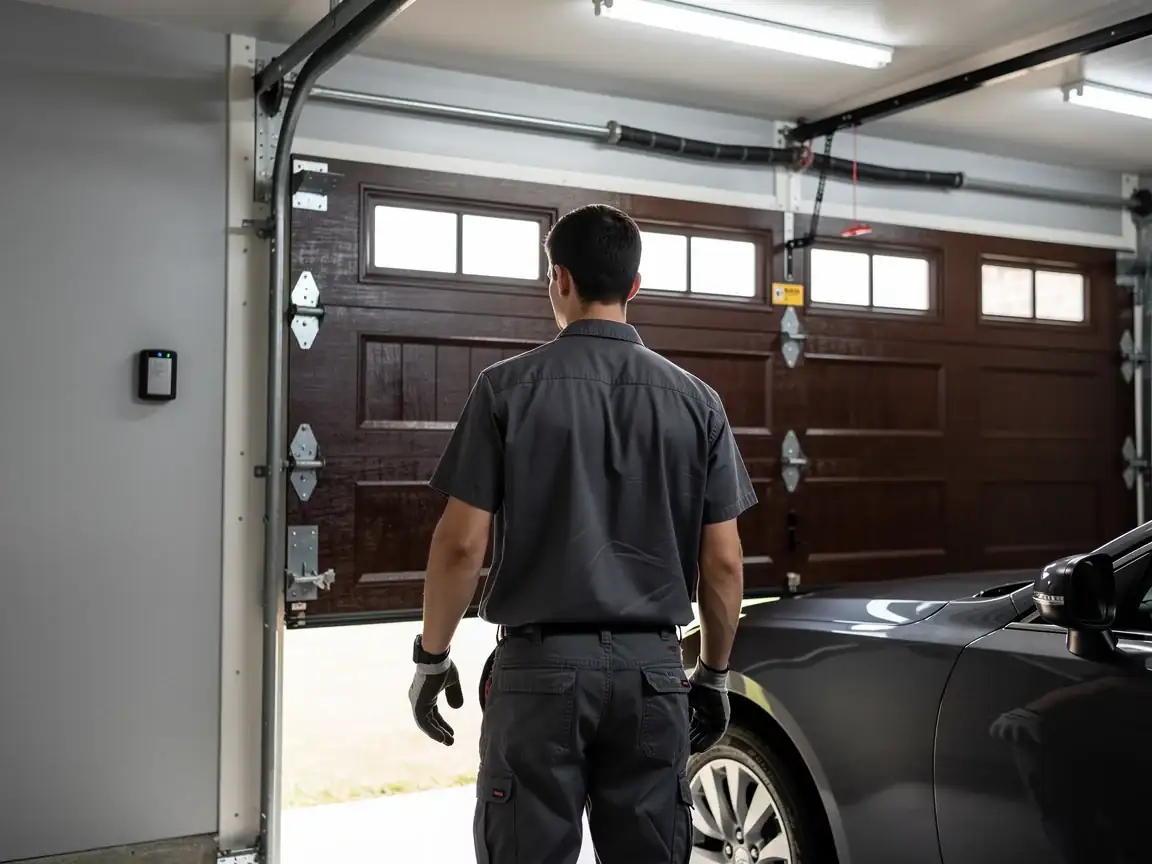
Another pattern: tracks that look fine but bind halfway up. On houses this age the vertical track brackets were often fastened directly to framing that's shifted a little over thirty-plus years, and summer heat cycling makes that shift more noticeable, not less.
If your door is original to a house built anywhere in that 1980-2007 range, and you're hearing new noise or seeing new sag, you're not dealing with a one-off part failure. You're dealing with original-era hardware finally running out of road under a climate load it wasn't built to carry this long.
What You Pay
We don't have a posted price list to quote you here, and giving you a number without seeing the door and opener in person wouldn't be honest. What does change the number: whether you're replacing just the door, just the opener, or both; whether the existing track and springs are salvageable or need to go too; and whether the opening is a standard single or a double door, which takes a heavier spring setup.
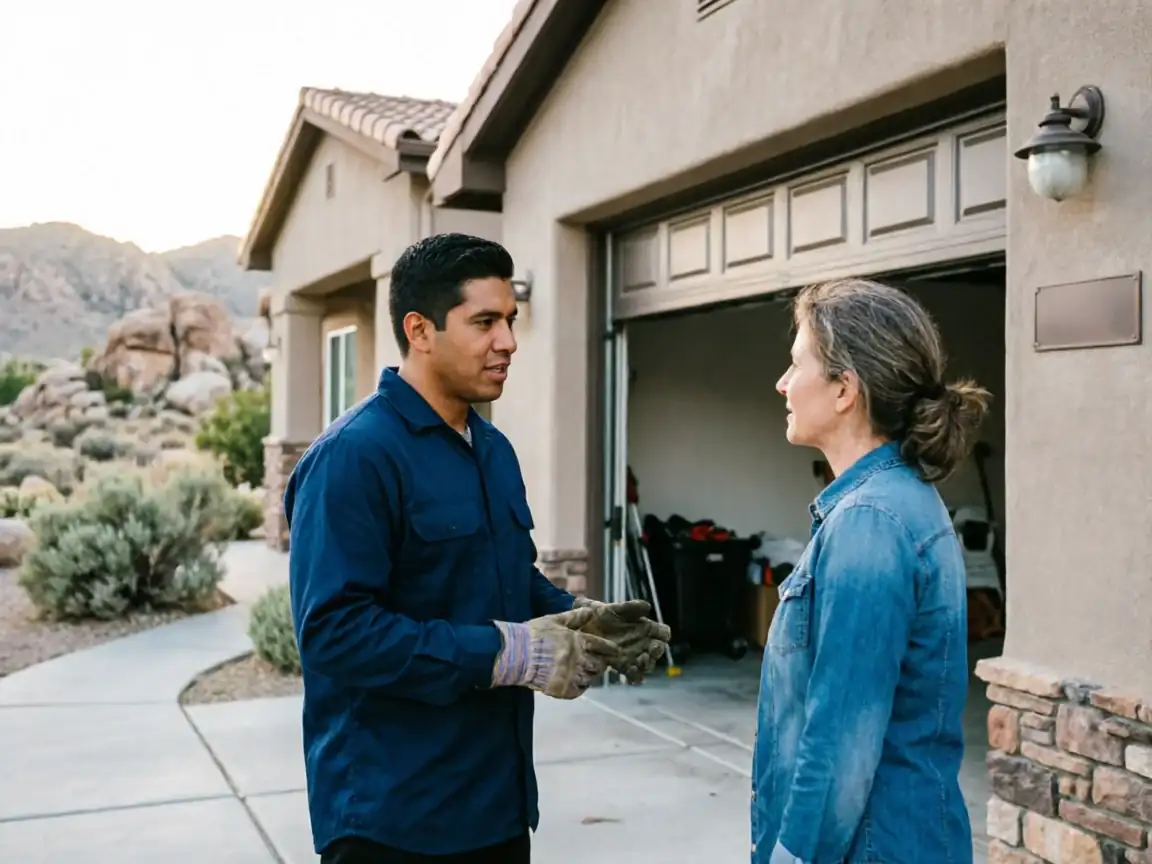
Across the Marana service area, median household income runs around $66,813, and most of the installation calls we get are owners weighing full replacement against another repair, not shopping for upgrades. That's a reasonable way to think about it: if the door and opener are both original to a house built in the 1980s or 90s, a repair now often just delays a replacement call a year or two out, once you account for a second trip and a second set of parts.
Get a number specific to your door before you decide anything. A phone estimate on a thirty-year-old setup is a guess, and a guess isn't worth much to either of us.
Can You Do This Yourself
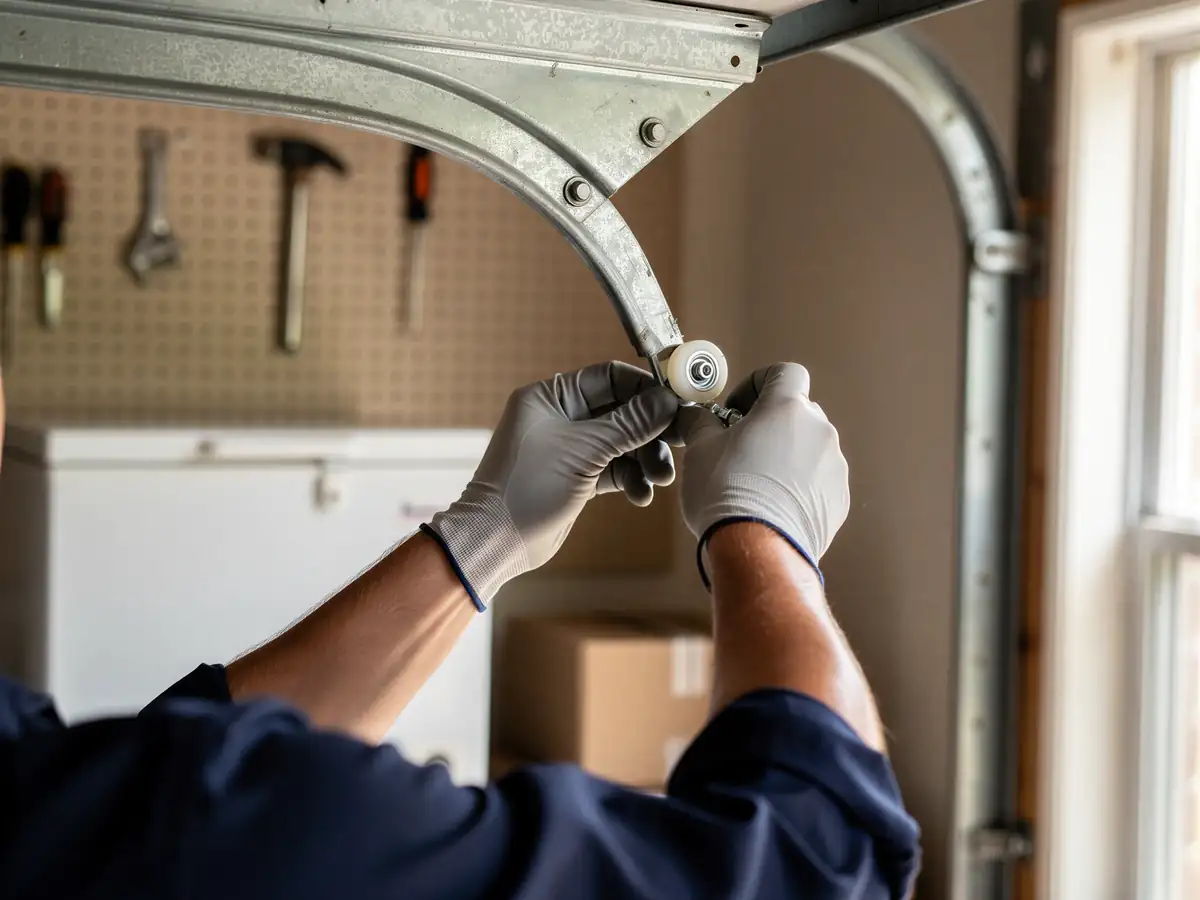
Swapping rollers or hinges on a door that still opens smoothly is reasonable DIY territory if you're comfortable on a ladder
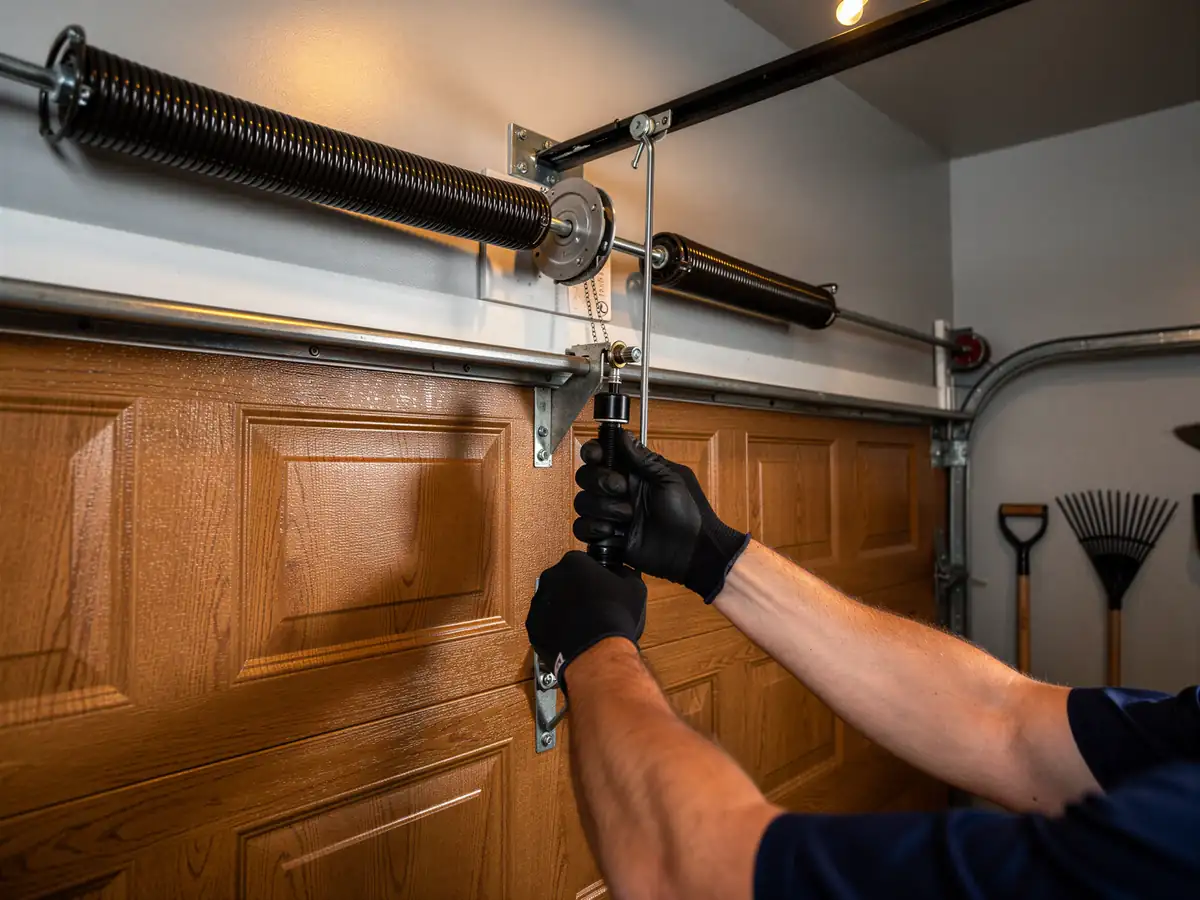
Replacing a torsion spring is not - those springs are wound under enough tension to break bones, and that's true whether the door is five years old or thirty-five.
We also won't talk you through adjusting spring tension over the phone
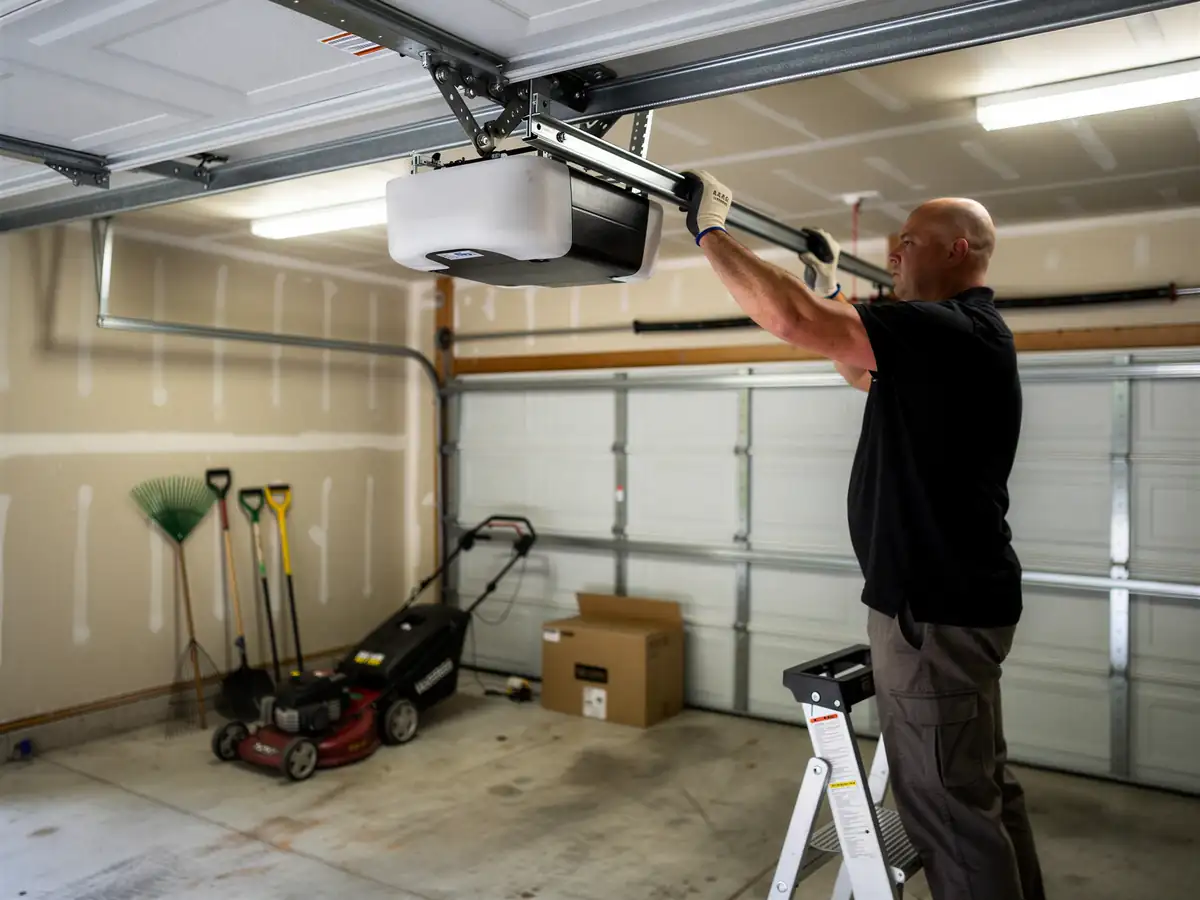
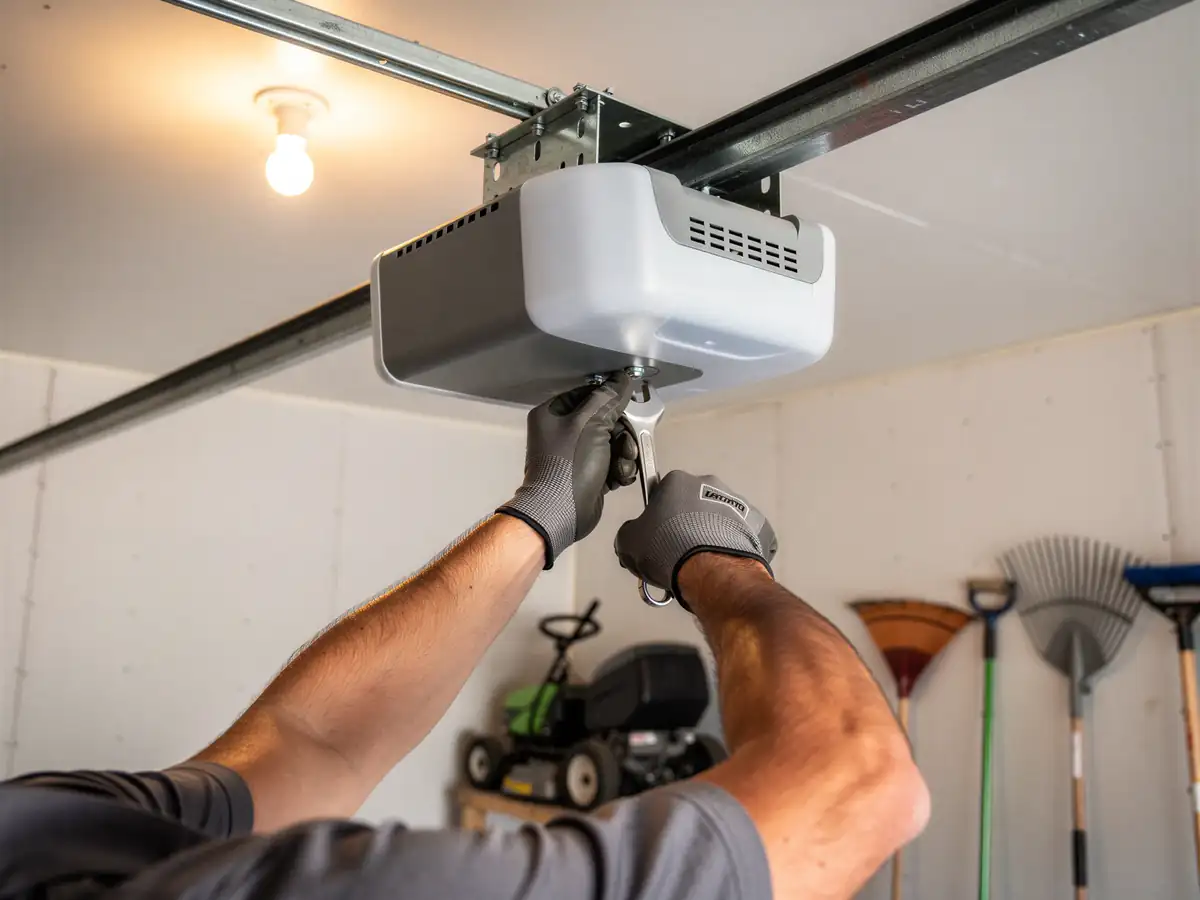
And we're not going to pretend a universal online tutorial accounts for the specific spring wind and drum size on your door. If you're set on handling the opener install yourself, the one thing worth checking first is whether your existing track and springs are rated for the new opener's lift - mismatched hardware is the most common reason a fresh opener fails within the first year on an older Marana house.
If the door is original to a build from the 1980-2007 window and you're not sure what you're looking at
That uncertainty is the actual signal to call someone, not a reason to avoid it.