What the Weather Here Does to It
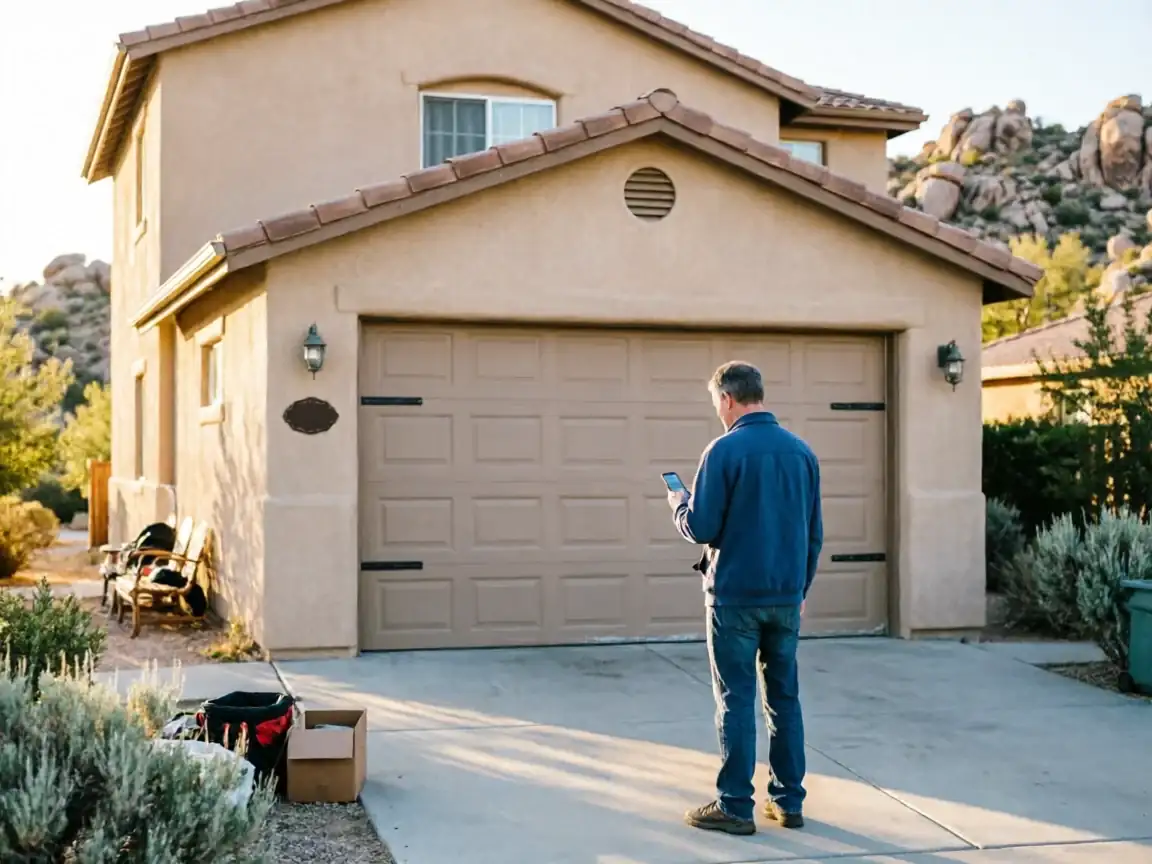
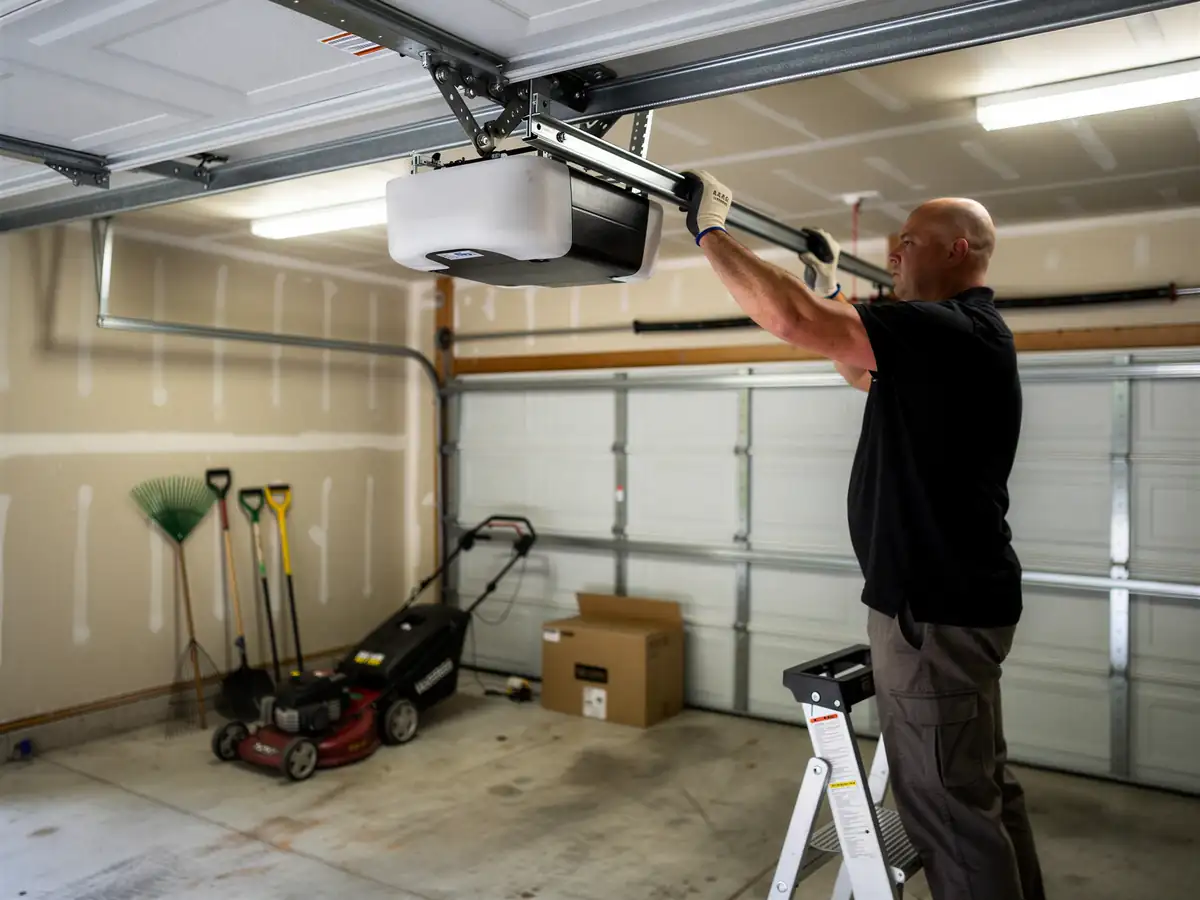
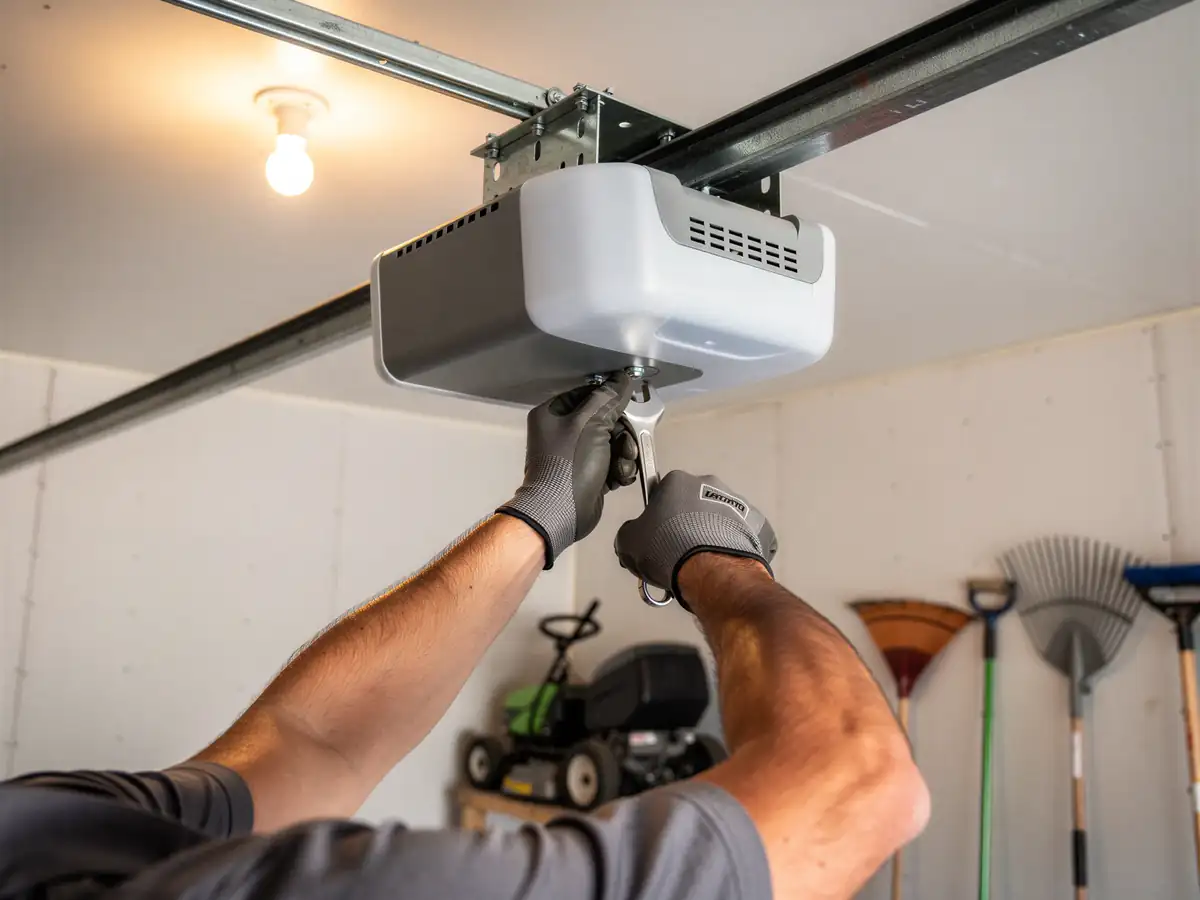
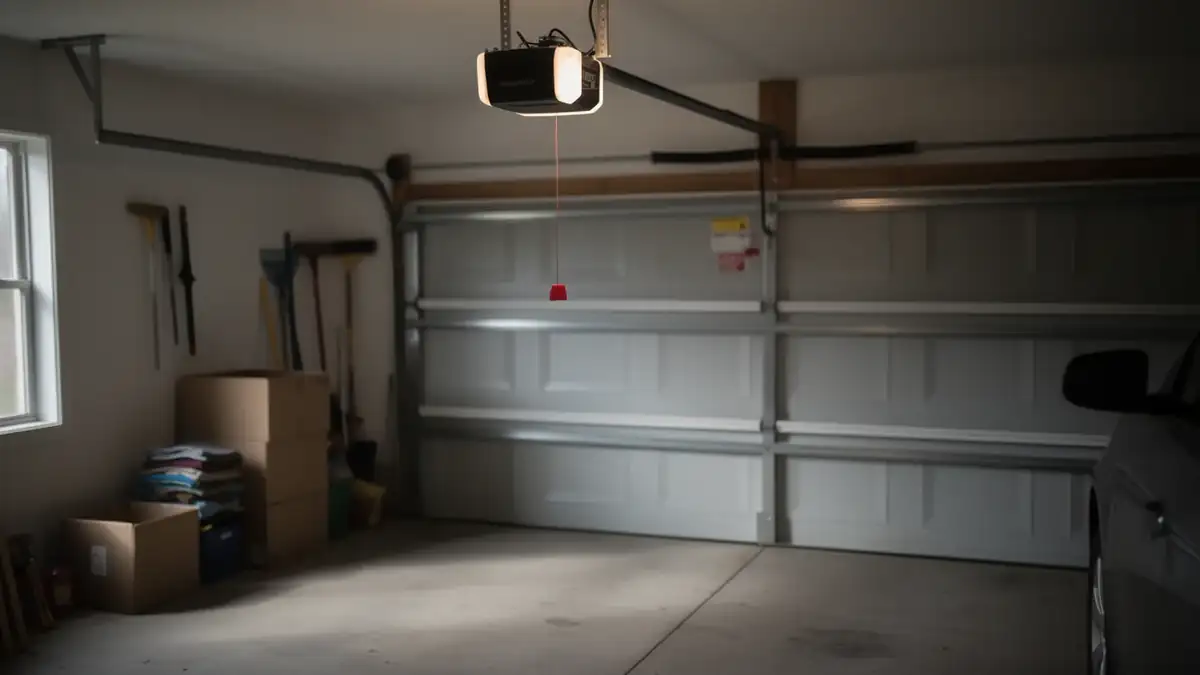
Marana sits in a severe-heat climate band, and an opener head mounted against an uninsulated garage ceiling runs hotter than almost anything else in the house. The capacitors that start the motor and the plastic drive gears that move the chain or belt are both heat-sensitive parts, and they don't fail gracefully - they fail at the worst moment, usually mid-summer when the garage has been sitting at well over 100 degrees since late morning. Power cuts make it worse. When grid demand spikes during peak heat and the power drops even for a few seconds, an opener without battery backup loses its rolling code memory. The remote stops talking to the receiver until someone walks over and reprograms it, which is a five-minute job if you know the sequence and a frustrating one if you don't. None of this is about a single bad storm. It's about a climate that puts sustained thermal load on a motor housing every single day for months, on top of openers that were already built two or three decades ago for a milder set of expectations.
Leaving It Alone
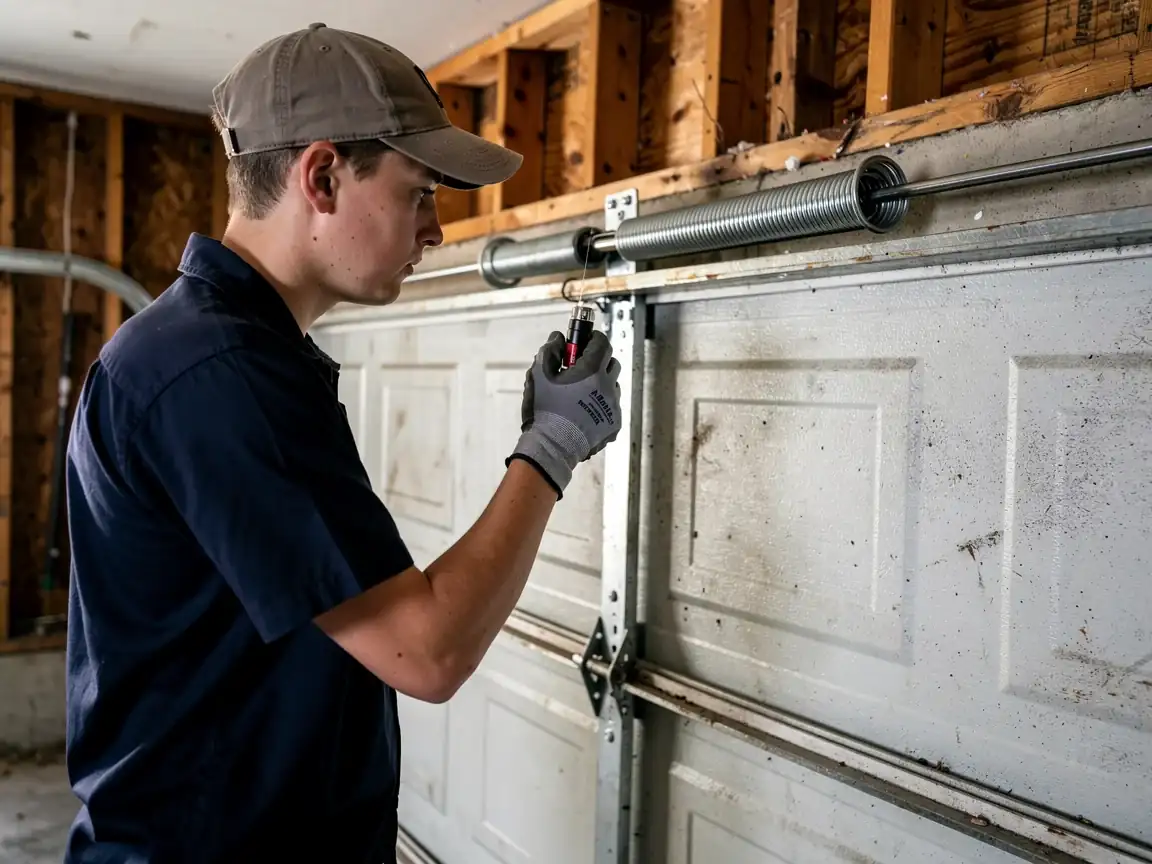
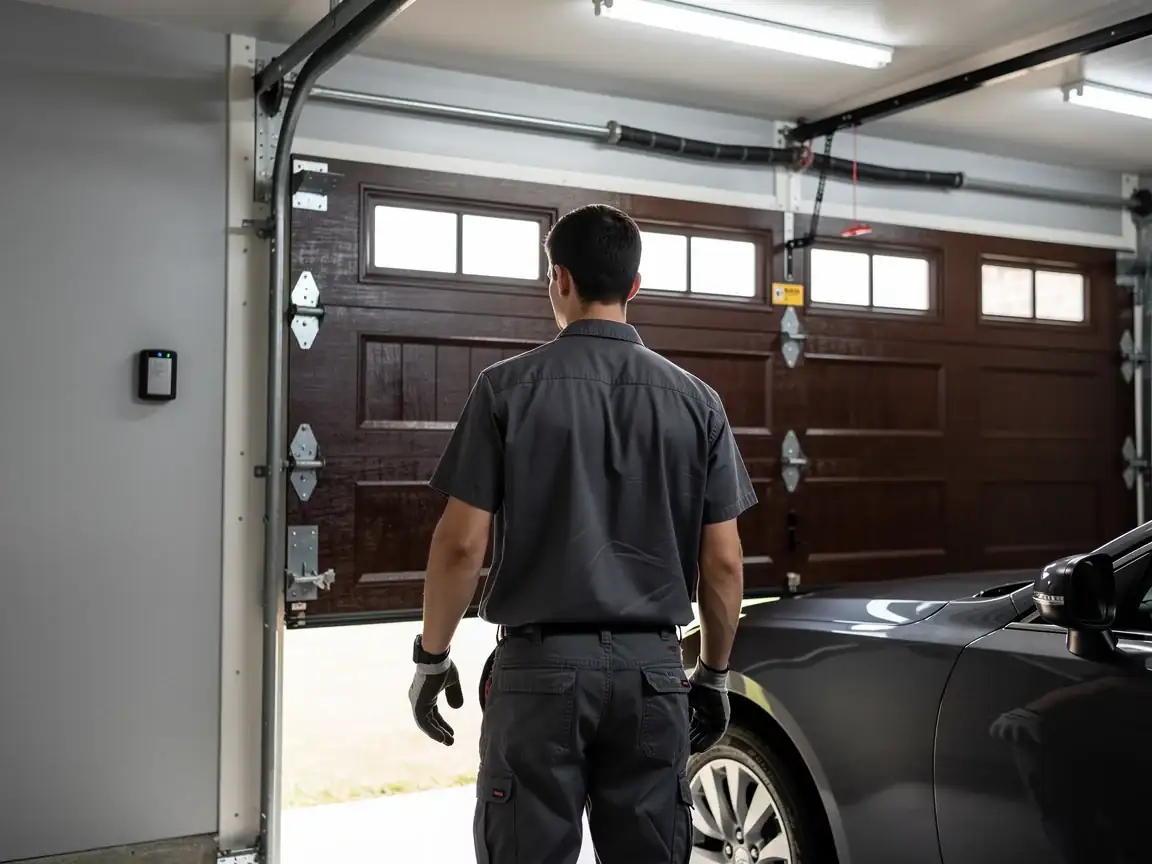
An opener that's sluggish in the heat but still closes the door is easy to leave alone, and for a while that's a reasonable call. The honest limitation here: we don't replace an opener just because it's old if it's still doing the job safely. A unit from the late 1990s that still reverses correctly on contact and holds the door at the limit it's set to doesn't need to go in the truck. What's not reasonable is ignoring repeated resets after power cuts, or a door that's started drifting a few inches past its stop before it reverses. With a median household income of $66,813 across the area, most homeowners we talk to are weighing a $200 sensor fix against a $600 opener replacement, and that math only works if you catch the problem before the heat finishes off a second component. Letting a struggling motor keep working through summer heat usually shortens the life of the drive gear and the circuit board together, turning a one-part repair into a two-part one by September.