When to Call Someone
Most houses in the Marana service area went up between 1980 and 2007
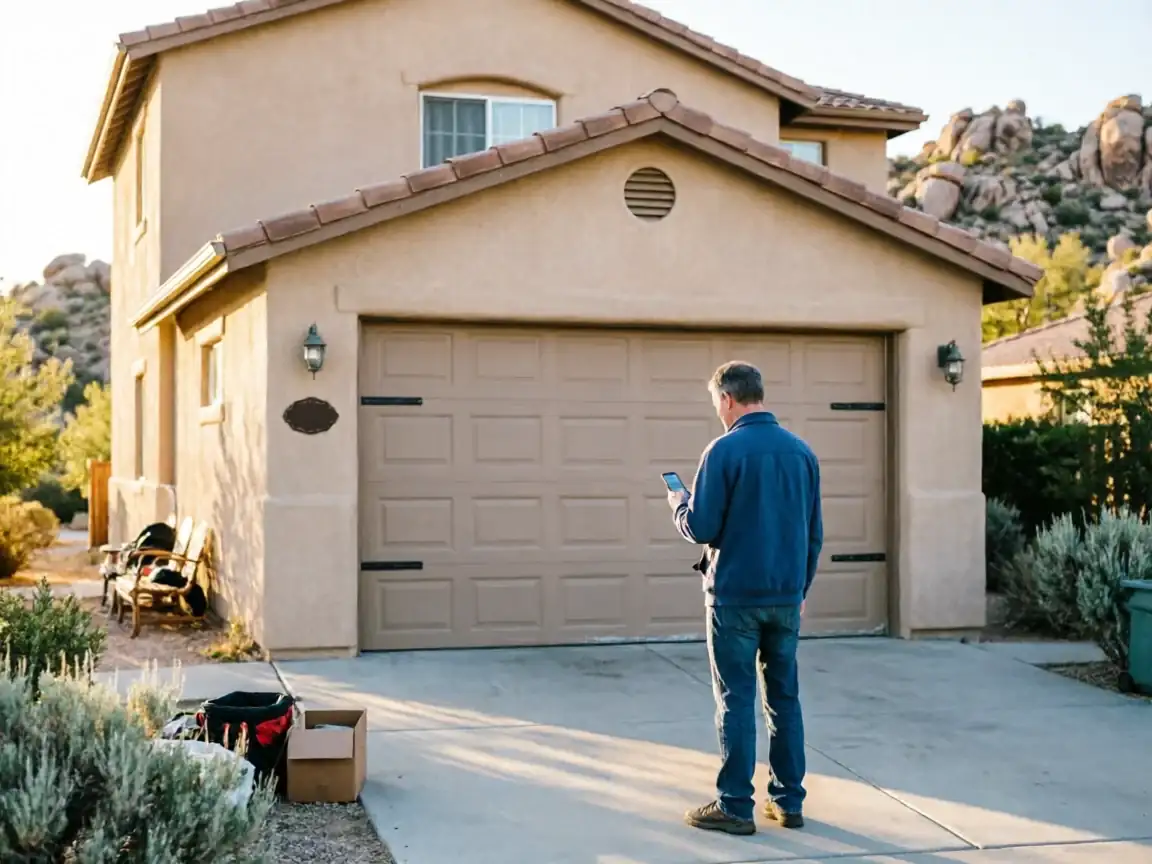
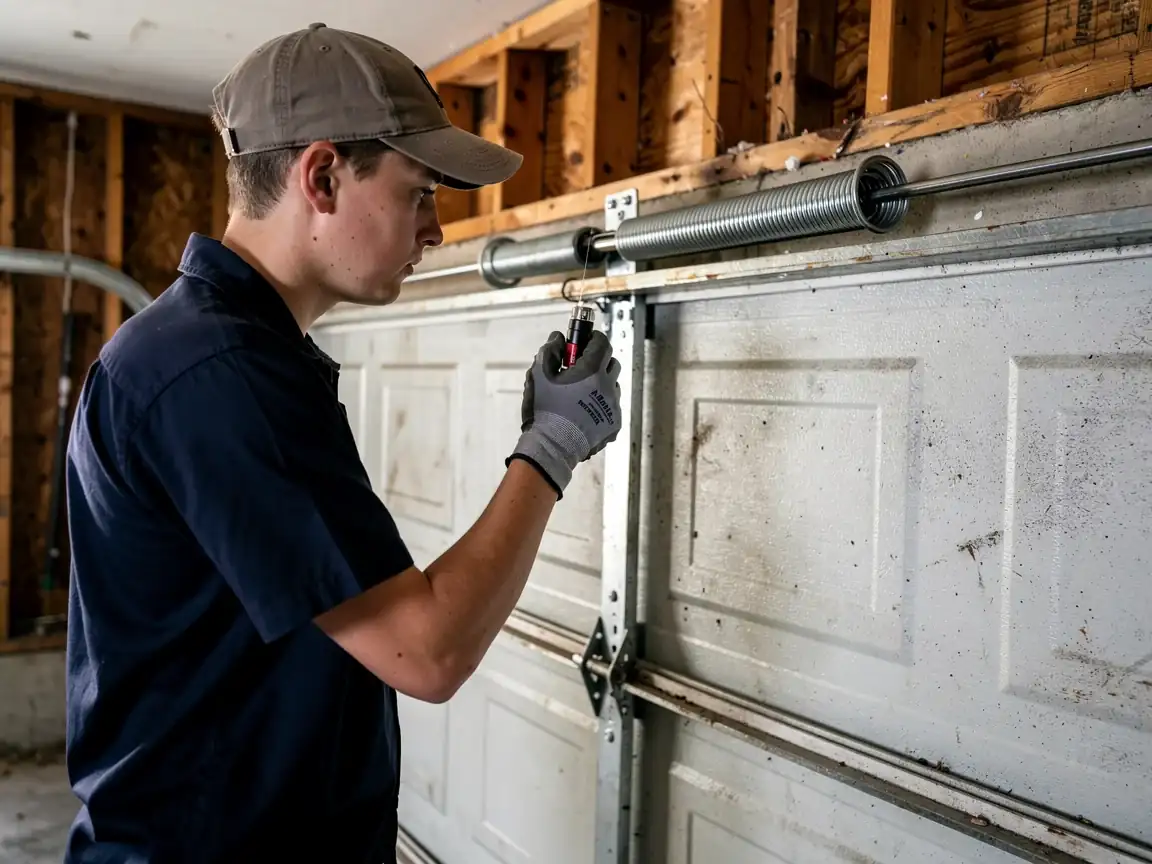
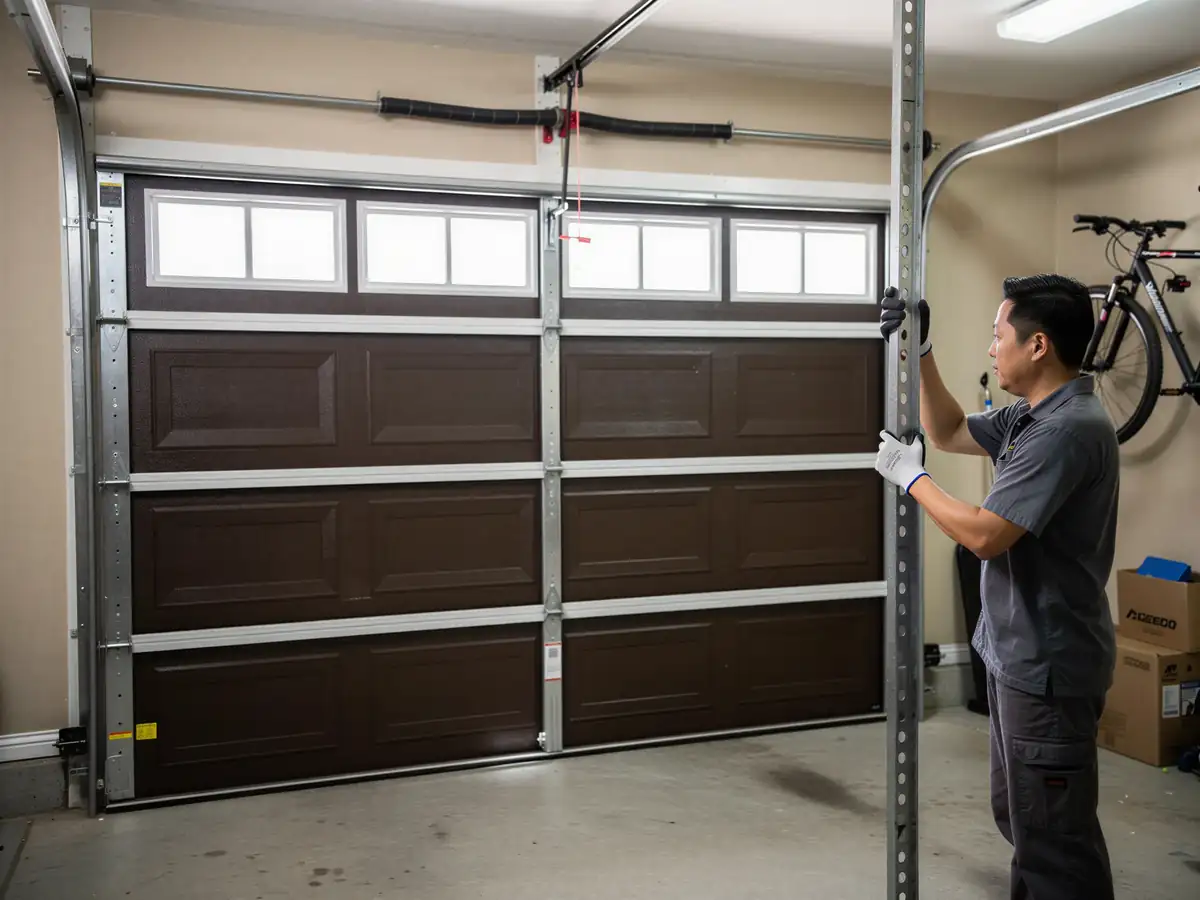
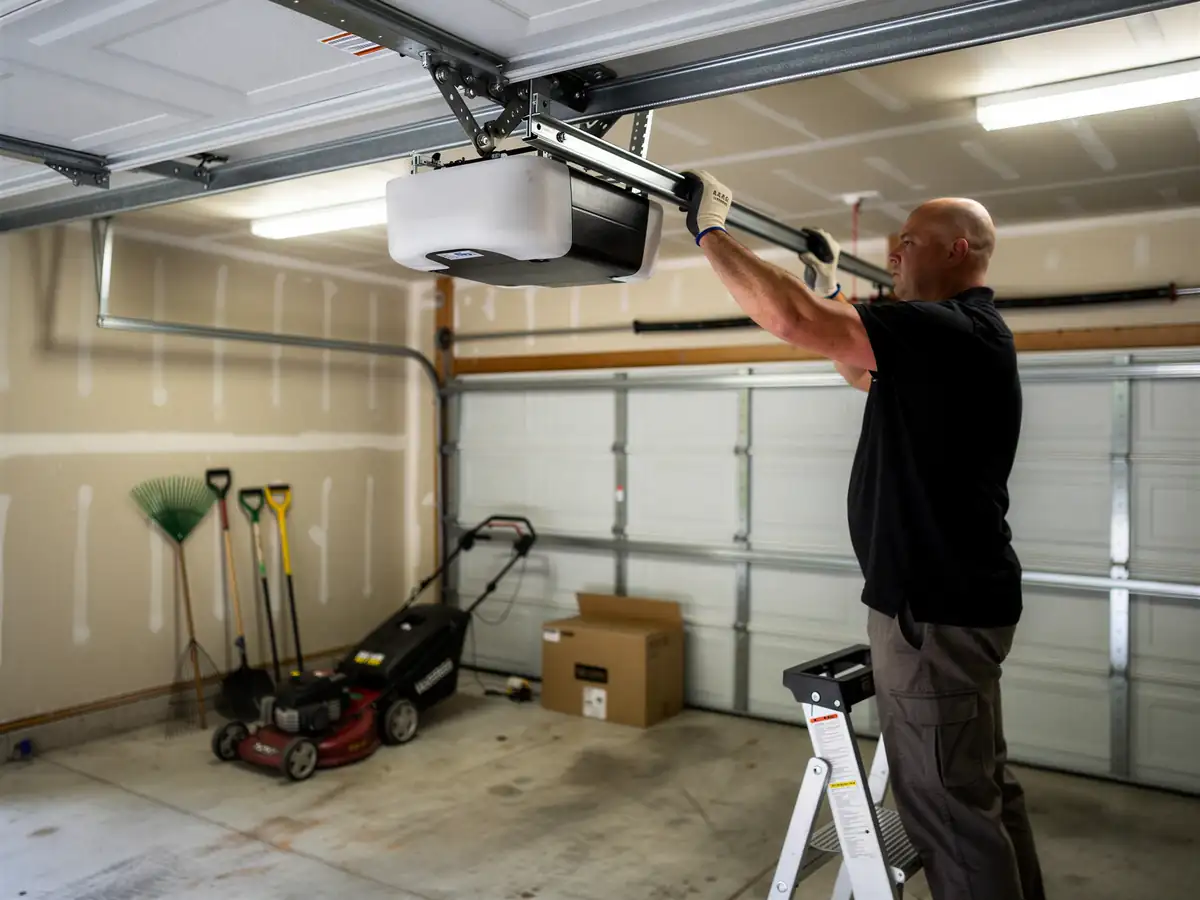
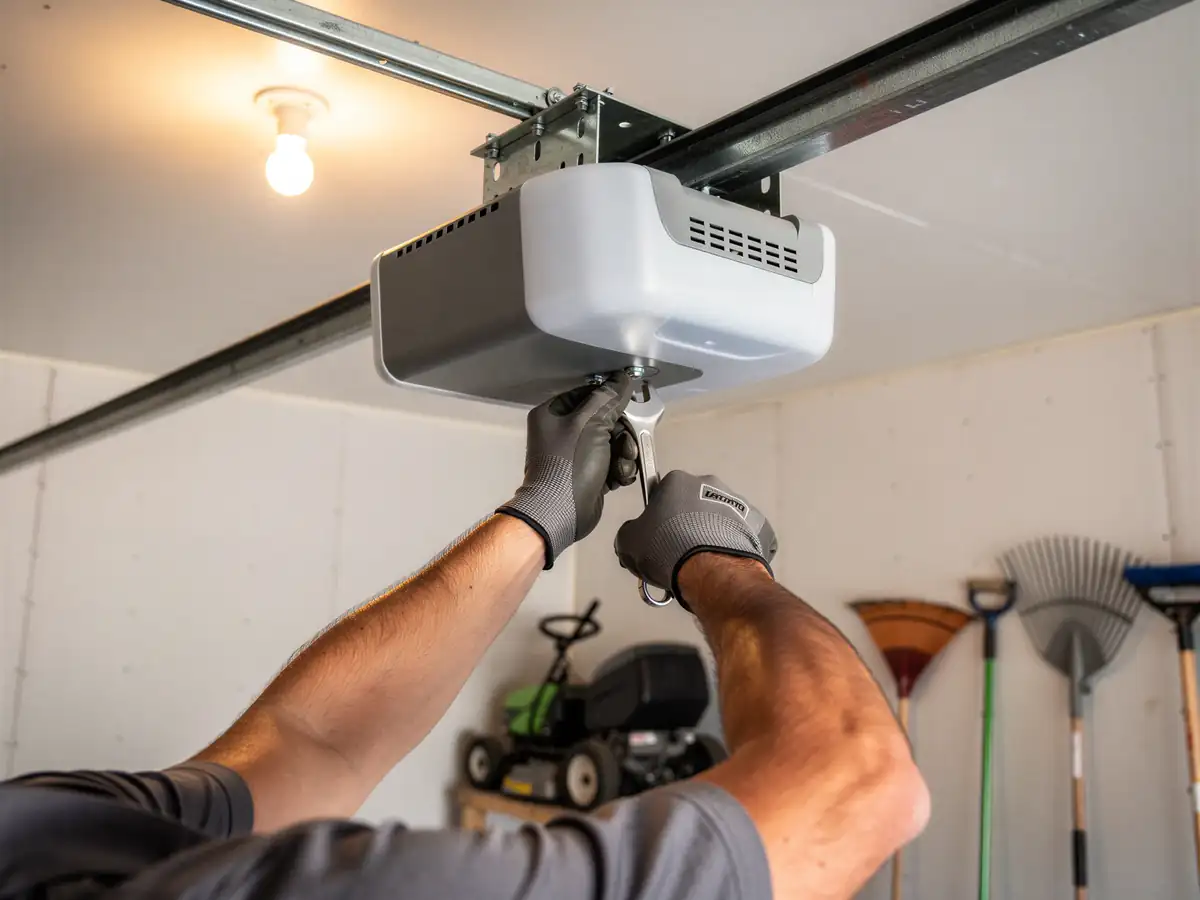
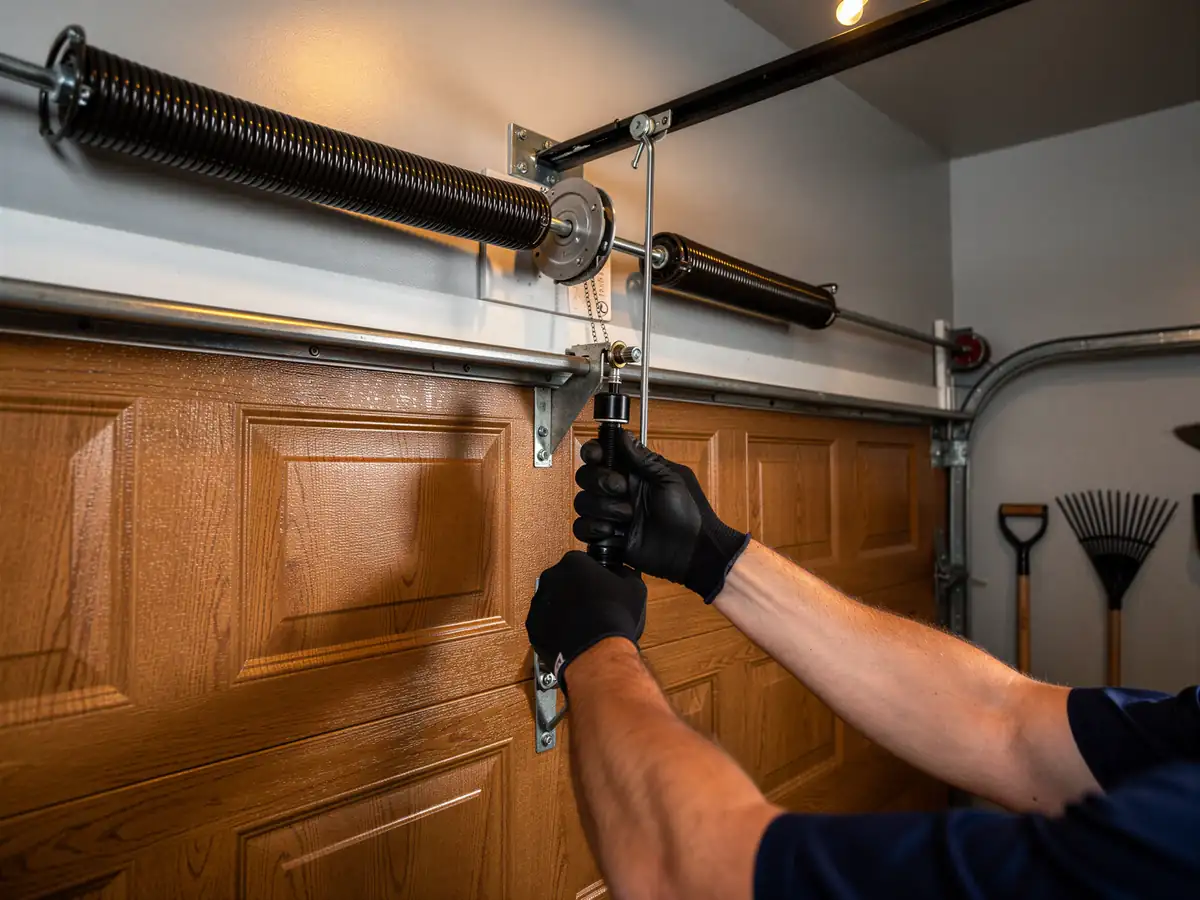
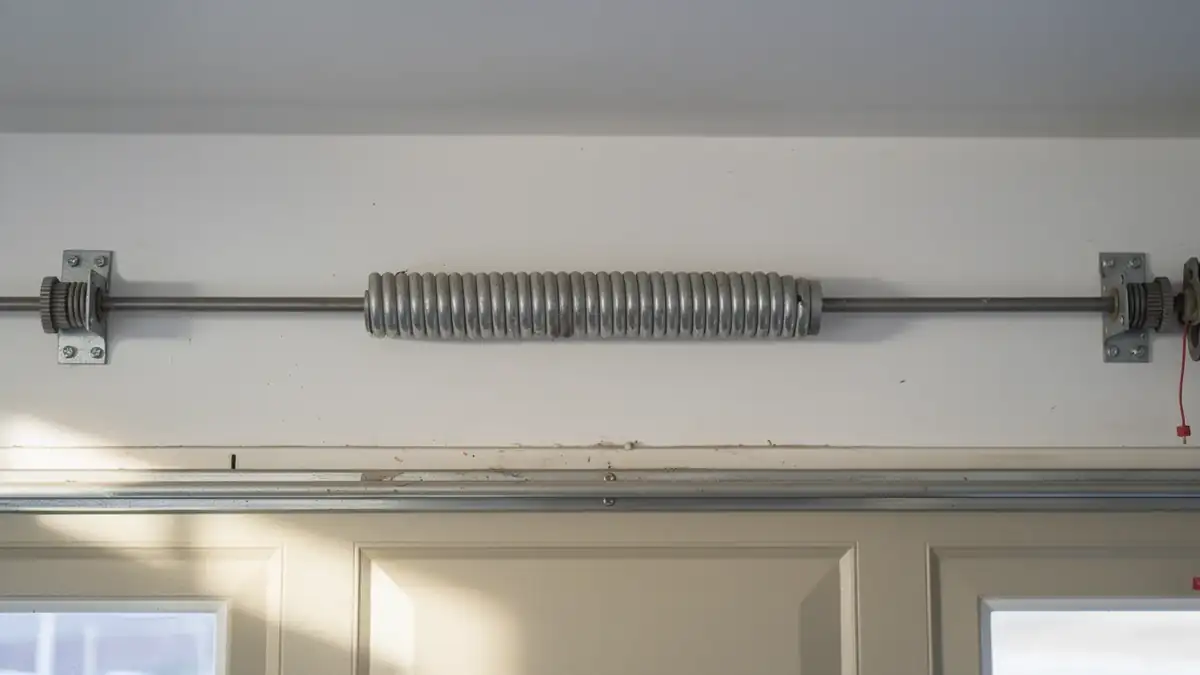
With the median landing around 1995. That matters because a torsion spring, an opener gear set, and the steel in a sectional door all have a working life, and a lot of this area's doors are now thirty-some years into it at once. If your door groans on the way up, if the opener runs longer than it used to before the carriage grabs the trolley, or if you hear a bang and the door won't move at all, that's not a lubrication problem you fix with a can of WD-40 - that's a spring or a cable at the end of its life.
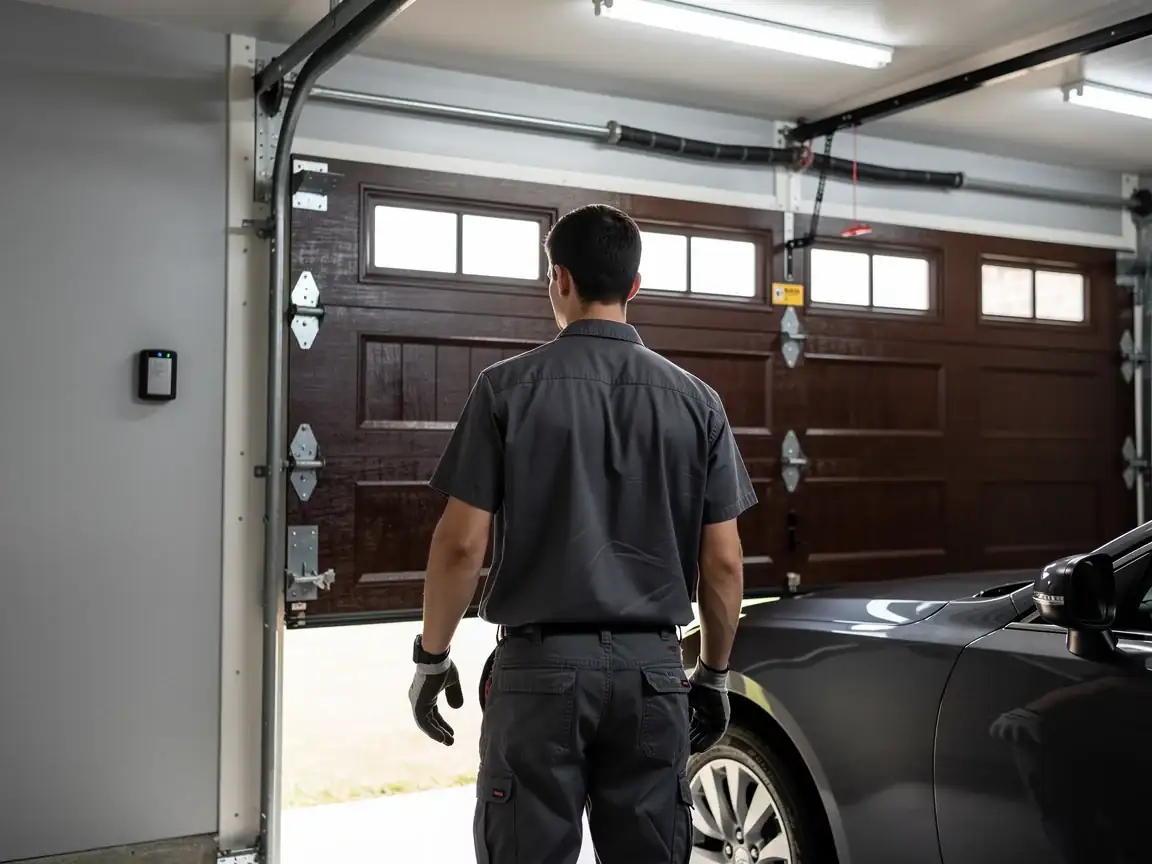
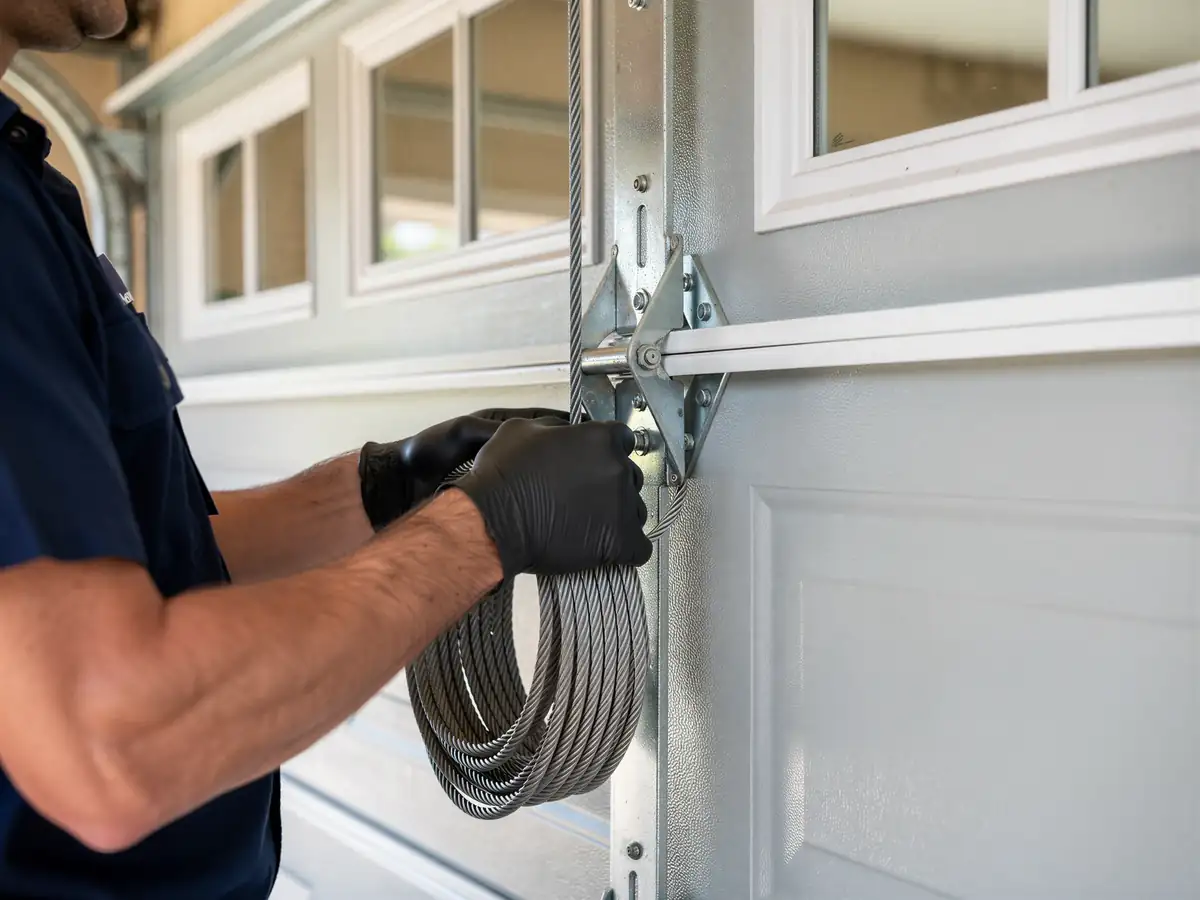
Call sooner rather than later if the door drops fast on the way down, if a cable looks frayed, or if the opener reverses on its own before it touches the floor
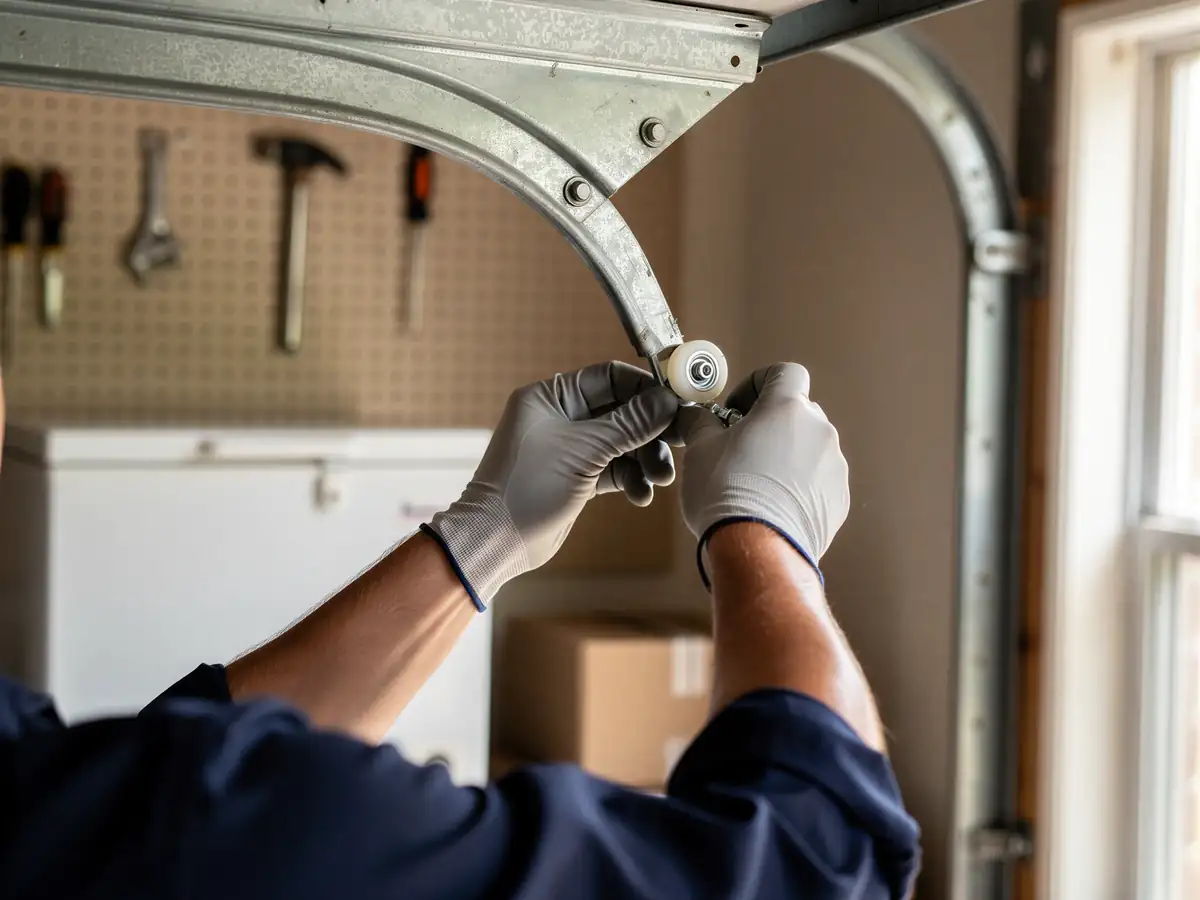
Those are safety issues, not convenience ones. If the door just sounds rough but still runs smooth and level, that's worth a look but it's not an emergency. The age of the stock here means we see the same handful of failures over and over - it's rarely a mystery, it's wear that was always coming.
What the Weather Here Does to It
Marana sits in a climate band rated severe for heat, and that does specific things to a garage door that a mild-climate town never deals with. Steel panels expand and contract every day through a wide swing, and over enough years that cycling works the welds and the hinge screws loose. Grease on rollers and the torsion bar thins out faster in high heat, so a door that was quiet in spring starts grinding by August. Opener logic boards mounted on the garage ceiling sit in air that can run well past what the board was rated for, and that shortens the life of the capacitors inside it - a board failure in a Marana garage often isn't a defect, it's heat fatigue.
Because most of this area's doors were put in during the 1980s-2007 building wave, they were built to specs from a different era of weatherstripping and insulation. A door built to 1995 specs wasn't engineered for the summers we actually get now, and the seals on those older doors dry out and crack years before the door itself needs replacing. That's an easy, cheap fix on its own - replacing it late is what lets heat and dust into the garage for years before anyone notices.
Leaving It Alone
With roughly 29,431 households in this area and only 14,894 of them owner-occupied houses, a lot of the garage doors here are on rental stock nobody's touched since it was built. That's not a knock on renters - it's just that a door nobody owns tends to get run on a dying spring until it snaps a cable or drops on a car.
The median household income here, just under $66,813, means most owners are weighing a repair bill against a job, not shrugging it off. That's a fair way to think about it, but putting off a spring replacement usually costs more in the end: a stretched spring throws extra load on the opener, and the opener motor burns out faster trying to compensate. You end up paying for both repairs instead of one.
Honest limitation: once an opener logic board has actually failed - burnt out, not just acting up - that's a swap, not a repair. We don't rebuild a dead board, and if yours is original to a 1990s install, the parts for it likely don't exist anymore anyway.
The Problem
Put the two facts together and you get a predictable pattern across this area
From two miles northeast to four miles southwest and out past - houses built in the same narrow window, running springs and openers rated for a mild climate through decades of severe heat. None of that stock is failing because of bad luck. It's failing because it's old and it's been baked.
Across the seven named areas that ring Marana, the stock is overwhelmingly 1980s and '90s construction
Which means a huge share of doors in this area are approaching or past the point where a spring replacement stops being optional. The honest version of this: if your door is original to a house built in that window, the question isn't whether it needs work, it's whether you catch it before the spring lets go on its own, usually with the car underneath it.