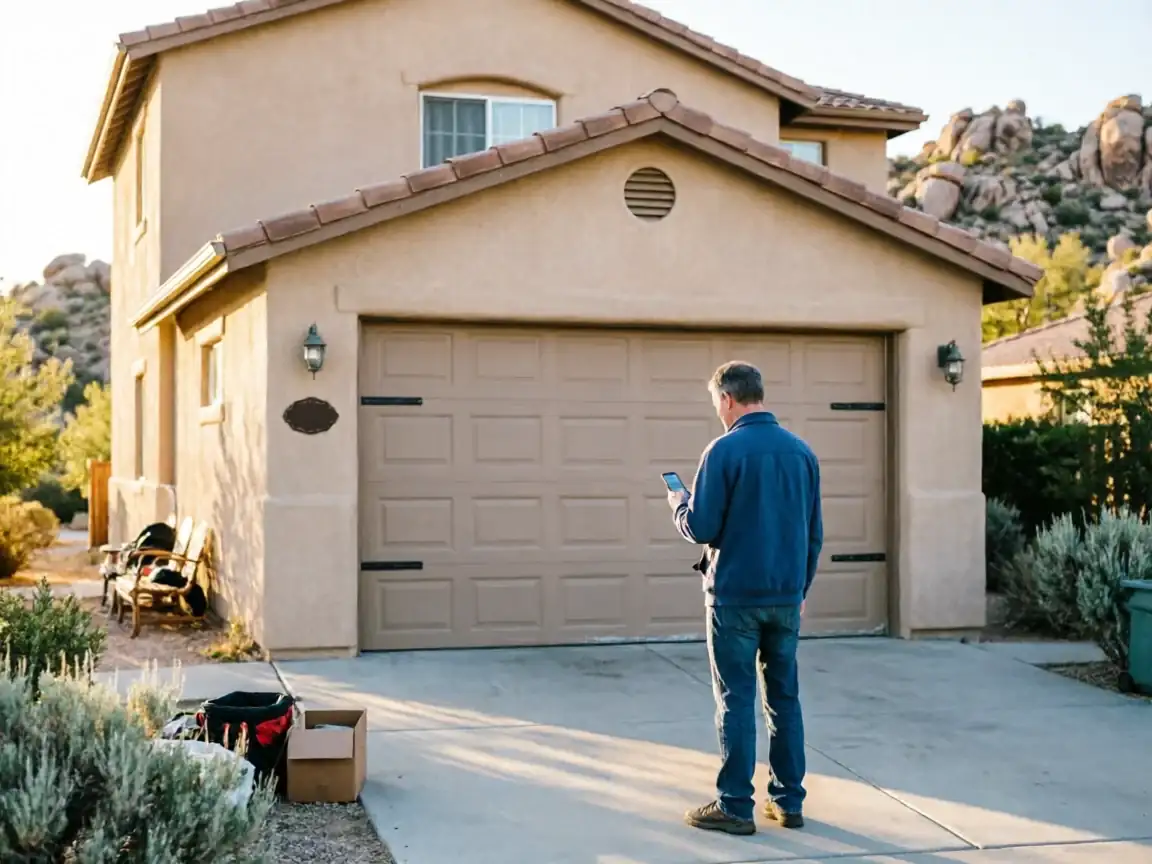
Why This Fails Locally
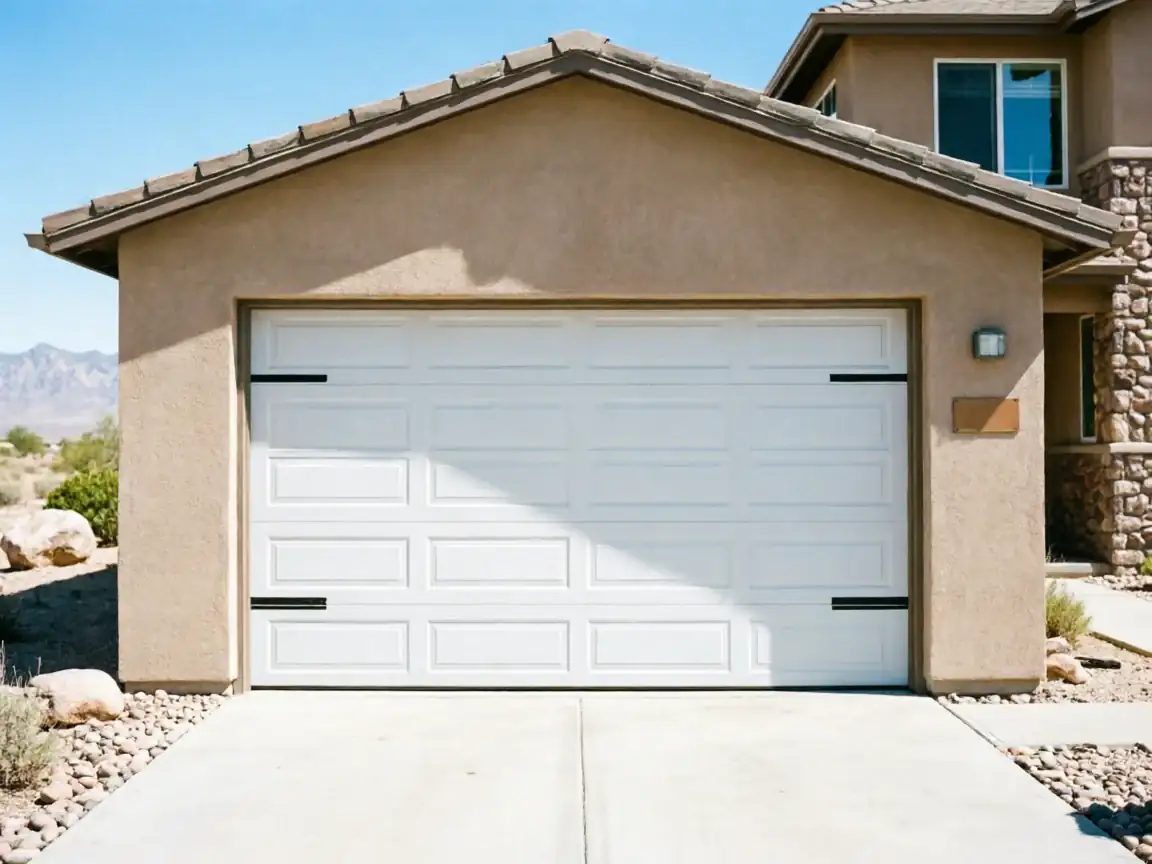
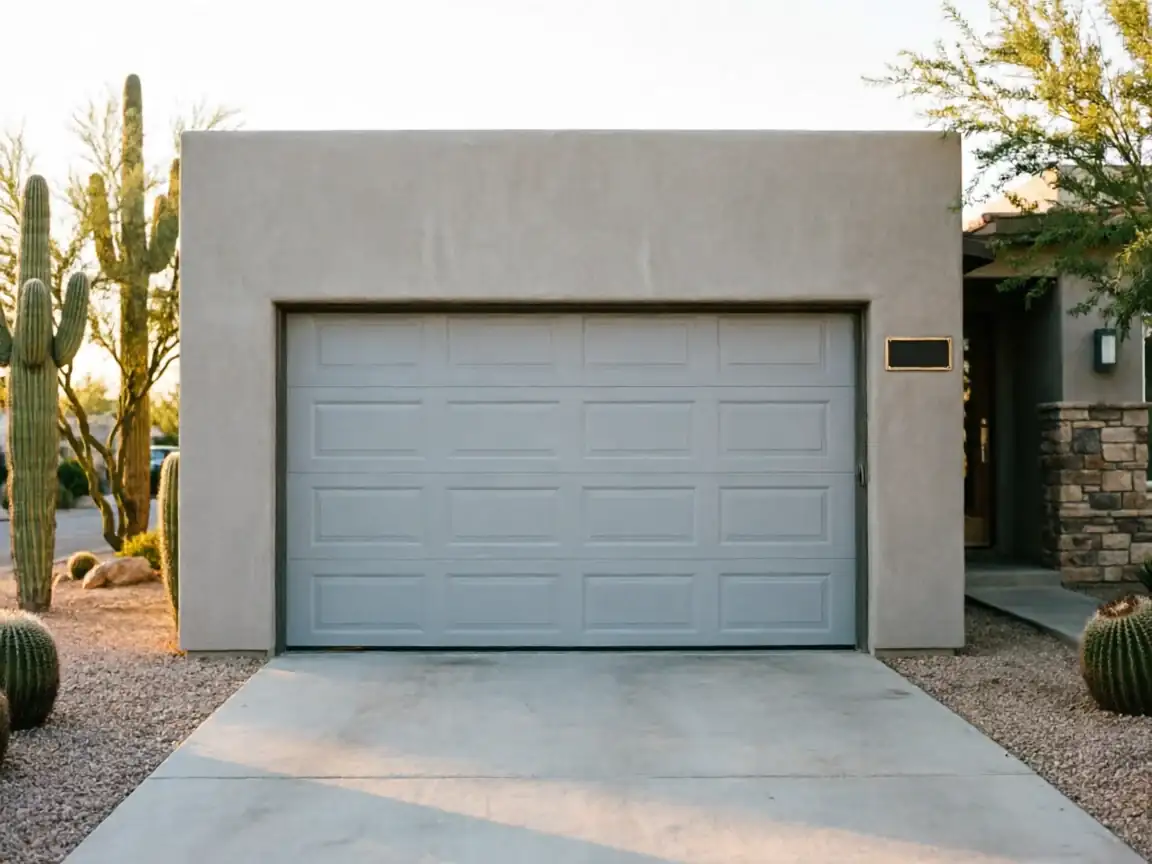
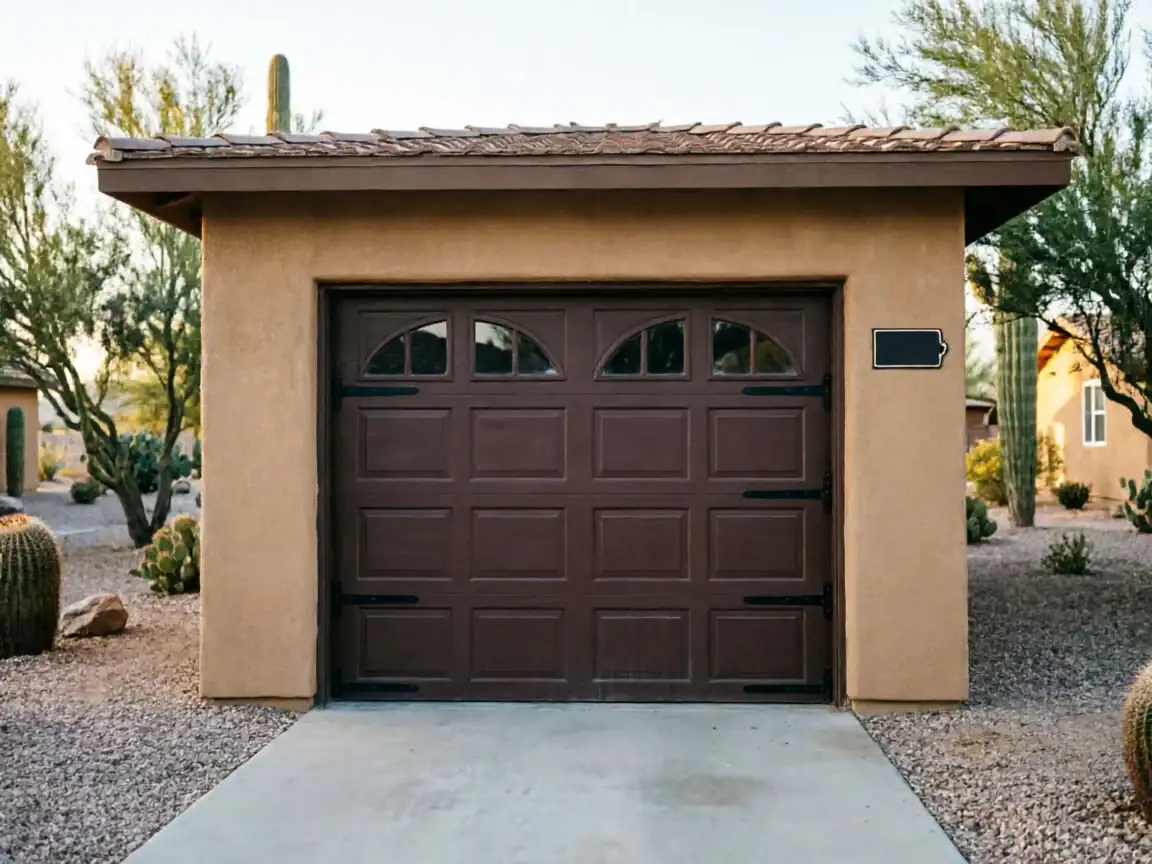
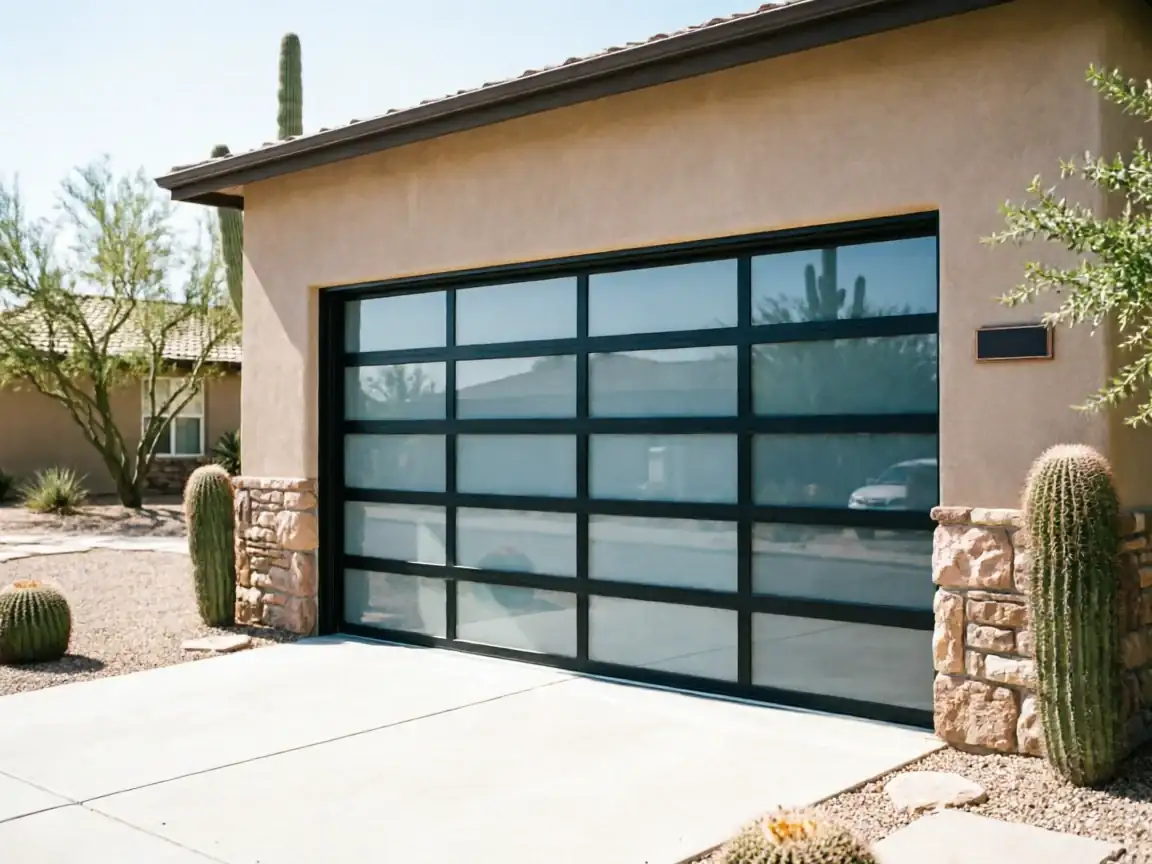
Most garage doors in Marana went up between 1980 and 2007
With the median build year sitting around 1995. That puts a huge share of the housing stock - across the seven main built-out areas of town - right at the age where factory lubrication has long since baked out of the torsion spring and the opener's drive gear has worn down to plastic dust. This isn't a coincidence of one subdivision; it's what happens when a whole wave of houses goes up in the same fifteen-year window and ages together.
The heat does the rest
Marana sits in a severe heat band, and a garage attached to the house turns into an oven for half the year. Steel springs cycle through expansion and contraction every day, which fatigues the metal faster than it would in a milder climate. Opener circuit boards and capacitors don't love 140-degree attic-adjacent temps either. So you get a specific pattern here: doors that look fine for years, then fail hard and fast once the metal and electronics hit their limit - usually in the worst heat of summer, which is exactly when you don't want to be stuck outside.
What You Are Seeing
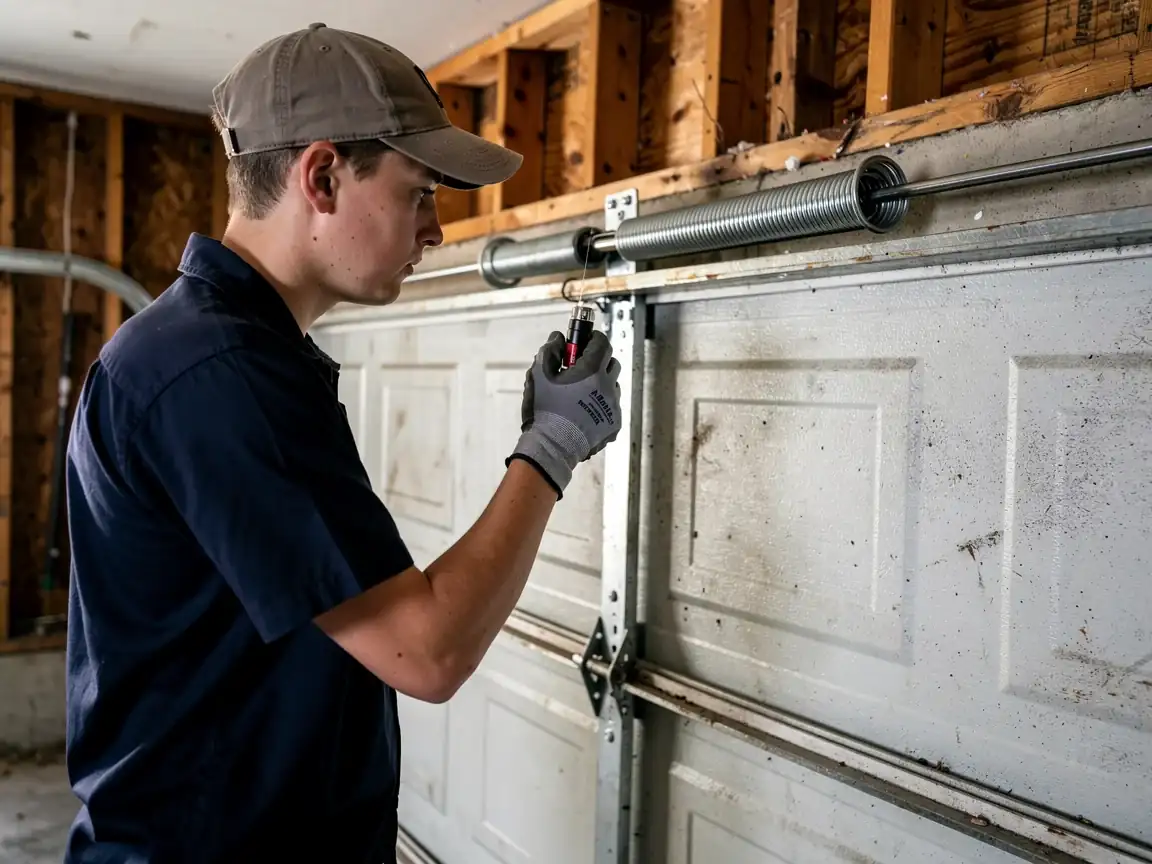
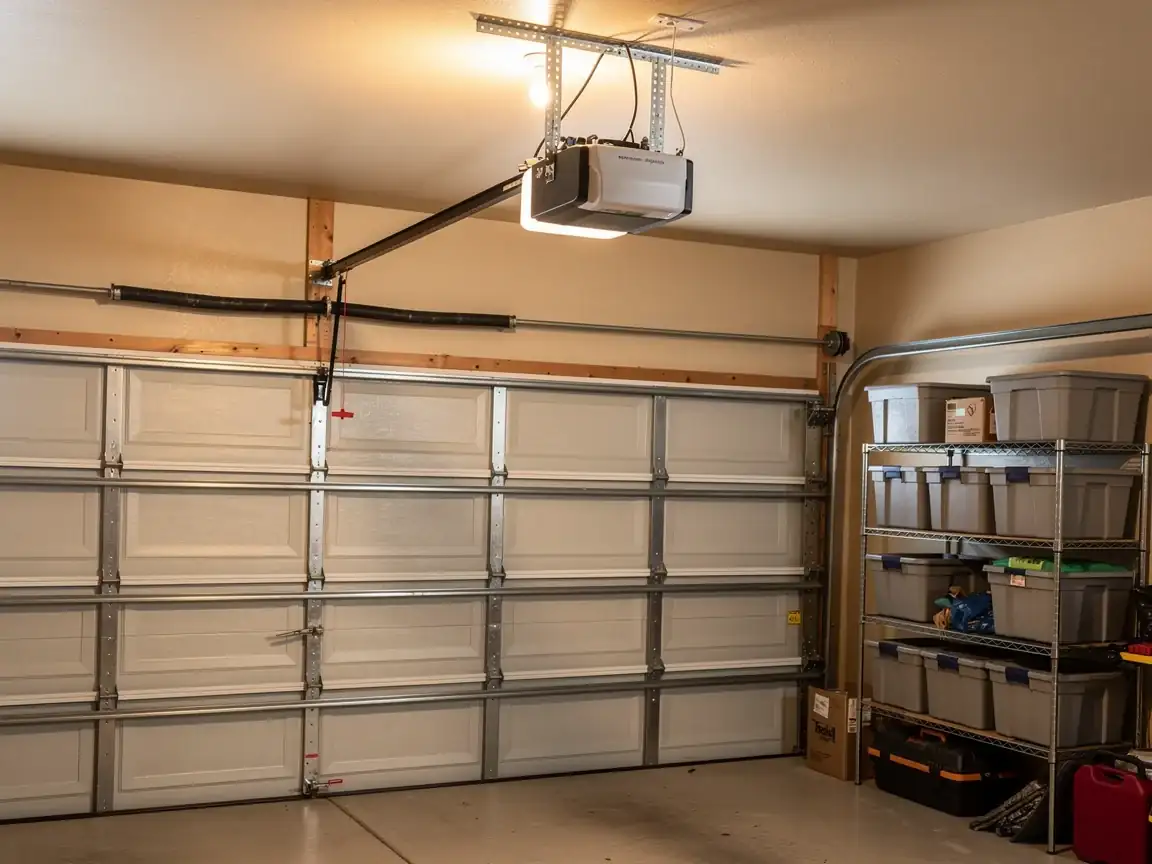
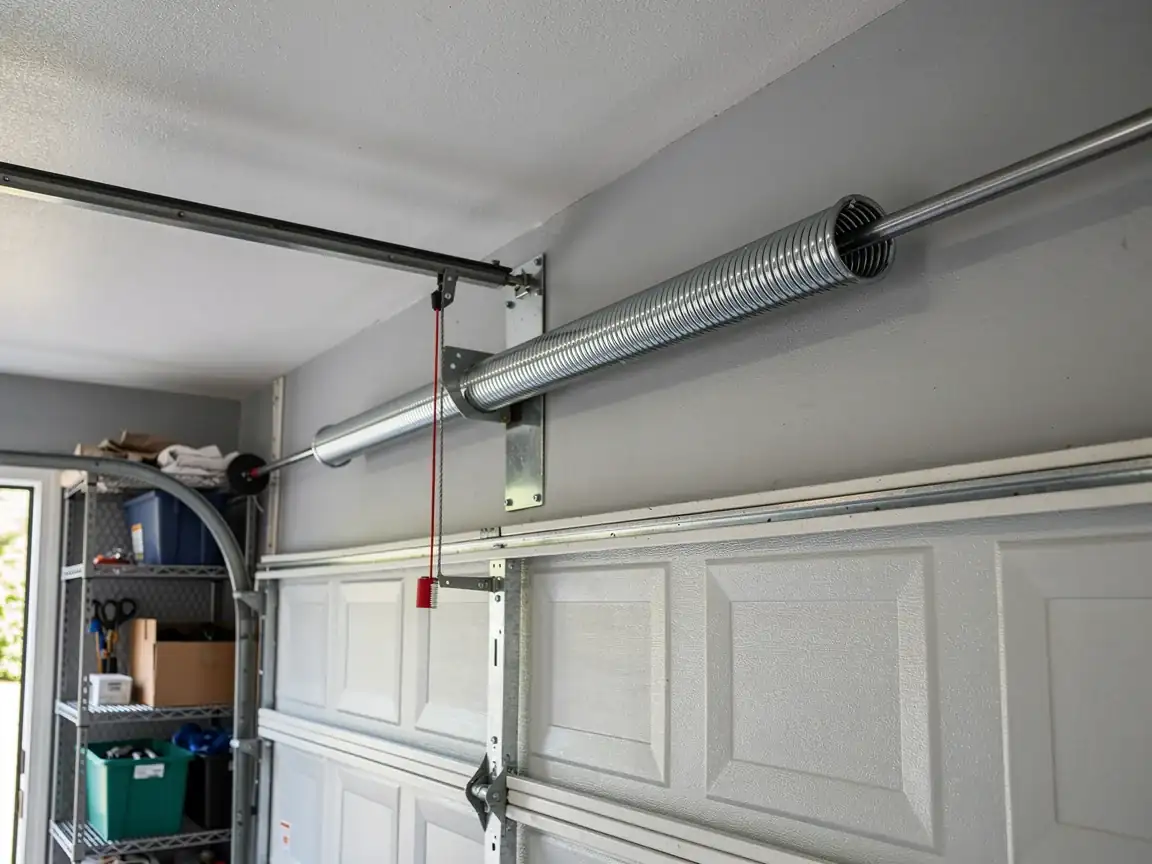
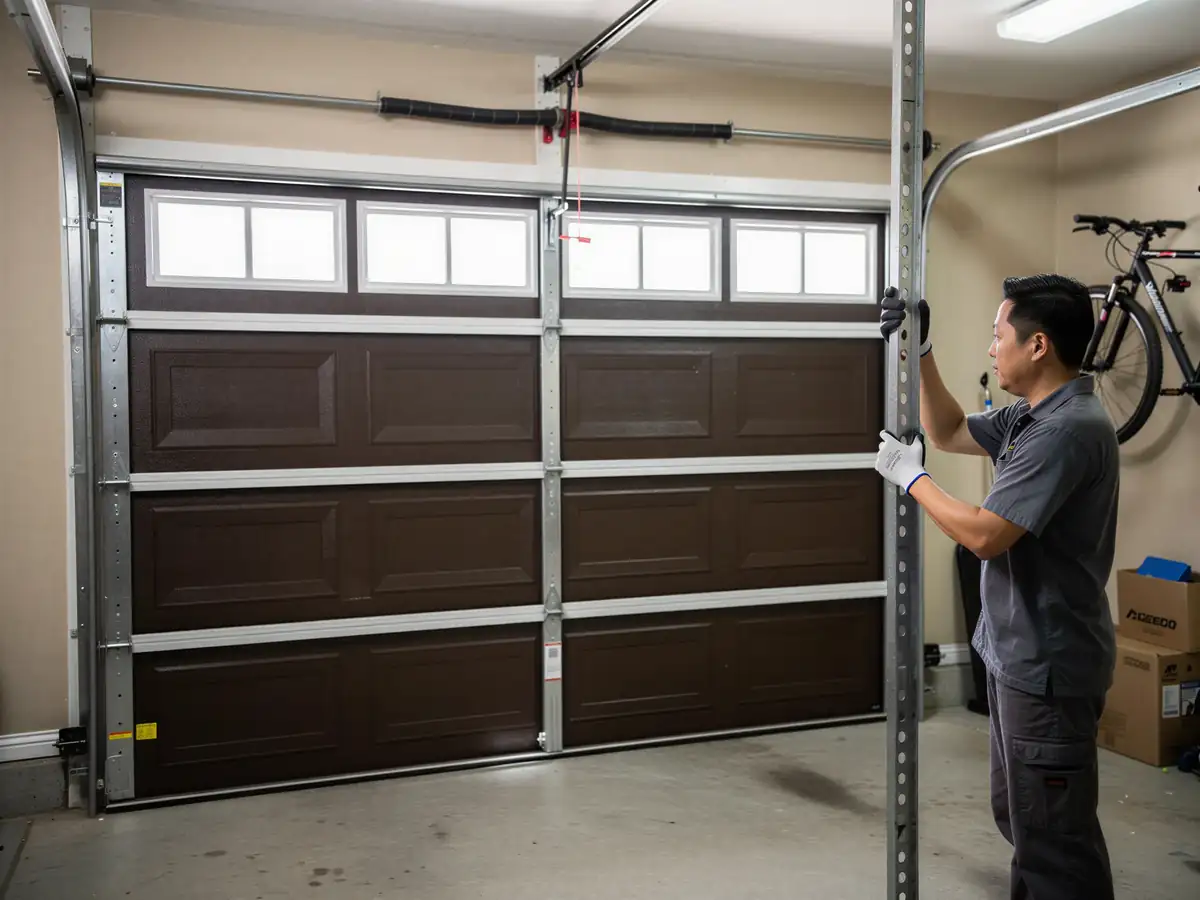
A torsion spring that's lived its whole life at Marana summer temperatures usually doesn't fray or stretch - it just snaps, often with a bang loud enough to bring you out of the house. If your door won't budge and there's a visible gap in the coil above the opening, that's your answer.
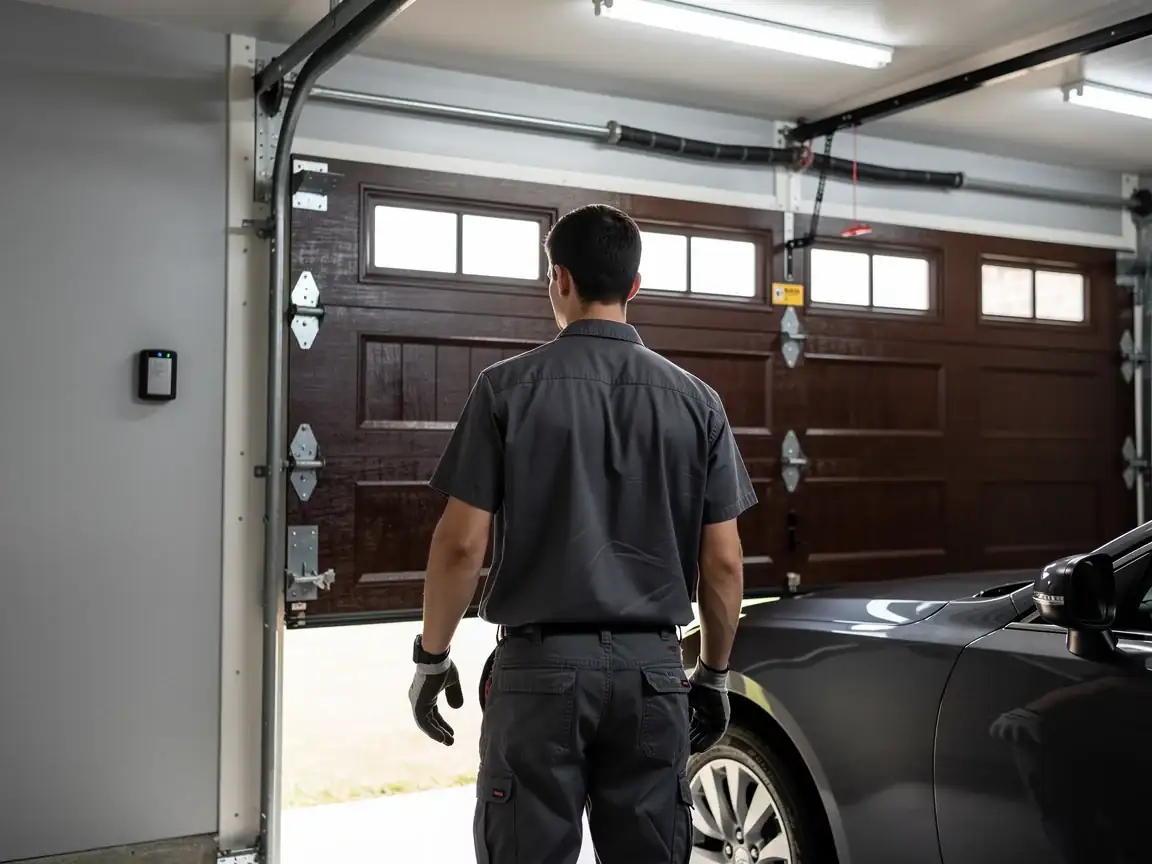
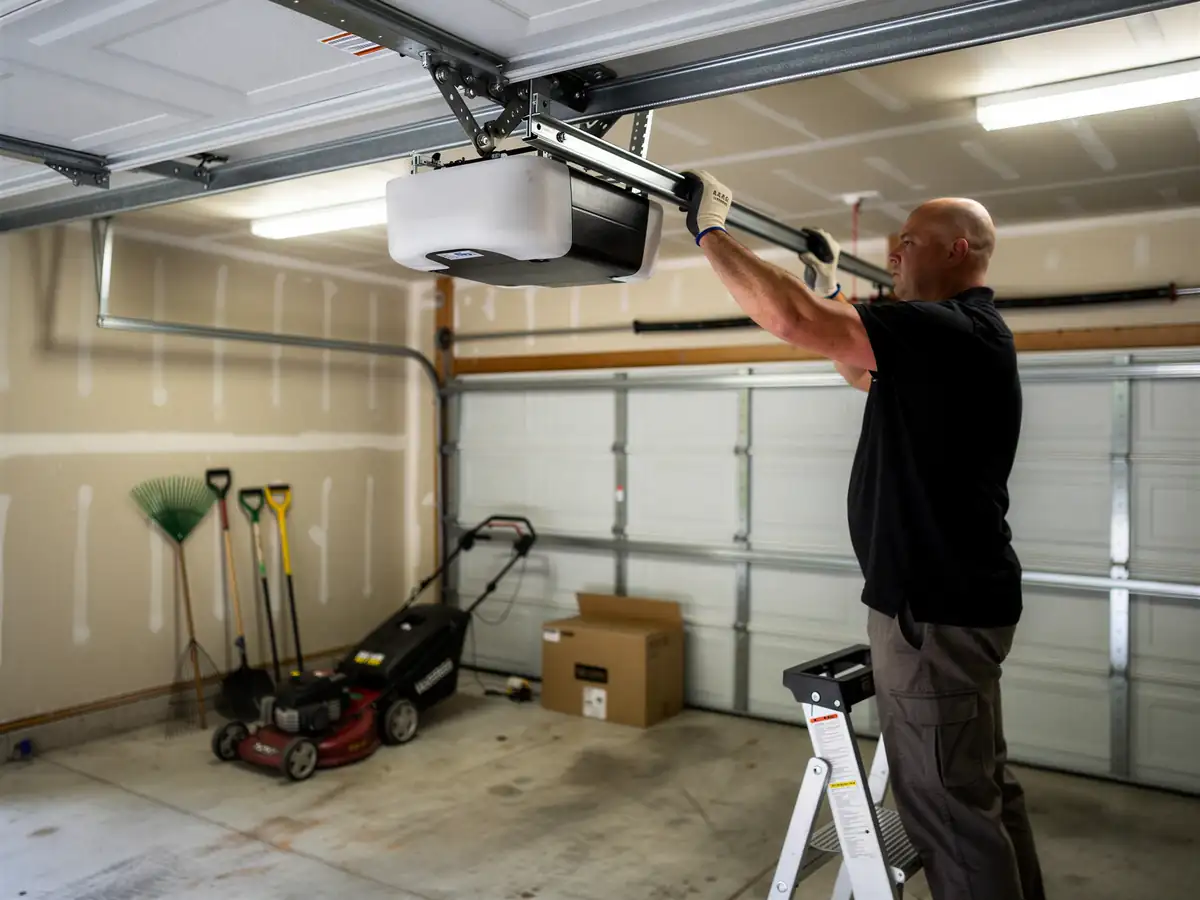
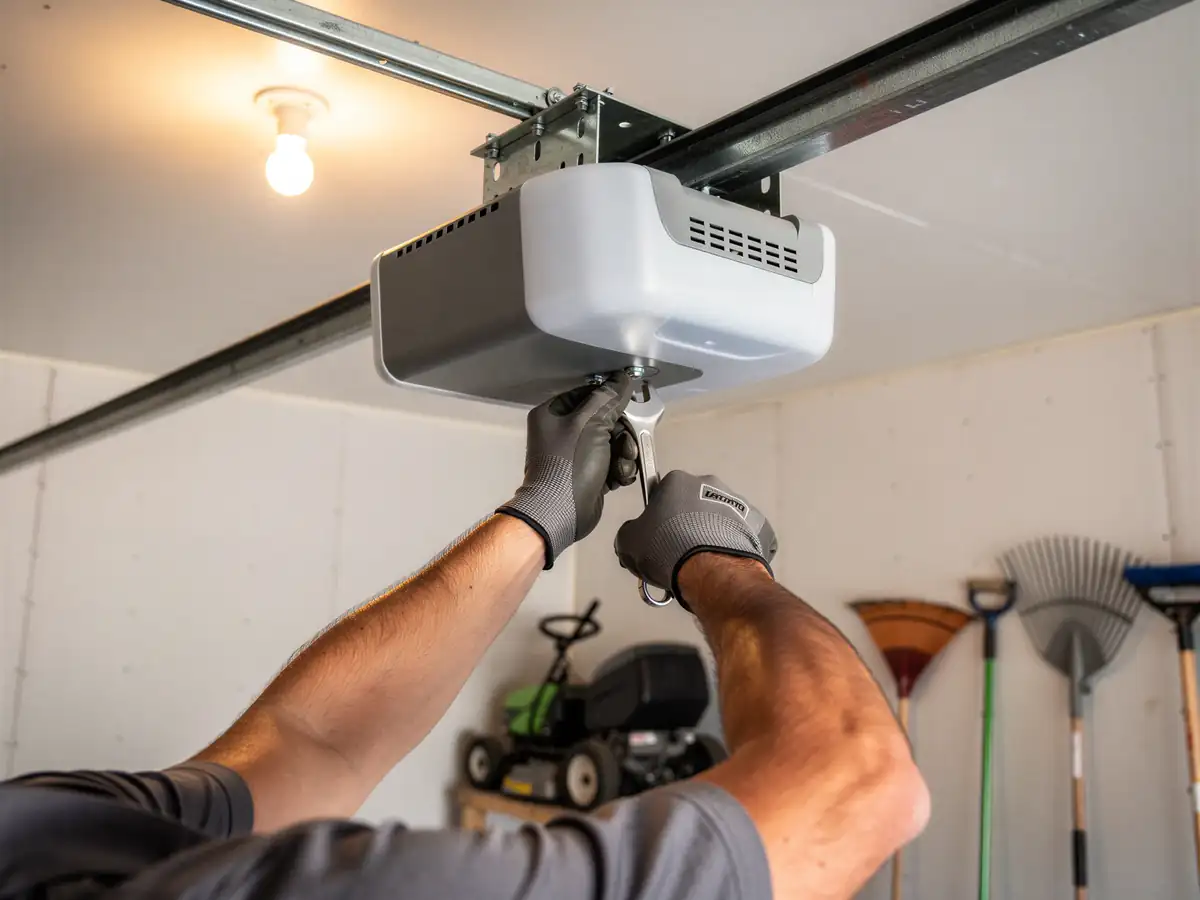
On the opener side, houses from this era commonly have chain or belt-drive units original to the build, now 20-plus years old. Symptoms run from the door reversing for no reason, to the remote working but the wall button not, to the motor humming and going nowhere. Nylon gears inside these units get brittle with heat cycling and eventually strip.
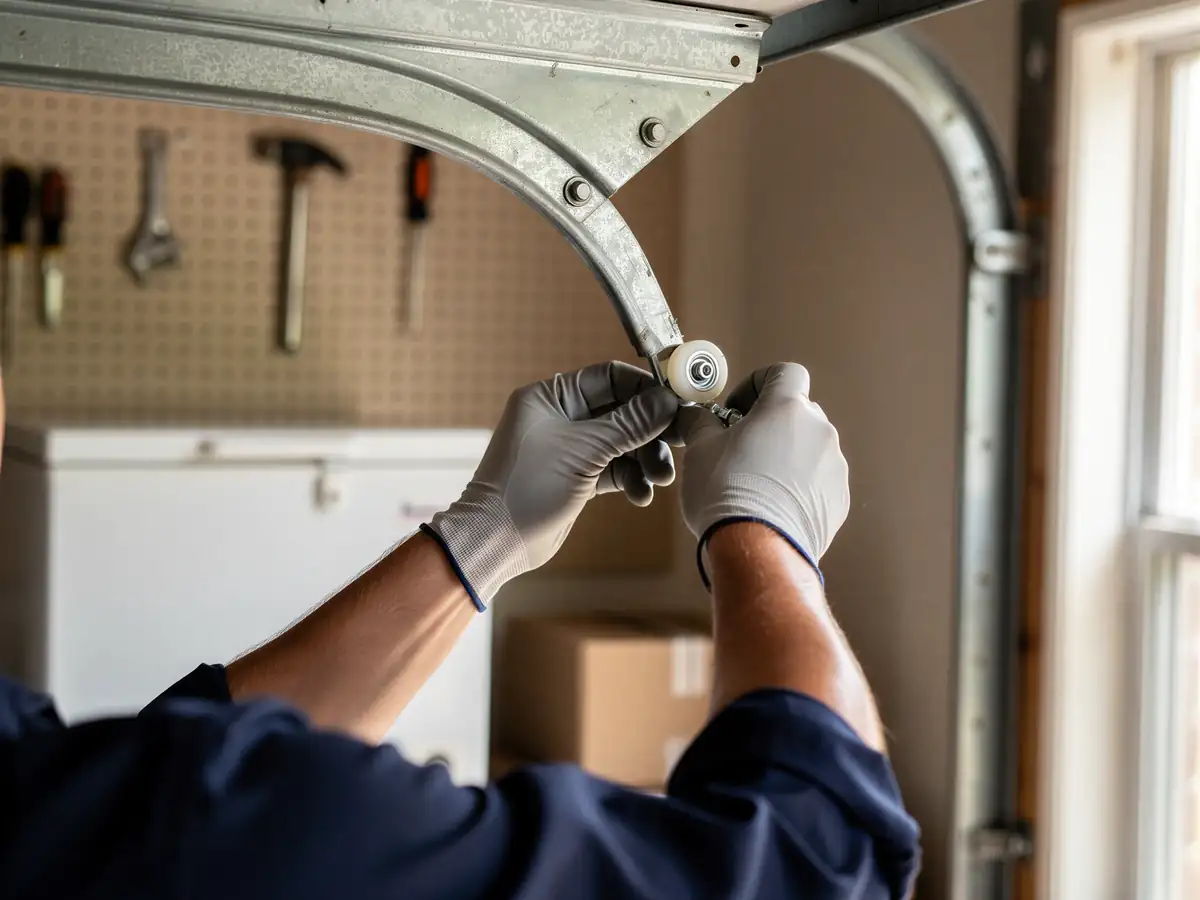
Tracks and rollers show a different signature: a door that shudders partway up, or rollers that have gone from round to flat-sided after two decades of thermal expansion and contraction in the rail. None of these are random. They're the predictable wear pattern of hardware installed in the 1980s-2007 window and run through Marana's heat ever since.
What You Pay
Cost depends on what's actually broken - a spring replacement, a full opener swap, or a track and roller job are three different bills, and we won't quote one over the phone without knowing which it is. What we can tell you is that spring and roller wear tends to show up earlier here than in milder climates, because the heat cycling accelerates fatigue in steel components regardless of brand or install quality.
We price the repair, not a service call markup disguised as diagnosis. If your opener is original to a house built in the 1980-2007 window, replacement parts for that specific model can sometimes be hard to source, and at that point a full opener swap often makes more financial sense than chasing discontinued gears.
Can You Do This Yourself
Some of this is reasonable DIY
Lubricating rollers and hinges, tightening loose bolts on the track, or replacing worn weatherstripping are jobs most homeowners can handle with basic tools.
Torsion springs are not that job
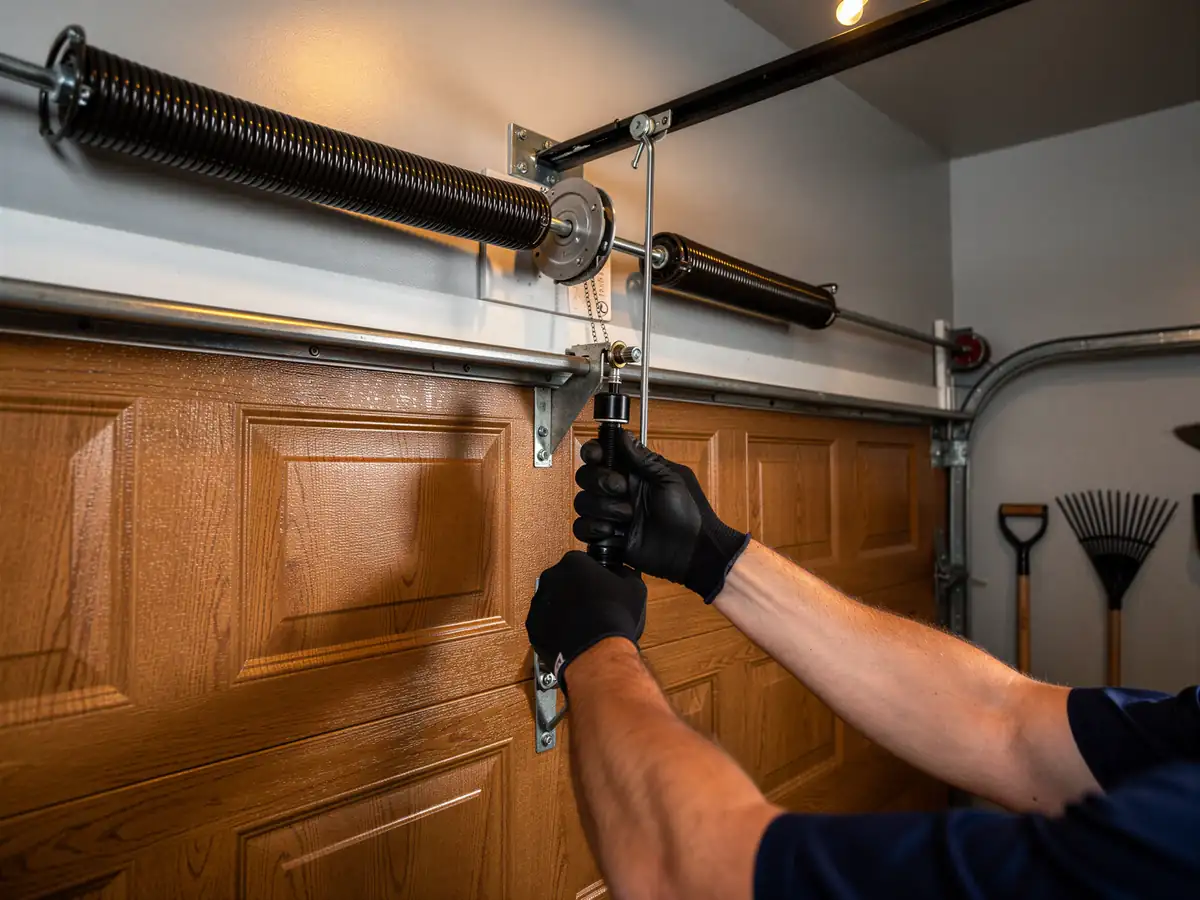
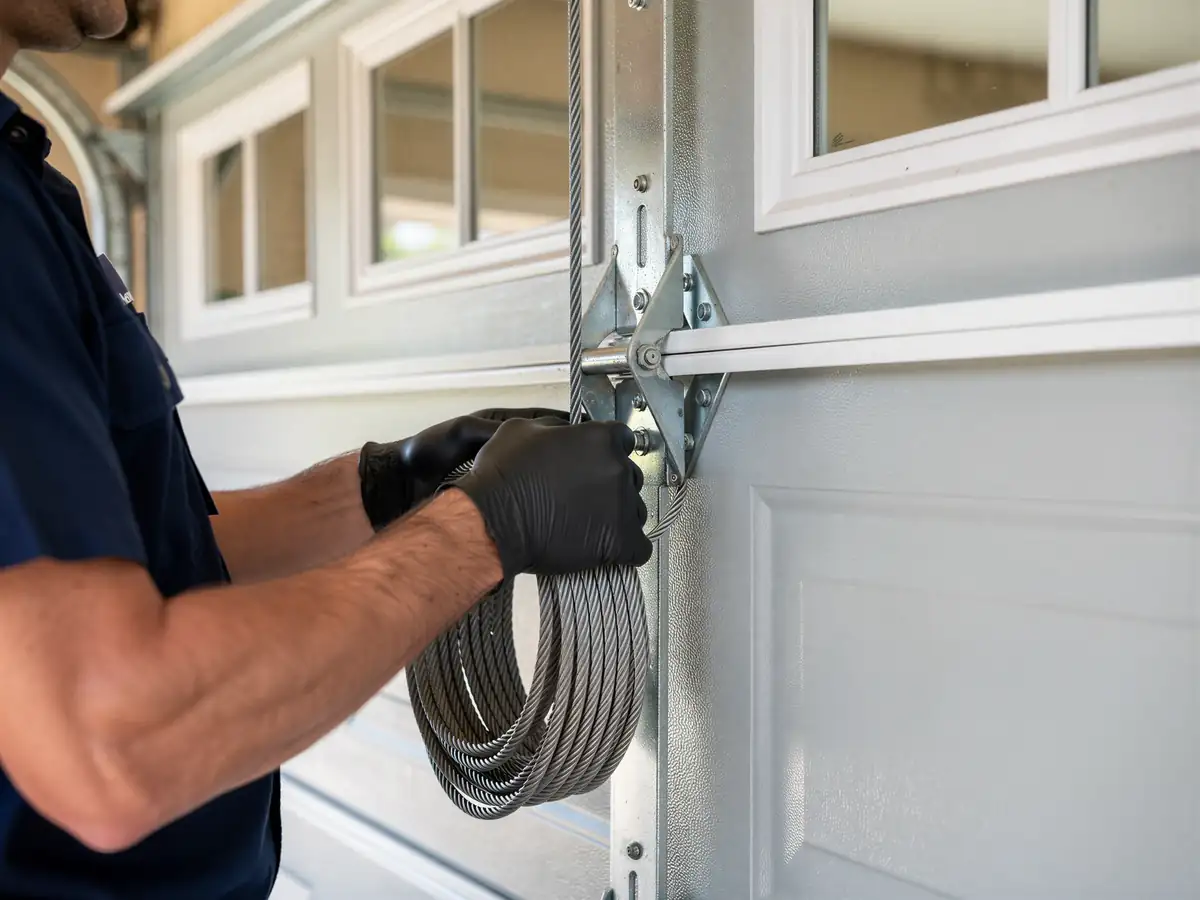
They're under enough tension to cause serious injury, and the wind bars and cones needed to safely release or set that tension aren't something to improvise with. If your spring has already snapped, the door is also now unbalanced and the opener will fight a load it isn't built for - running it in that state can strip the gear we mentioned above or burn out the motor.
We'll say plainly: if you're comfortable up a ladder and mechanically inclined
Roller and track inspection is fair game. Spring work, cable work, and anything involving the opener's internal gearing is where we tell people to call rather than YouTube it. That's not us protecting a revenue line - that's the actual injury risk.