Frayed or snapped cables are common on Marana's 1980-2007 housing stock after years of desert heat cycling. See what causes it, what to expect, and when to call.
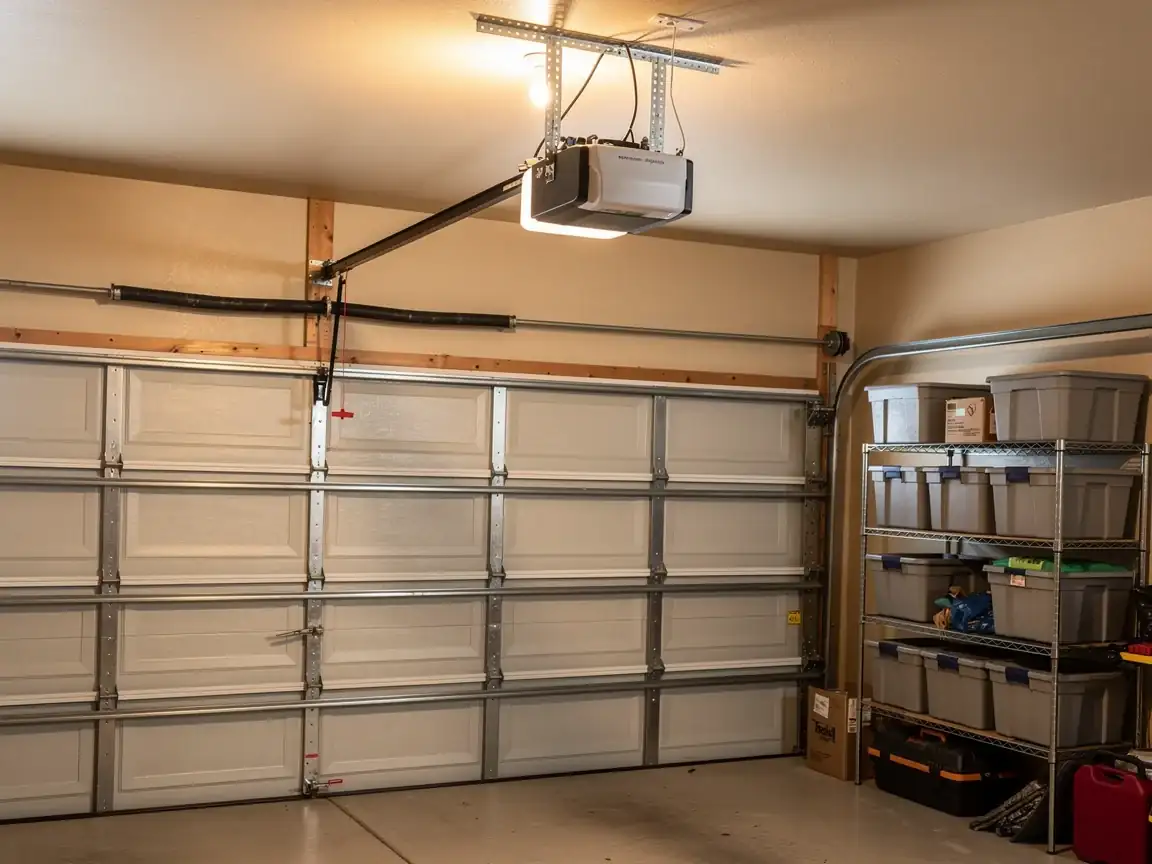
Most houses across the Marana service area went up between 1980 and 2007, with a lot of that stock clustered around 1995. That means a huge share of doors still running on their original lift cables, the thin galvanized steel wire that winds onto the drum and takes the full weight of the door when the springs let go of it. Cable doesn't care how old it is in isolation - it cares about heat cycles. The severe summer heat here pushes garage interiors well past what the cable's zinc coating was built to shrug off day after day, and that coating is what keeps the strands from corroding and the wire from going brittle. Run that cycle for two or three decades and the cable starts to fray right where it wraps the drum, usually on one side first. A door that's 25-30 years old in a climate this hot is not the same risk as a 25-year-old door somewhere mild. That combination - older build year, severe heat band - is exactly why cable failure shows up as a service call here more than people expect for a part most homeowners never think about. It's not a manufacturing defect. It's just time plus heat, doing what time plus heat does to steel.
What You Are Seeing
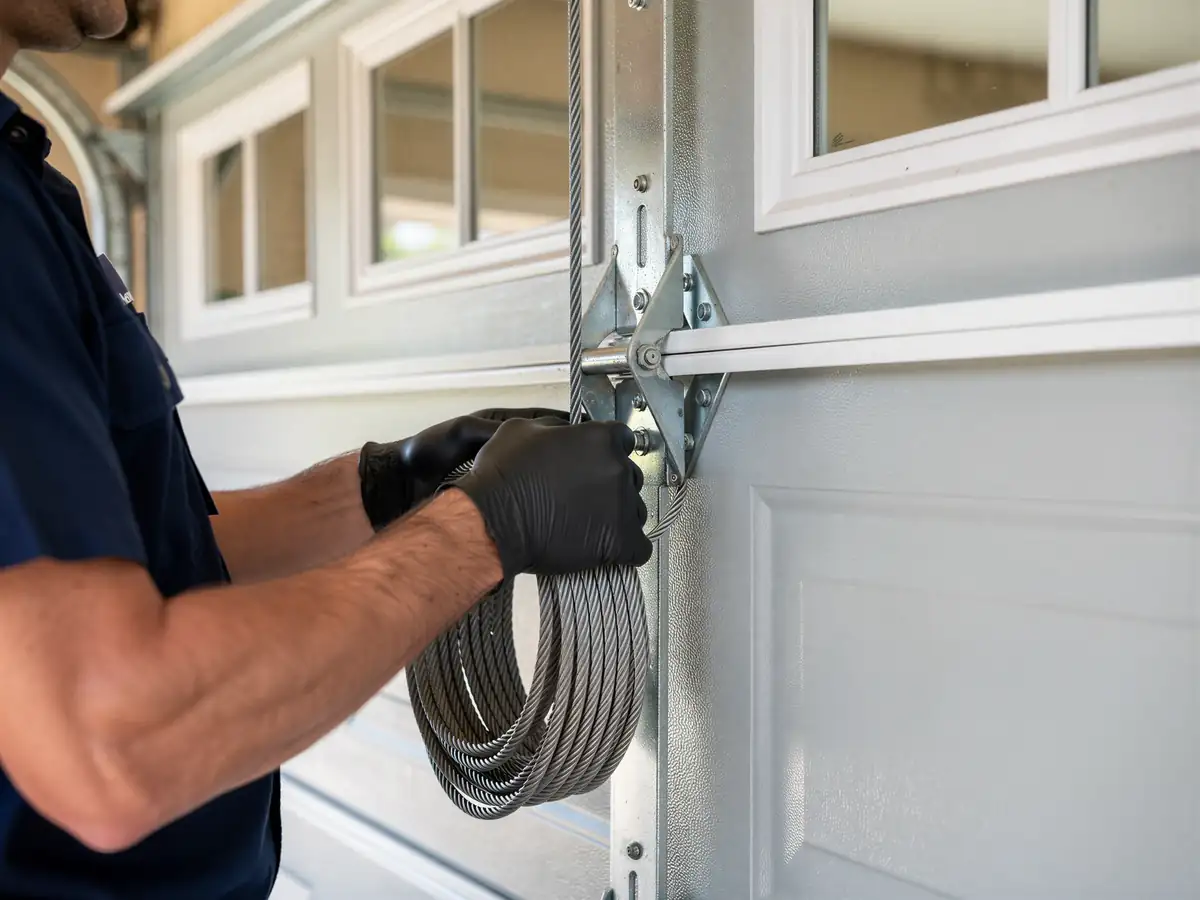
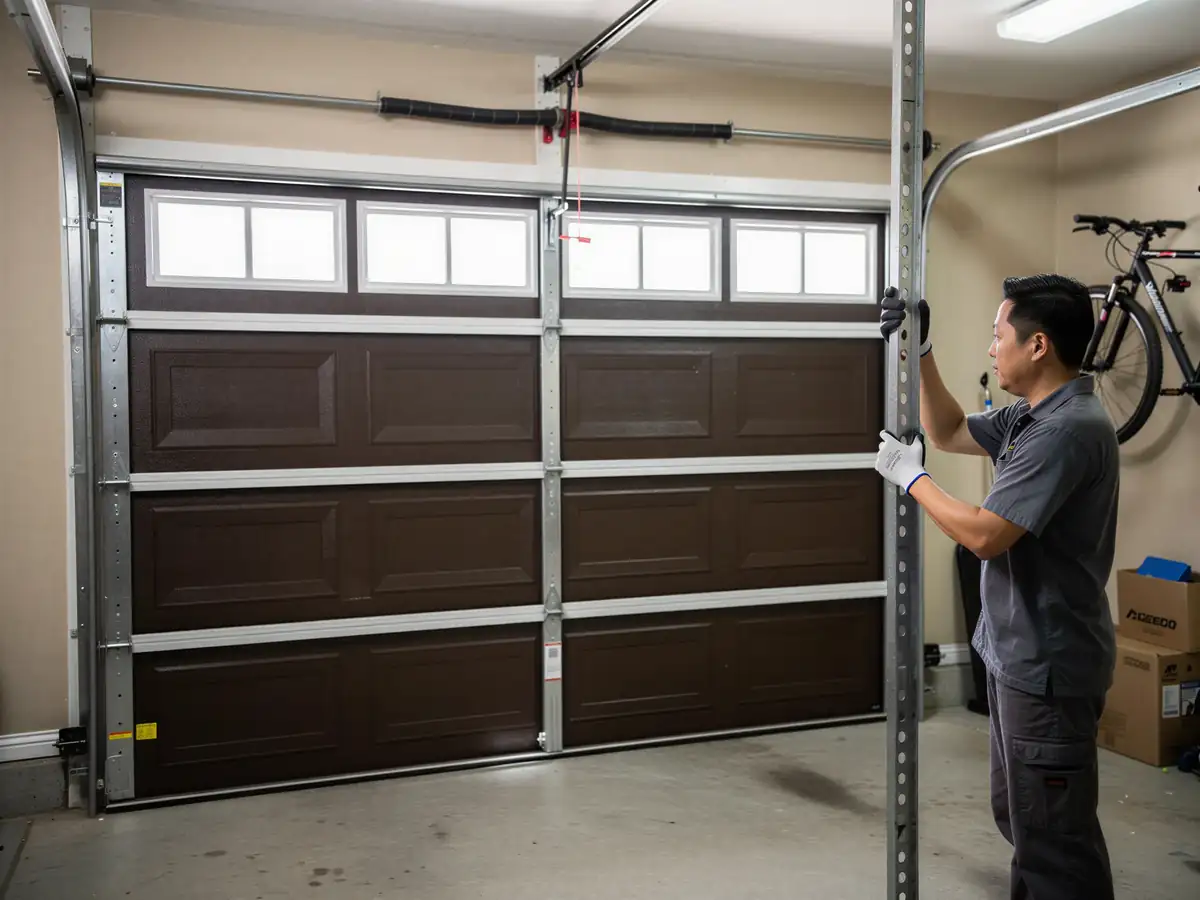
The classic sign is a door that goes up crooked - one corner higher than the other, or the whole panel tilted and binding in the track on one side. That's a cable that's stretched, slipped off the drum, or snapped outright while the other side is still holding. Sometimes you'll catch it before it fails completely: a visible kink or a few broken strands poking out near the bottom bracket or up at the drum, looking almost like a frayed shoelace. Other times the door just drops hard on one side when you hit the opener, or it won't move at all because the cable has come off the drum and jammed. If you hear a loud bang and the door sags afterward, that's usually the cable letting go under spring tension, not the spring itself, though the two often get blamed on each other. A door stuck halfway open, leaning, or refusing to seat flush at the bottom are all cable symptoms worth checking before you run the opener again and put more strain on whatever's left holding the door up.
What You Pay
We don't publish a flat number here because cable jobs vary - which side is affected, whether the drum or track took damage when the cable let go, and whether it's a single door or a double with two cable sets. A clean cable replacement on a door that's otherwise in good shape is a different job from one where the dropped door also bent a track or chewed up a roller. We'll give you the actual number after a look at the door, not a guess over the phone. What we can tell you: this isn't a part worth stockpiling or guessing at online, since the drum size and cable length have to match your door's drum and track configuration exactly, or you're back to square one in a few months.
Can You Do This Yourself
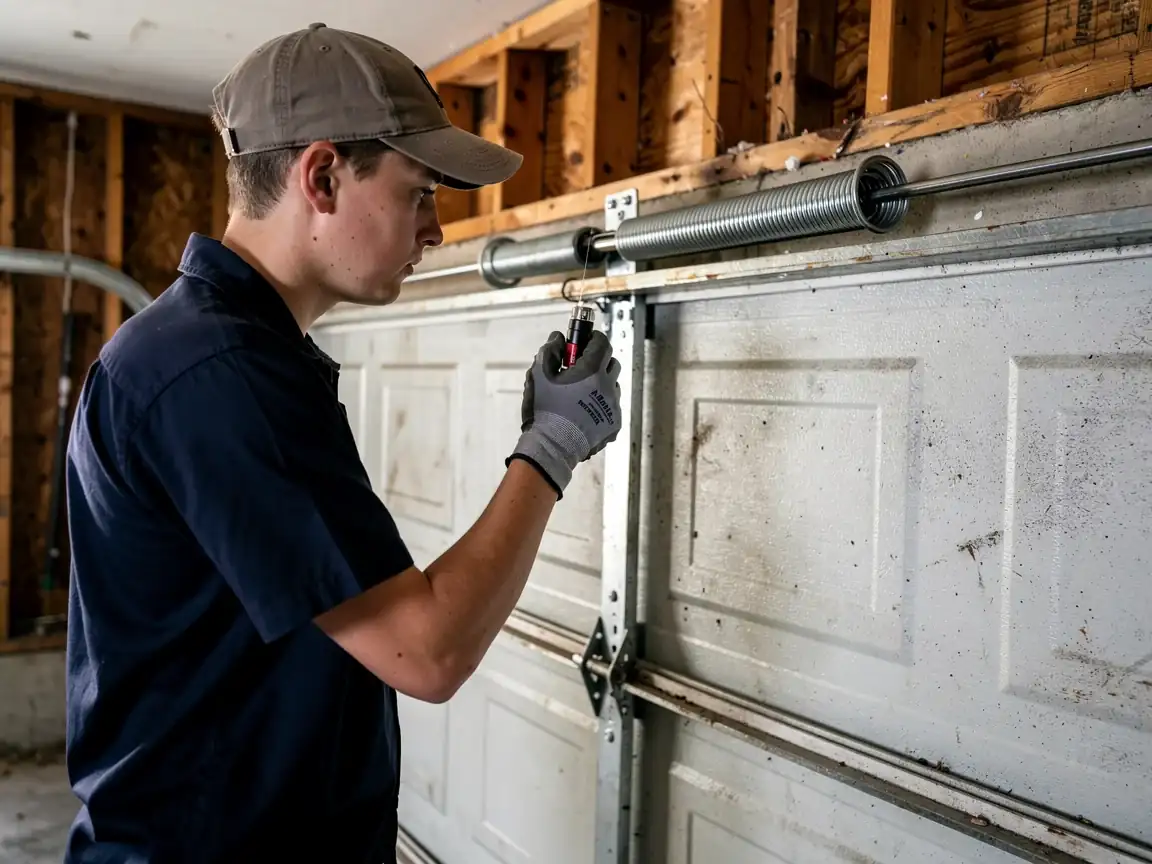
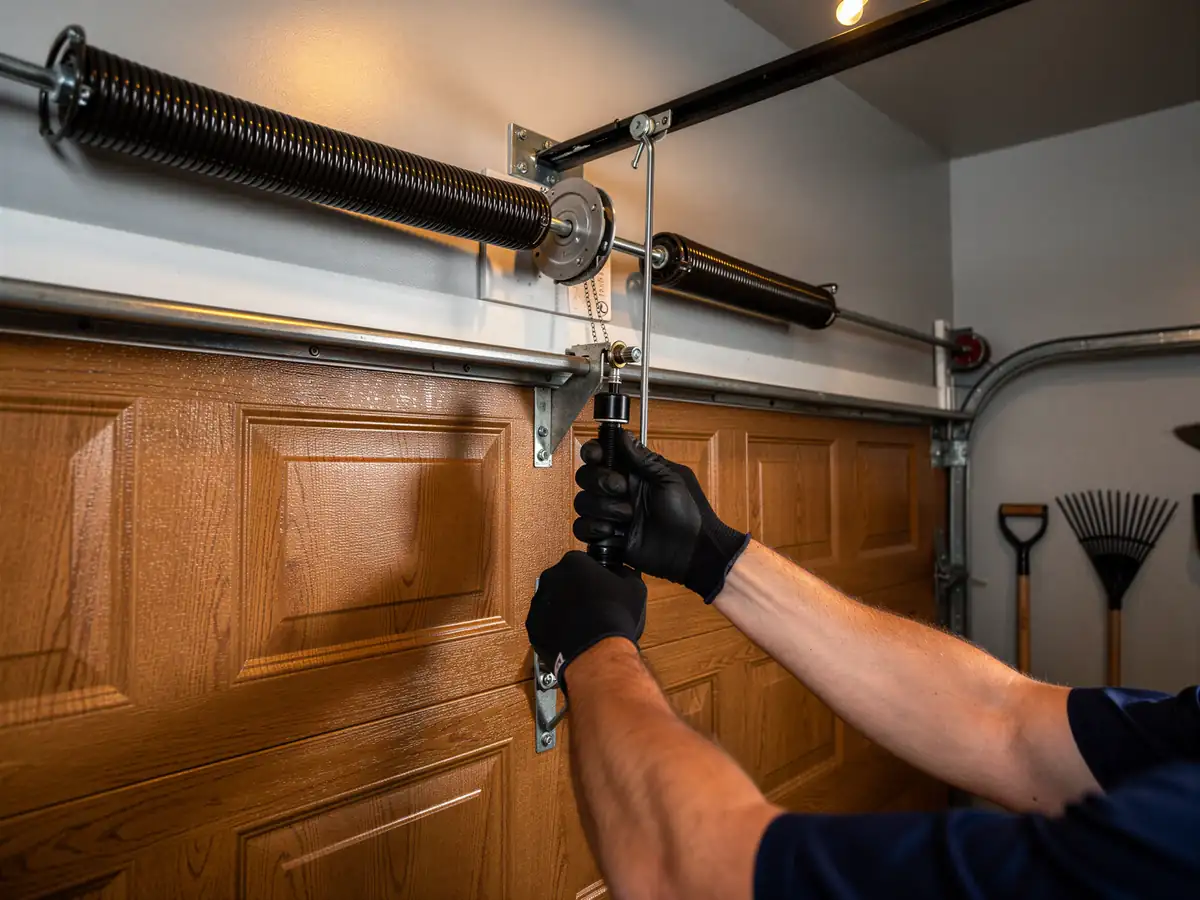
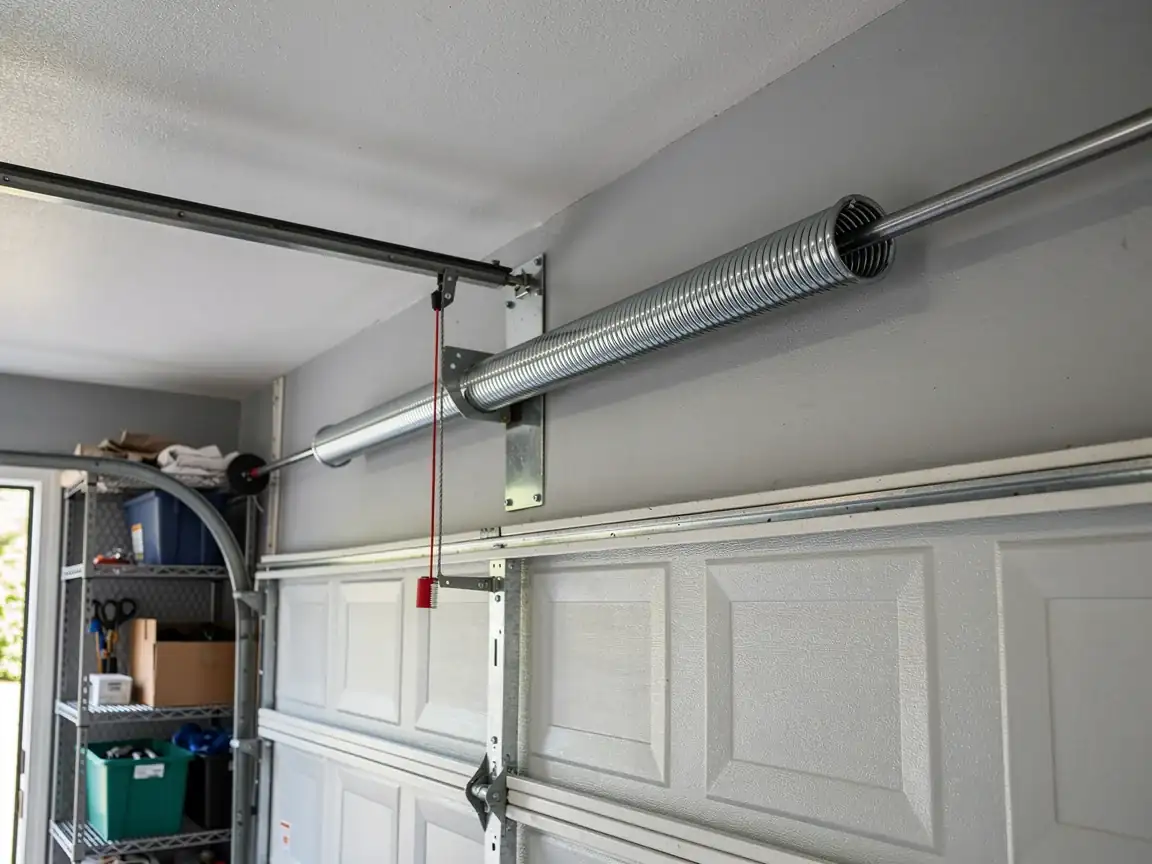
Honestly, no - and this is the one we'll tell you straight. A garage door cable is under load from the torsion or extension spring system the entire time the door is closed, and disconnecting or replacing it means working next to a spring that's still wound tight. That's how people lose fingers or worse. Winding bars, vice grips on the shaft, and knowing which direction the spring unwinds aren't things to learn on your own door. If you're comfortable with basic maintenance - lubricating hinges, tightening loose bolts, clearing track debris - that's fine territory to be in. Cable and spring work isn't. If your door is sagging or crooked right now, the safest move is to leave it closed, unplug the opener so it doesn't try to force the door, and call it in rather than taking a run at it yourself.
How it works
From “it’s stuck” to “it’s fixed”
01
Tell us what’s wrong
Describe the symptom - won’t open, loud bang, opener runs but the door won’t move.
02
On-site diagnosis
A technician tests the door under power and by hand and finds what actually failed.
03
Clear, up-front plan
You get the fix that’s needed and what drives the cost - before any work starts.
04
Repaired & tested
The repair is done, the door is set true and tested, and the work area left clean.
Not sure which repair your door needs in Marana, AZ? Describe what it’s doing - every job starts with a diagnosis.
Why do garage door cables fail more in Marana than other repairs?
A lot of it comes down to age and heat together. Much of the local housing stock dates to 1980-2007, so cables are often original, and the area's severe summer heat accelerates the wear on the zinc coating that protects the steel strands, leading to fraying and eventual snaps.
Can I just replace the cable myself to save money?
We don't recommend it. The cable works against a wound spring system, and disconnecting it while the spring is still under tension is a serious injury risk. It also requires matching drum size and cable length to your specific door, which varies job to job.
Is a broken cable the same as a broken spring?
No, though they get confused often because both cause a door to sag or bind. The spring provides lift; the cable transfers that lift to the bottom corners of the door. A snapped cable alone can make a door crooked while the spring is still fine.
Ready to get your garage door sorted?
Tell us what it’s doing and where you are in Marana - we’ll take it from there.