What Is on the Truck
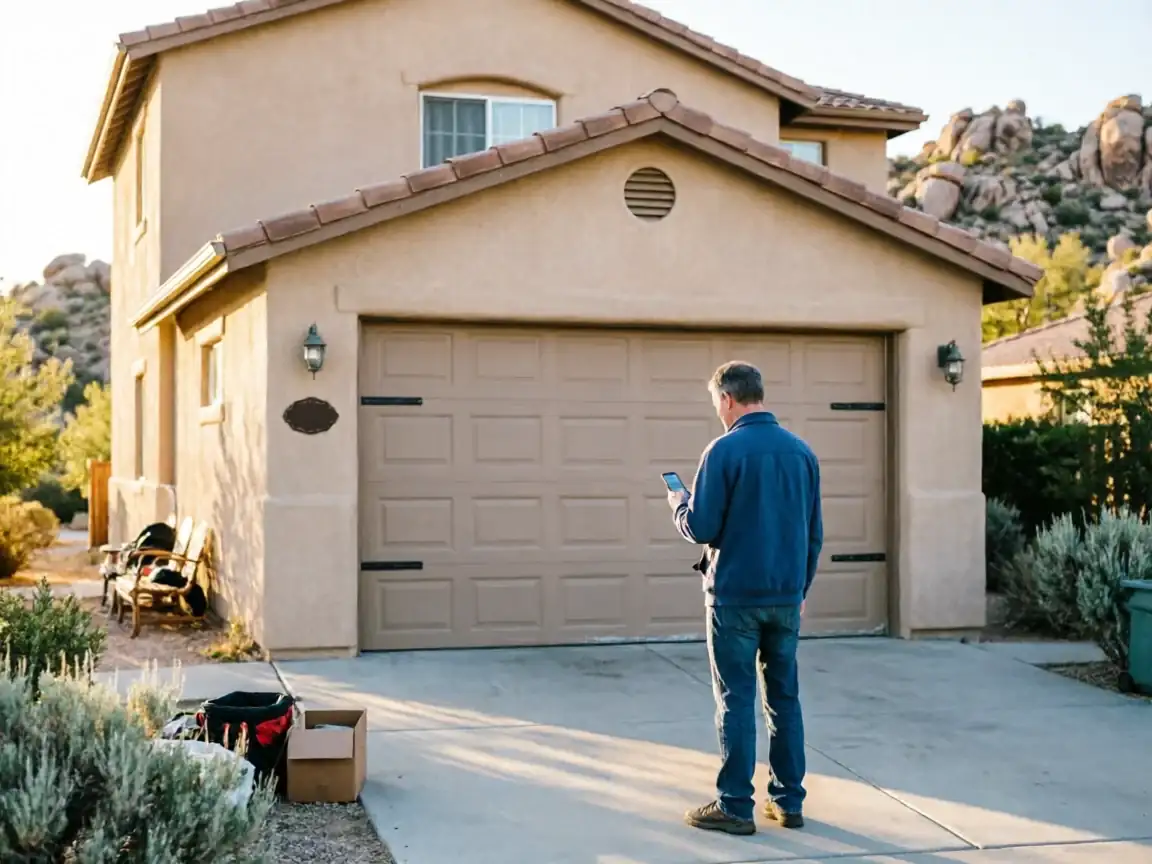
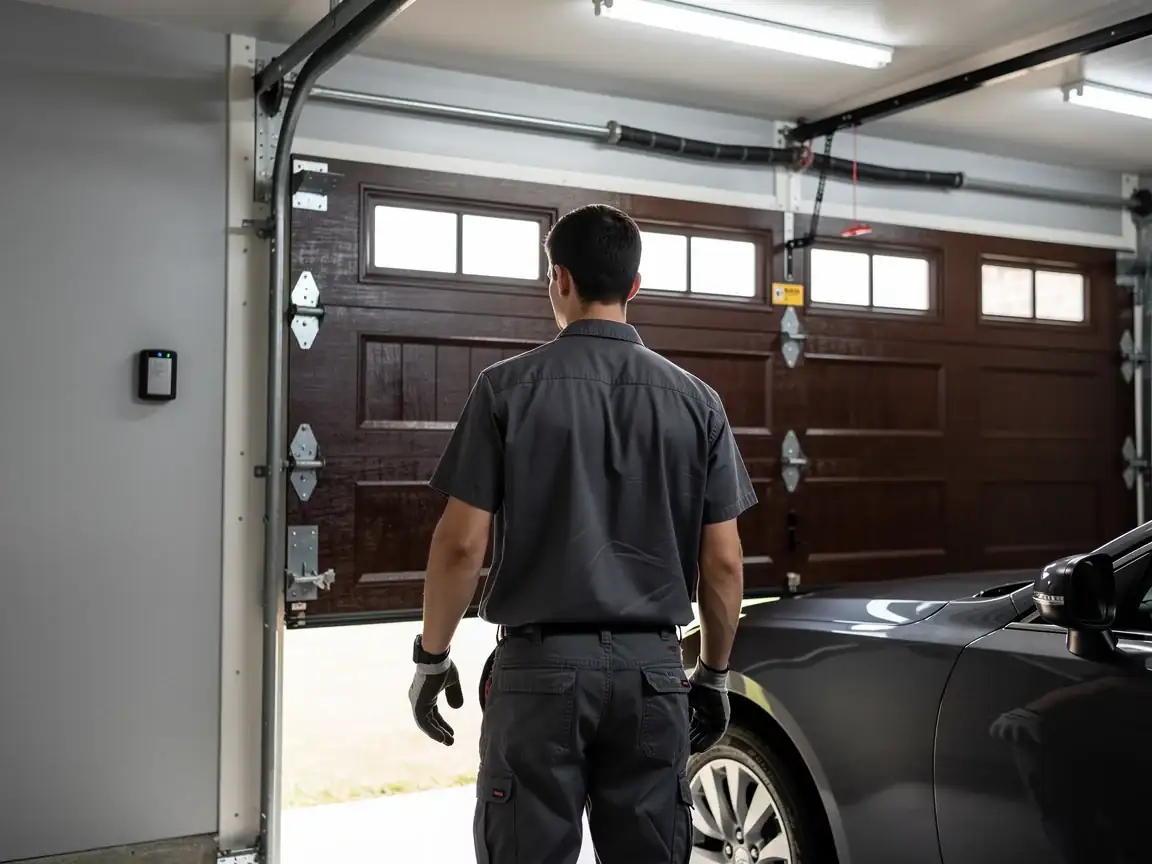
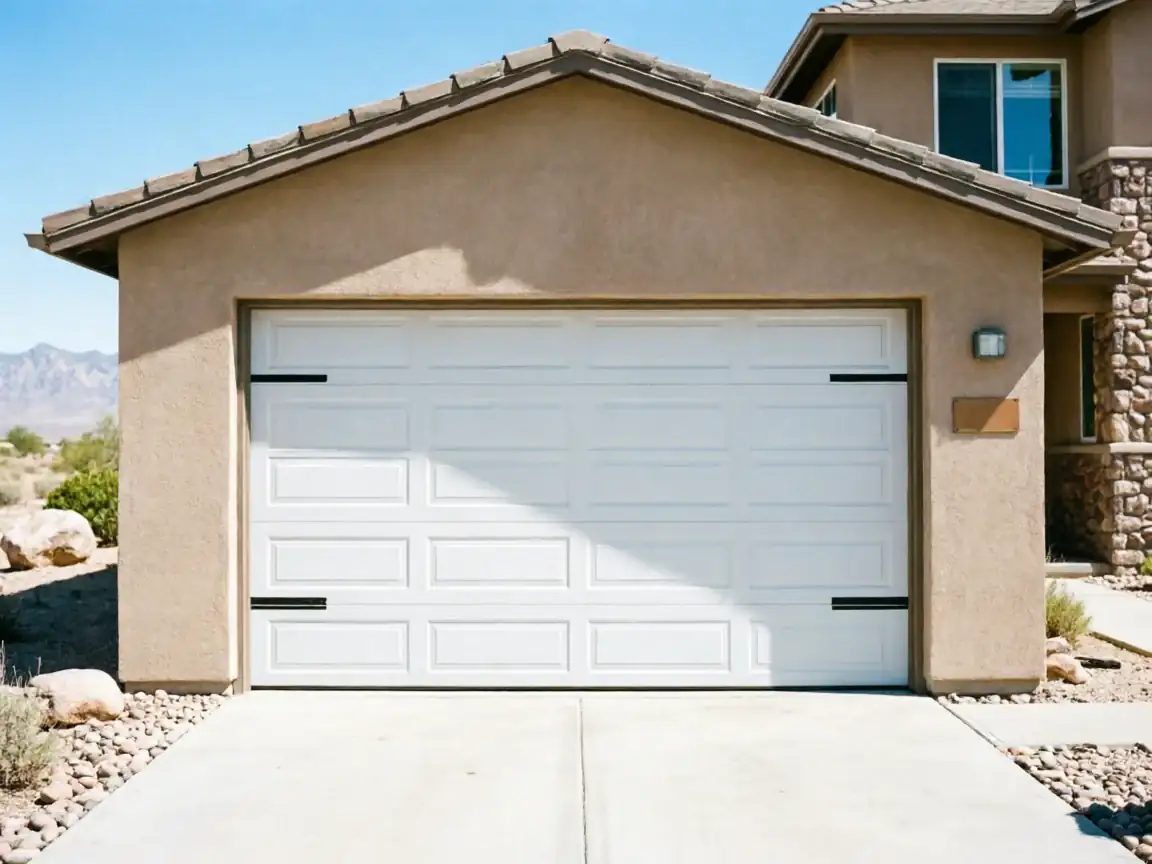
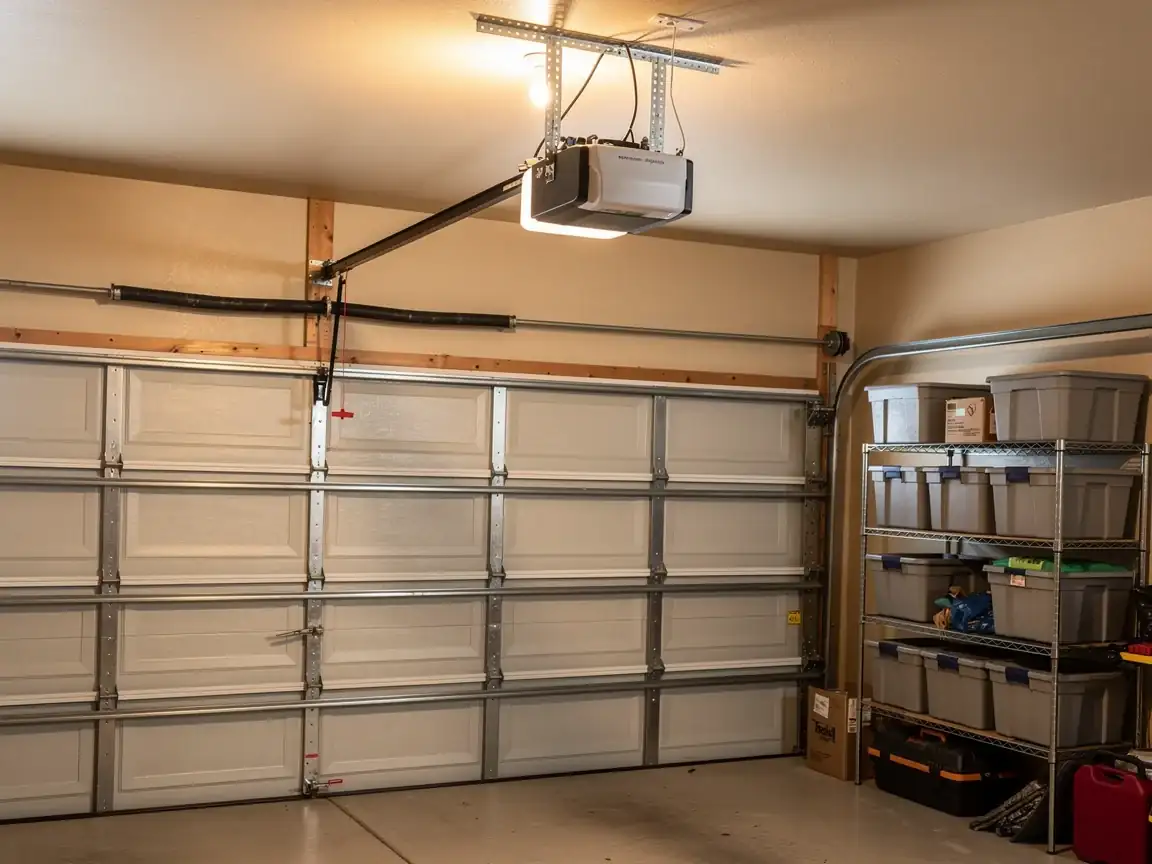
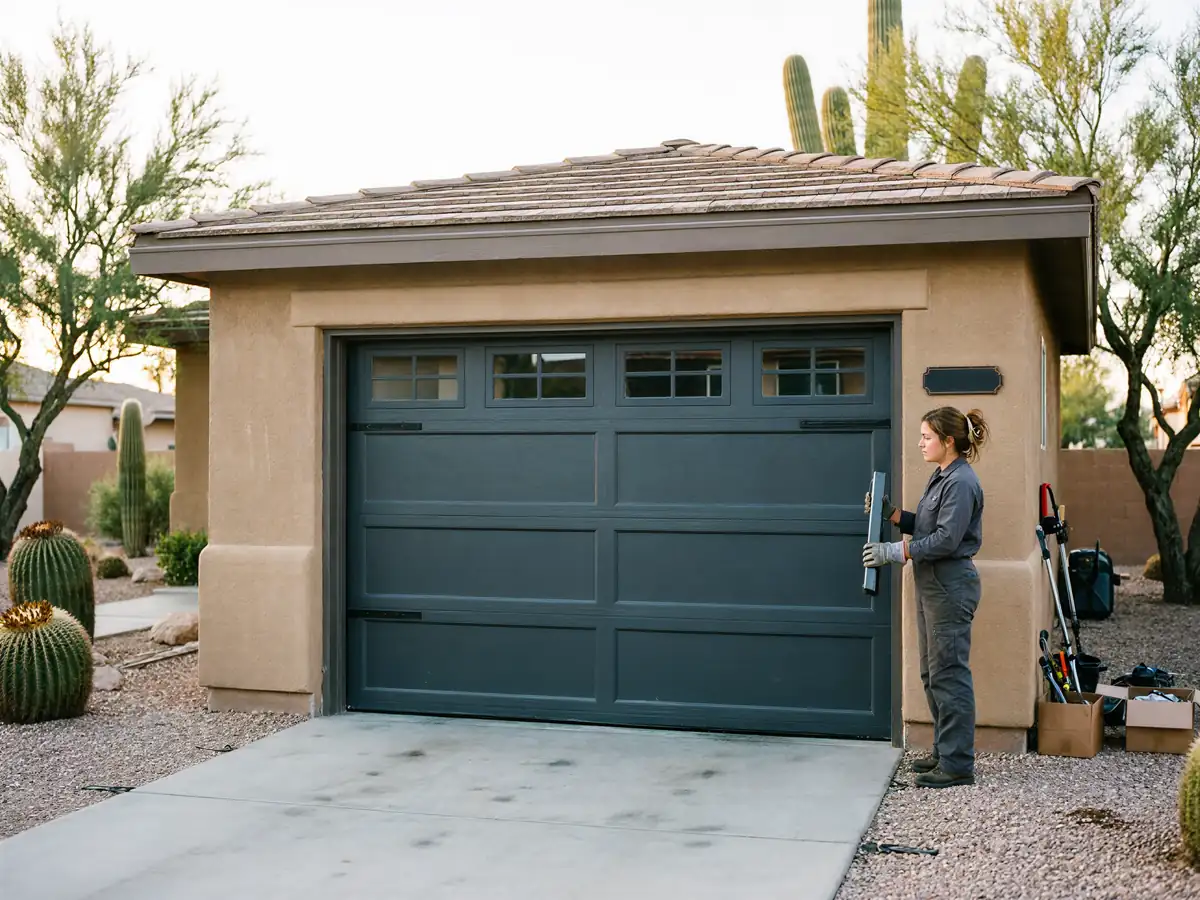
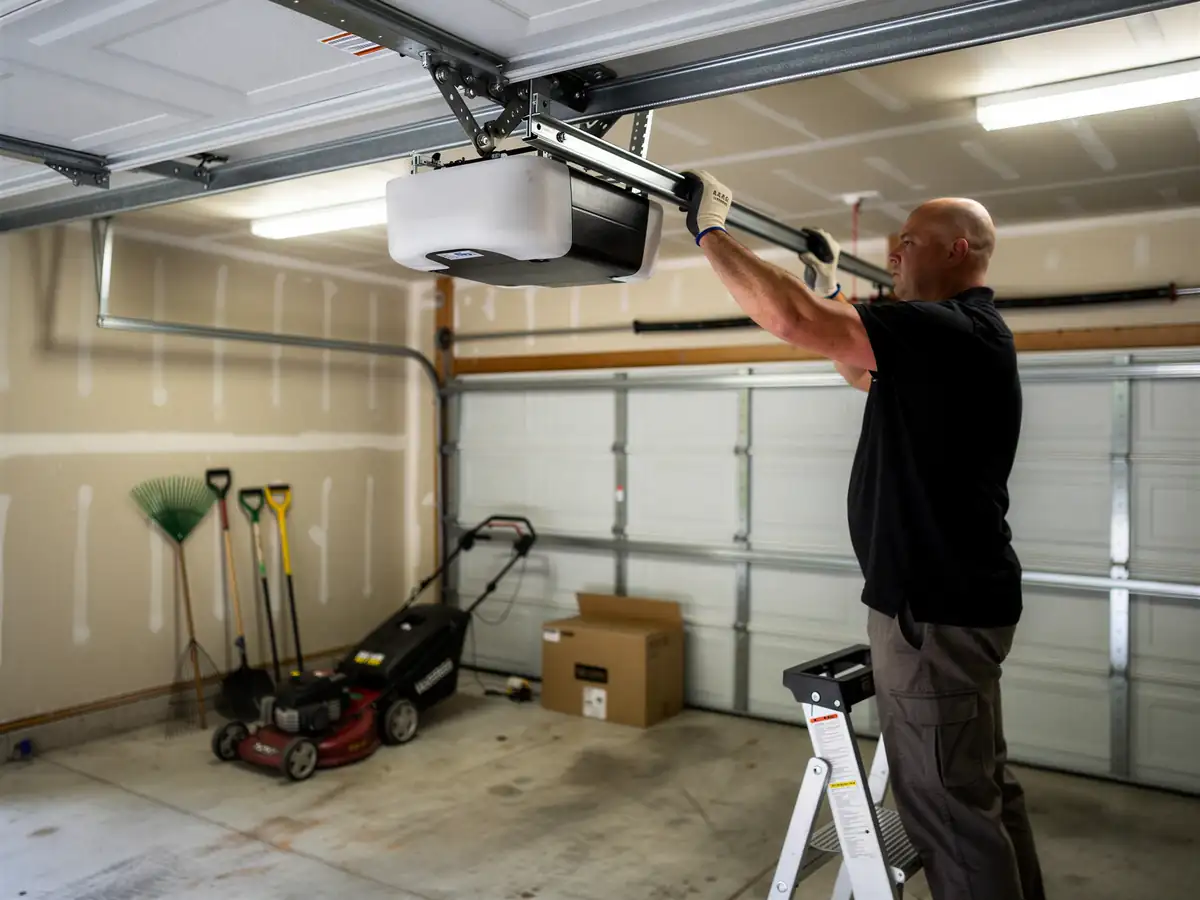
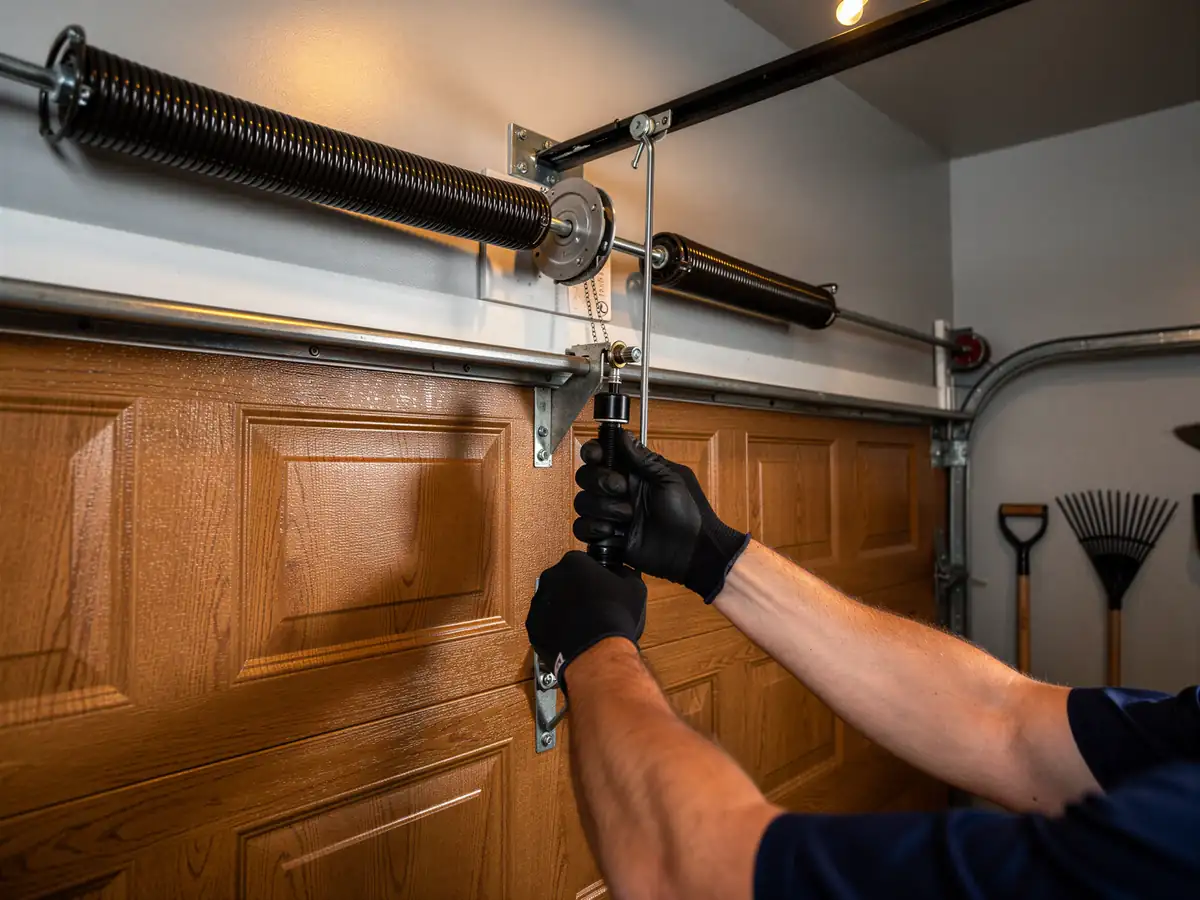
Most Avra Valley garages were built around 1996, which puts them squarely in the same 1980-2007 stretch of construction as the rest of the areas Marana Garage Door Pros covers - mid-90s steel sectional doors, usually 16x7 double or 9x7 single, on torsion hardware mounted above the opening rather than the older side-mount setups from the areas built before 1980. The truck carries torsion springs sized for that door weight, steel hinges and rollers that match factory spacing from that era, and opener parts for the chain and belt drives that were common when these houses went up. What we don't stock is anything for pre-1980 wood doors or custom architectural panels - those aren't what's out here, so we don't carry them, and if your door turns out to be an outlier we'll tell you it's a special-order part before we start.
What You Are Seeing
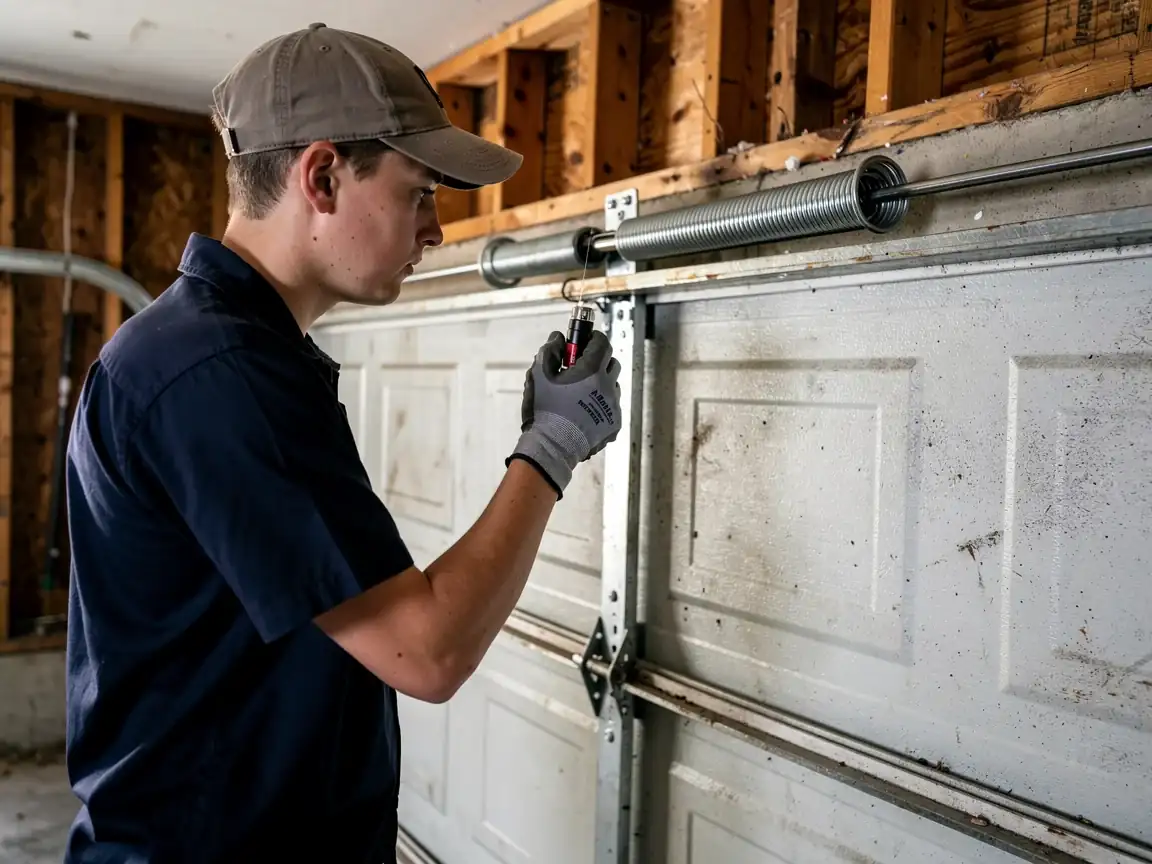
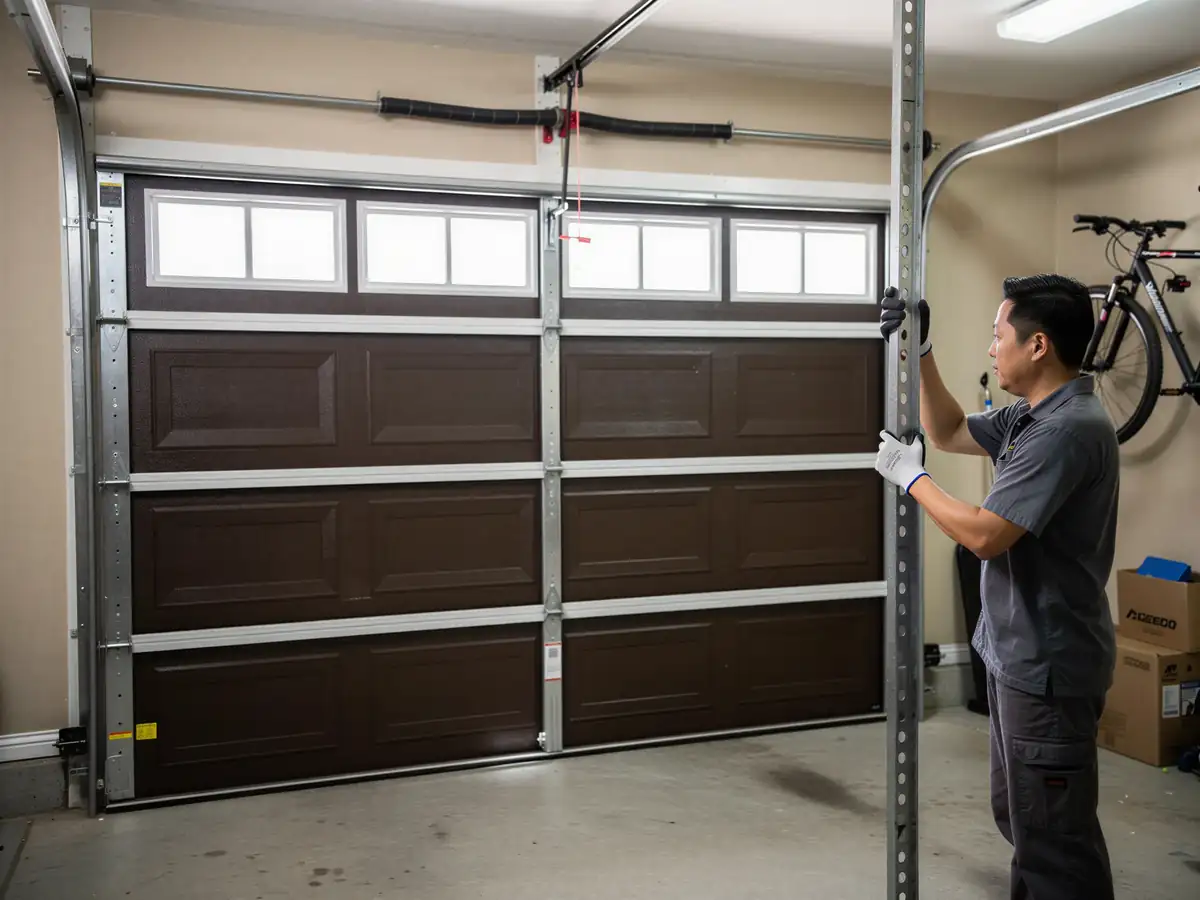
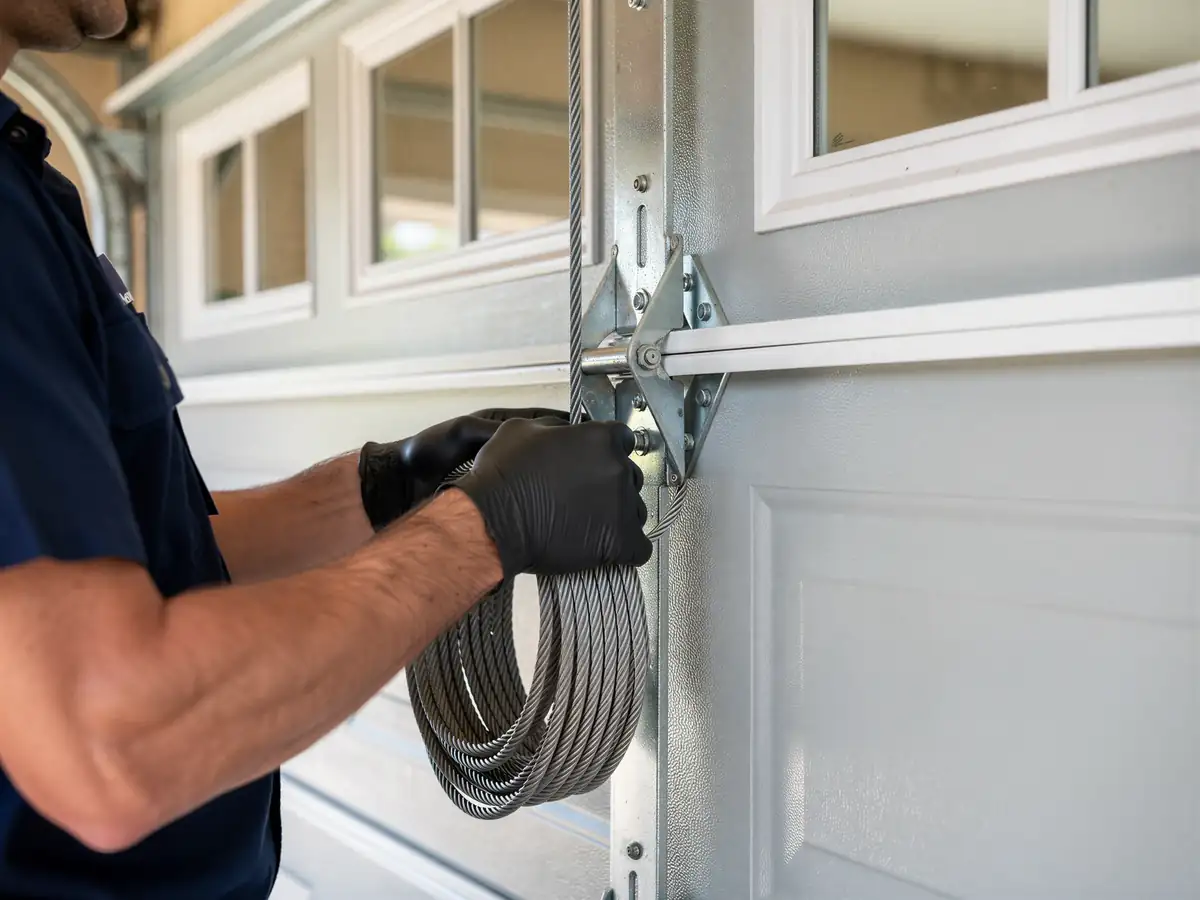
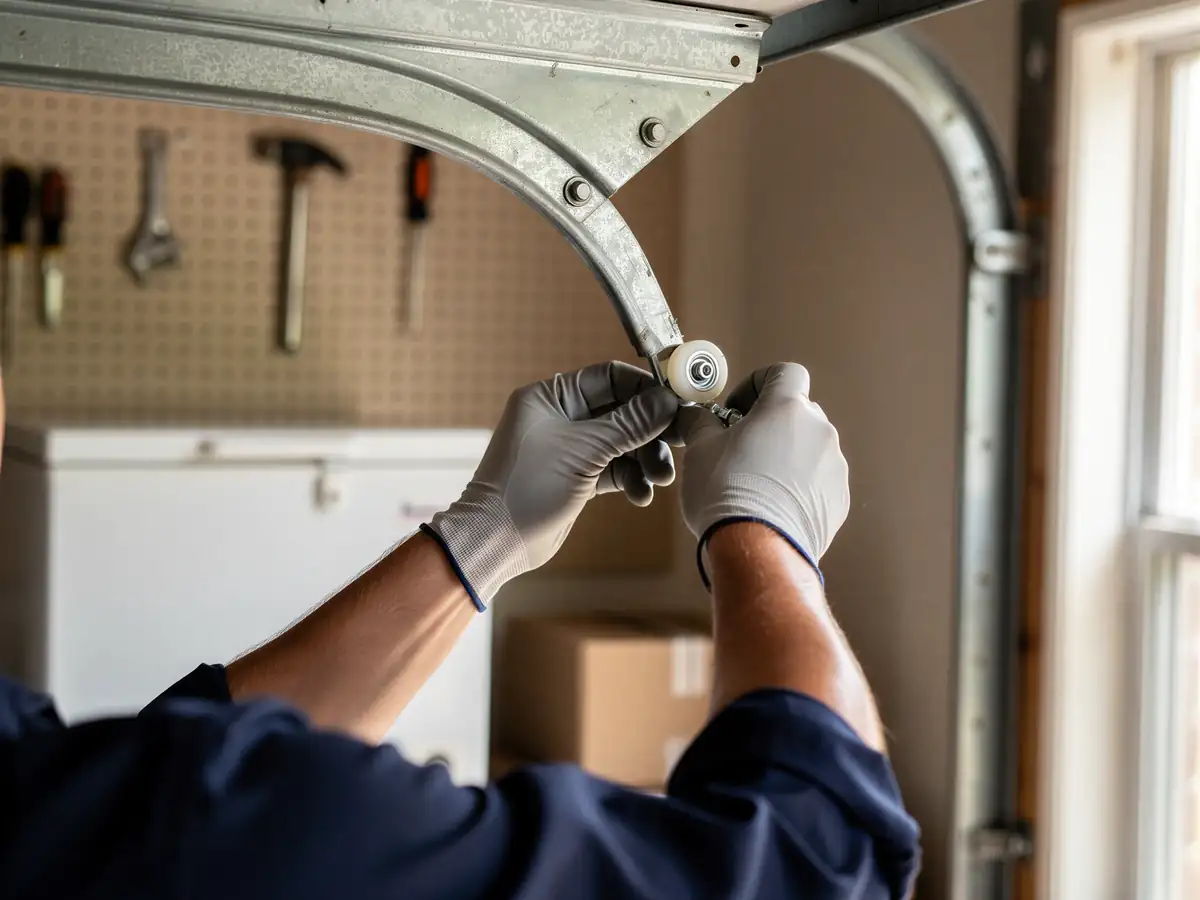
A door built around 1996 is pushing thirty years old now, and in a climate the federal data rates as severe heat, that age shows up as specific symptoms: nylon rollers gone brittle and cracked, galvanized cable starting to fray at the drum, and torsion springs that have lost tension from repeated heat-cycling rather than from a single snapped coil. If your door is noticeably heavier to lift by hand than it used to be, or the opener strains and reverses partway up, that's usually the spring losing tension, not the opener failing. Panels on steel doors from this era can also show rust bubbling at the bottom corners where irrigation runoff or standing water sits against the steel longer than it should in a dry climate - a sign the door's finish is original and hasn't been touched since it was installed.
Why This Fails Locally
The reason a 1996-era door fails here isn't usually one dramatic break - it's accumulated heat cycling on a spring that was never rated for three decades of Arizona summers, plus rollers and seals that dry out and crack faster than they would in a milder climate. With 2,354 households in Avra Valley built in roughly the same stretch, a lot of doors out here are hitting that same age wall at close to the same time, which is why spring failure calls tend to cluster by neighborhood build year rather than by random chance. The lower median income in this area also means more owners are choosing to repair rather than replace, which is a reasonable call on a door whose track and frame are still square - it's not a reasonable call once the frame itself has shifted.
Where This Job Goes Sideways
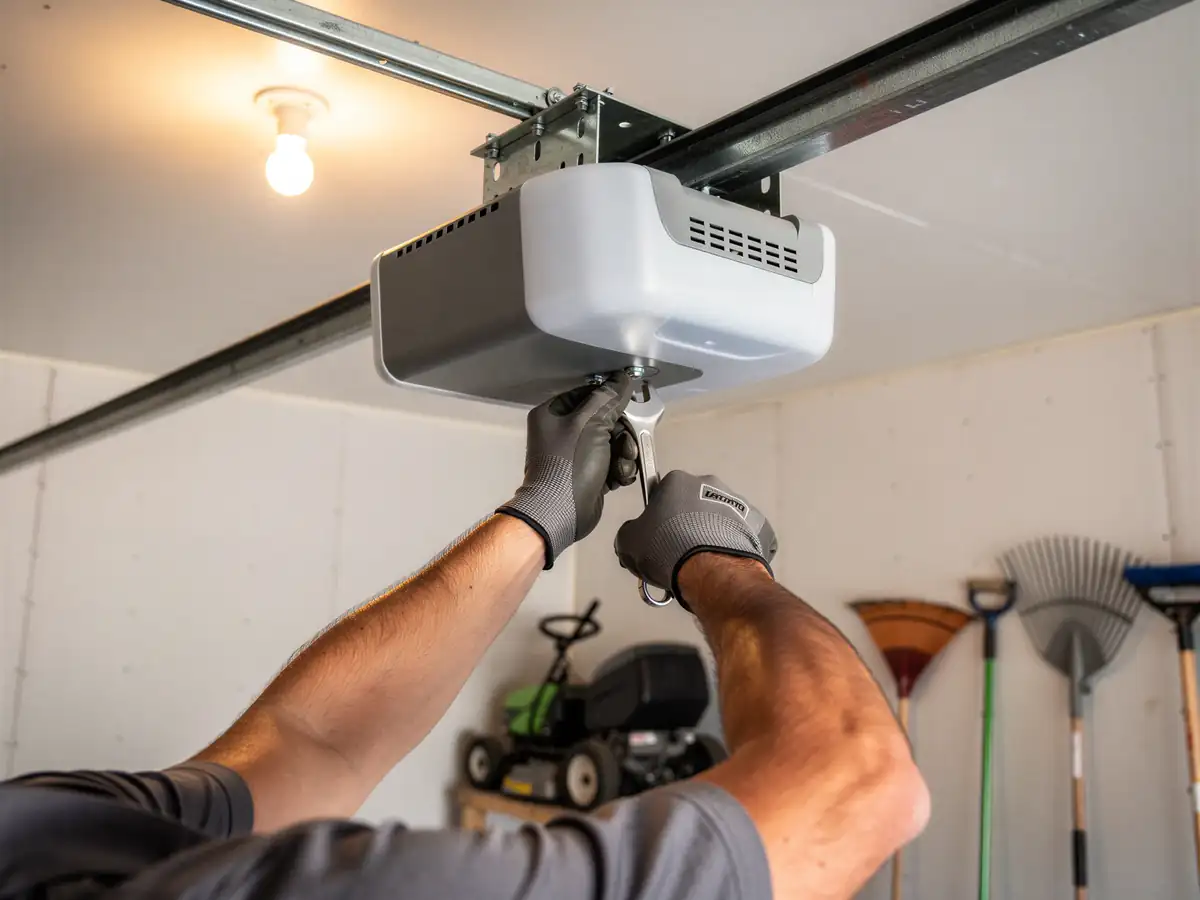
The job goes sideways when a homeowner tries to replace a single spring on a double door without rebalancing both sides, or when a cracked roller gets ignored until it jumps the track and bends the hinge around it - a cheap part turning into a bent panel. It also goes sideways when a door this age gets a new opener bolted onto old, fatigued springs: the opener strains to compensate, burns out early, and the real problem - the spring - never gets fixed. We won't put a new opener on a door with springs we haven't checked, because it just moves the failure point and costs the homeowner twice.