What Is on the Truck
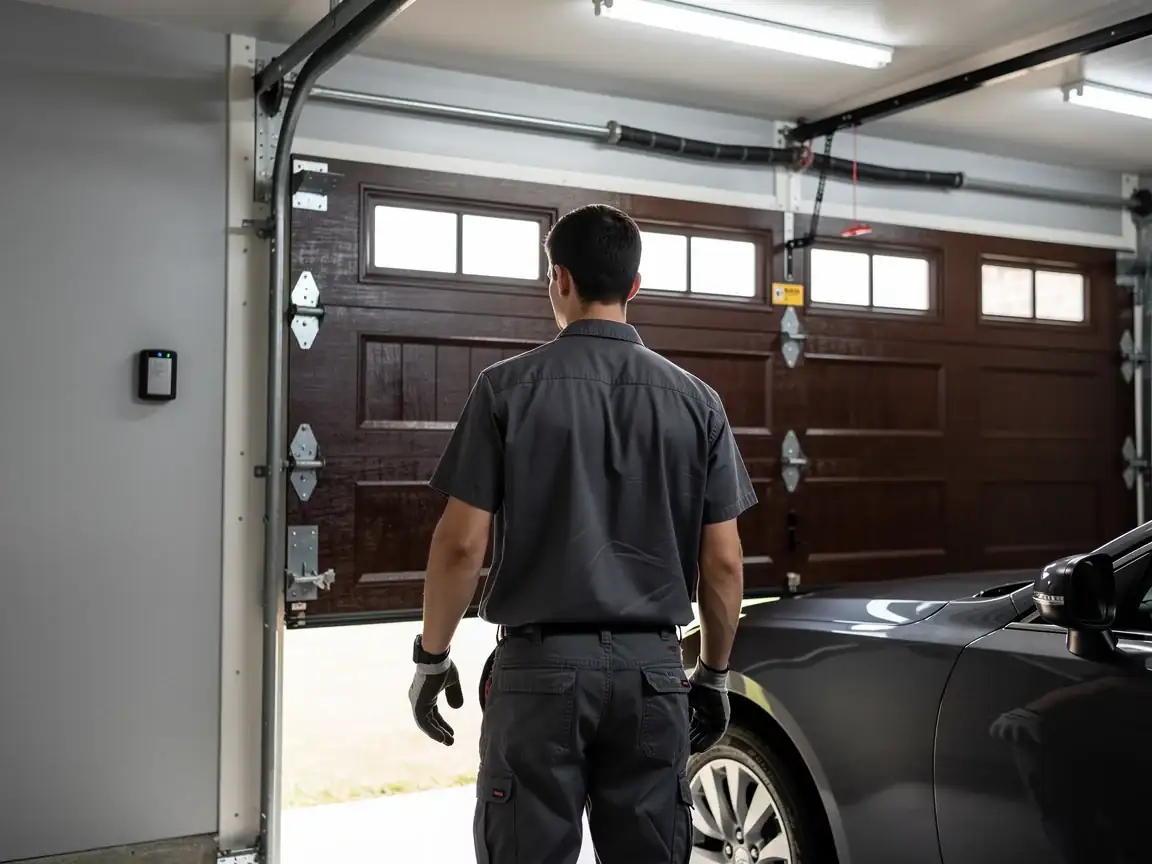
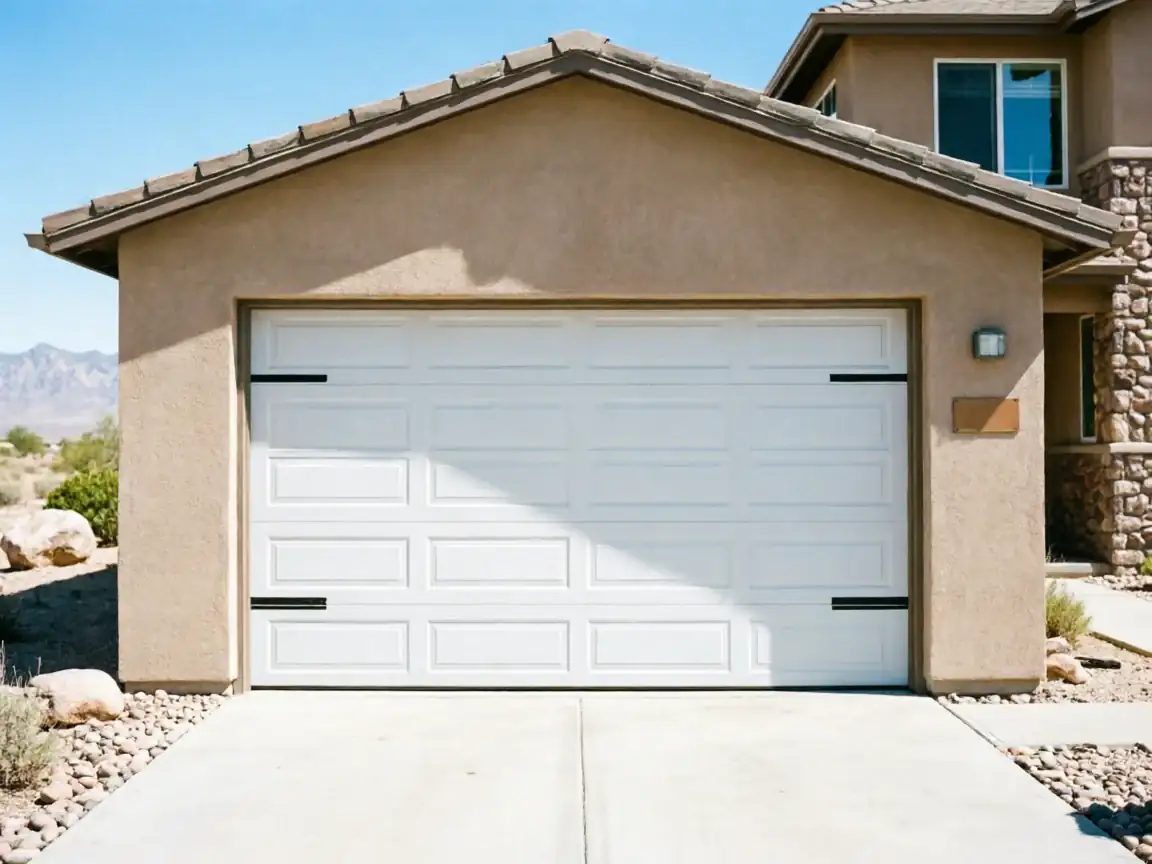
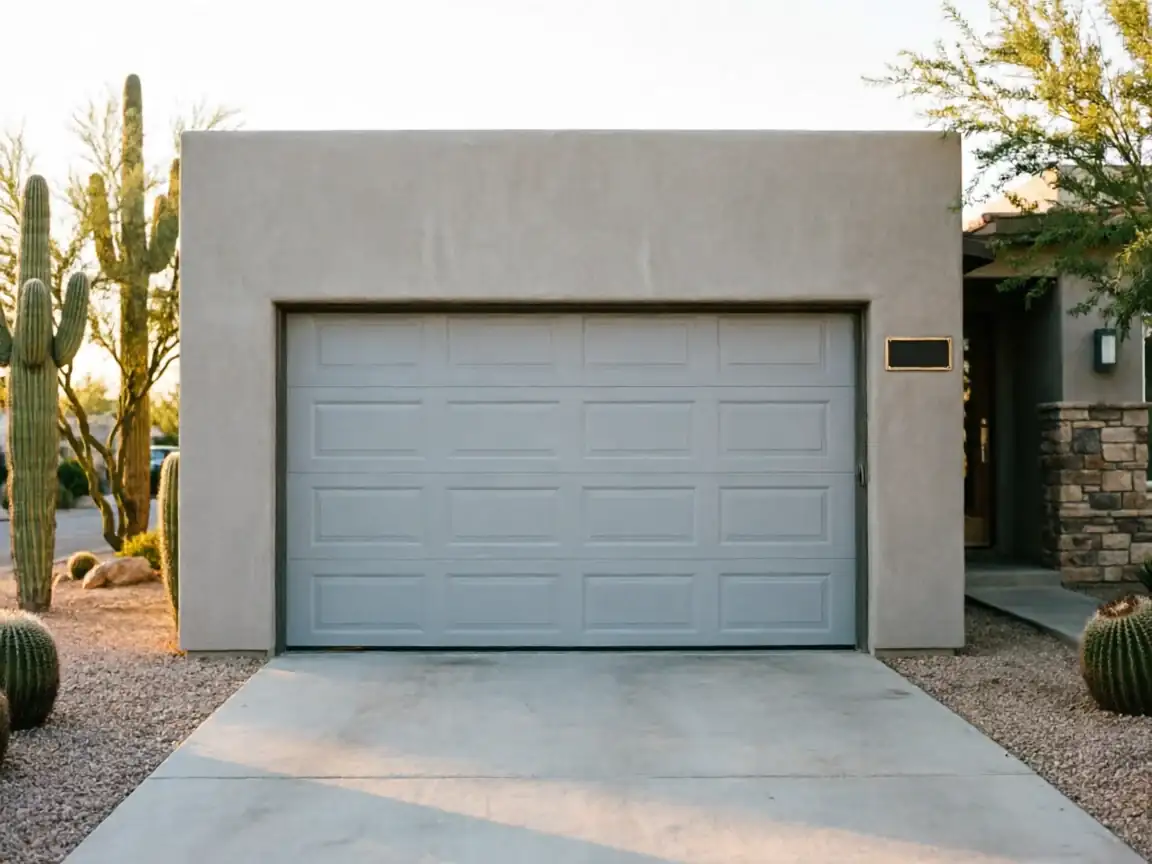
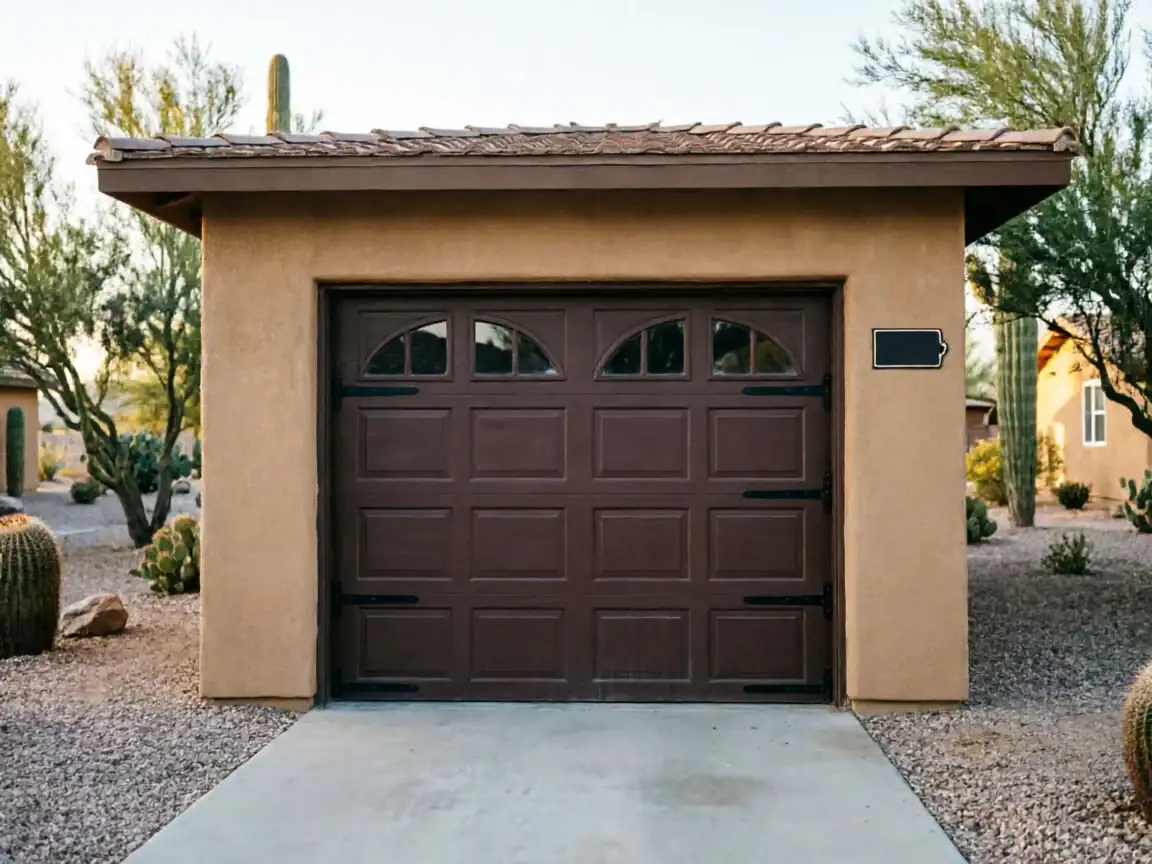
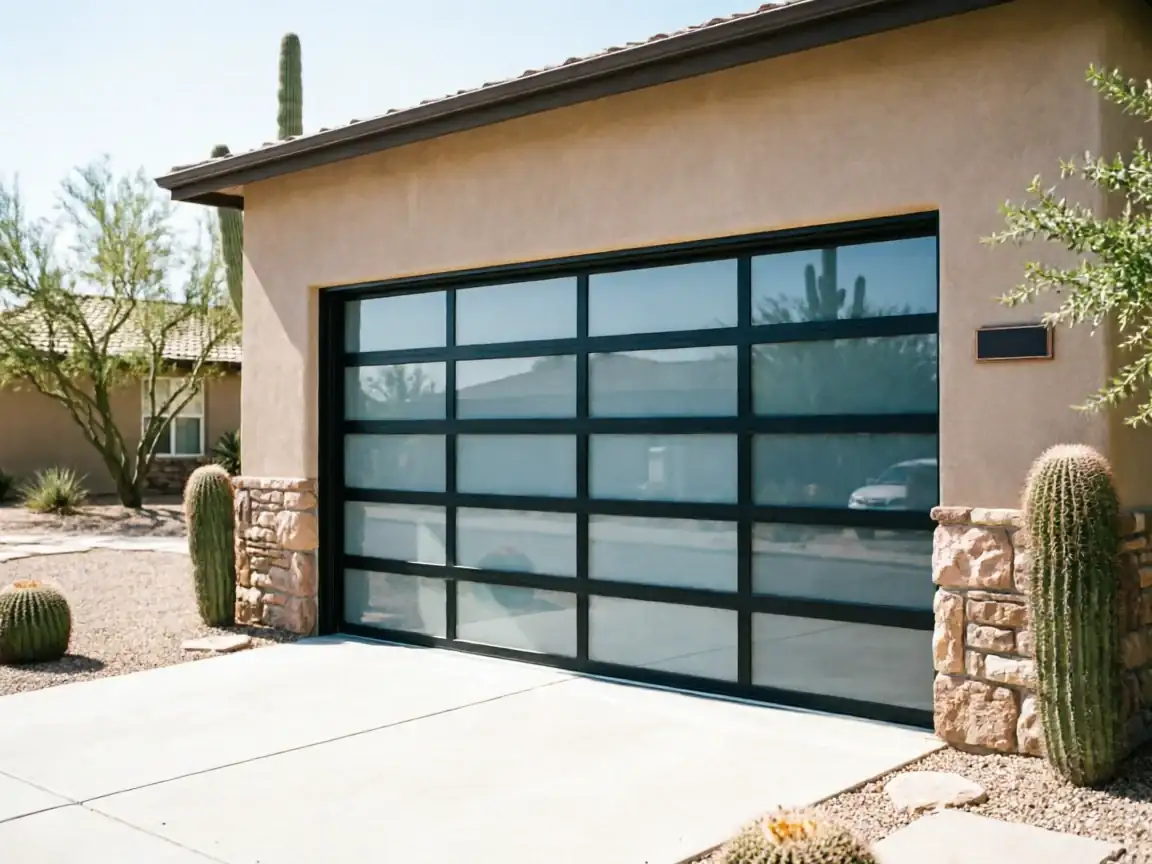
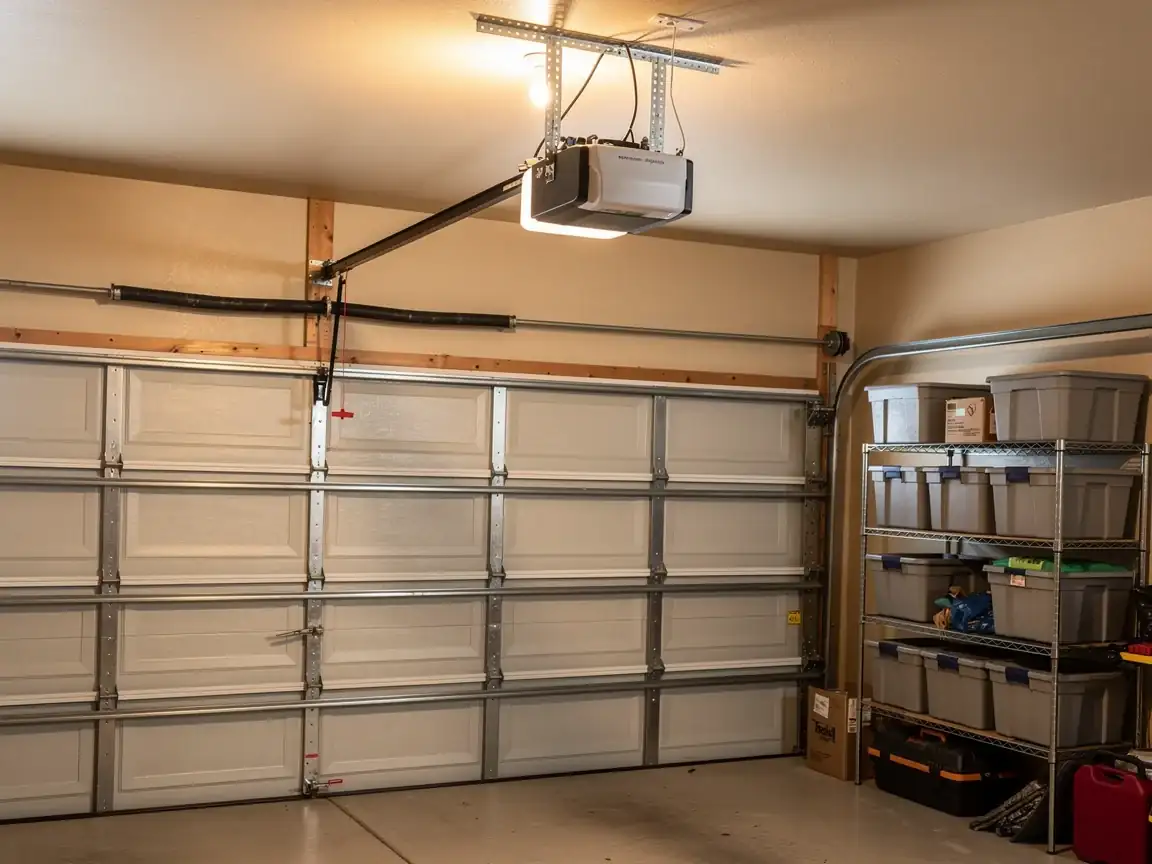
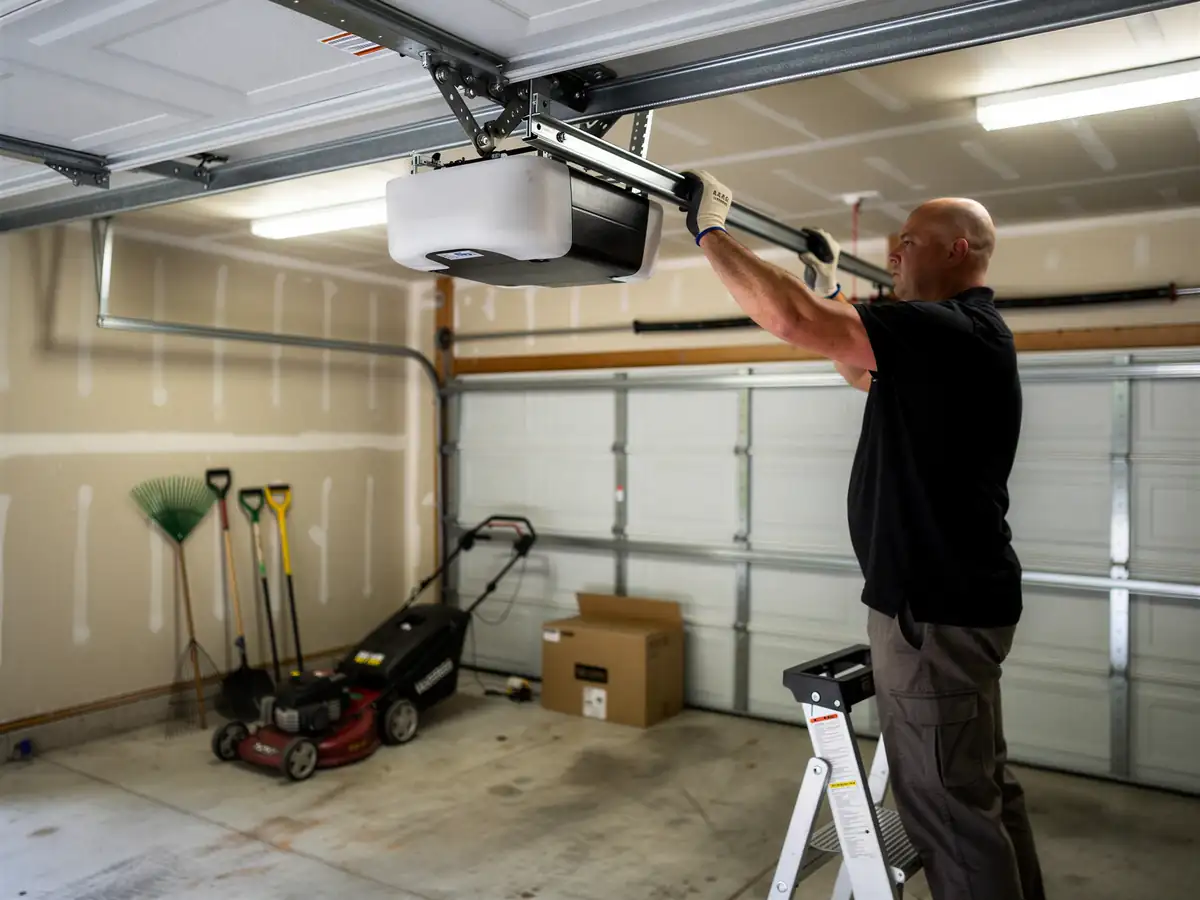
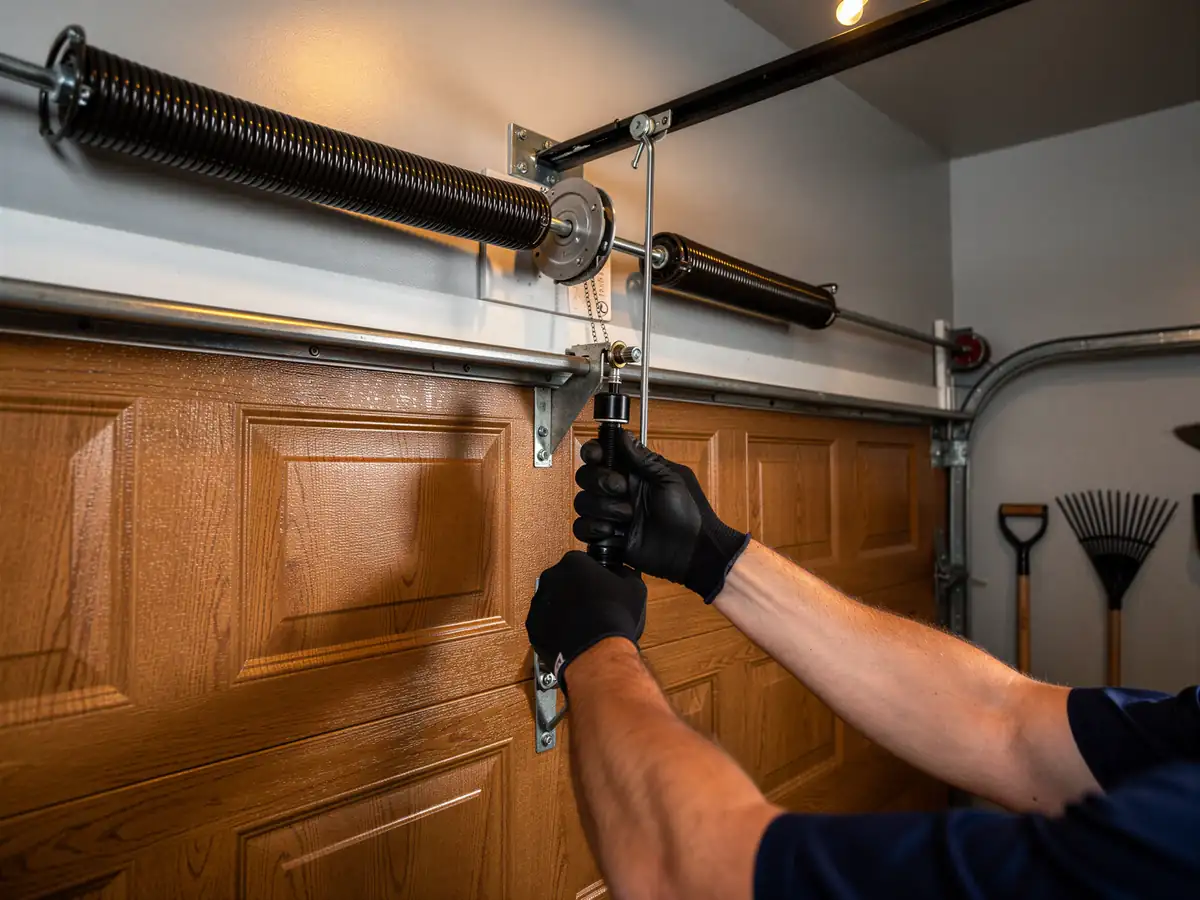
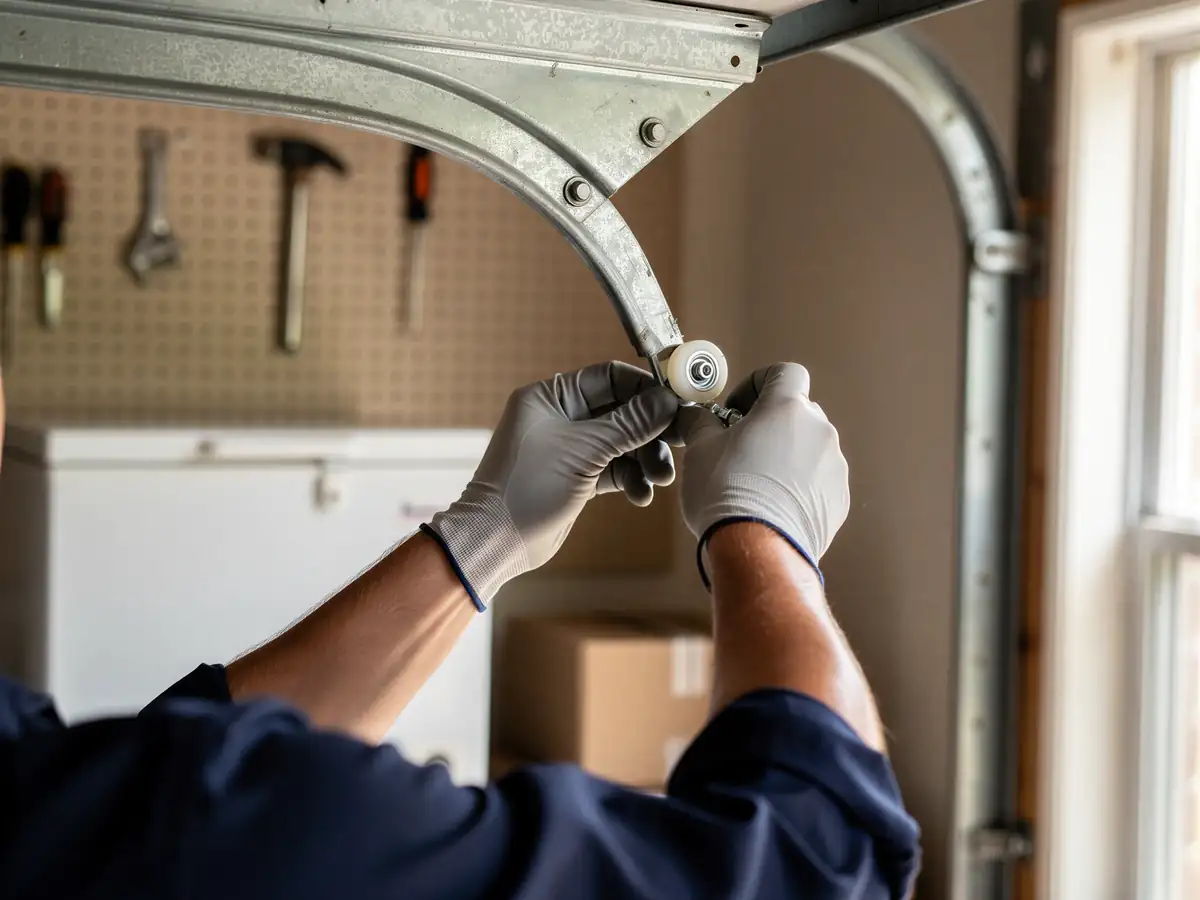
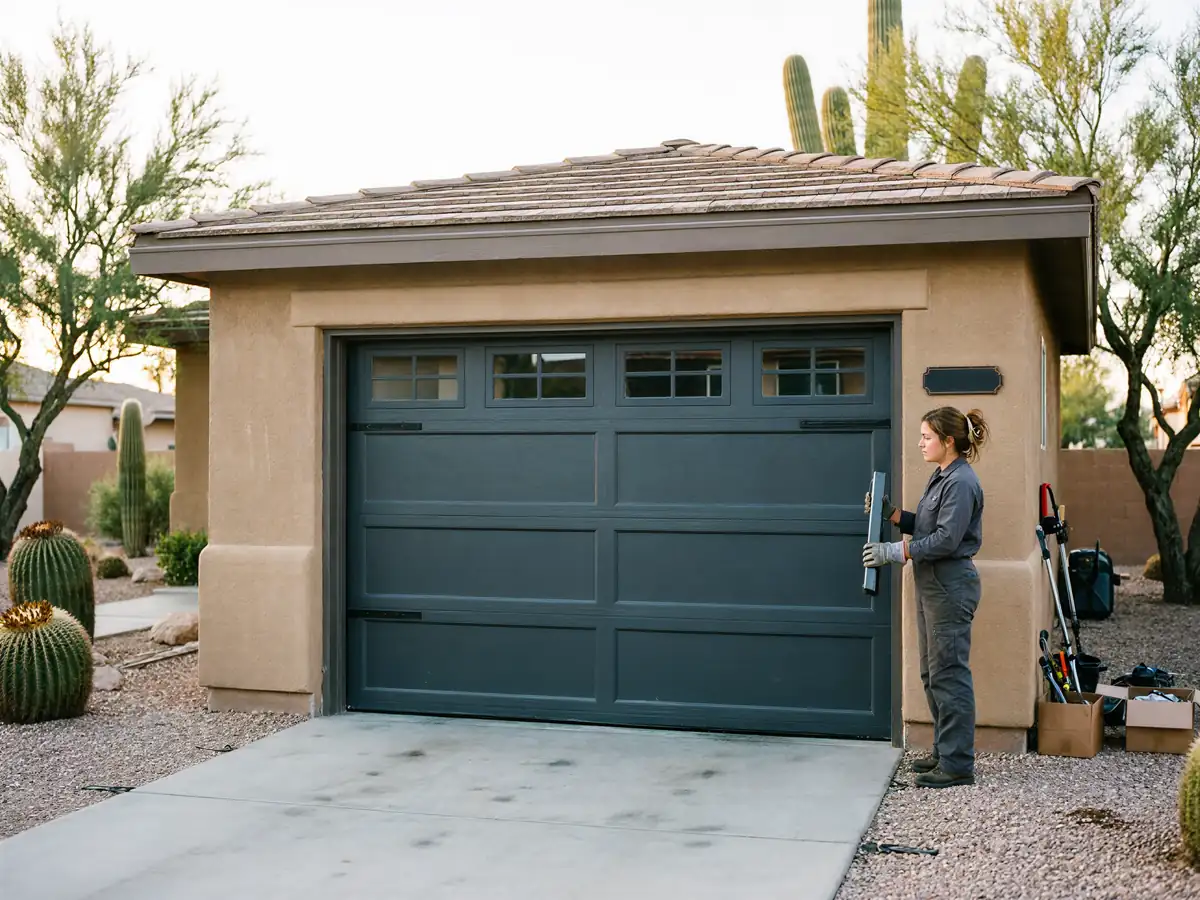
For a neighborhood built mostly in the mid-90s, the truck carries parts sized to that era's rough openings - 16x7 and 9x7 are the common double and single widths we see out here, plus the torsion hardware that matches a house this age rather than the older extension-spring setups you'd find on something built before 1980. Given the heat load this area sits in, we stock doors with higher-R insulated cores as the default recommendation, not the bare steel panel that shipped with the house originally. One limit worth saying plainly: if a job needs a nonstandard opening size or a custom panel finish, that's a special order, and it adds lead time we can't shrink. We'd rather tell you that up front than have you waiting on a door that was never coming on the first truck.
What You Are Seeing
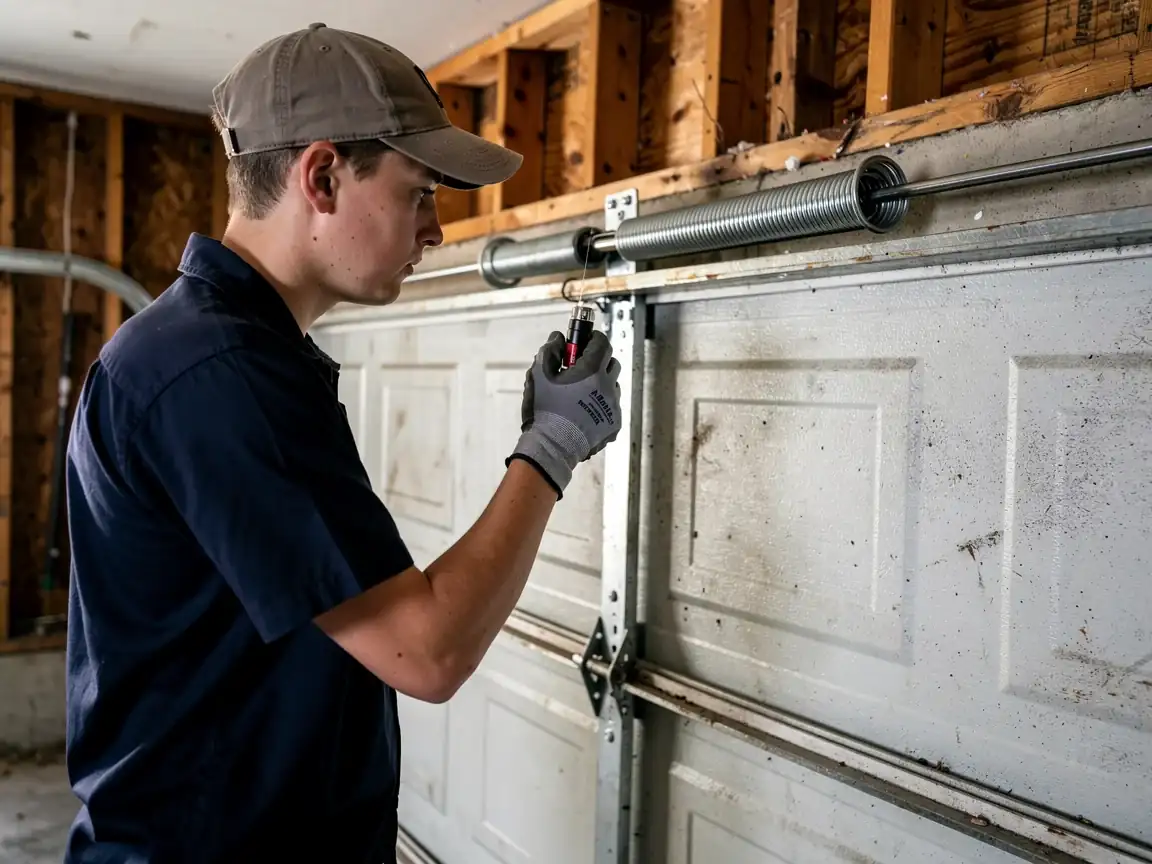
If your door is dragging, reversing on its own, or the panels have started to bow near the bottom, that's consistent with hardware that's been running two decades past a typical spring's rated cycle count. In an area where median household income runs lower than neighboring parts of the Marana service area, we see more owners holding onto a door past the point of economical repair, which isn't wrong as a strategy - it just means by the time we're called out, the track is usually bent too, not just the spring gone. A door with a bowed bottom panel or a motor that strains on every open isn't a repair candidate anymore; replacing the whole unit is the honest call, and we'll say so instead of patching something that'll fail again in a season.
Why This Fails Locally
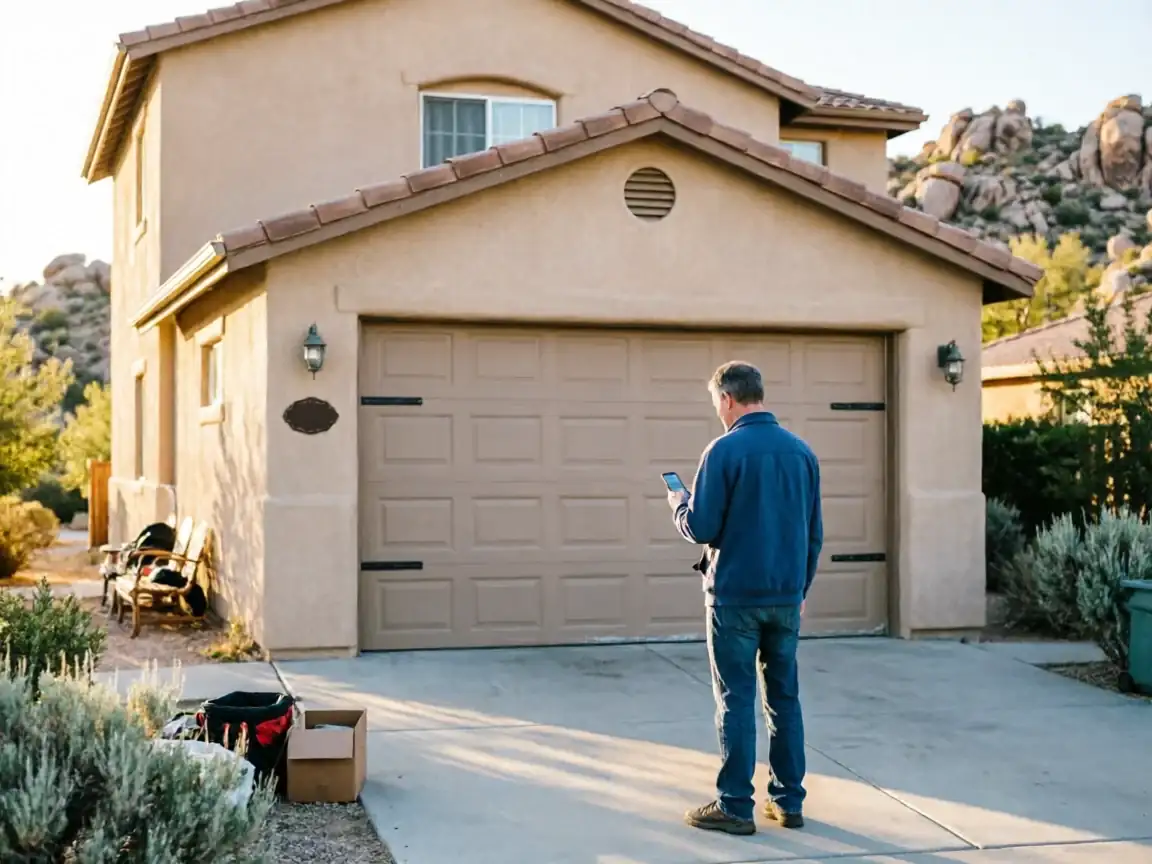
A door sized and sprung for a 1996 build doesn't fail the same way a newer door does. The spring steel has had more heat-cycle fatigue, the galvanized coating on older torsion hardware is further along in breaking down, and non-insulated panels from that era have usually warped slightly at the bottom corners from years of direct sun exposure. With roughly 2,354 households in this area, a good share of them share that same install date and the same slow failure pattern, which is part of why we see a cluster of the same complaint - a door that's heavy to lift by hand and strains the opener - rather than one-off oddities. This isn't a defect; it's just what two-plus decades in this climate band does to a door built to a mid-90s spec.
Where This Job Goes Sideways
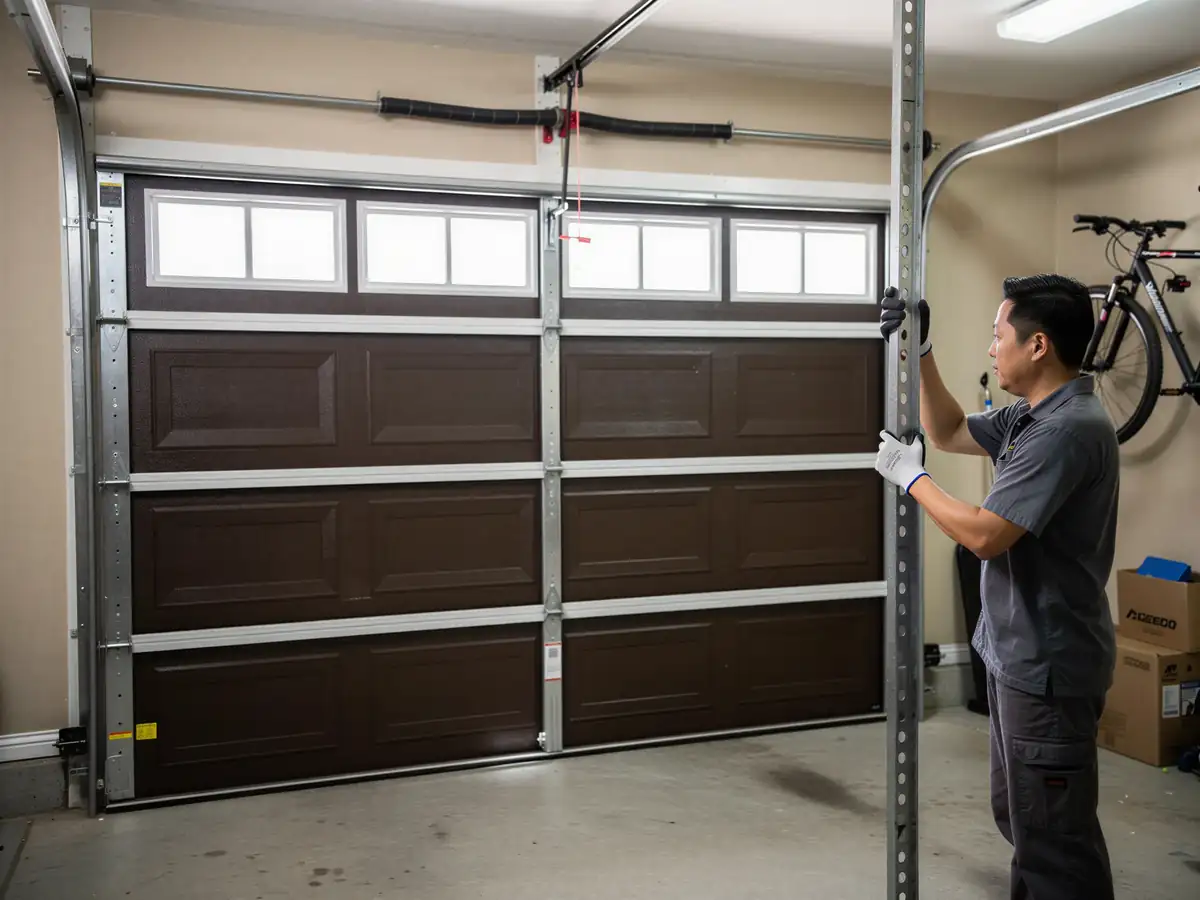
The job gets harder when the original opening was framed slightly out of square, which shows up more in houses from this build era than in newer tract construction - you don't find it until the old door's off and the header's exposed. At that point either the frame gets shimmed and trimmed on-site, or in rare cases the opening needs carpentry work before a new door goes in square, and that's outside what a straight install day covers. We'll flag it before we order anything if we can see it during the measurement visit, but some of it only shows up once the old door comes down. Given the distance out from Marana, a surprise like that can mean a second trip rather than finishing in one visit, which is the honest trade-off of covering an area this far from the shop.