What Is on the Truck
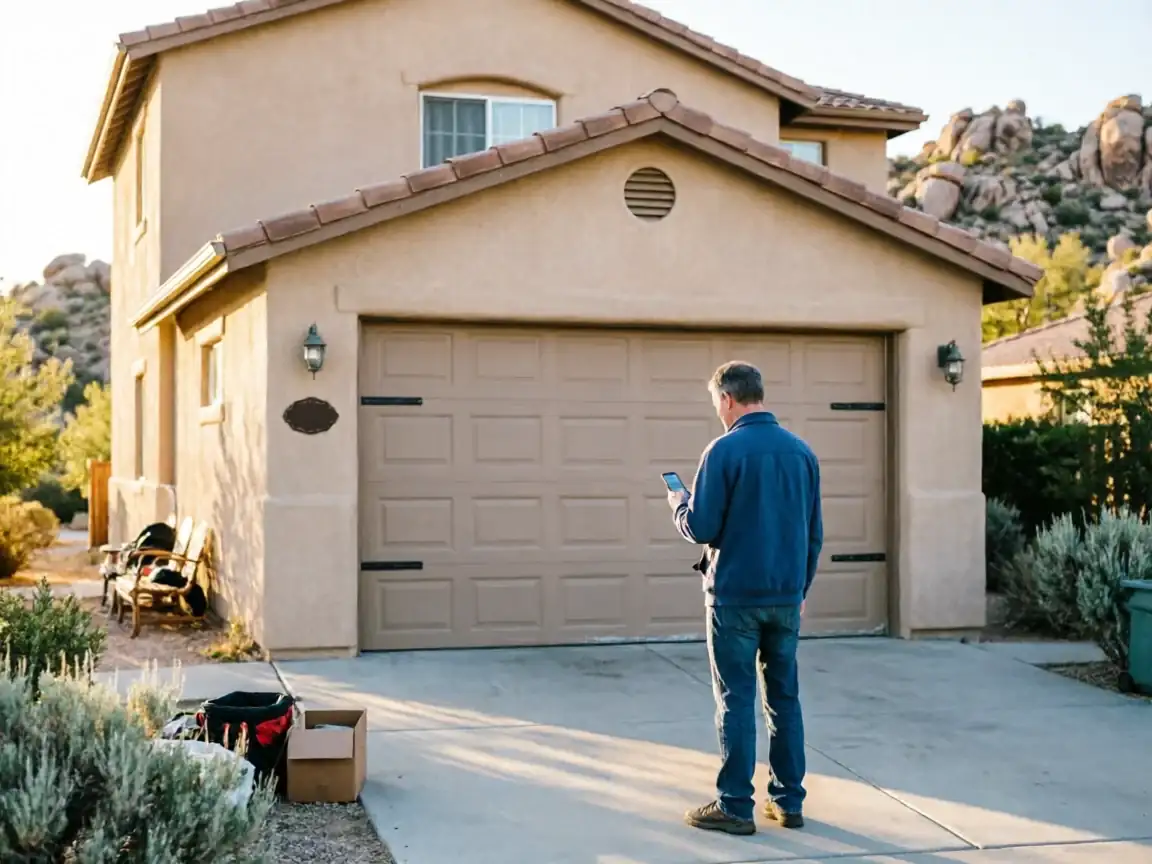
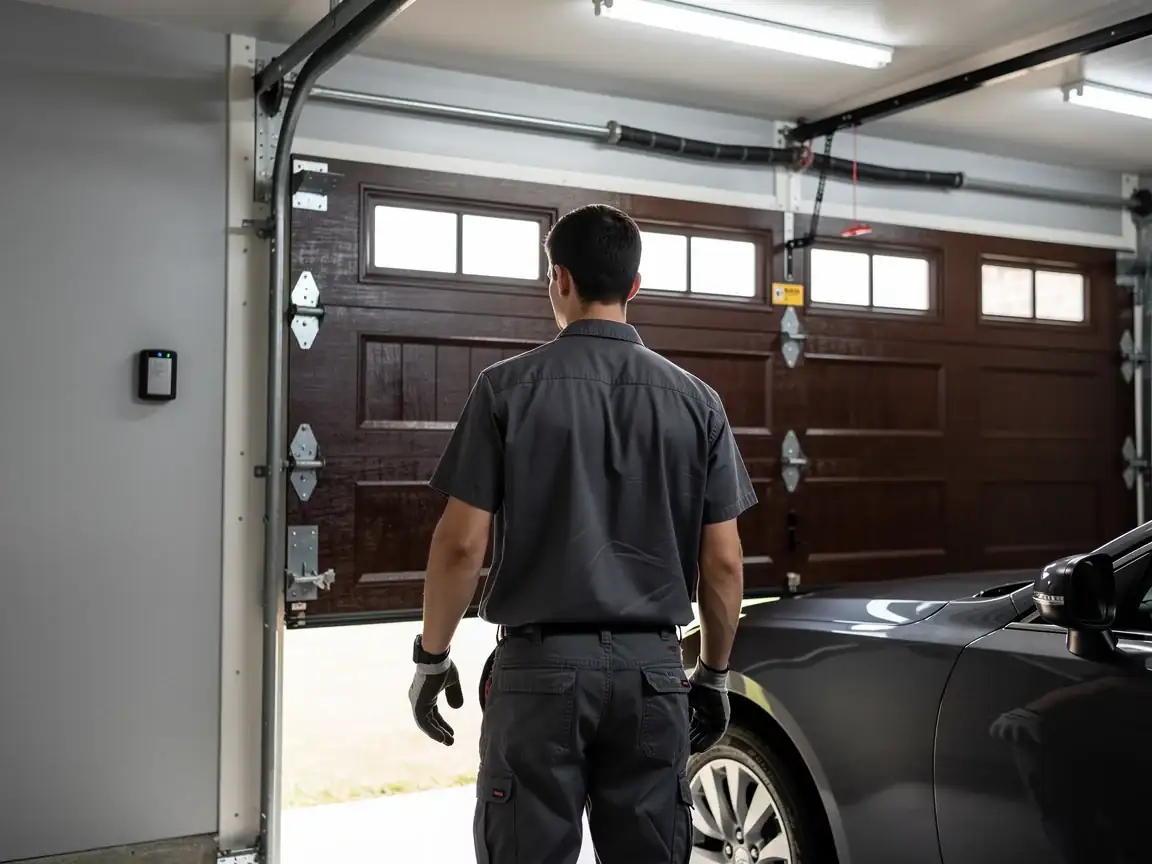
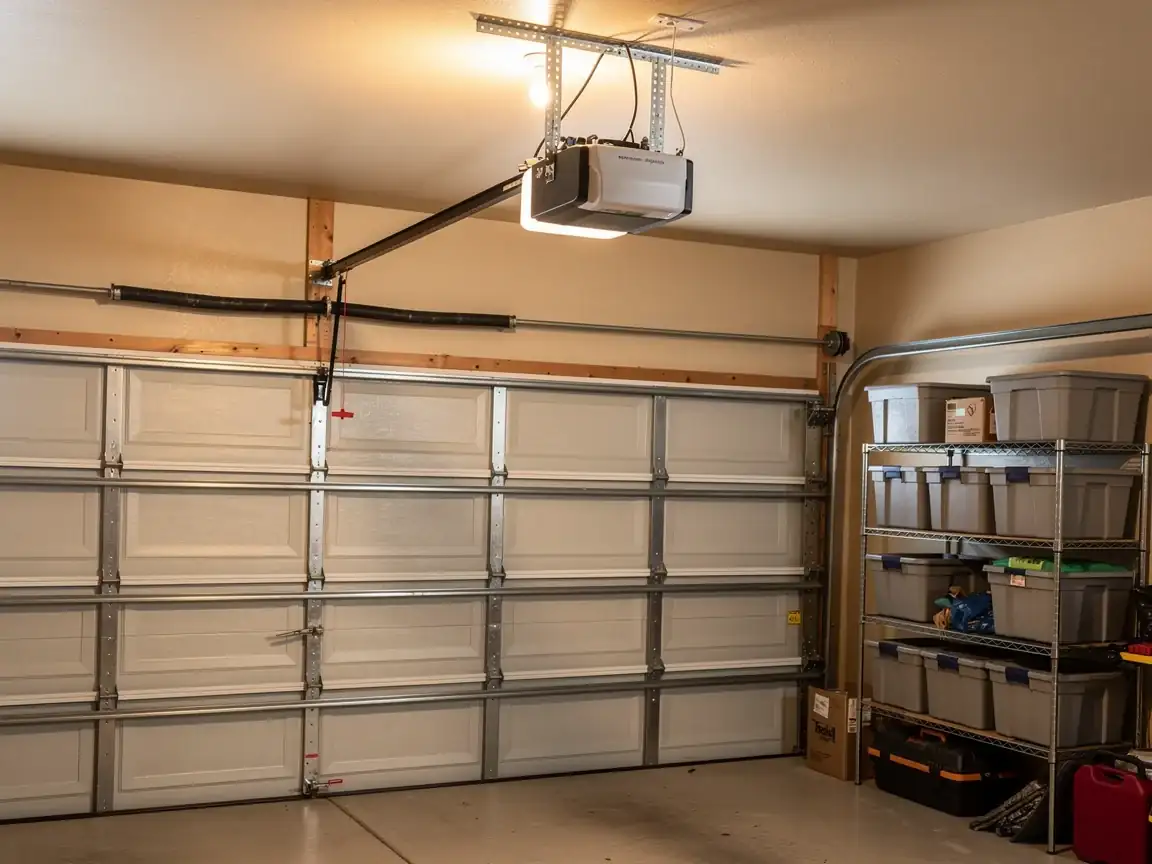
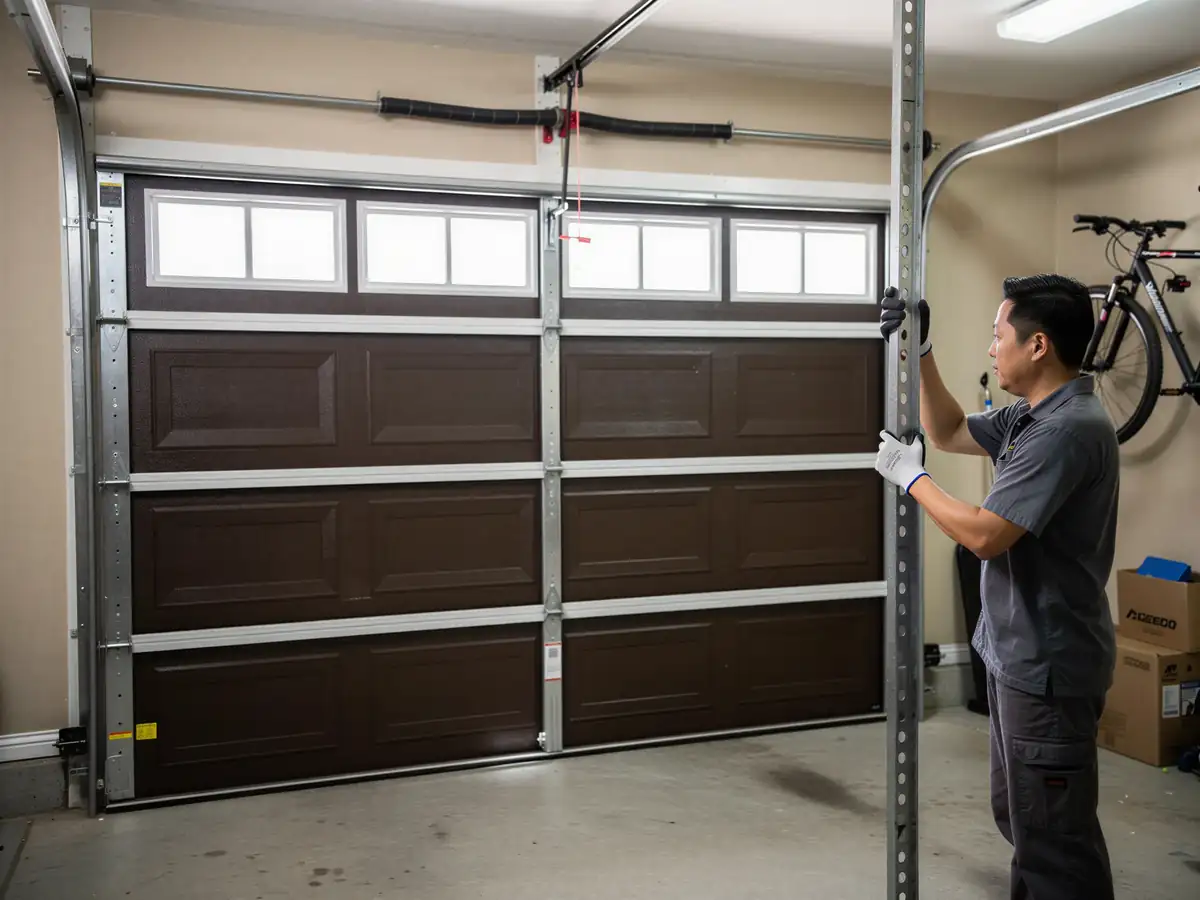
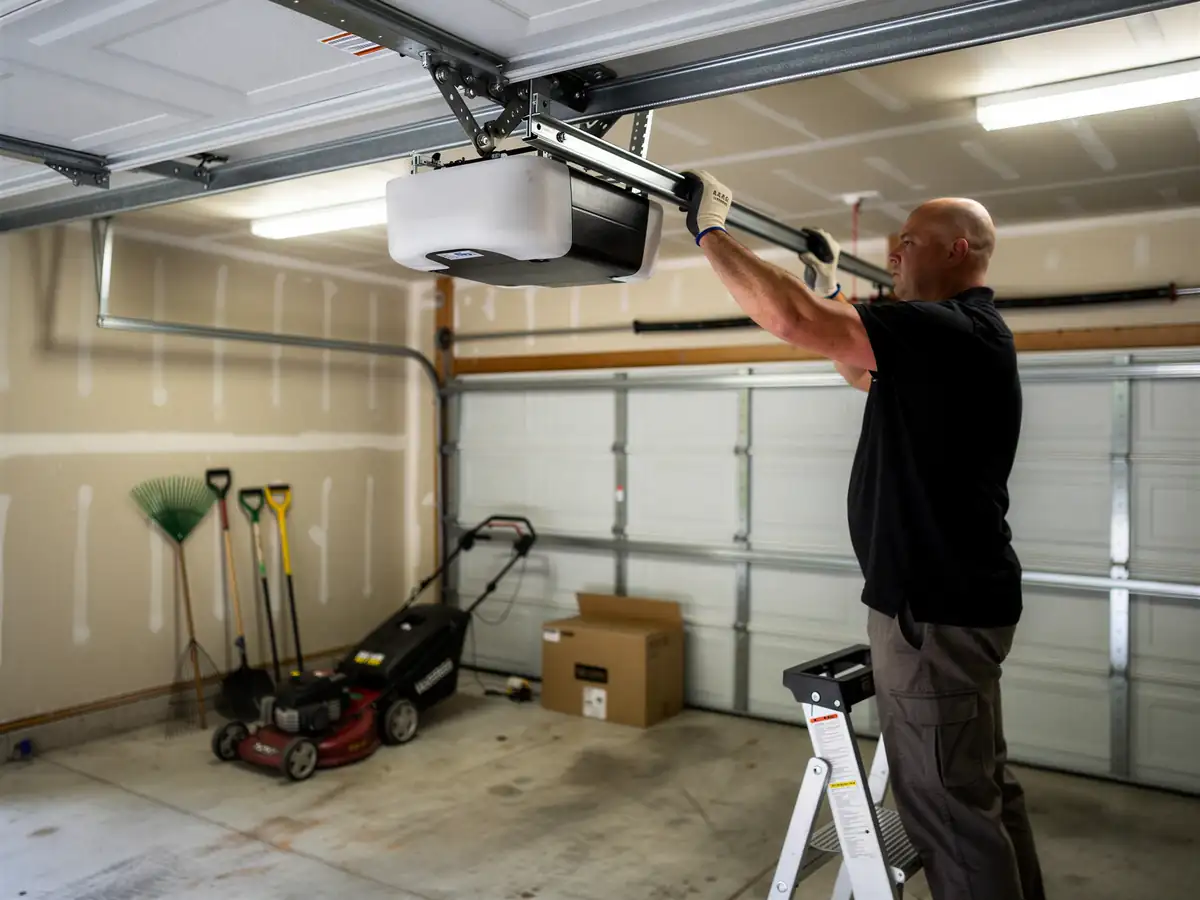
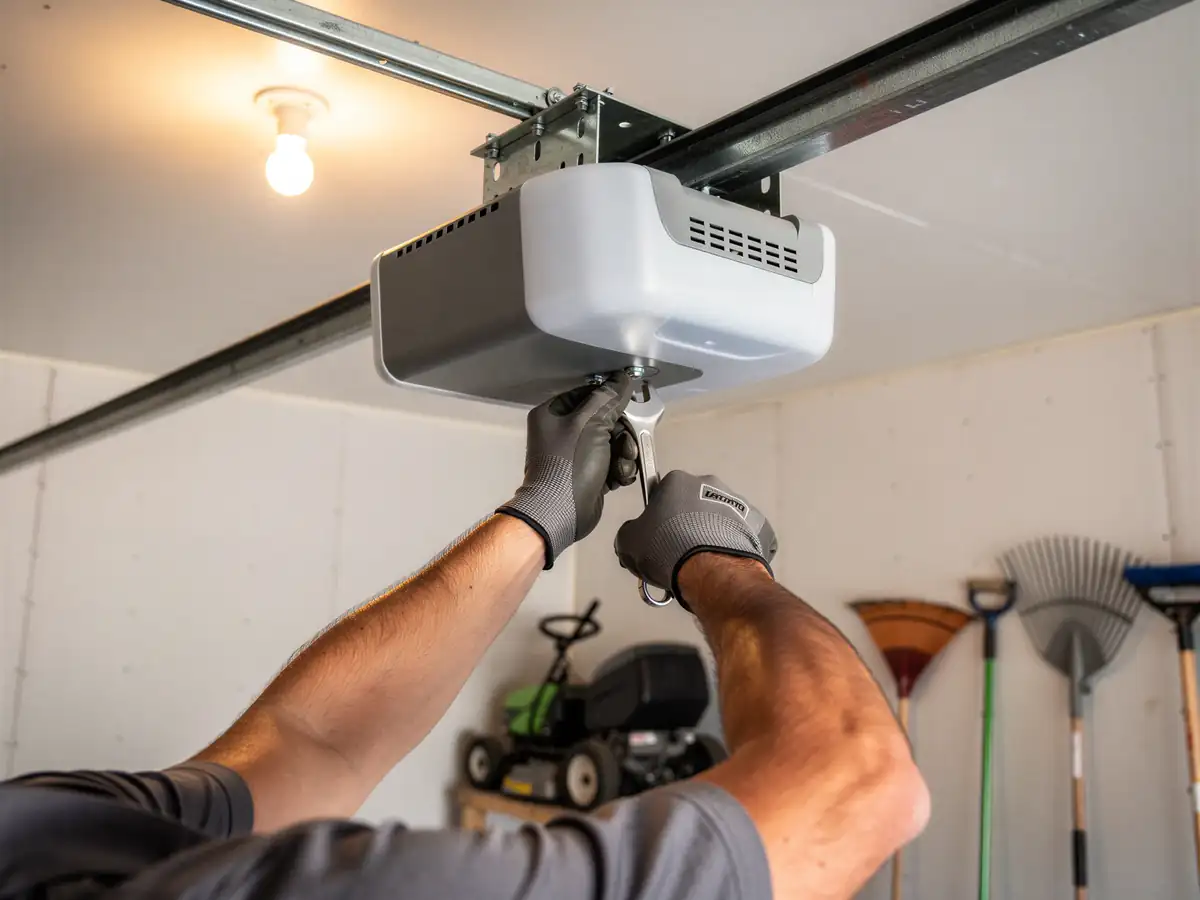
Most homes in Avra Valley were built right around 1996, which puts the opener hardware squarely in a specific window: 1/3 horsepower chain-drive units were standard equipment on new construction through the late 90s, usually mounted to a rail that's held up fine but paired with a motor that's thirty years past its design life. We carry replacement rail kits sized for that era's standard 7-foot sectional door opening, along with the safety-sensor brackets that retrofit onto older track without redrilling the jamb. What we don't carry on every run is a full stock of smart-home opener bridges for every brand - if you want a specific app-connected unit, we confirm it's on the truck or schedule the follow-up before we show up, rather than making you wait at the door while we figure it out.
What You Are Seeing
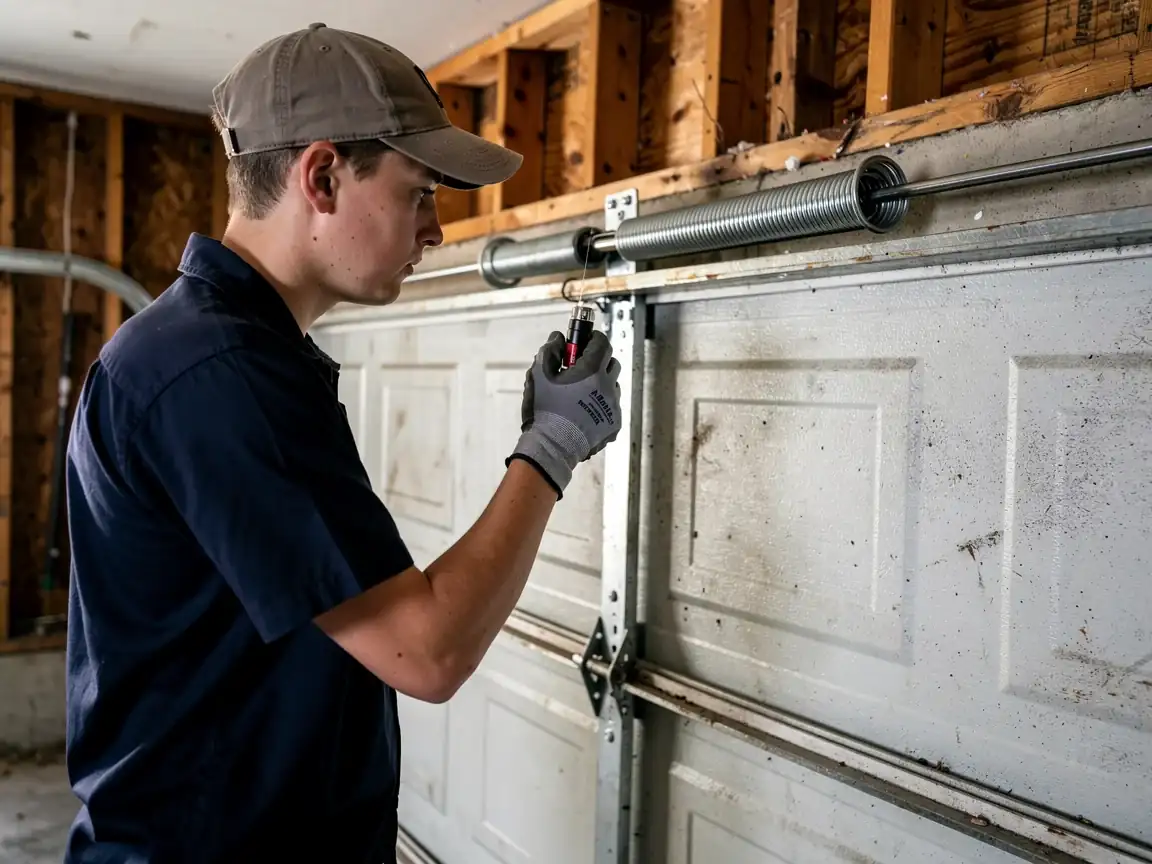
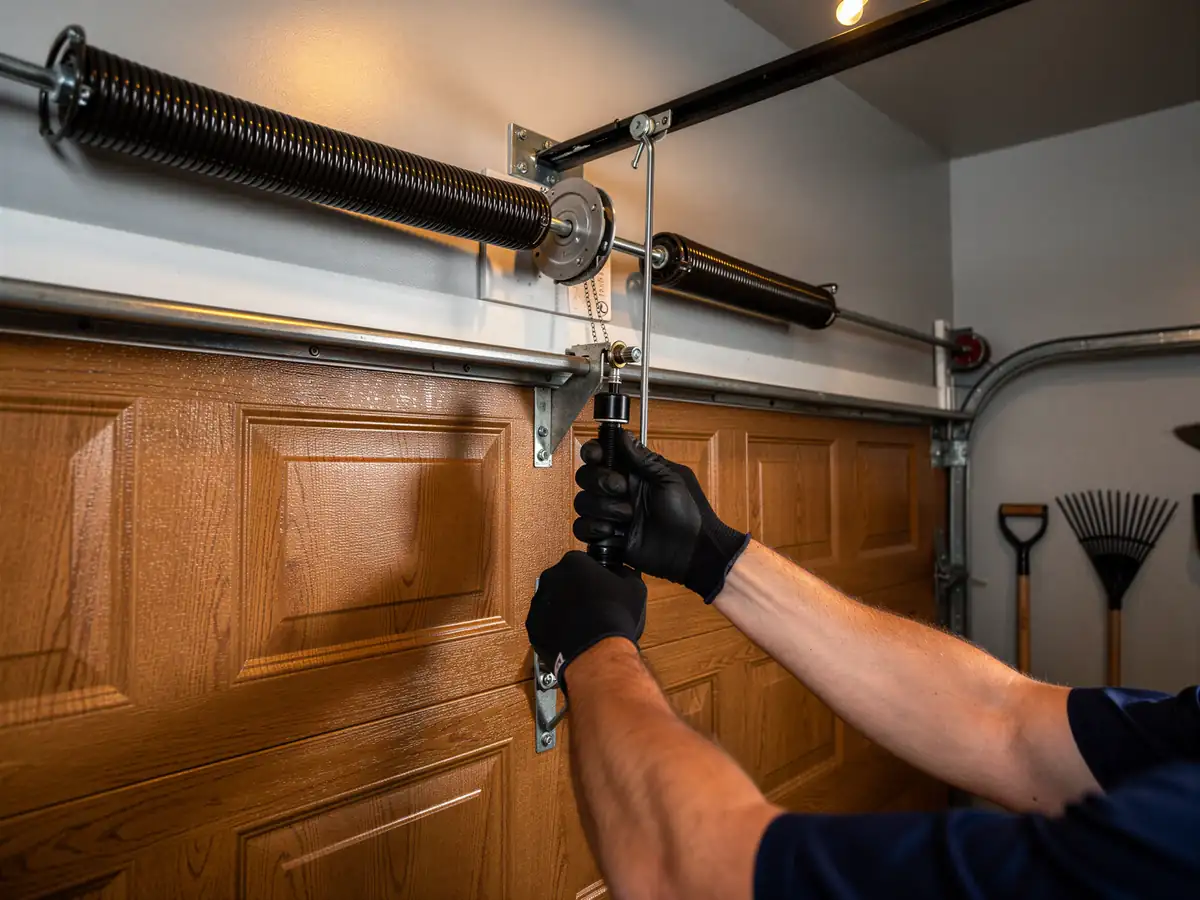
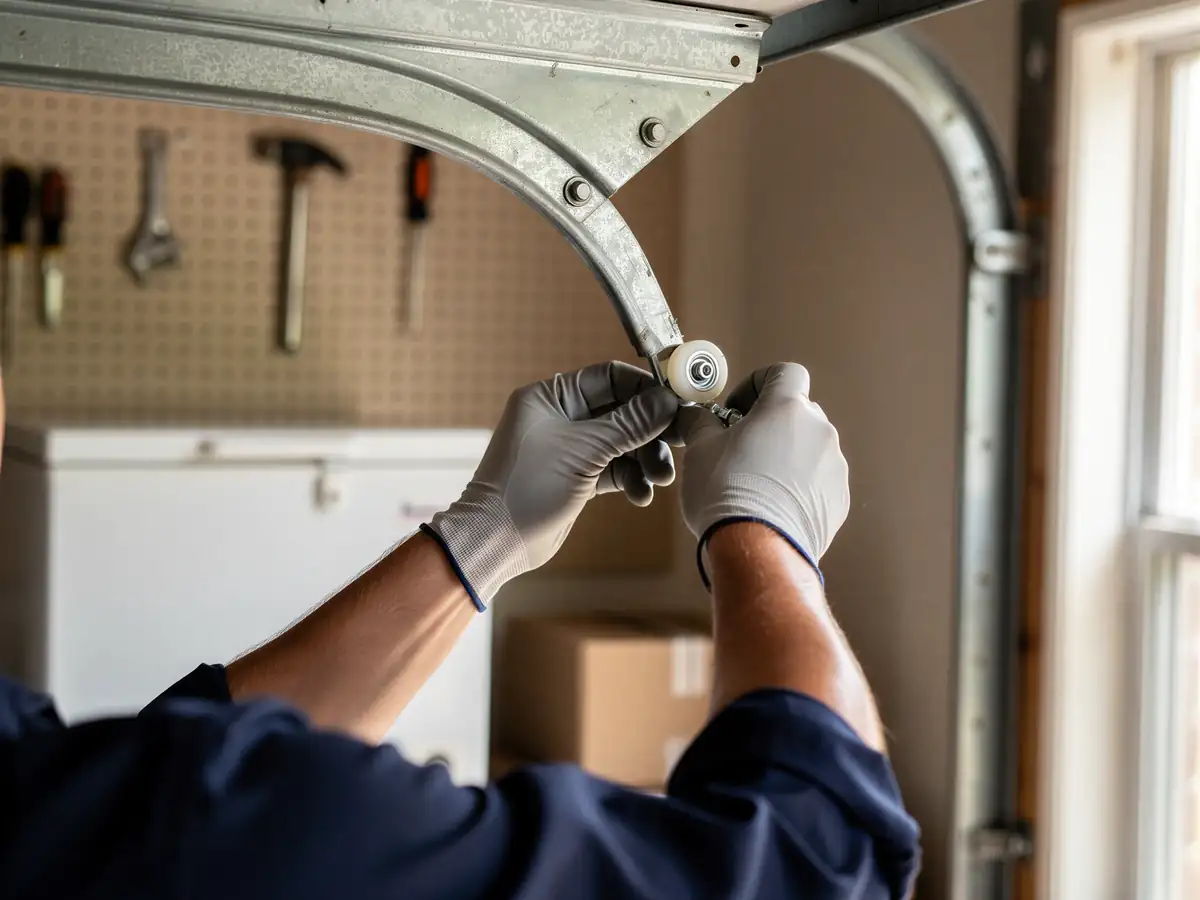
A 1996-built house has had its original opener for most of three decades if nobody's touched it, and what fails first is almost never the motor itself - it's the circuit board and the logic that reads the wall button and the remote. In a climate band this hot, those boards take a beating from attic heat soaking down into the garage ceiling where the opener head sits. You'll notice it as a unit that reverses for no reason, a remote that works some mornings and not others, or a light that flickers before the motor engages. If your door is also original to the house, the opener failing is sometimes doing you a favor - it forces a look at the spring and rollers before they fail on their own schedule, which is worse.
Why This Fails Locally
The climate here falls in the severe heat band, and that's the thing that actually drives opener failure in Avra Valley more than age alone. A garage that sits closed all day in summer traps heat against the ceiling, and that's exactly where the opener's circuit board lives. Capacitors and relay contacts that would last fifteen years in a cooler climate start failing early here, especially on units already near the end of their service life from the 1996 construction wave. We also see heat-cycled plastic gears inside the motor housing - the gear that drives the chain sprocket gets brittle and strips teeth, which reads to the homeowner as 'the opener runs but the door doesn't move.' That's a gear problem, not a motor problem, and it's common enough in this heat band that we check it first.
Where This Job Goes Sideways
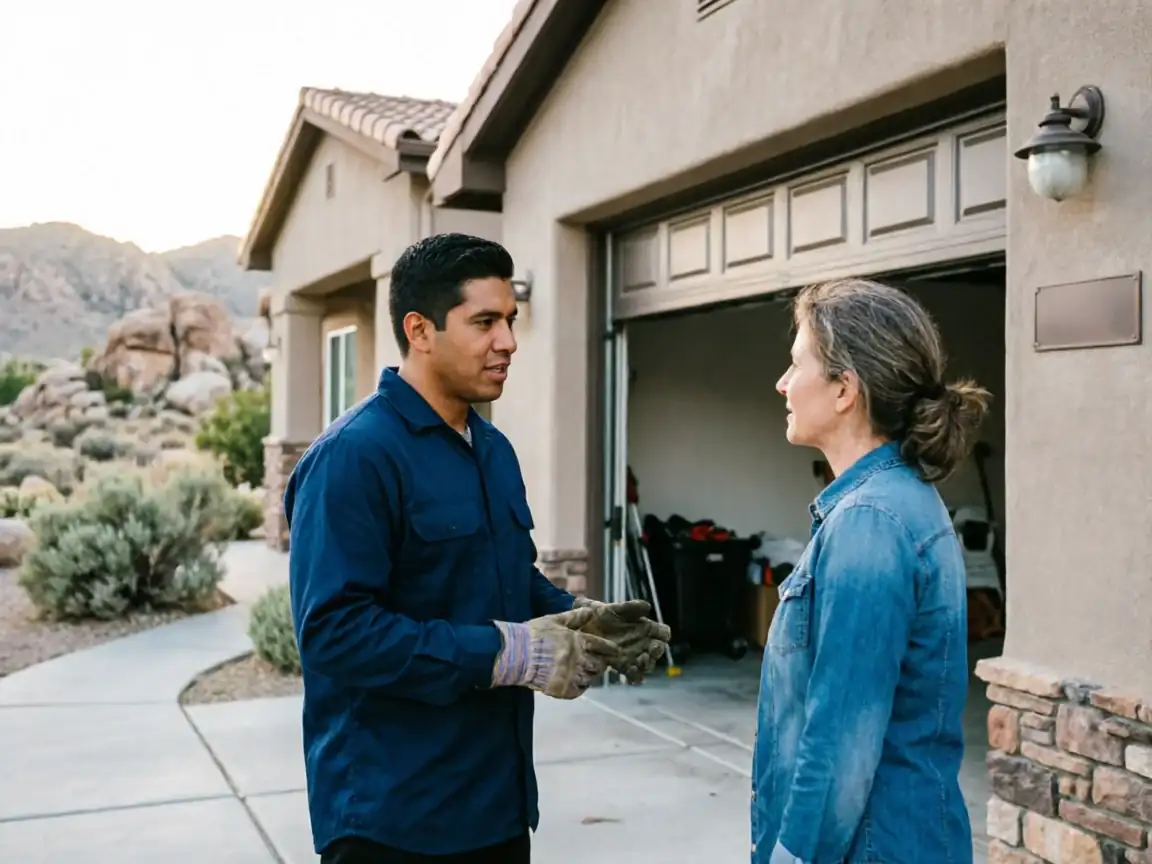
Here's the honest limitation: if your house still has the original opener from 1996 and the wiring to it was never updated, sometimes the safety-sensor wiring is run in a way that doesn't meet current code, and a straight motor swap isn't actually a straight swap - it needs new sensor runs first. We'll tell you that on-site rather than installing a new opener onto wiring that'll just cause nuisance reversals. The other spot this goes sideways is parts lead time on certain opener models; if you want a specific brand or a battery-backup unit we don't stock, that's a scheduled return trip, not a same-visit fix, given we're already driving 12 miles each way to get out here.