What Is on the Truck
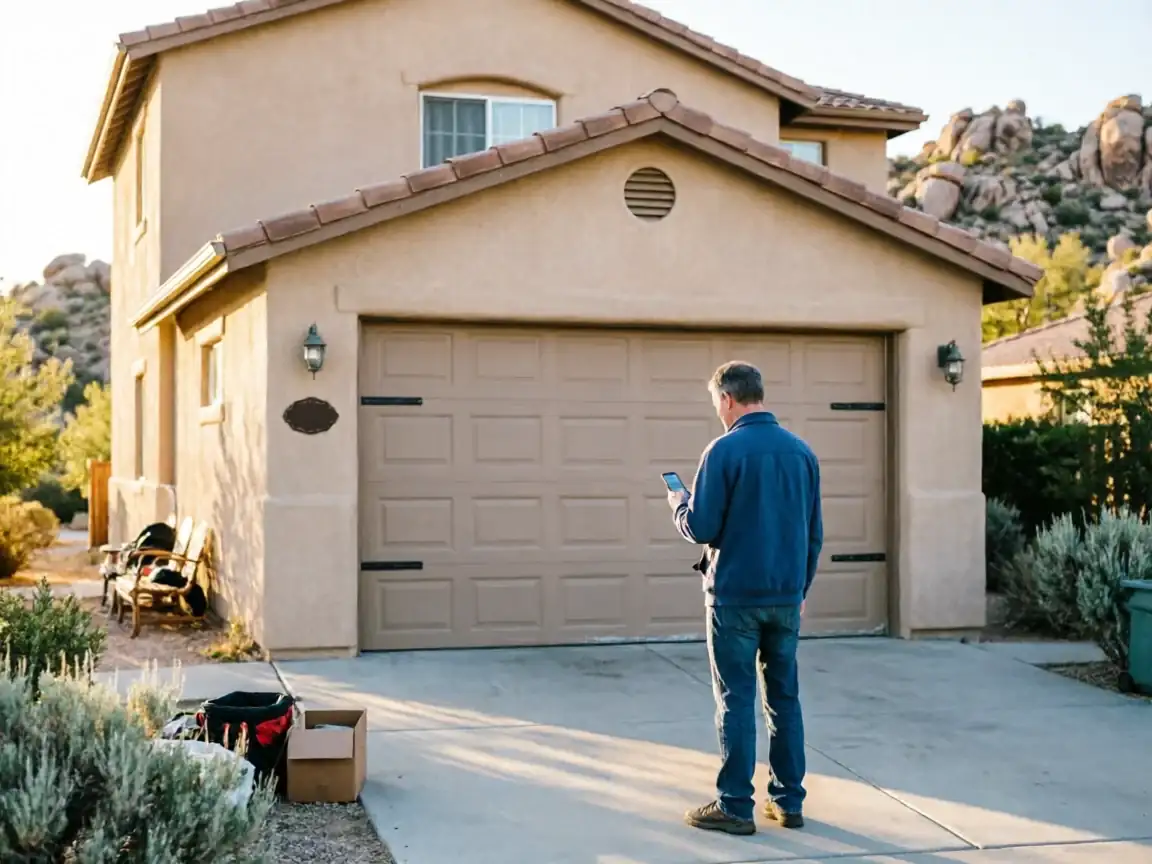
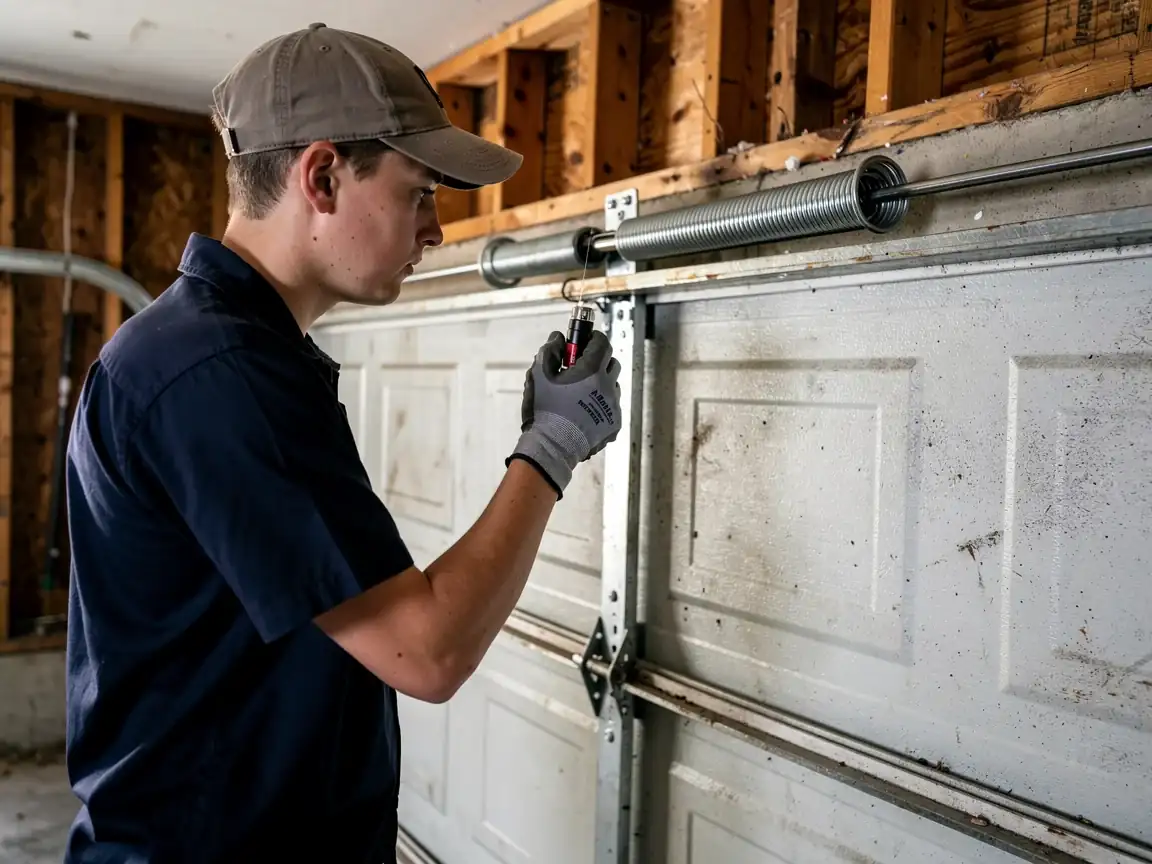
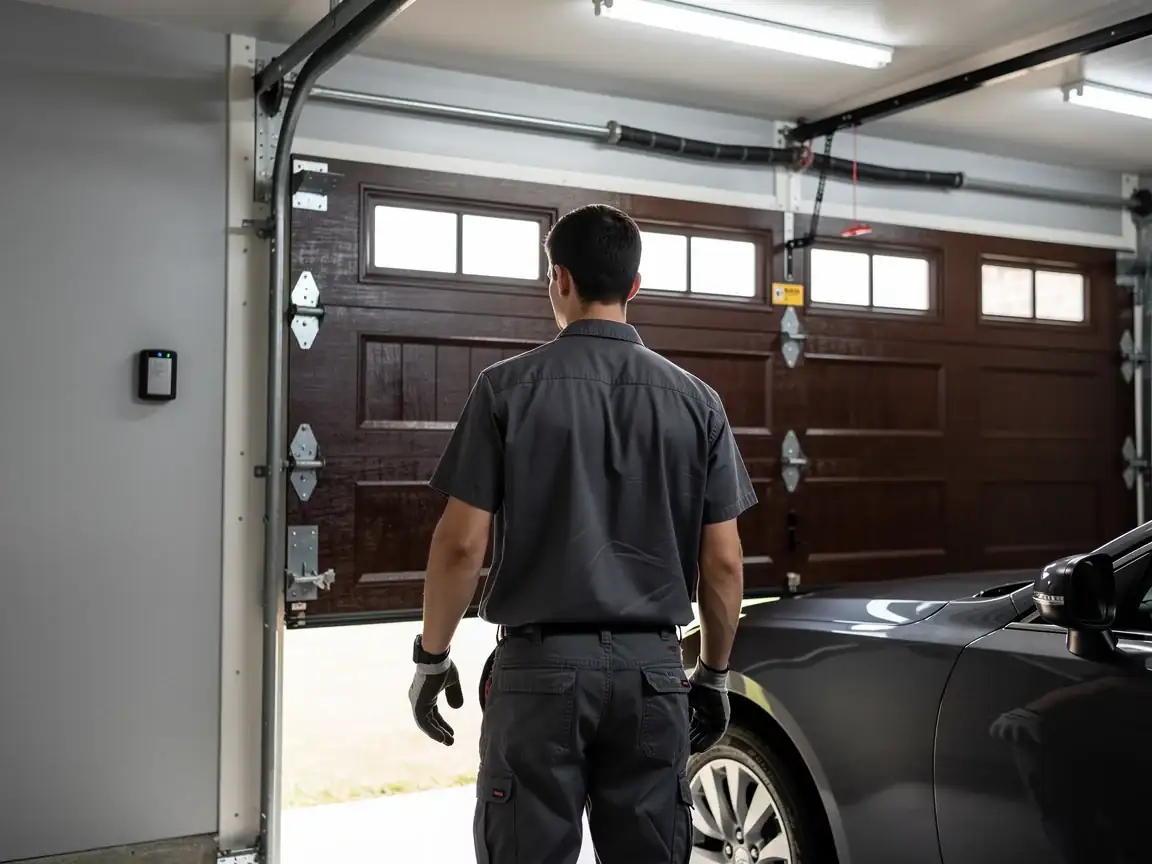
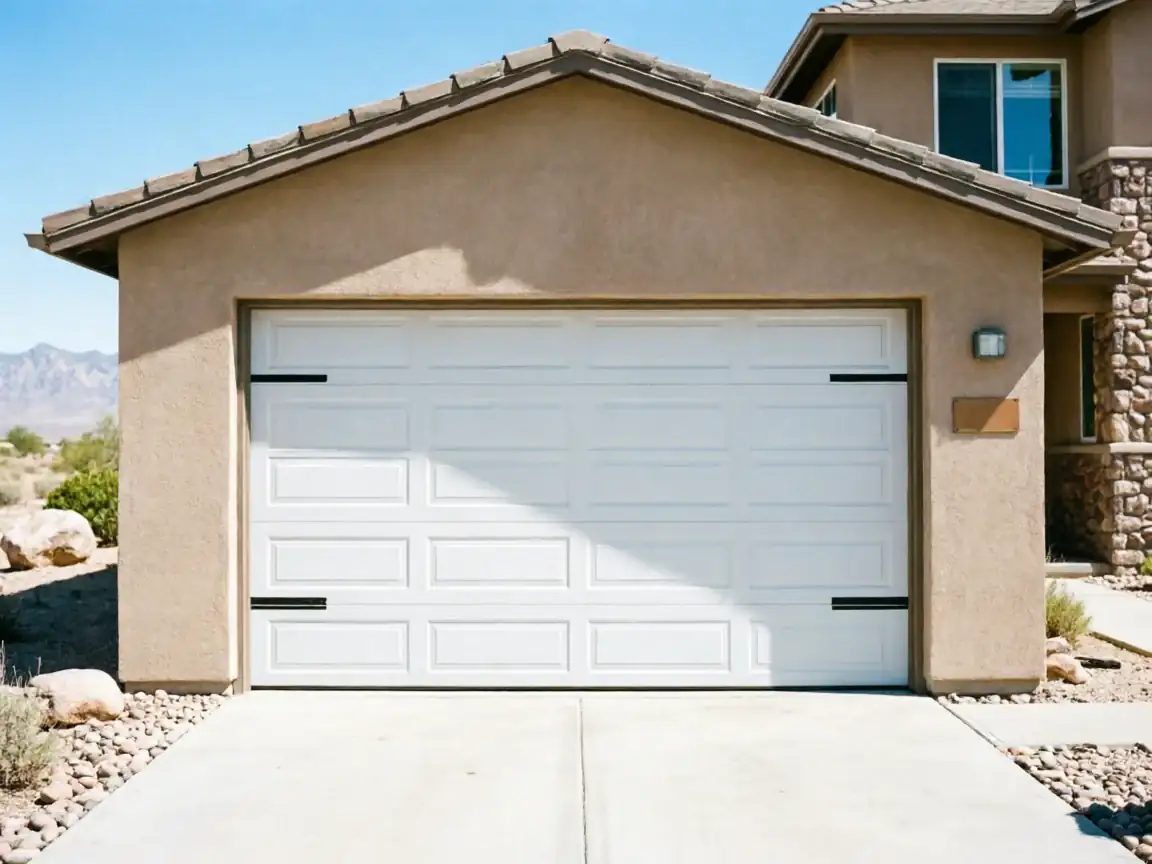
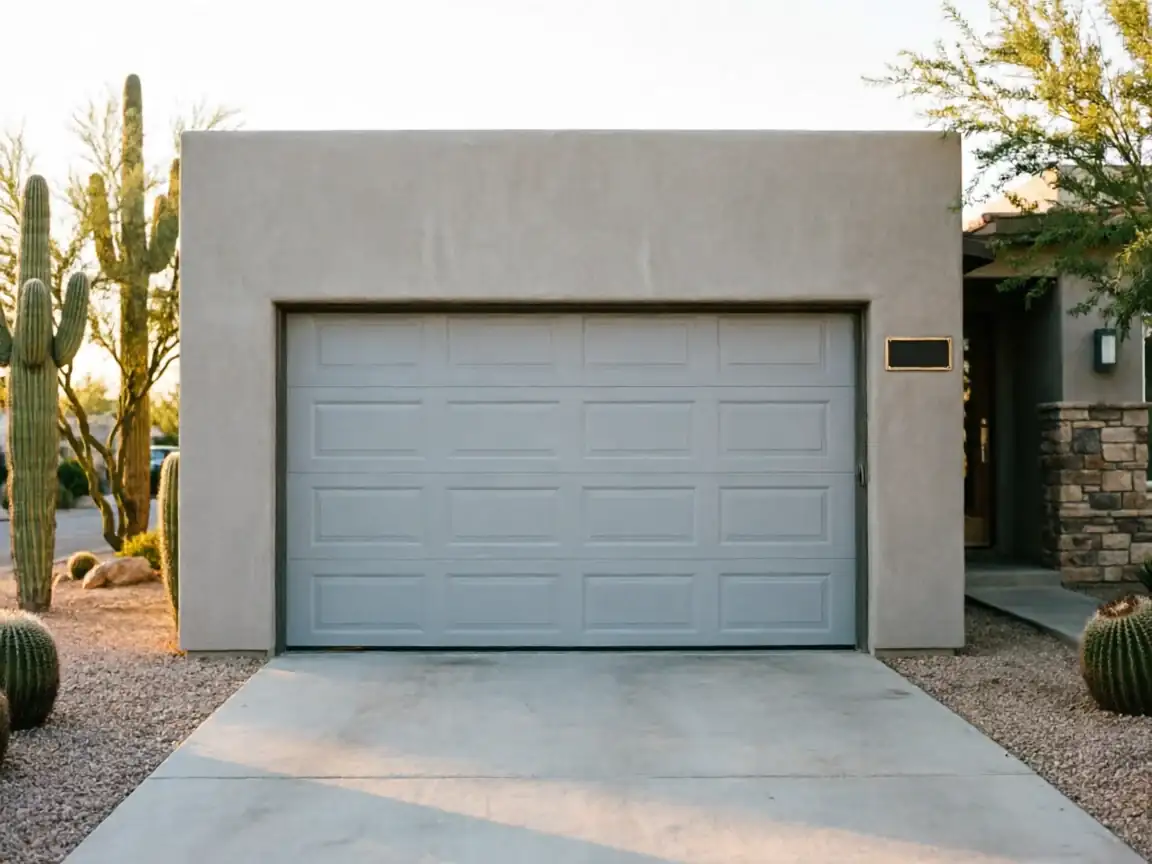
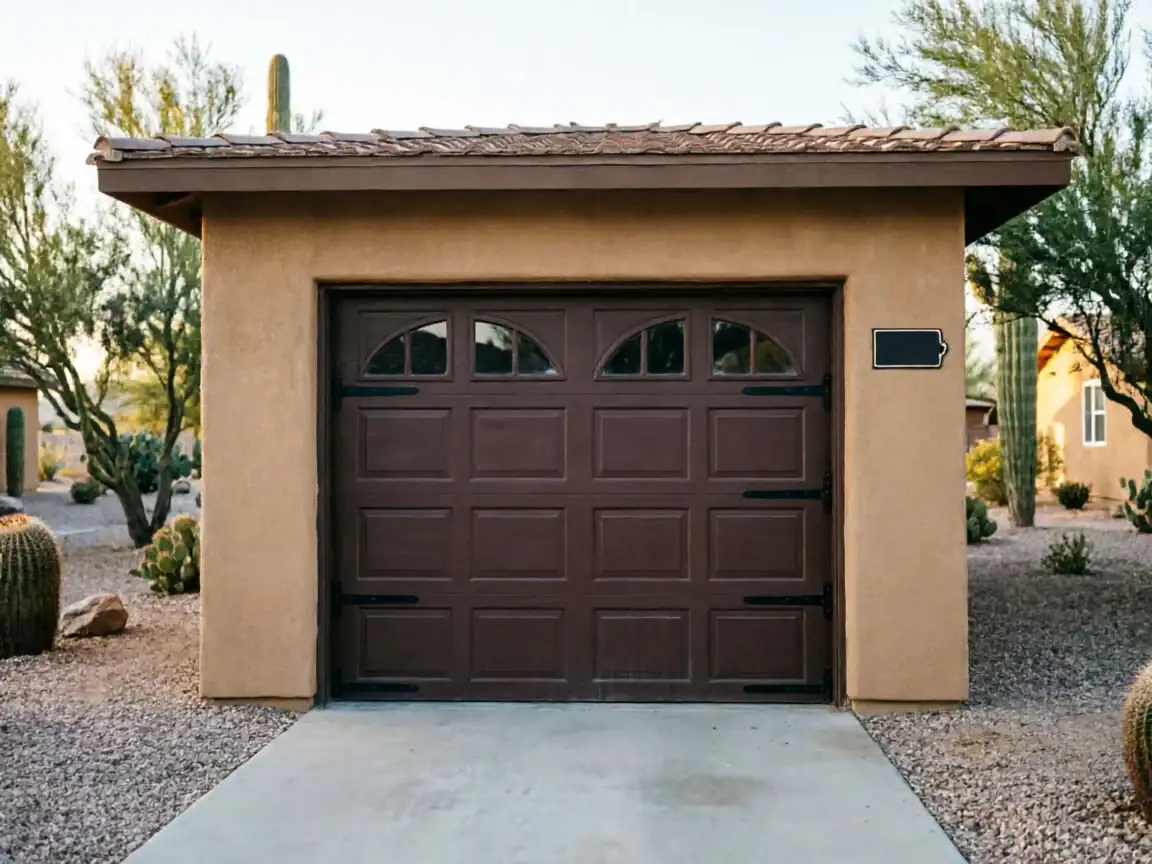
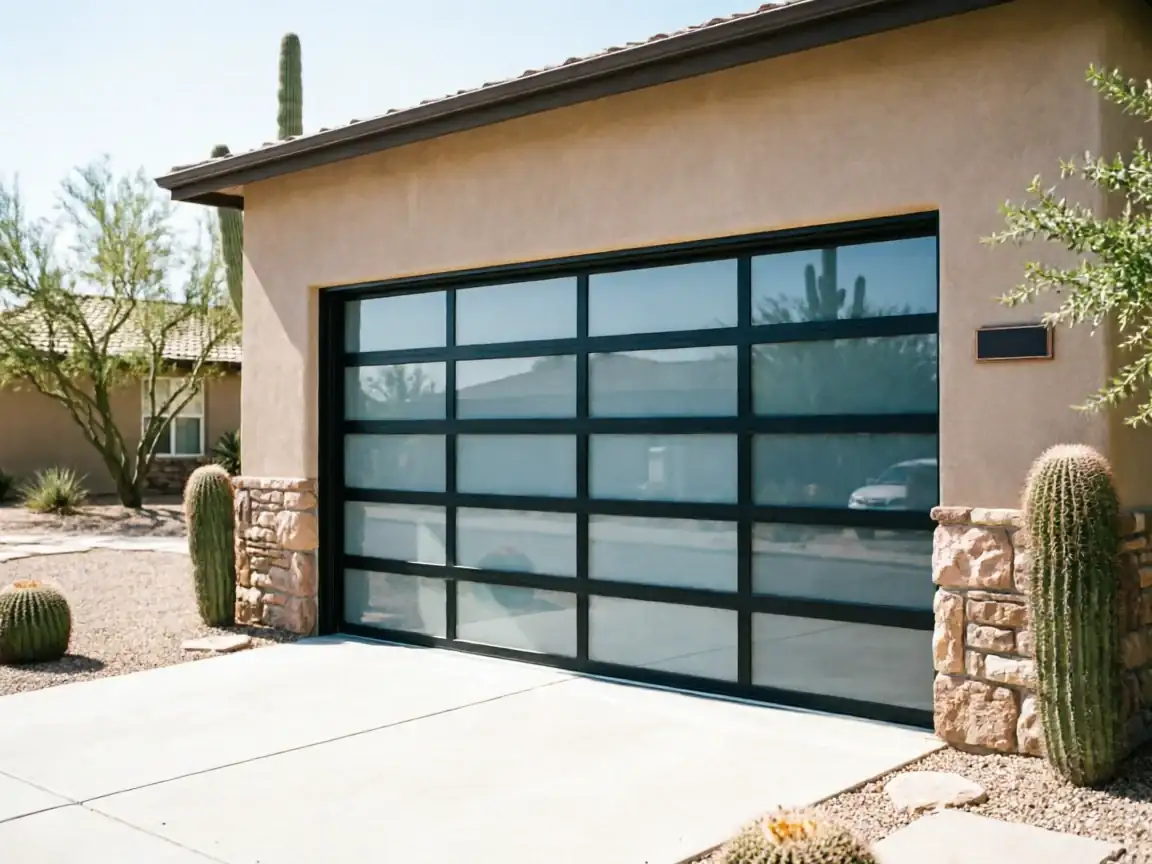
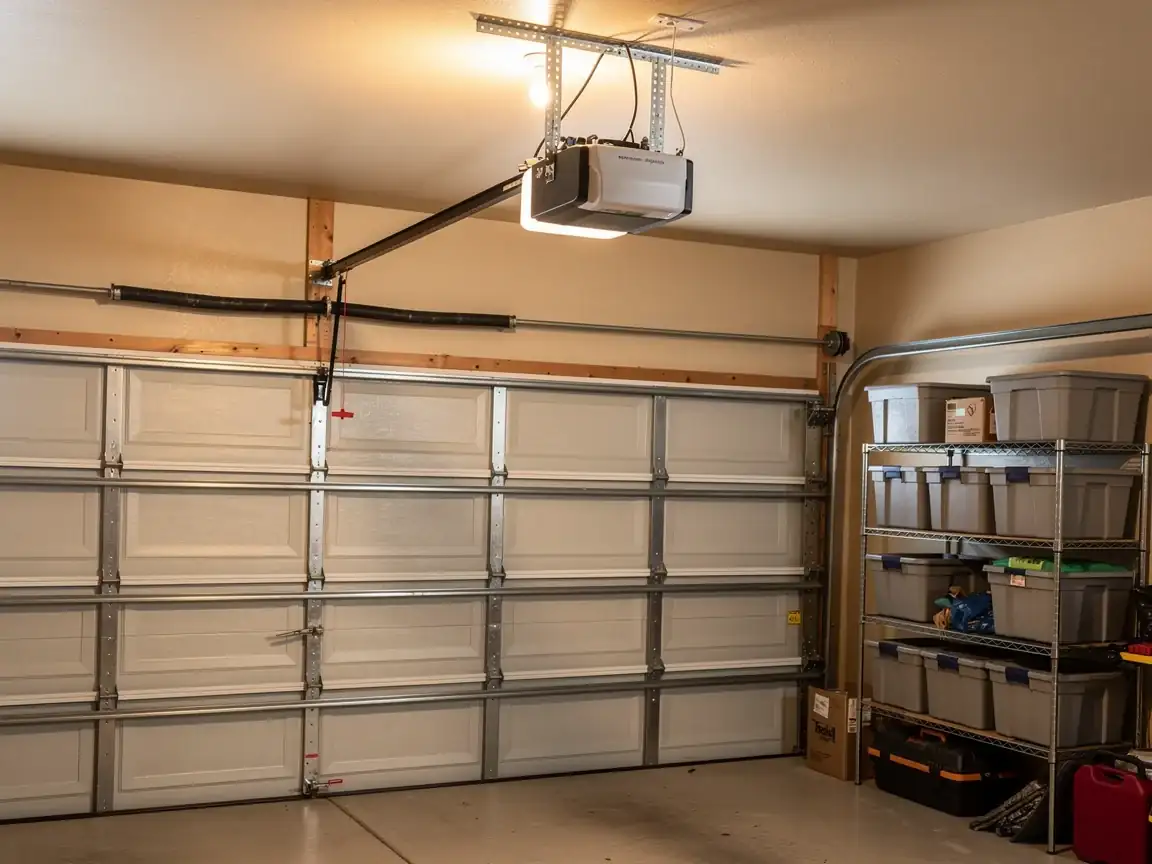
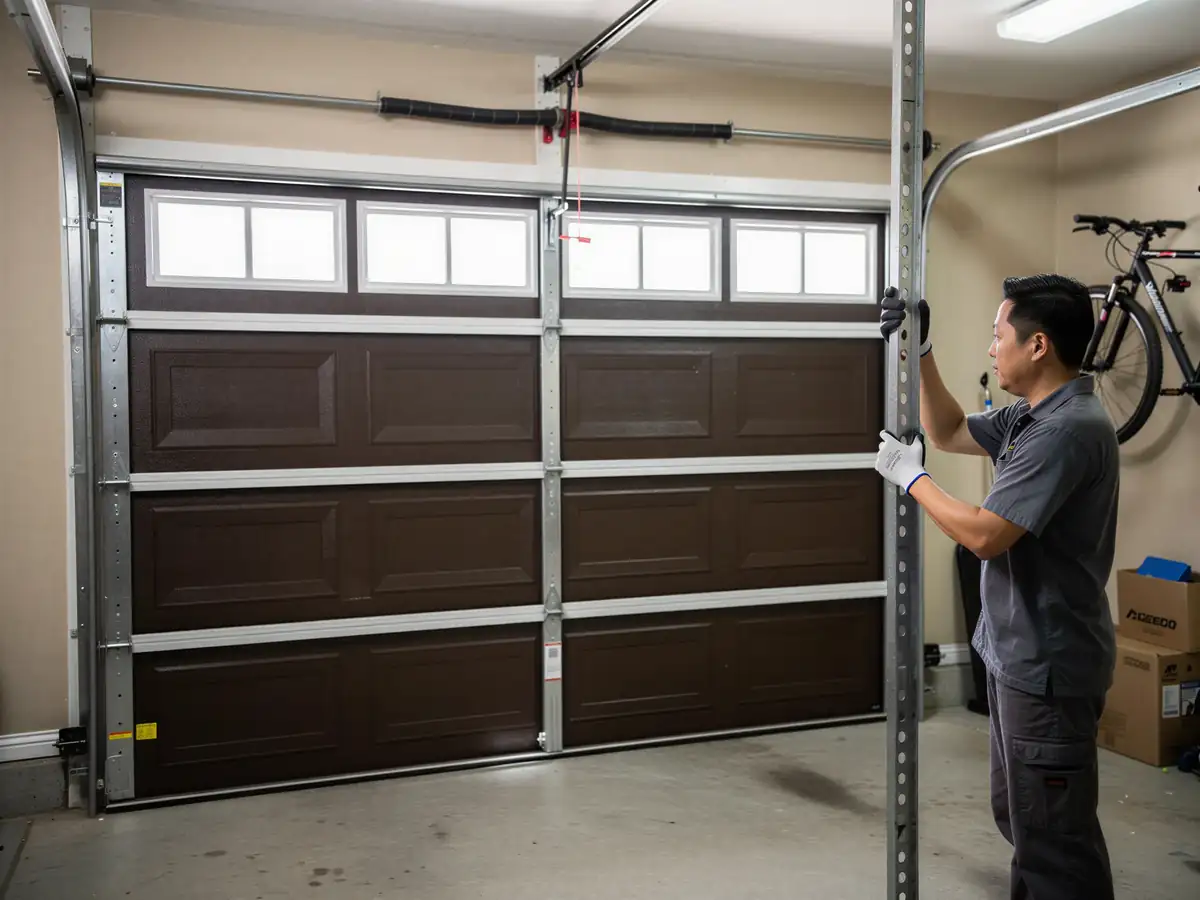
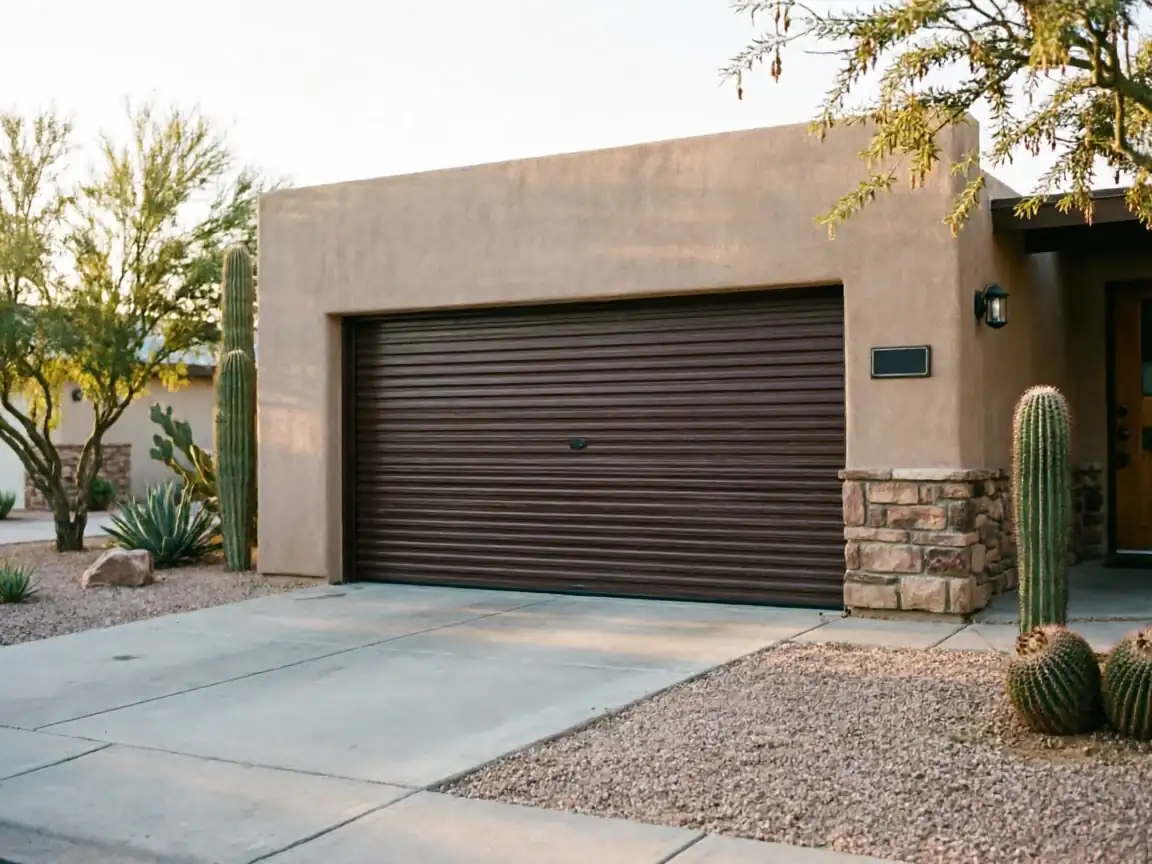
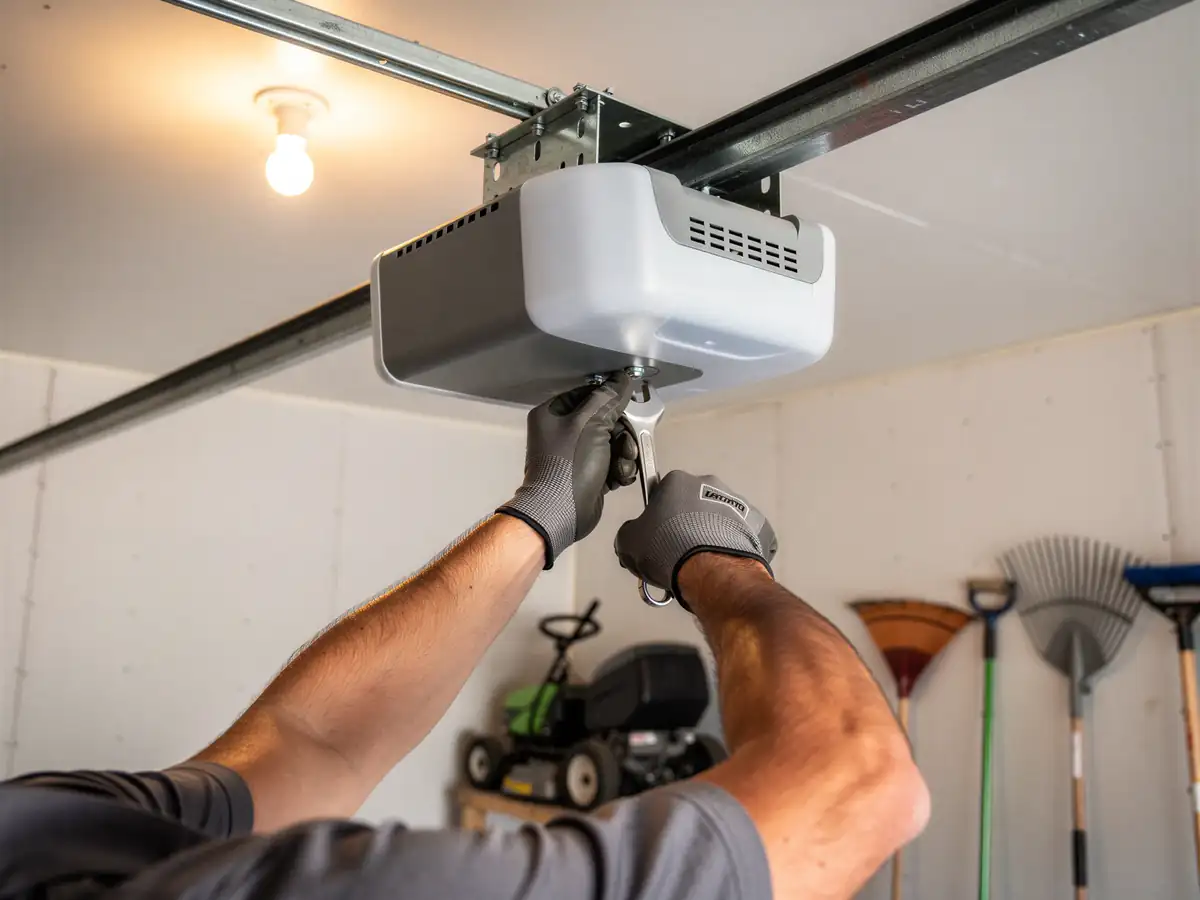
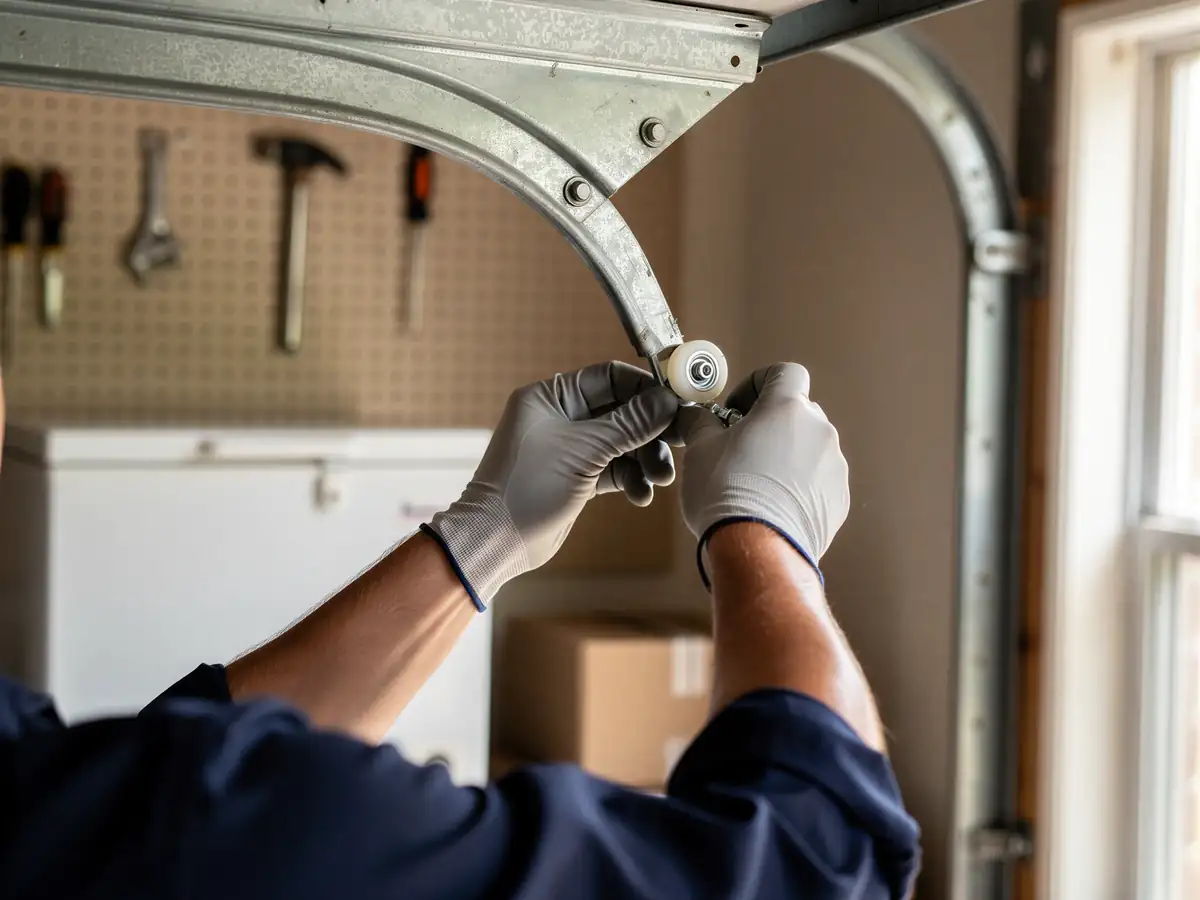
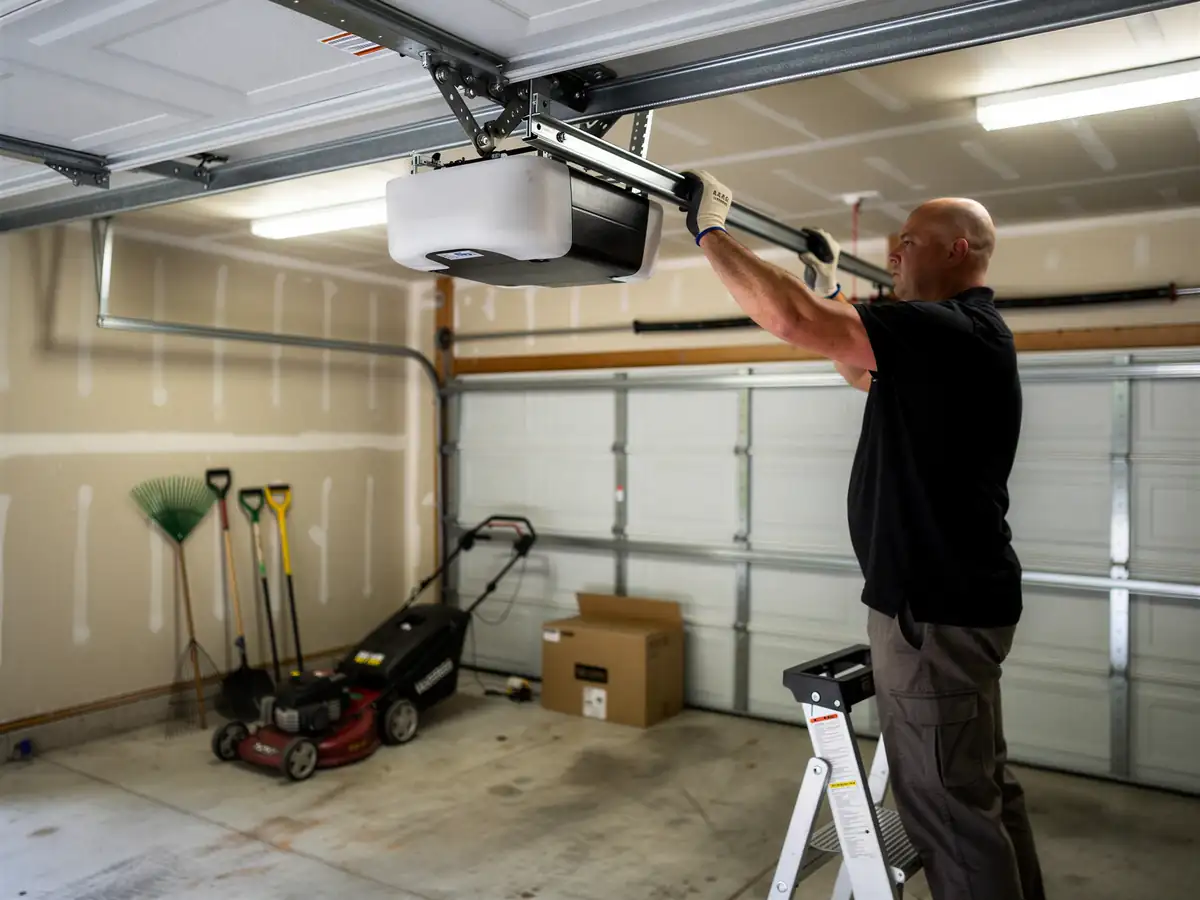
Housing in Avra Valley centers on a median build year of 1996, which lines up with the broader 1980-2007 stock the company works across its service area. That era means chain-drive and early belt-drive openers, half-horsepower motors, and circuit boards from manufacturers who've since changed their connector pinouts twice over. We carry logic boards and drive gears sized for that generation, along with universal remotes and safety-sensor pairs, because a 1996-era opener rarely takes the same parts off the shelf as something installed in the last five years. What we don't carry is every obsolete board a 1990s builder-grade unit might need - some of those are special-order, and we'll tell you that up front instead of taking the door apart first.
What You Are Seeing
An opener installed when a house was built in 1996 is pushing thirty years old if it's the original unit, which is past the point most motors are rated for. More often what we find on a call here is the second opener - the one a previous owner put in sometime in the 2000s or 2010s after the first one failed - now showing the same signs: a motor that runs but won't lift, a remote that only works standing under it, or a light that blinks instead of the door moving. Zone 3 desert heat (HEAT severe) is hard on the electronics specifically - logic boards and capacitors degrade faster inside a hot garage than the mechanical parts do, so boards fail before gears strip in a lot of these units.
Why This Fails Locally
Severe summer heat is the actual driver behind most opener calls out this way, more than age or usage. A garage that sits closed all day in that heat band turns into an oven for the opener's circuit board, and solder joints and capacitors break down faster under sustained high heat than they would in a mild climate. Safety sensors mounted low near the floor also drift out of alignment as PVC brackets and metal brackets expand and contract across daily heat swings, which is why a door that