Why This Fails Locally
The drive from our Marana shop to Picture Rocks runs twelve miles
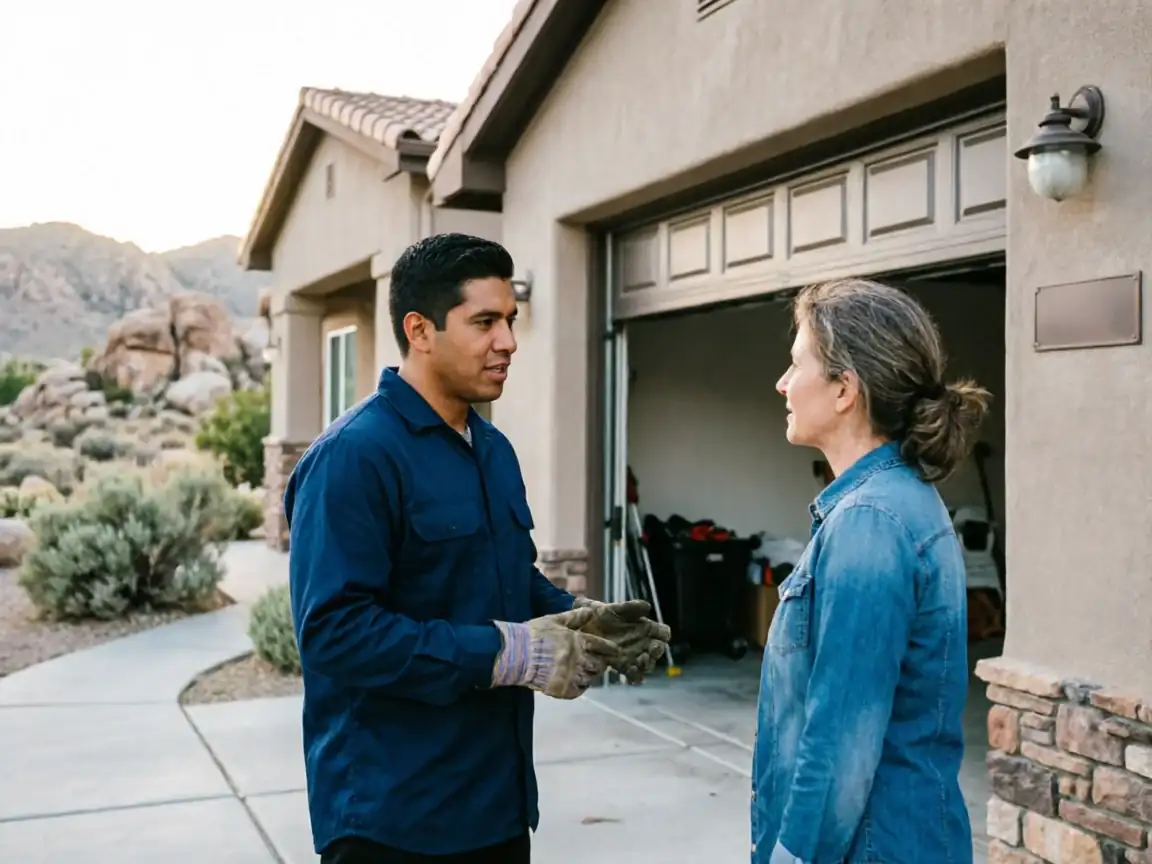
And that distance shapes how a call here actually goes. We don't have a branch out this way, so getting the diagnosis right before we load the truck matters more than it would somewhere closer in.
What we find once we're there tends to look the same house to house
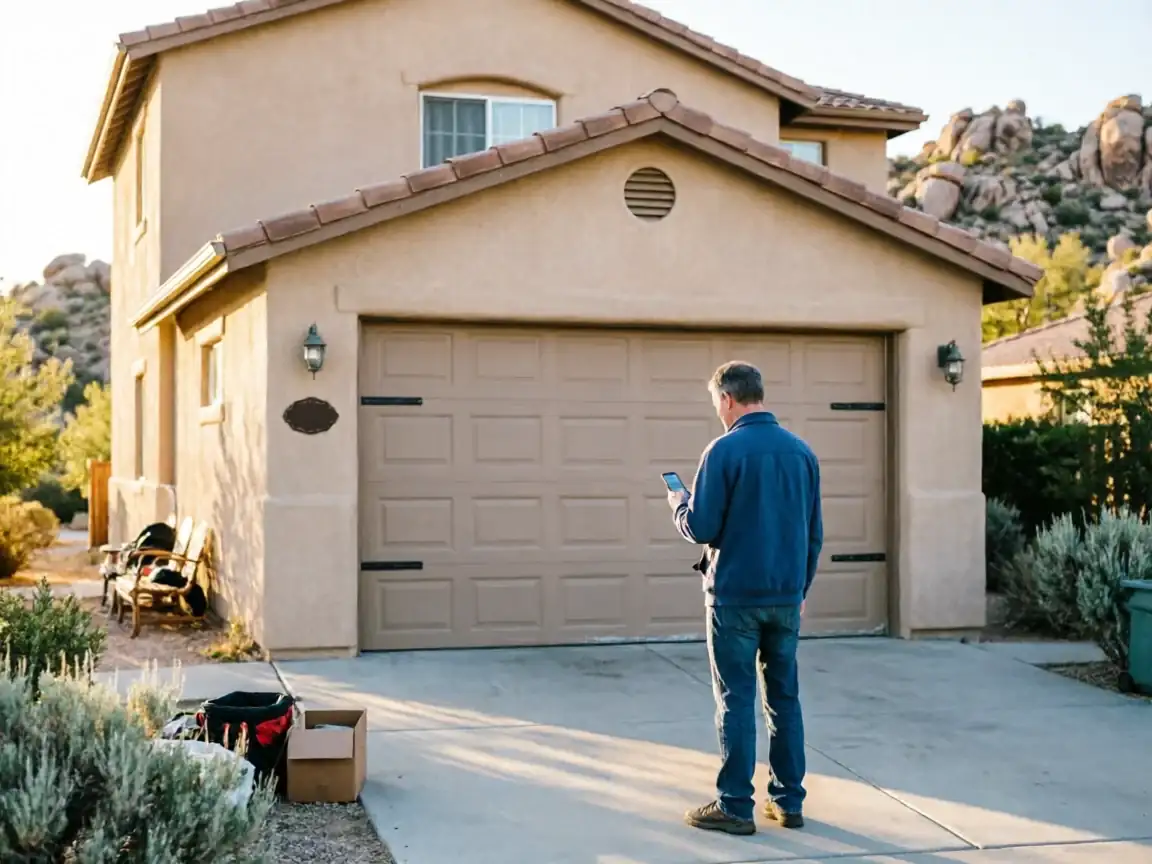
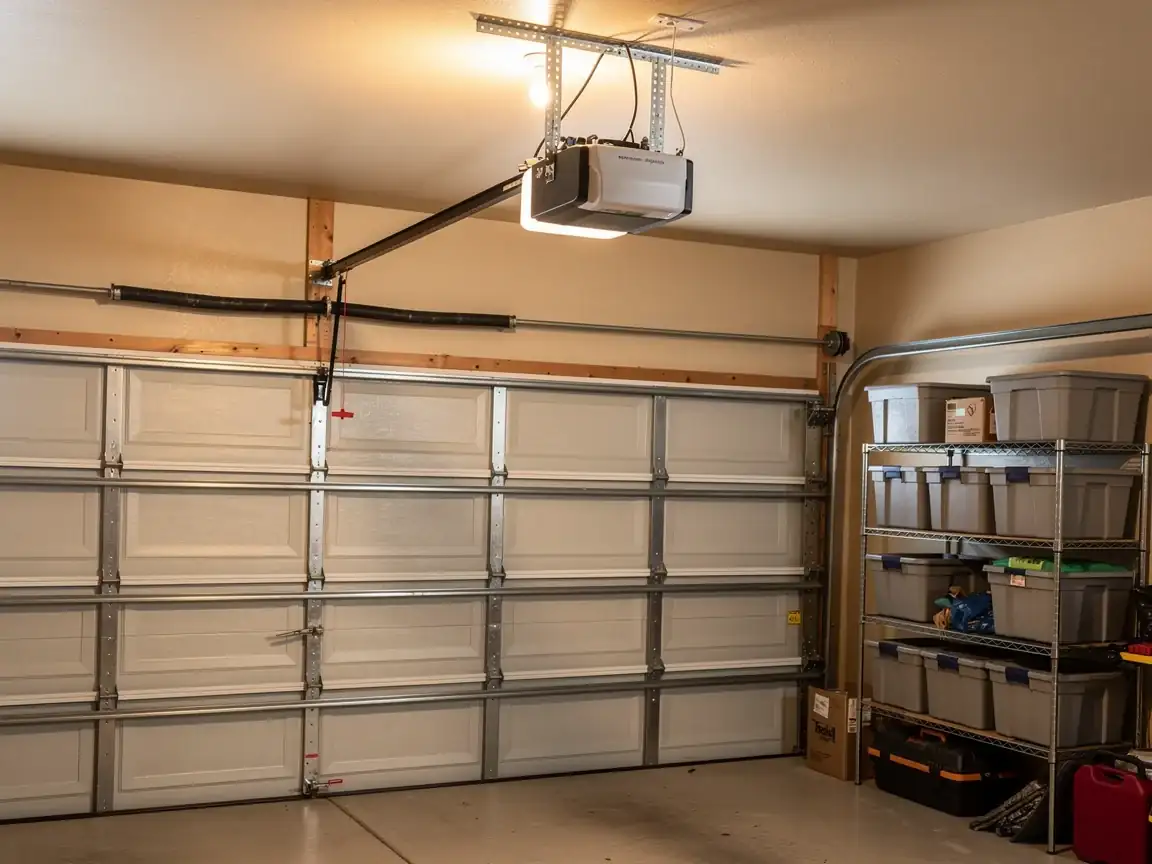
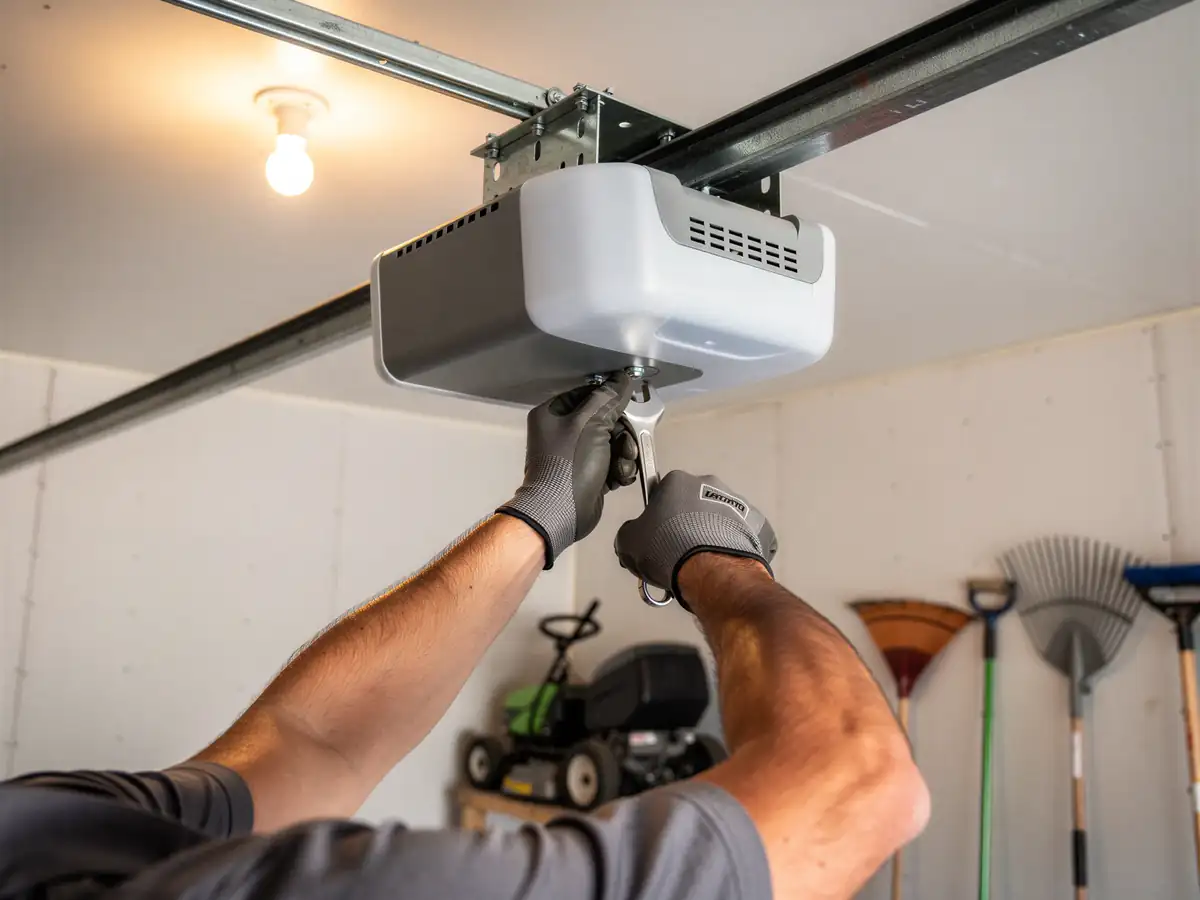
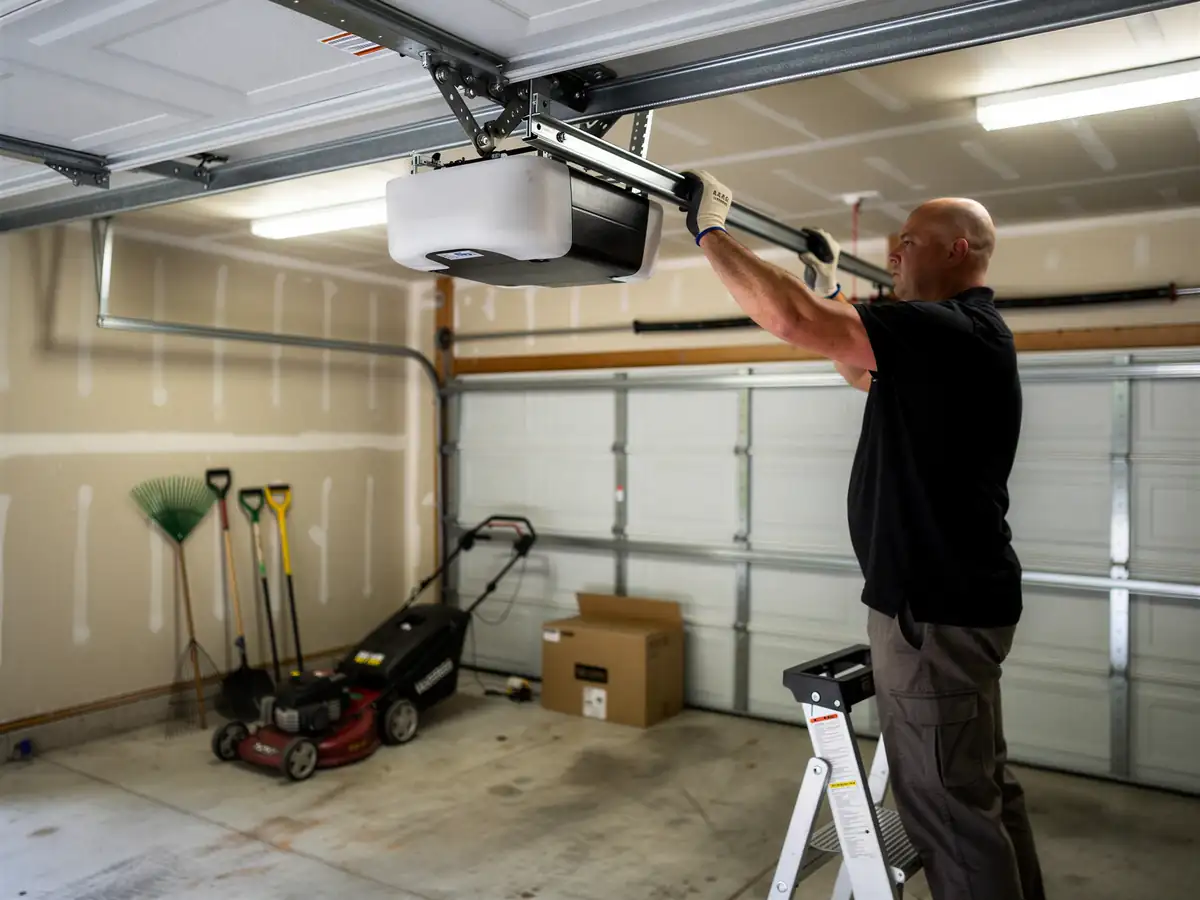
Picture Rocks homes went up mostly around 1994, which puts a lot of original or first-replacement chain-drive openers from that era still bolted to the ceiling joist. Those units have circuit boards and start capacitors that were never built for thirty summers of attic-adjacent heat. This is a severe-heat climate zone, and that heat doesn't just fade paint - it dries out the capacitor paste and cooks the solder joints on logic boards until the opener starts half-triggering, reversing on its own, or not responding to the remote at all. That's the failure we see out here more than a worn gear or a stripped sprocket.
It's a different fault pattern than you'd get in a neighborhood full of newer belt-drive units with smart boards rated for current code
Here, the board itself is usually the problem before the mechanics are.
What Is on the Truck
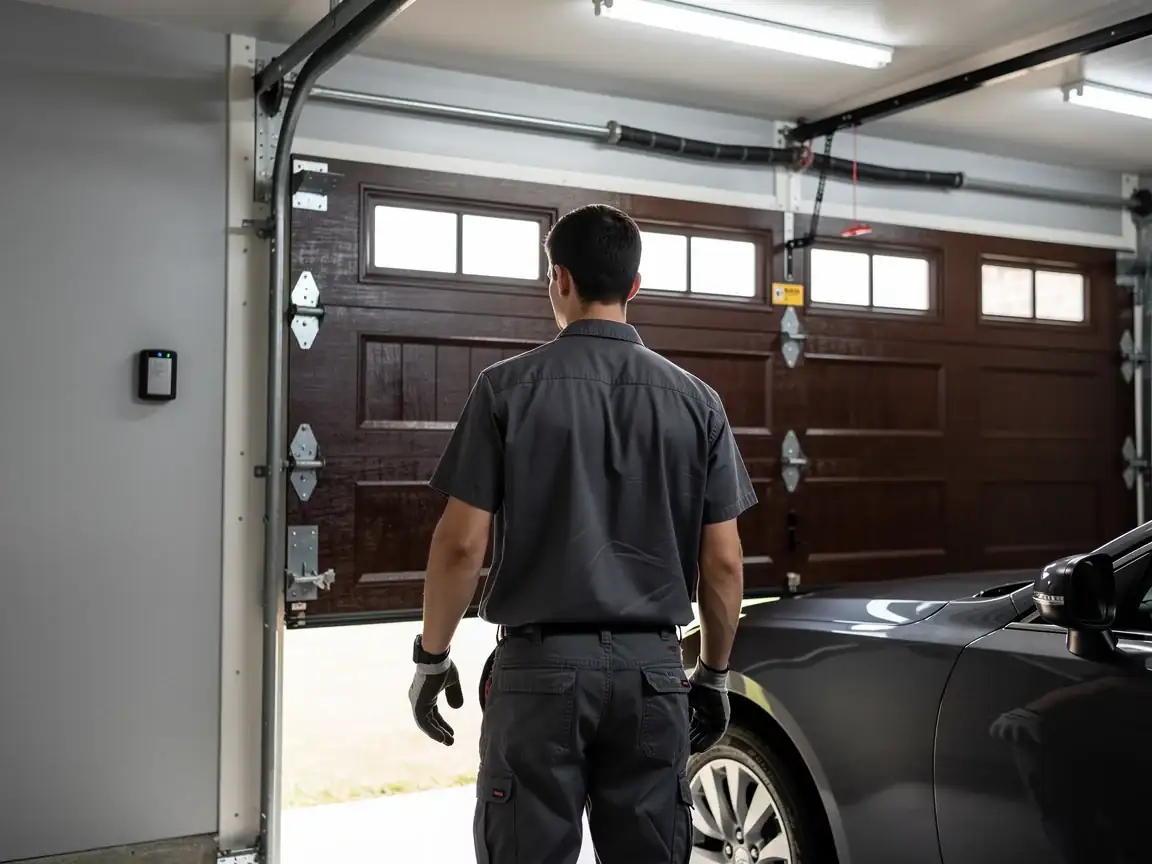
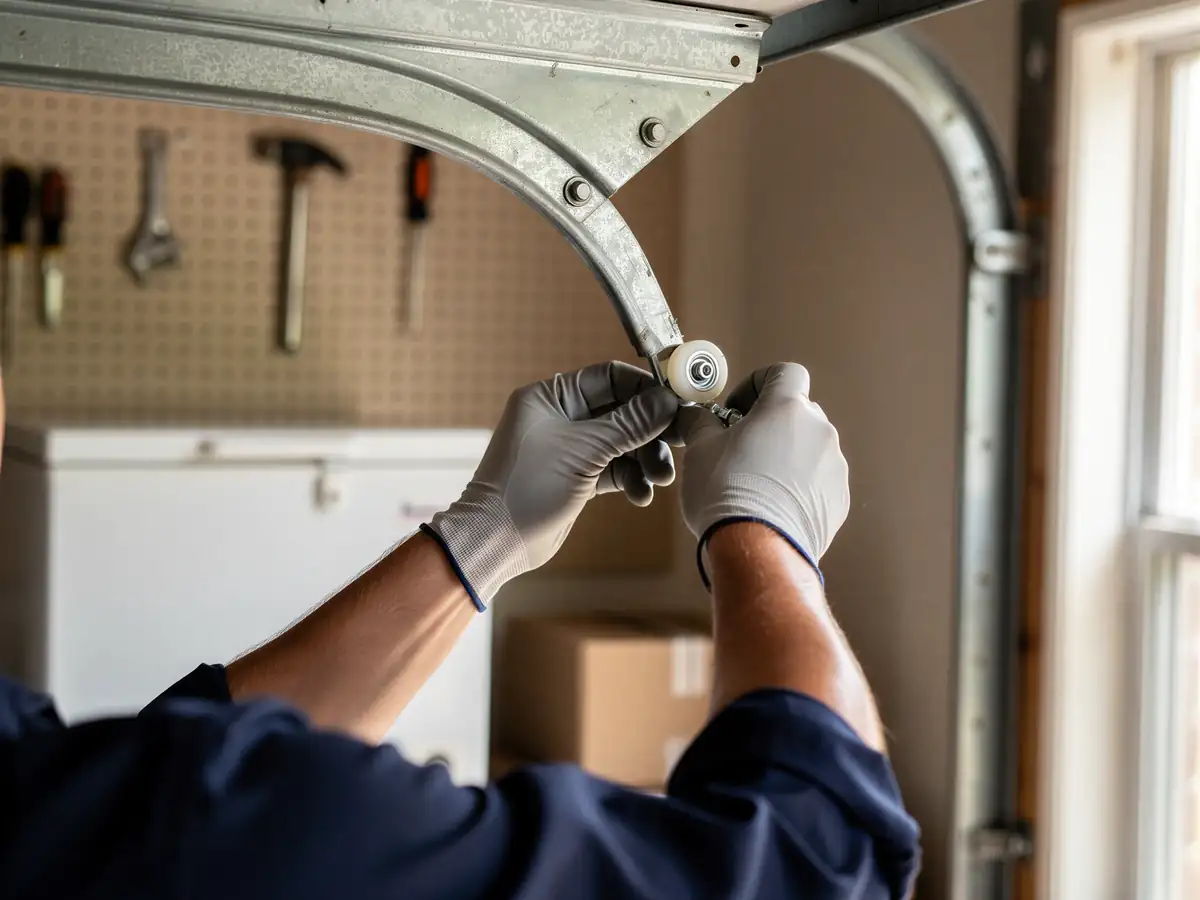
For a Picture Rocks call we carry what fits the 1994-era chain-drive openers that are common on this side of the valley: replacement logic boards, start capacitors, drive gear kits, and the sensor eyes that corrode or crack after years of sun exposure at the base of the track. We also carry universal remotes and keypads, since originals from that generation are long out of production and owners usually need a cross-compatible replacement anyway.
We stock the common stuff. What we don't carry on every run is a board for a discontinued model from a manufacturer that's since been bought out twice - those sometimes mean a special order, and we'll tell you that on the spot rather than pretend otherwise. If your opener turns out to need one of those, we'll give you the honest choice between waiting on the part or swapping to a current unit instead.
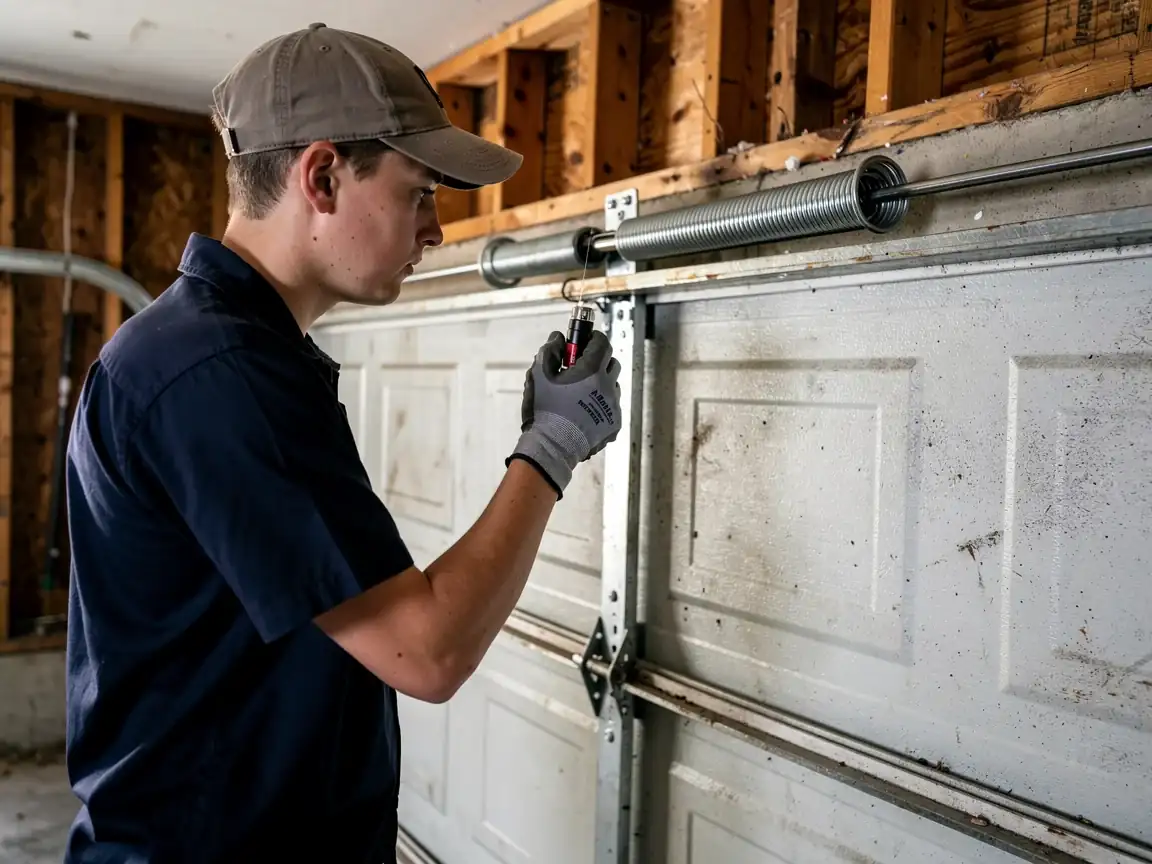
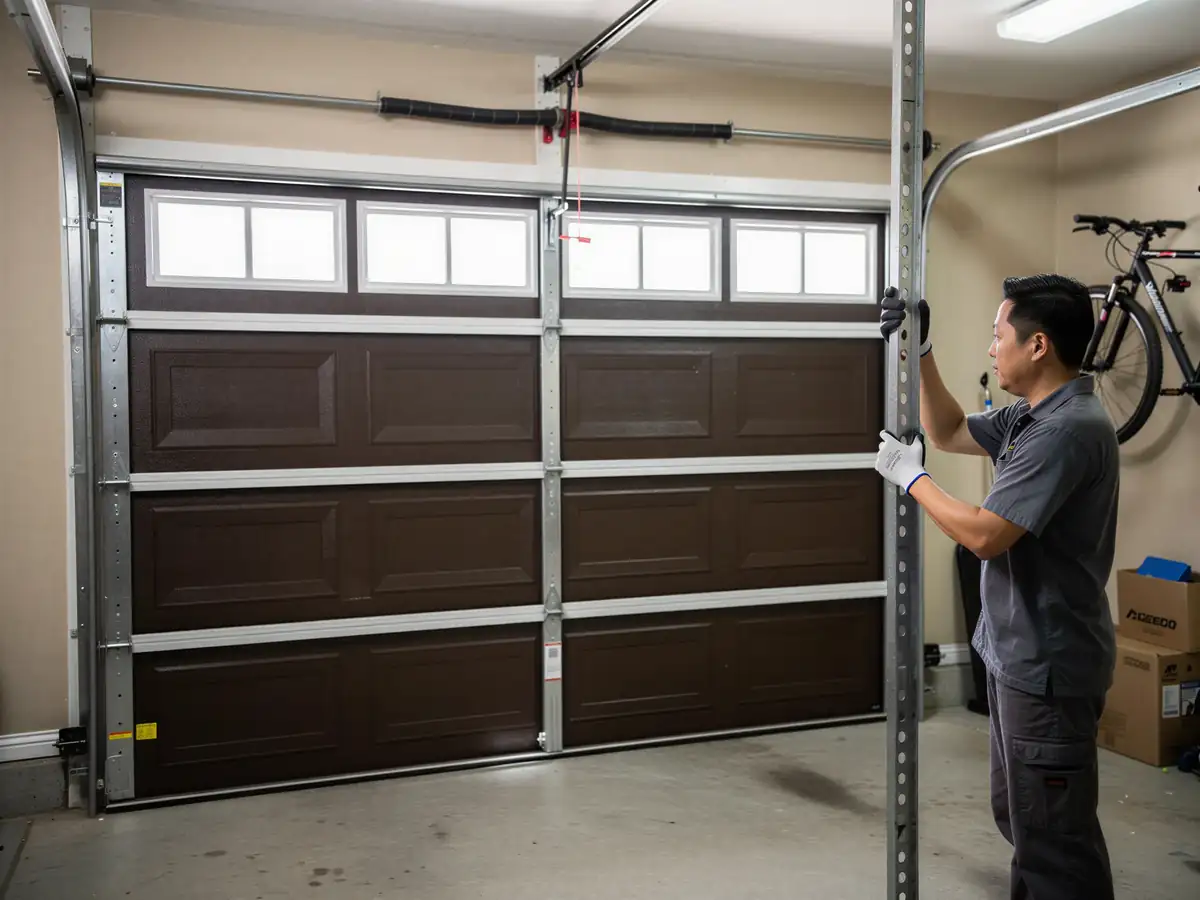
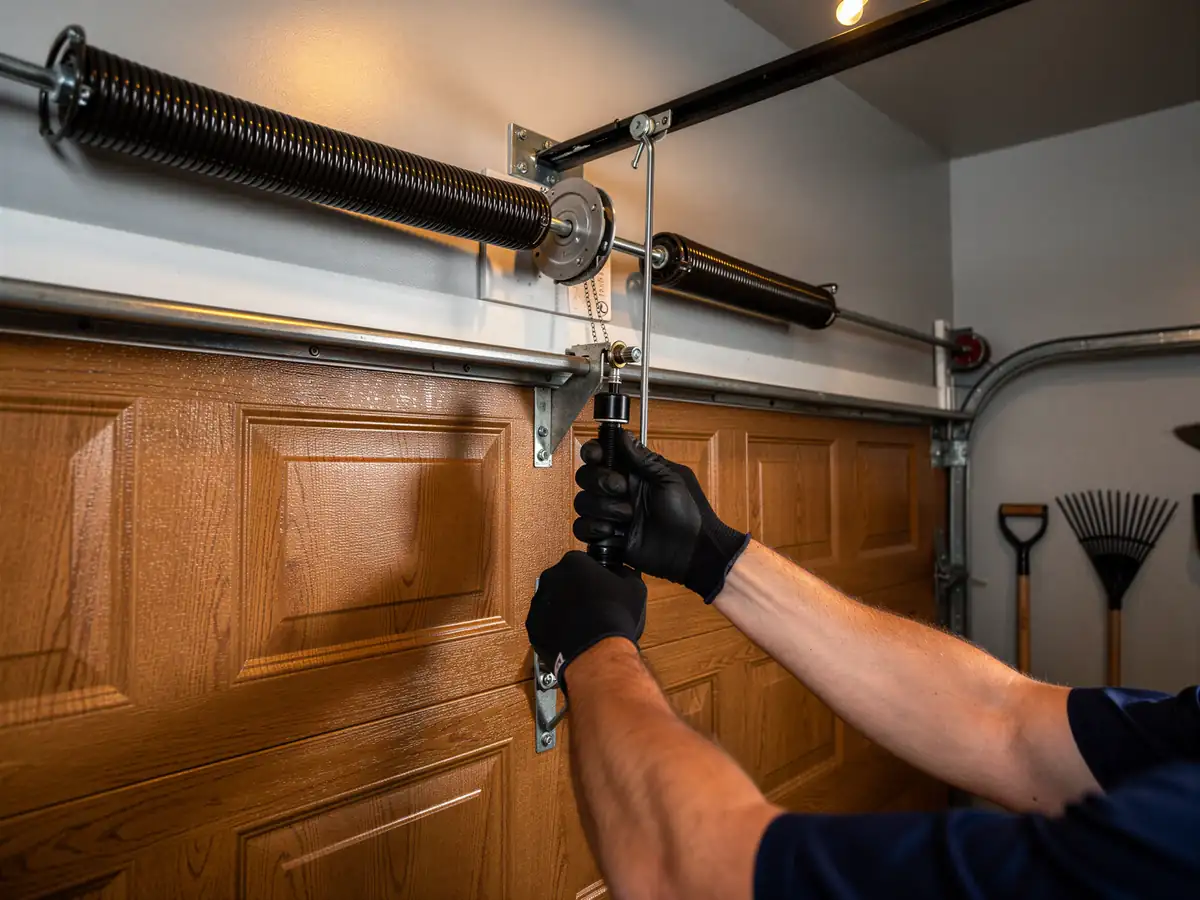
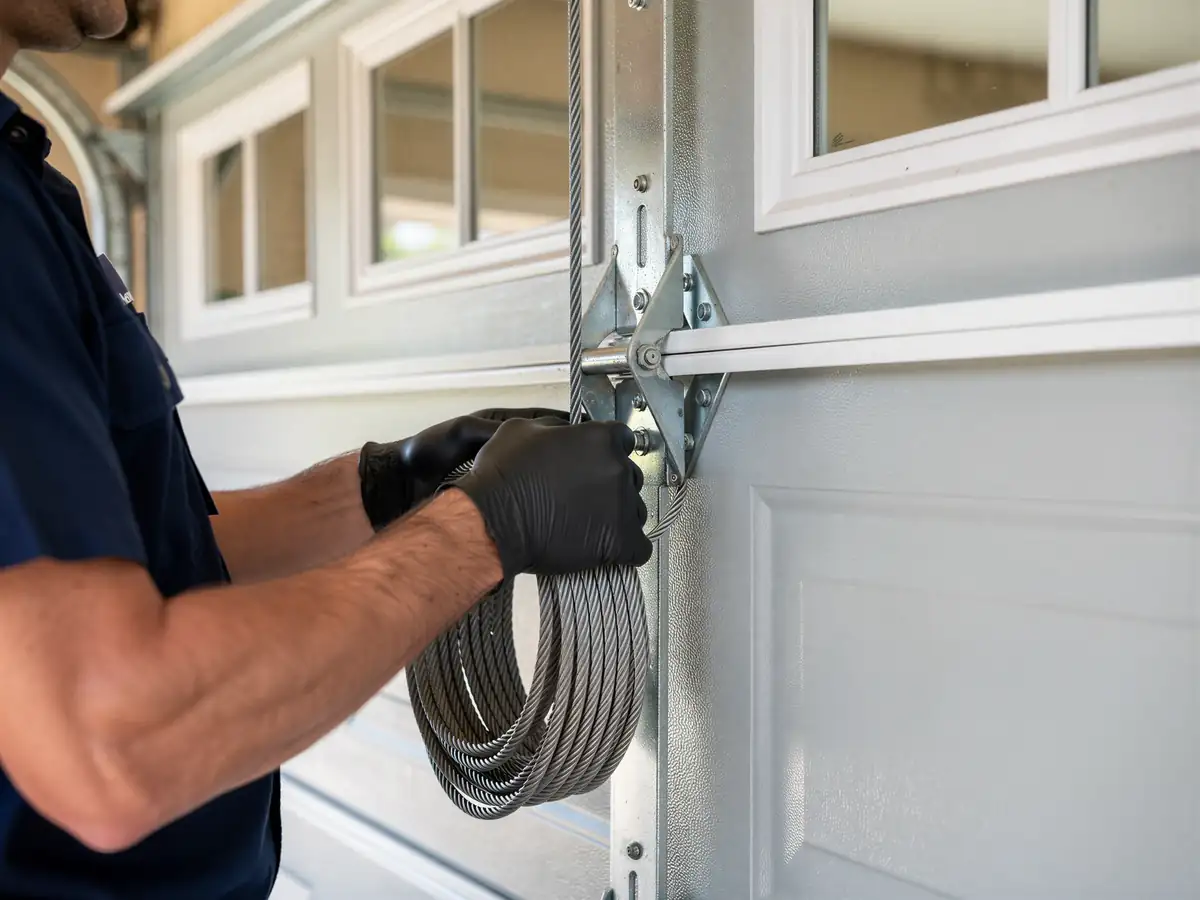
We also bring torsion spring and cable gear on the same truck, because a dead opener and a failing spring often get discovered on the same visit, even though they're separate jobs.
What You Pay
We don't have a flat number to quote here, and we won't invent one. What we can tell you is how the decision usually plays out in this area. With a median household income of $59,745 in Picture Rocks, a lot of owners we talk to want the repair option first - replace the board or capacitor, keep the motor and rail - rather than jump straight to a full opener swap.
That's usually the right call if the motor itself still runs quiet and the rail isn't stripped. It stops being the right call once you're replacing the second or third component on the same unit within a year or two; at that point the labor on repeated visits starts costing more than a new opener would have.
We'll look at the unit, tell you straight which side of that line it's on, and let you decide. We don't push a replacement on a board that just needs a $20 part.
How Long It Takes
Because Picture Rocks sits twelve miles out
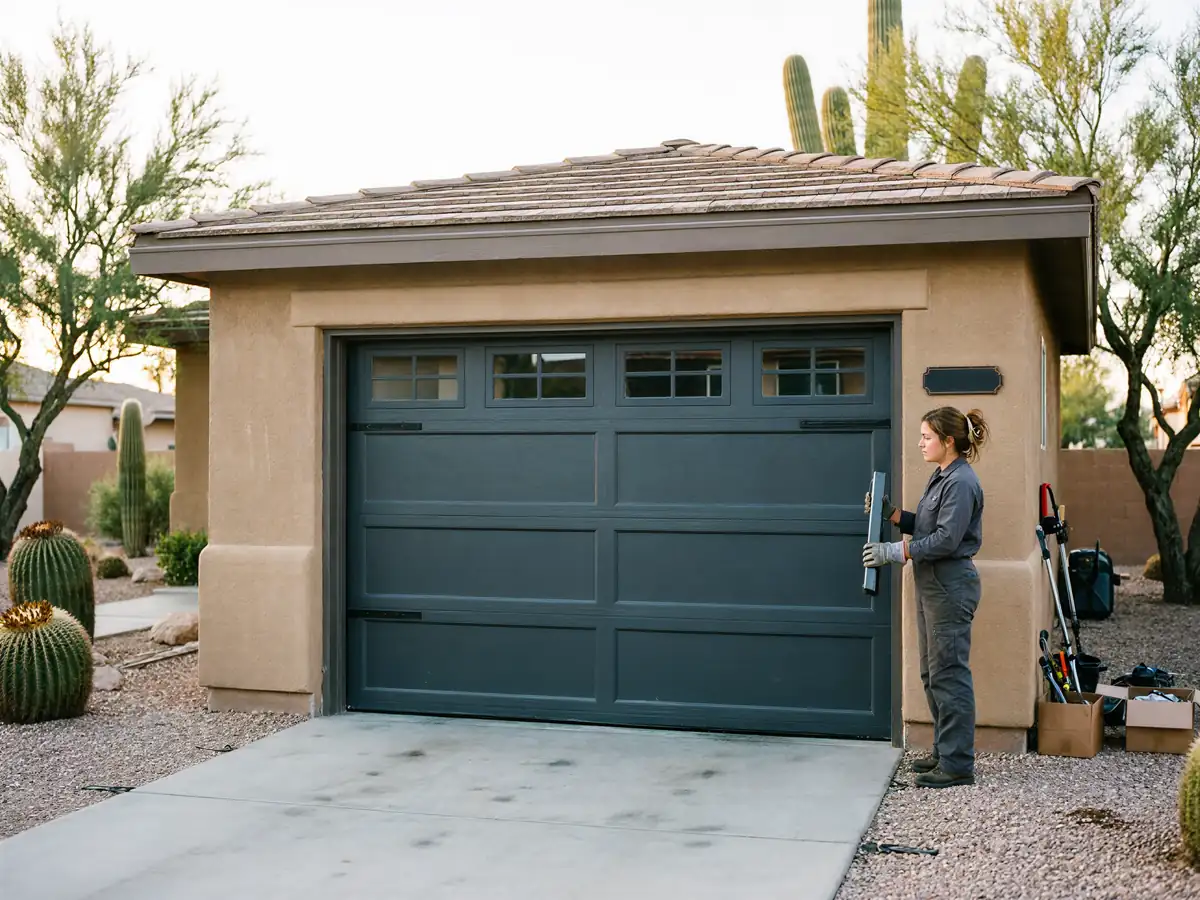
We build the visit around the drive rather than pretend it isn't a factor. A straightforward board or capacitor swap takes under an hour once we're on site, but we schedule the stop with enough room that a second issue found mid-job - a worn sensor, a loose rail bracket - doesn't blow the rest of the day.
We often pair a Picture Rocks call with a second stop at a similar distance, like Avra Valley, also twelve miles out
So the trip isn't a dead run for either job. That's routing, not urgency - if your opener dies on a Tuesday afternoon, don't expect us at your door in twenty minutes. Expect a call back to get the model and symptom, then a window for the same day or the next, depending on what else is already on the truck's route.