Why This Fails Locally
The median house in Tucson Estates was built around 1992
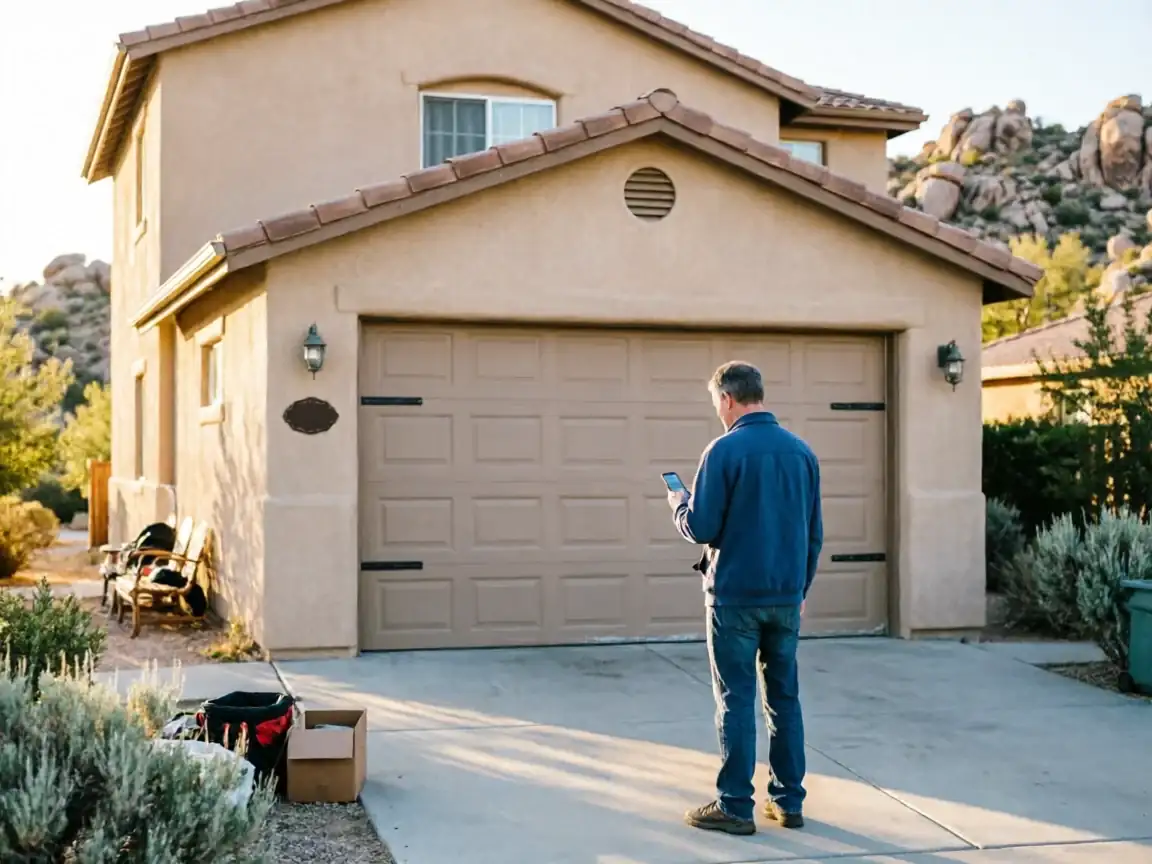
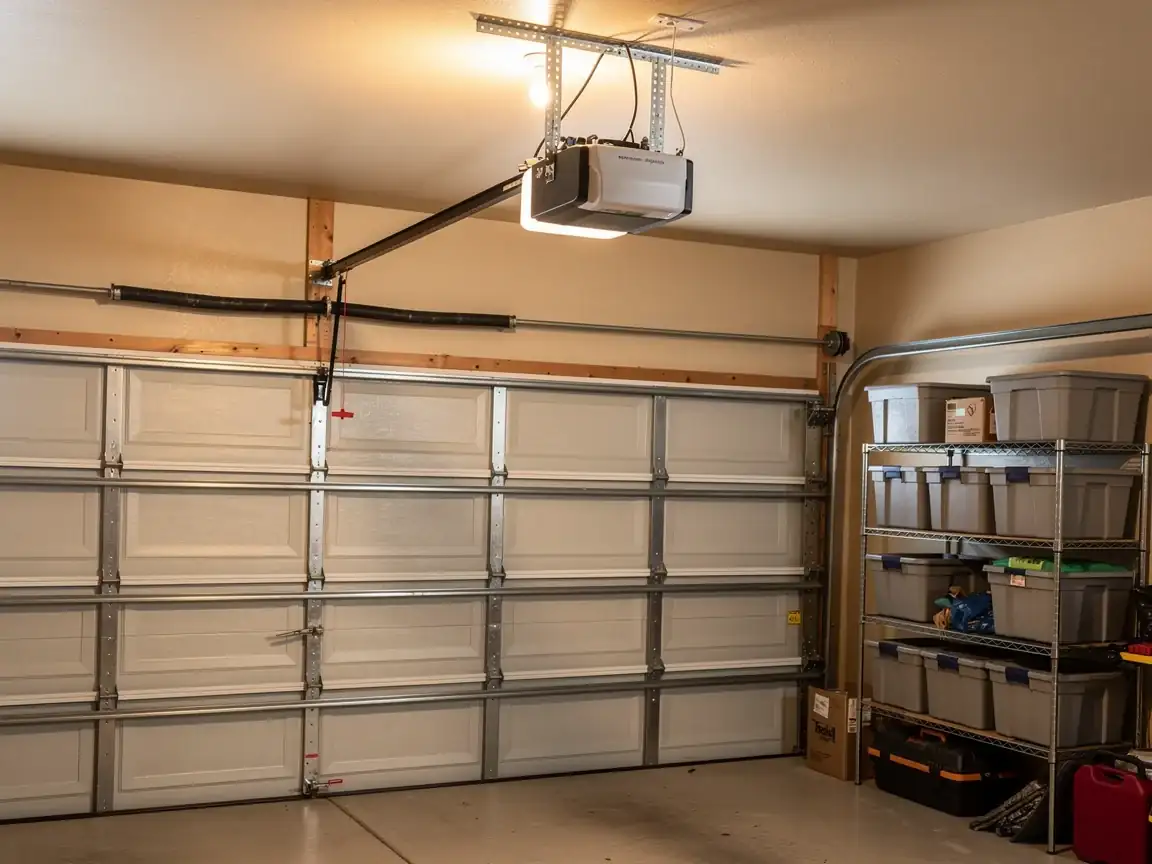
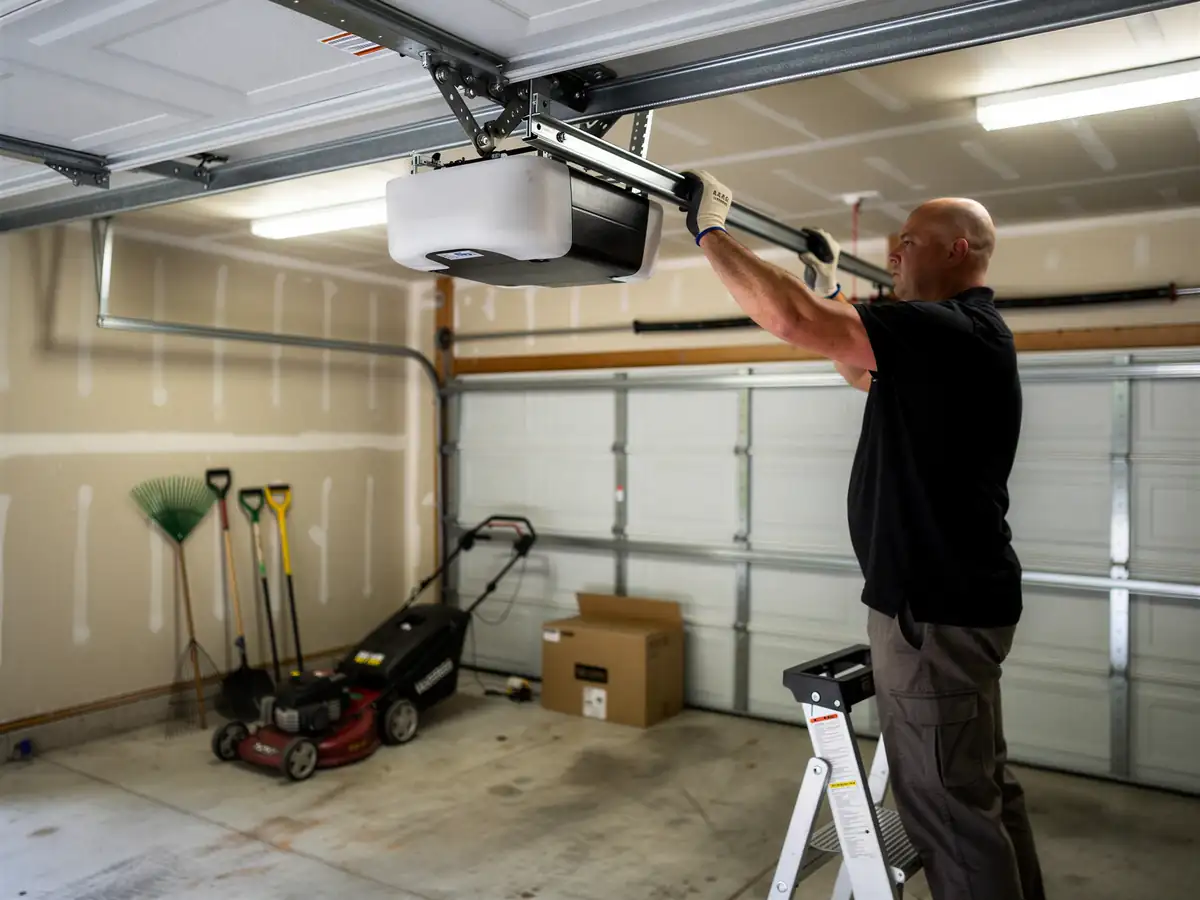
A bit earlier than the 1995 median we see across the rest of the service area we cover out of Marana. A few years doesn't sound like much until you're standing in front of the opener. Doors from the early 90s are more likely to still be running the original extension-spring setup instead of torsion, and more likely to have a chain-drive opener that's on its second or third logic board by now. That's the hardware we expect to find when we get a call from this side of town, not the newer torsion-and-belt combos going into houses built closer to 2000 and after.
Add the heat
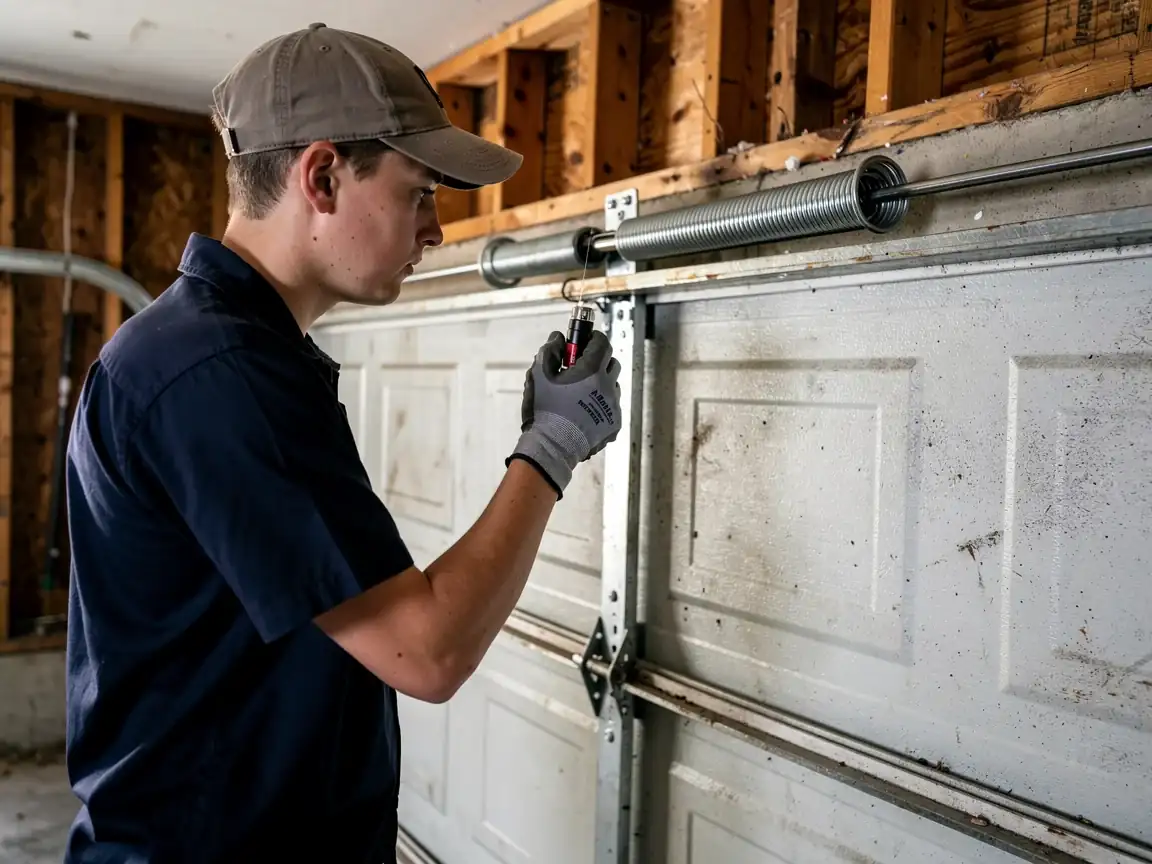
This area sits in a severe-heat climate band, and extension springs mounted bare over the door, with no torsion tube to shield them, take more cycles of expansion and contraction than a torsion setup would. The same goes for the nylon rollers and the plastic gears inside an older opener - heat breaks those down faster than age alone would. So the failure pattern here tends to be a stretched or snapped extension spring, or an opener gear that's worn to dust, more than the broken torsion spring we see on newer builds elsewhere in the service area.
Can You Do This Yourself
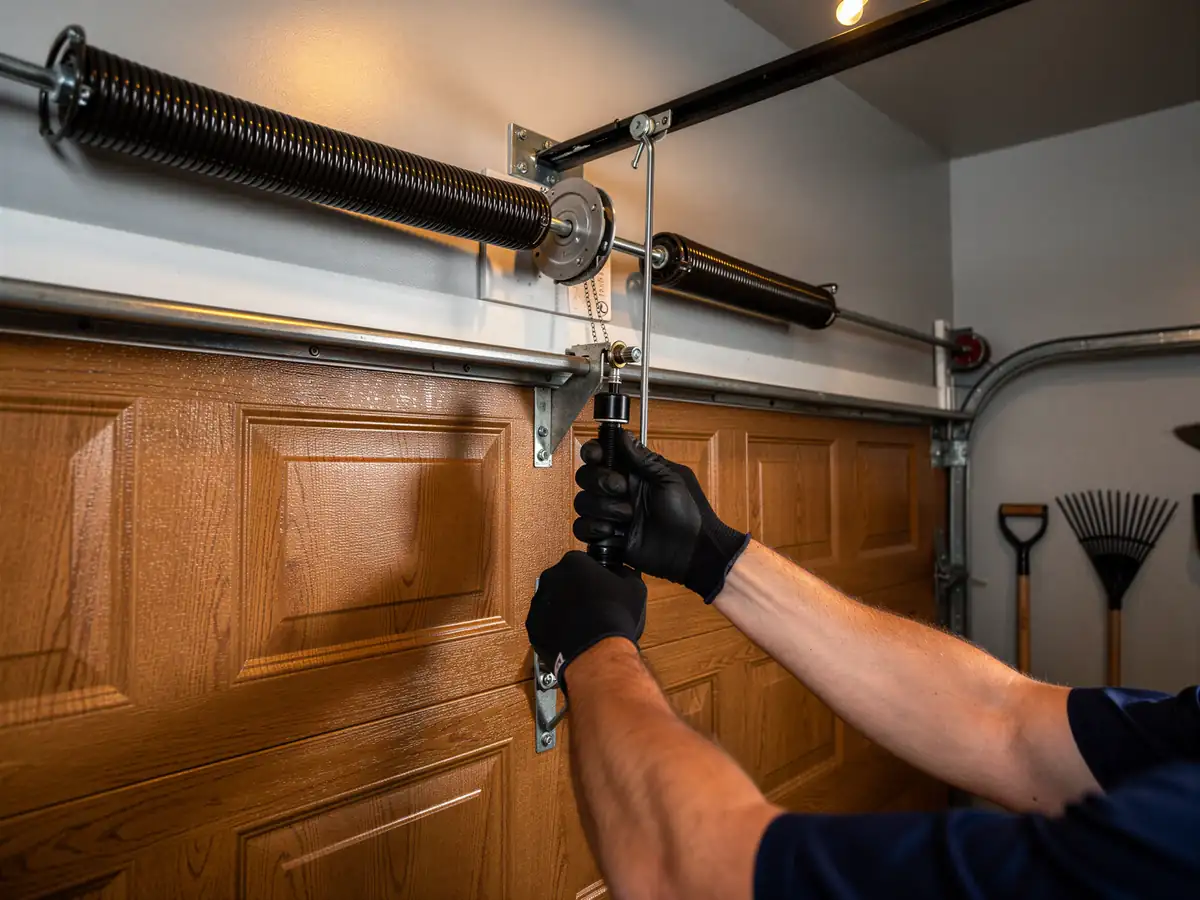
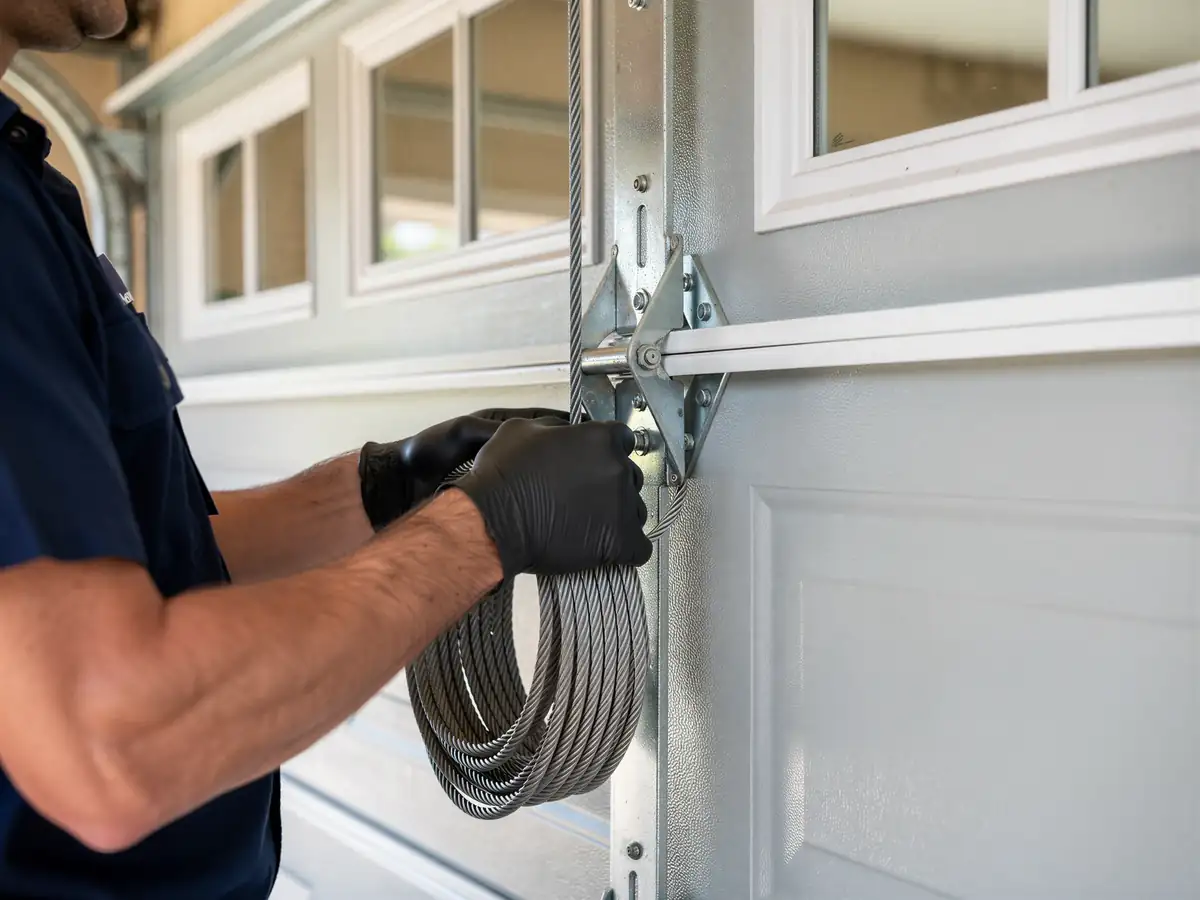
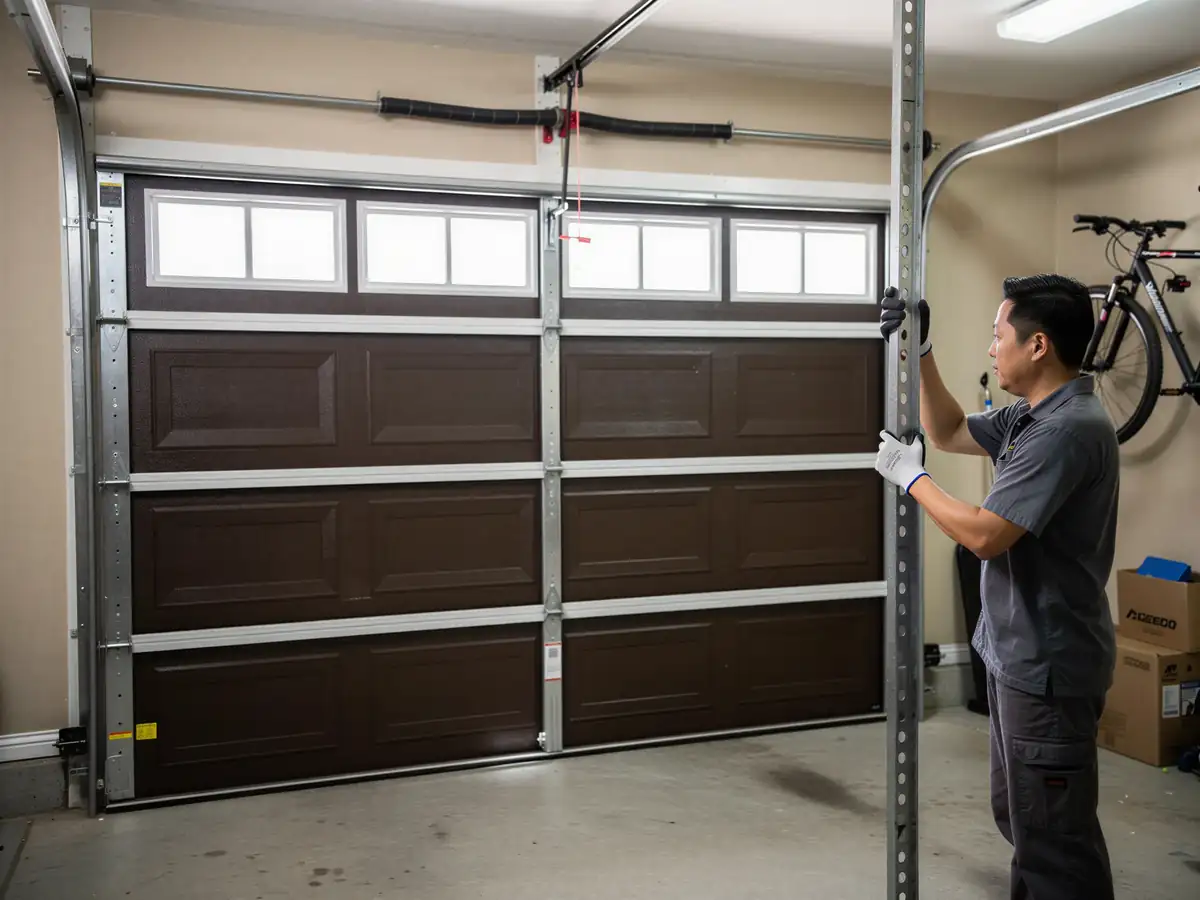
Extension springs are more forgiving to look at than torsion springs - no drum, no cable wound under tension on a shaft - but they're not more forgiving to work on. A stretched or broken extension spring is still under load, and the safety cables that are supposed to catch a snapped spring are often missing or rusted through on houses from this era. If yours are missing, that's not a DIY add-on project; that's a reason to call someone out.
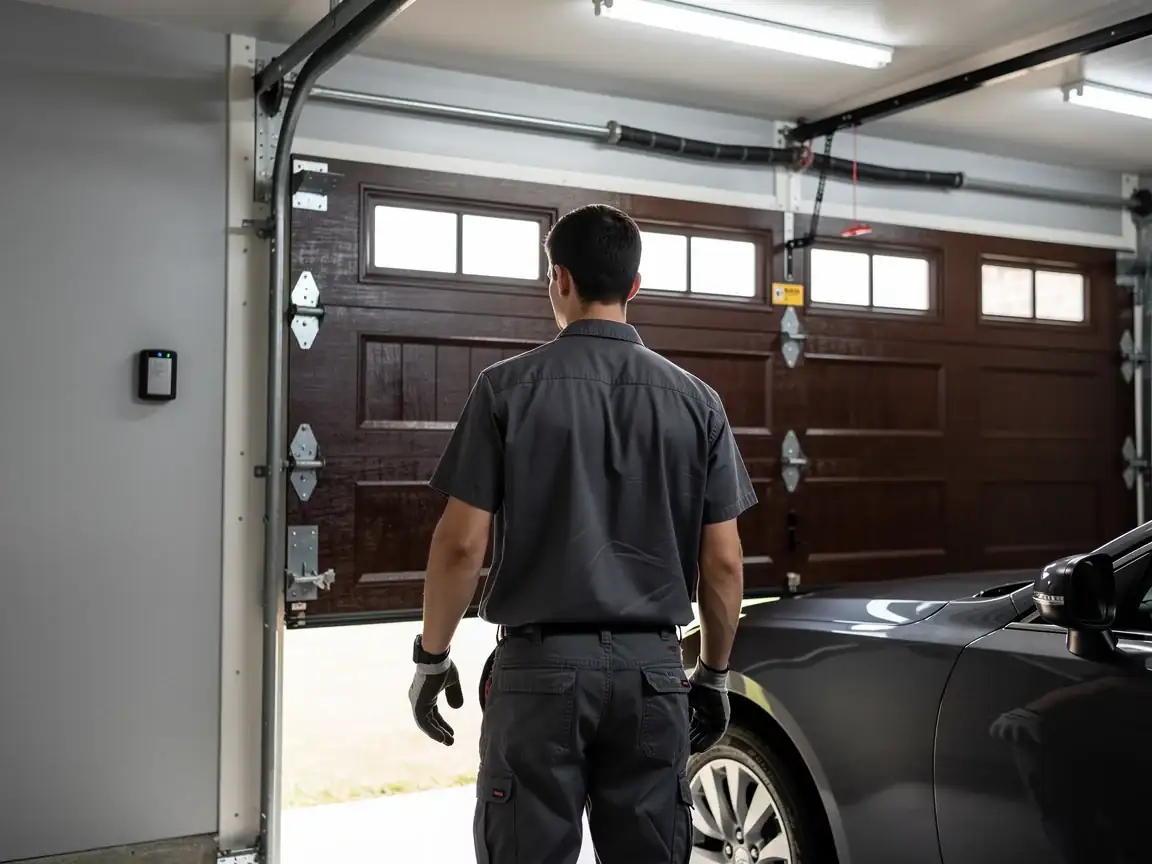
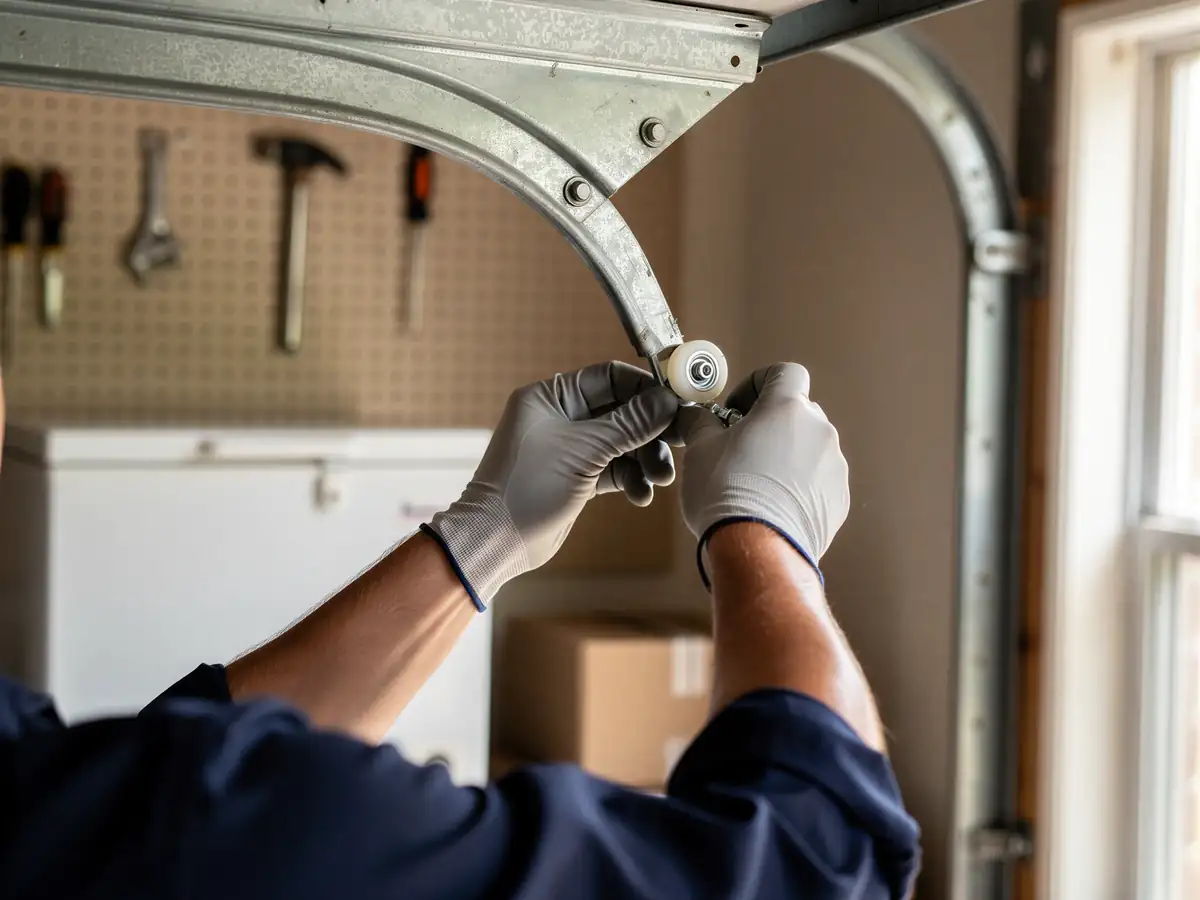
What you can reasonably check yourself: whether the door is binding on the track, whether the rollers look chalky or cracked (a heat sign, not a defect), and whether the opener's travel limits have drifted, which shows up as the door reversing before it touches the floor. None of that requires touching a spring. If the door won't move at all, or one side of it is hanging lower than the other, stop there and make the call - that's spring or cable, and it's not a weekend fix.
How Long It Takes
We're coming from Marana, and Tucson Estates sits about 20 miles out, so plan on that drive being part of the job window rather than something that happens before it. Once we're on site, a straightforward extension spring replacement or roller swap is usually finished the same visit.
What slows things down out here is parts. If your opener is old enough that the logic board or the specific gear kit isn't something we carry on the truck, that part has to be ordered, and a second trip gets scheduled once it's in. We'd rather tell you that up front than promise a same-visit fix on a part we don't have.
Where This Job Goes Sideways
The most common surprise on an early-90s door is corrosion on the extension spring hooks and the safety cable
Especially after years of heat cycling. What looks like a simple spring swap turns into replacing the end brackets too, because the metal around the hook has fatigued. We won't know that until the door's open and we're looking at it directly.
The other one: homeowners in this part of the service area sometimes assume a dead opener means a new opener
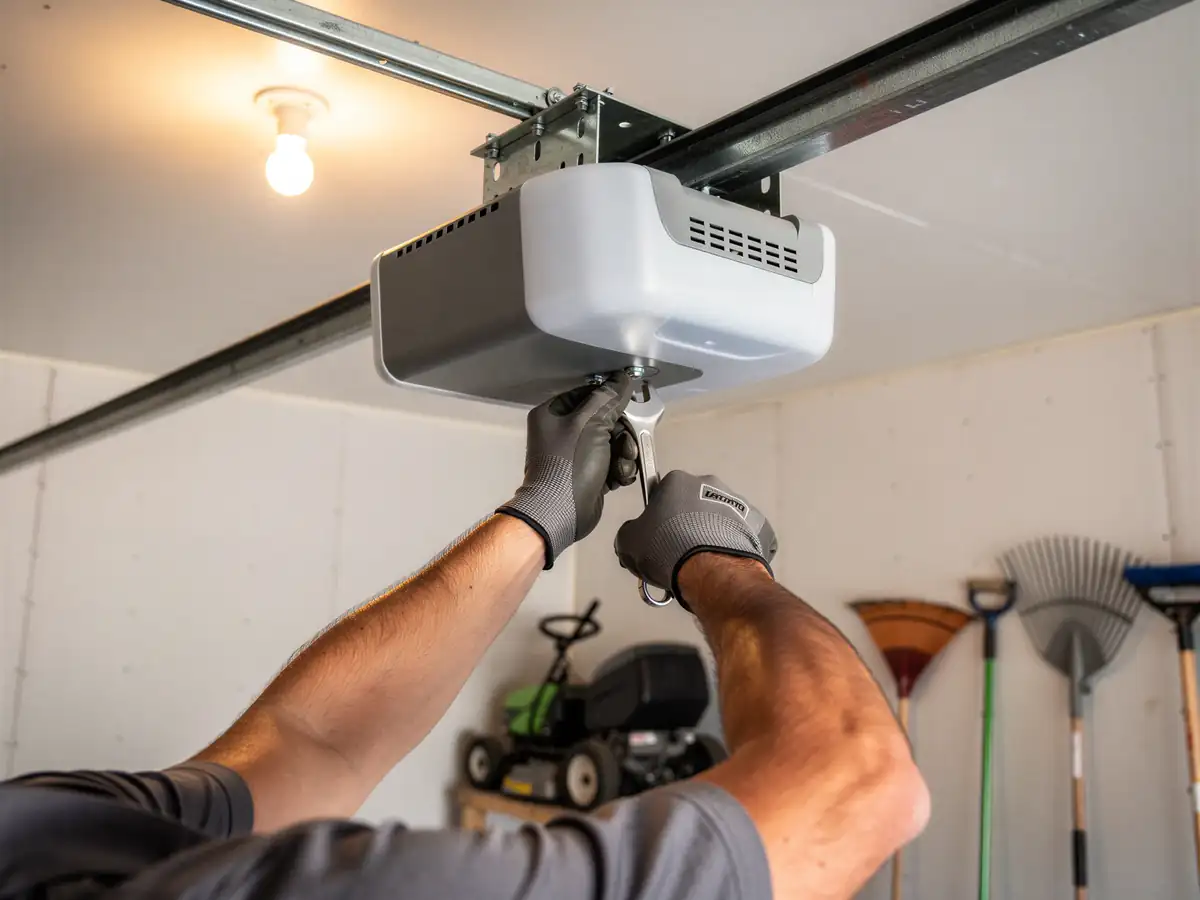
Often it's just the gear or the logic board, and replacing those costs a fraction of a full unit. We'll tell you straight which one you're looking at - we're not going to sell a new opener when the gear kit does the job.
Booking a Visit
If your garage door in Tucson Estates has a spring that's stretched, snapped, or missing its safety cable, or an opener that's grinding instead of lifting, that's the kind of call worth making before it strands the car inside. We run out from Marana to cover this address and the rest of the area around it, and for anything on the general repair list that isn't specific to this part of town, our main repair page covers the full service.