Why This Fails Locally
Tucson Estates mostly went up around 1992
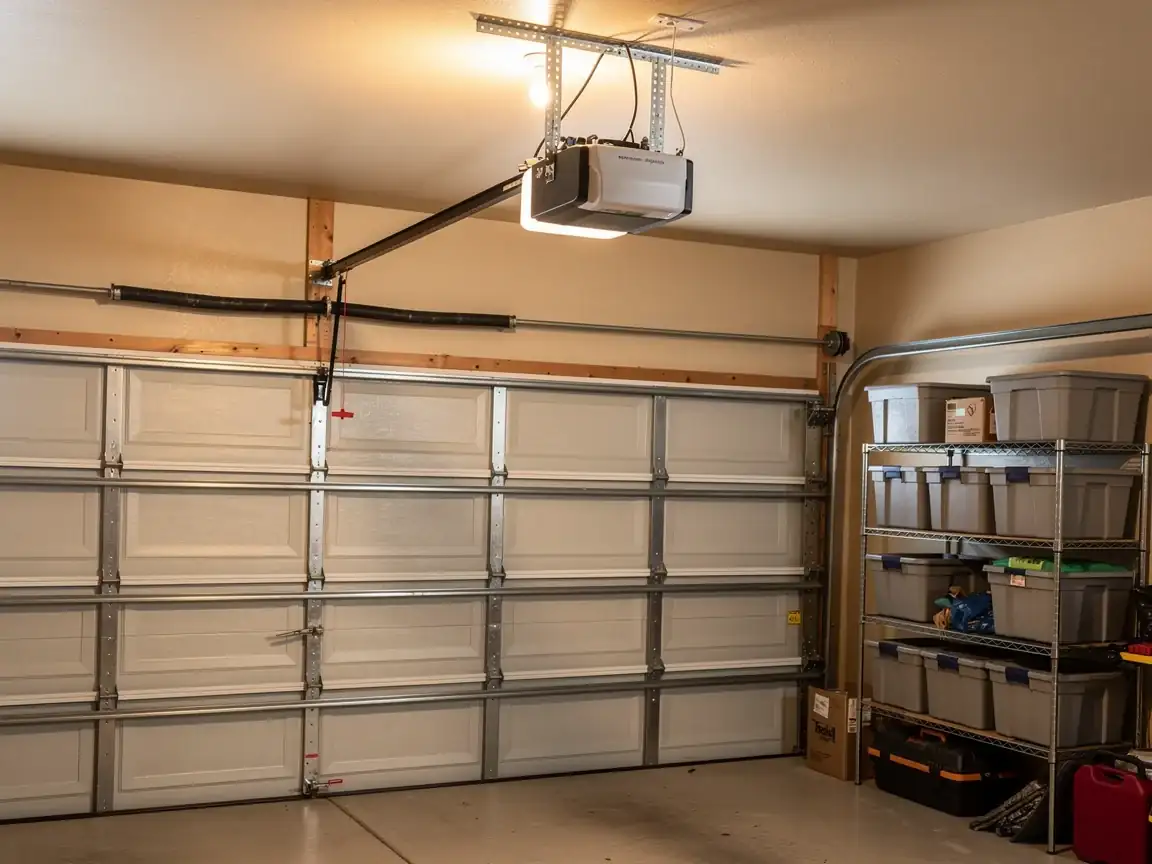
Which puts most of the neighborhood's openers at or past 30 years old. That generation of opener was almost always a chain-drive unit built for a steel door that weighed less than the insulated doors homeowners install now, and the motor wasn't sized for the load. When you swap in a heavier door, or even just add a layer of insulation to the original panel, that old motor works harder than it was built for every single cycle.
- 30 years
The other failure we see is the safety side, not the strength side
Openers from the early '90s often predate the photoelectric eye sensors that are standard on anything sold today, or they have a pair that's been knocked out of alignment for years and simply ignored. Add in the heat this area sees - the climate here runs in the severe range for summer heat load - and the plastic housing on gears and sprockets from that era gets brittle faster than it would somewhere milder. A unit that's 30 years old and has baked through 30 Arizona summers isn't a candidate for a quick fix; it's a candidate for a new motor head.
- 30 years
Can You Do This Yourself
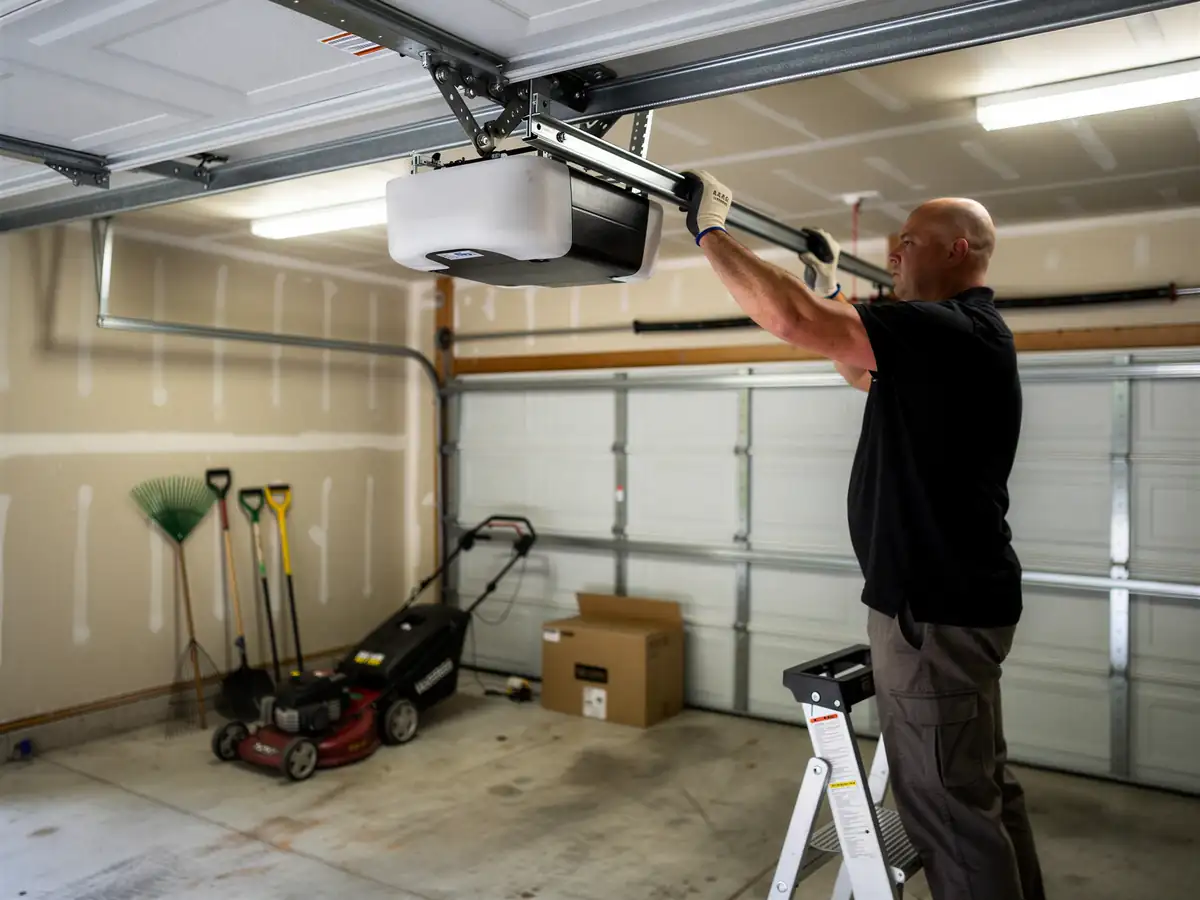
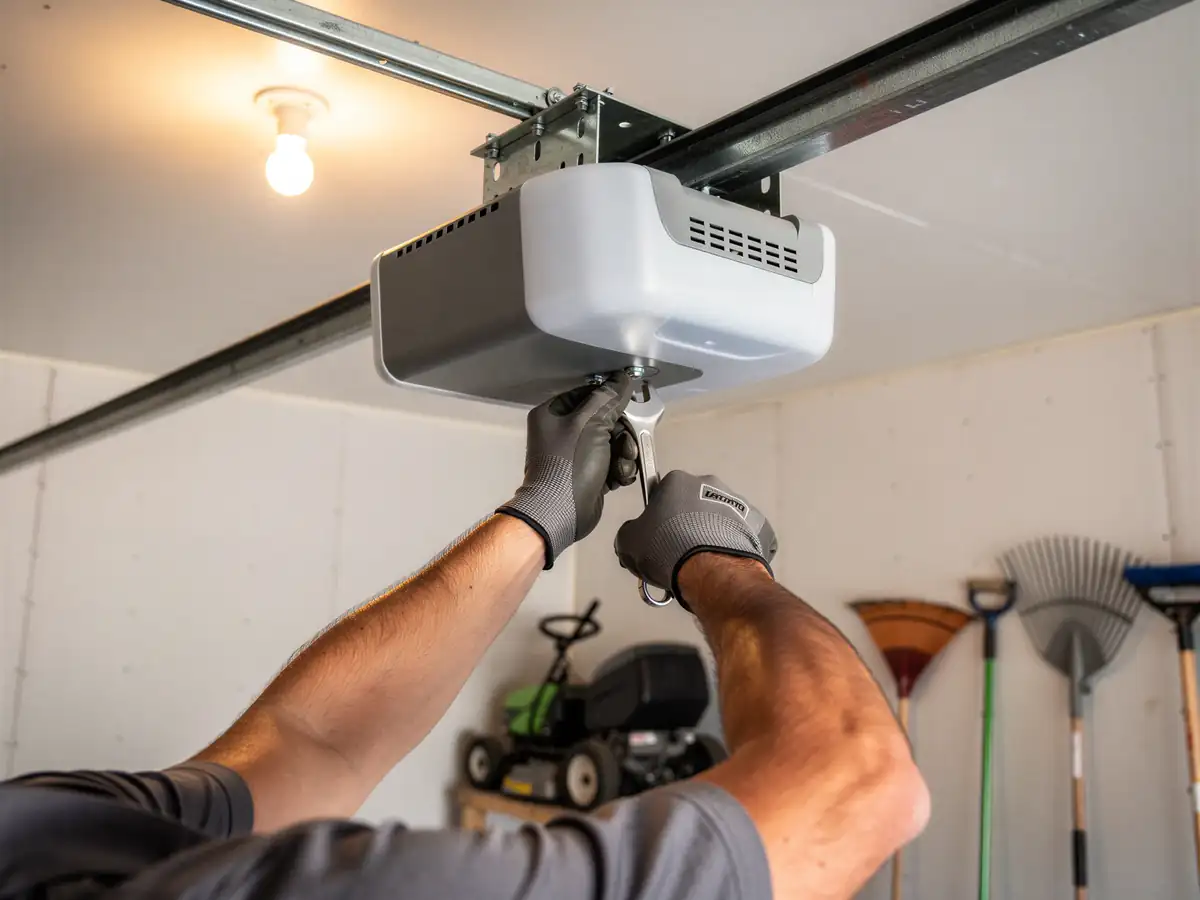
Mounting a new opener head isn't beyond a homeowner with the right tools and a weekend, and we won't pretend otherwise. The part that trips people up isn't the bracket on the ceiling - it's wiring the safety reversing sensors correctly and getting the travel limits set so the door doesn't slam into the floor or stall an inch short of closed.
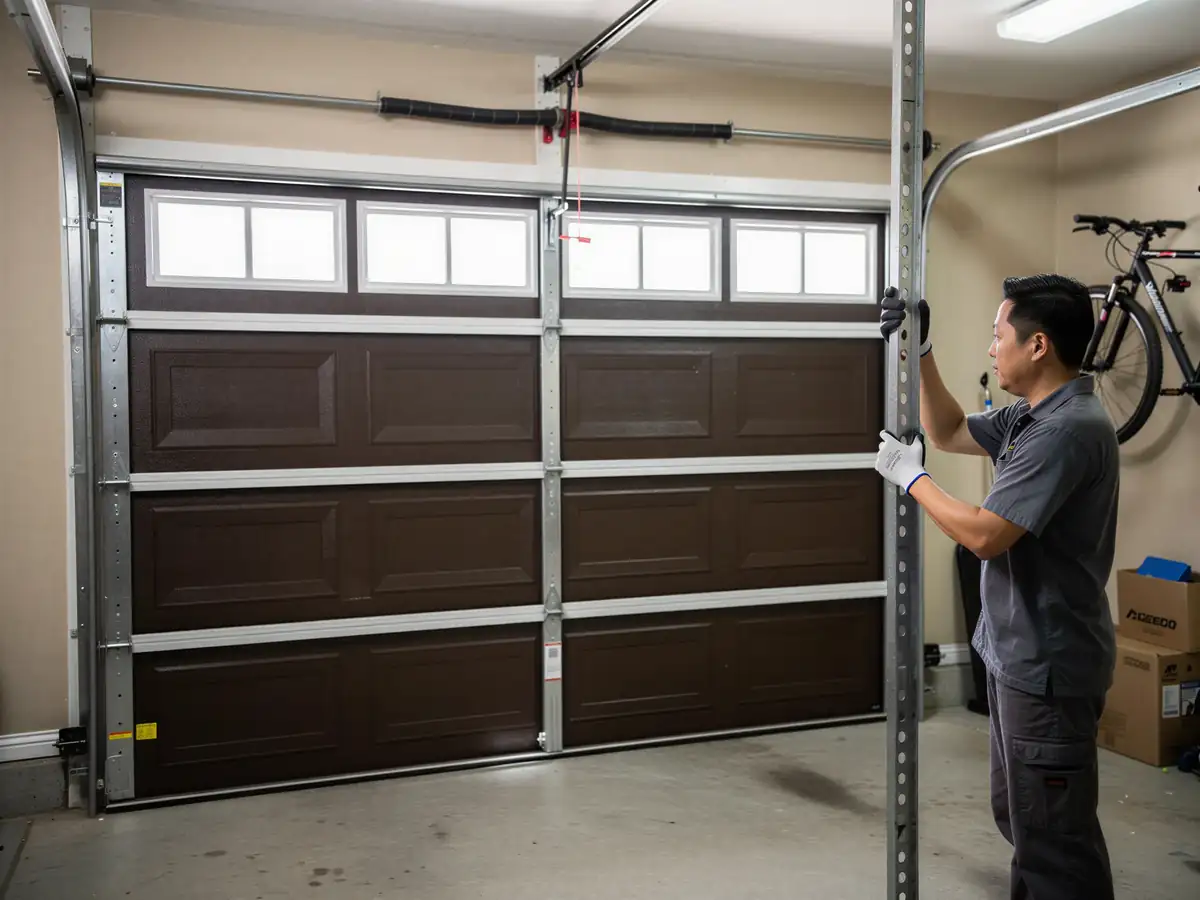
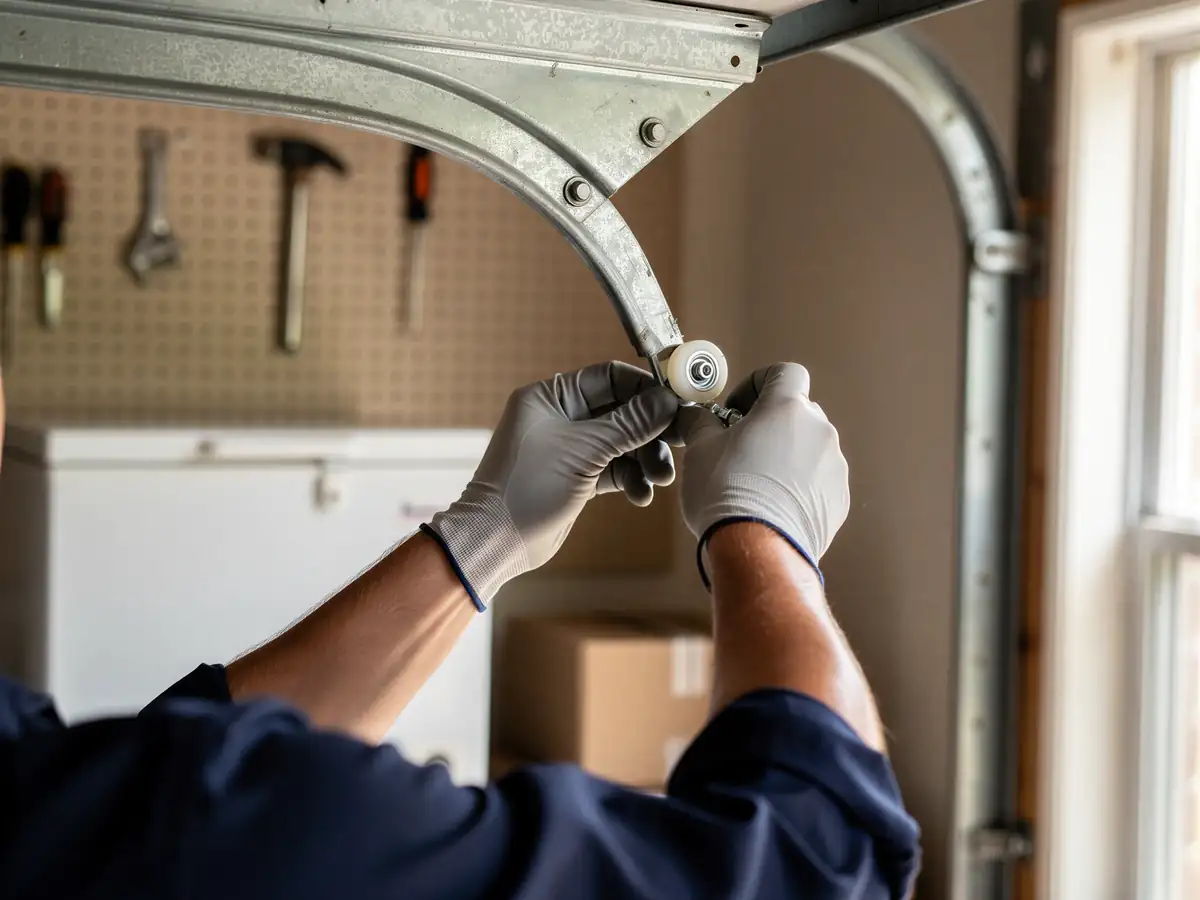
If your house still has the original 1990s track and hardware, there's a second wrinkle: some of those older rail systems weren't drilled for the mounting pattern on current opener models, so you end up improvising a bracket instead of using the one in the box. That's where a straightforward swap turns into an afternoon of trial and error. If your garage is a standard single door with newer rail already in place, DIY is reasonable. If it's original hardware from when the house was built, it's worth having someone look at the rail first.
How Long It Takes
A straight swap - old opener out, new one in, same door, same track - usually runs a couple of hours once the crew is on site. Add time if the existing track or header bracket on a 1990s-era door needs reinforcing before the new motor can be hung on it; that's common enough in this area that we check it before quoting the job as a quick swap.
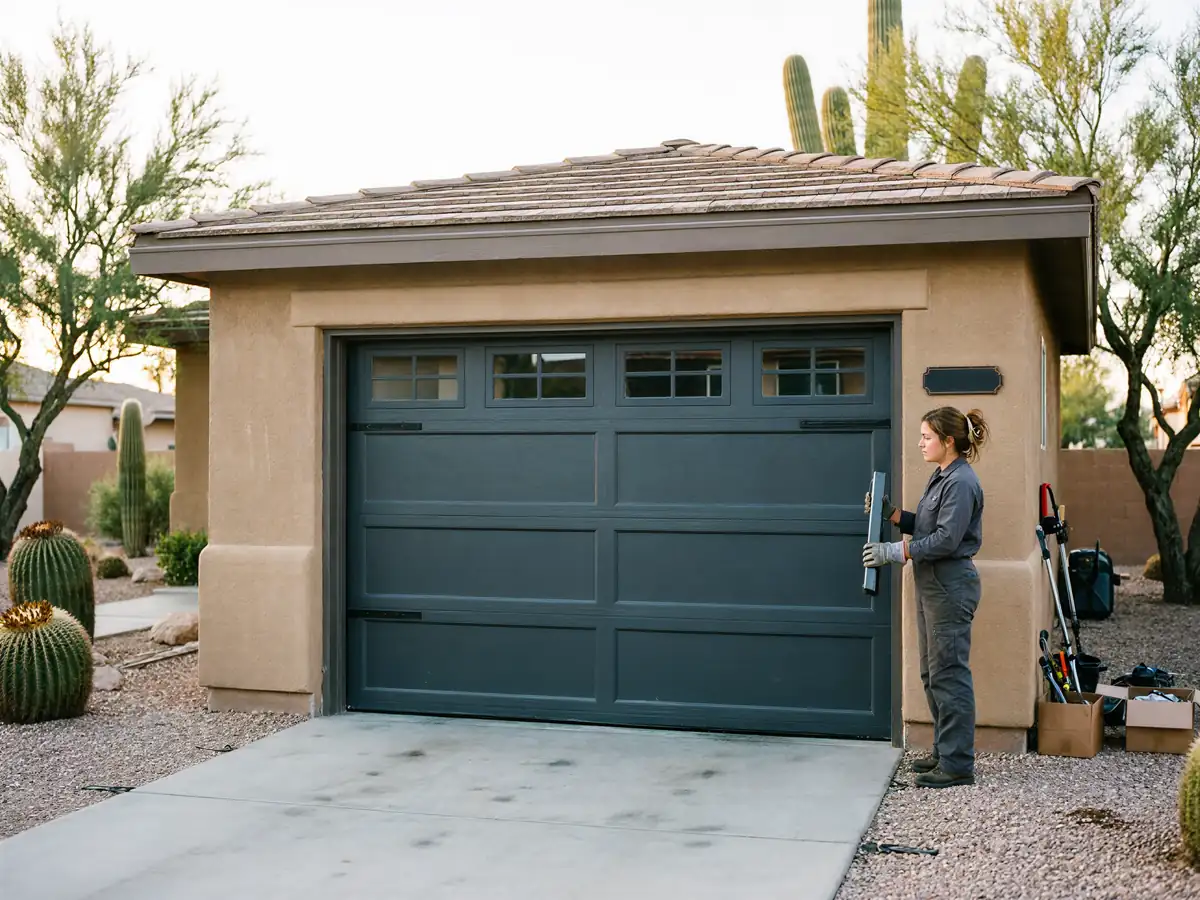
We're driving in from Marana for this one, about 20 miles out, so factor that into scheduling rather than expecting a same-morning fix. We'll give you a window when we book the visit, not a guess.
Where This Job Goes Sideways
The most common problem on a job like this isn't the opener itself
It's finding out mid-install that the door it's attached to is the real issue. A heavy old steel door from the early '90s on worn rollers puts a drag on any opener, new or old, and a brand-new motor straining against a door that doesn't move freely will wear out just as fast as the one you replaced.
The second spot things go sideways is the electrical side
Houses from this build era sometimes have the garage outlet on a shared circuit that wasn't sized for anything beyond a light bulb and a radio. A new opener with a battery backup or a stronger motor can trip that circuit if nobody checks the amperage first.
Our honest limitation here: we don't rewire your panel or add circuits
If the outlet needs upgrading, that's an electrician's job, and we'll tell you so rather than jury-rig around it.
Booking a Visit
We cover Tucson Estates out of Marana, about 20 miles each way, so opener jobs here get scheduled rather than handled as a drive-by. Tell us the age of your door and whether the opener has ever been replaced since the house was built - that one detail changes whether we bring a straight swap kit or come prepared to reinforce the track first.
See the Tucson Estates service page for what else we cover out here, or check opener installation in Marana if you're closer to town.