Why This Fails Locally
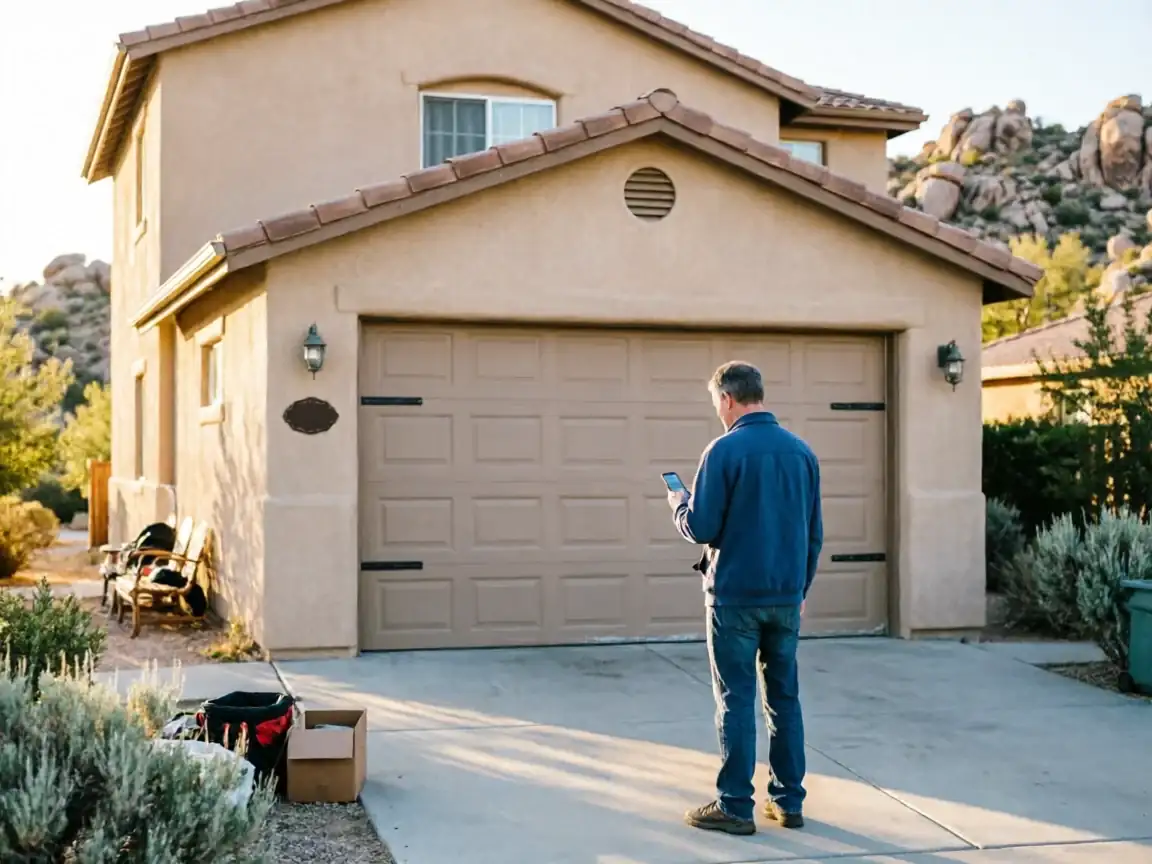
Most houses in Catalina went up around 1995
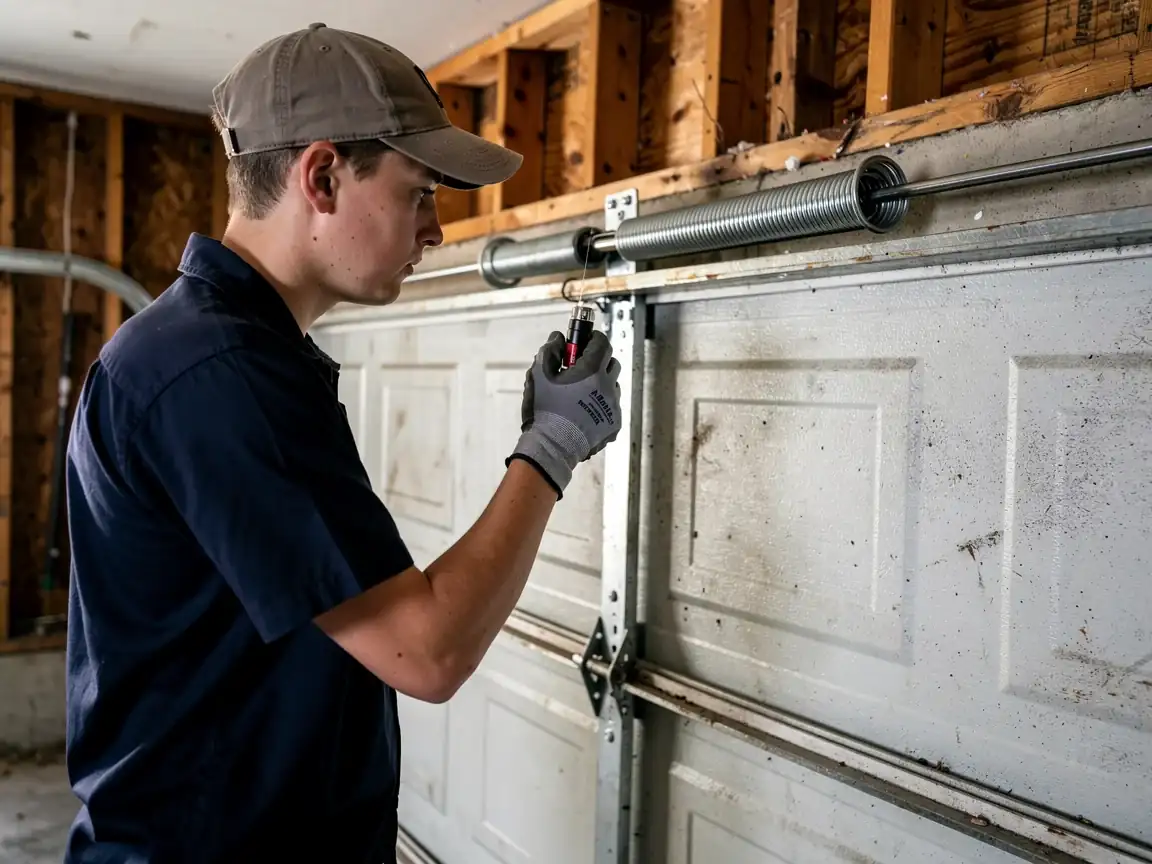
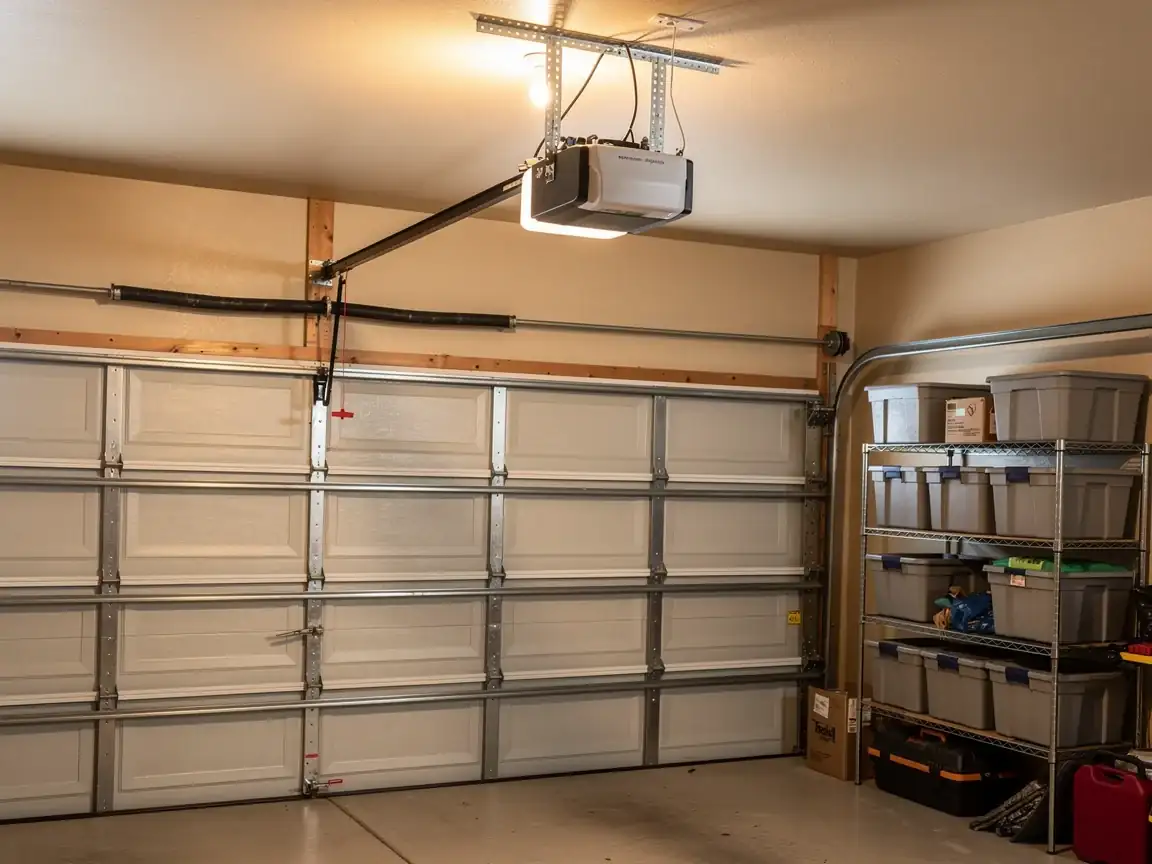
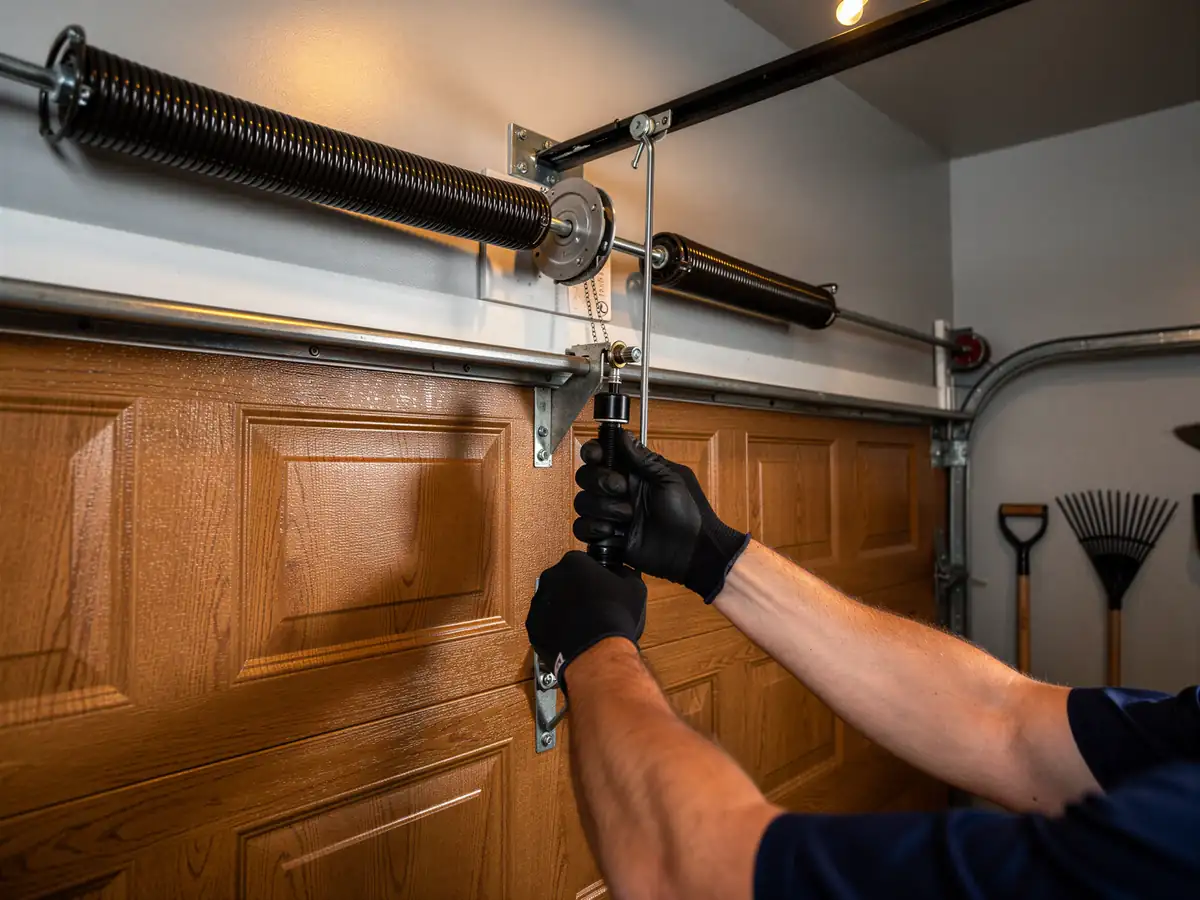
And a lot of what's hanging in those garages is the same hardware that came with the house. A torsion spring is rated for somewhere around 10,000 cycles, which for an average household works out to roughly 7-9 years before it should've been swapped. If your door was installed when the house was built, you're not looking at a spring that's overdue - you're looking at one that's three lifetimes past its number and still spinning because nobody's gotten to it yet.
- 9 years
Same story with the opener
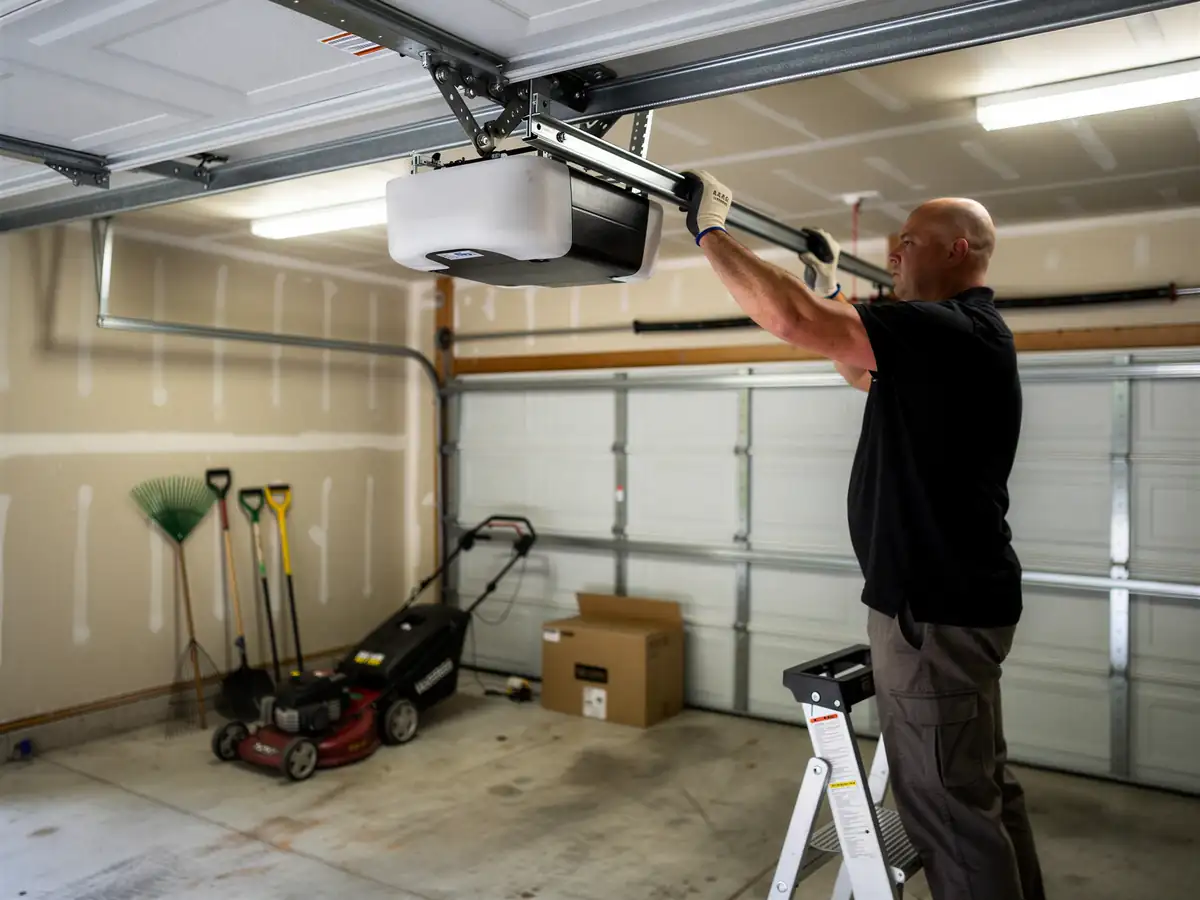
A lot of these original units never got touched after the warranty ran out, so the drive gear, the logic board capacitors, and the safety sensors are all original-issue parts that were never built to run this long. We see this pattern across the 1980s-90s stock that makes up most of the wider service area, but Catalina's own build year sits right at 1995, which puts a lot of these houses at the same age, hitting the same failure point, around the same time.
The fix isn't usually one part
It's whatever's original and has been quietly wearing out since install.
What the Fix Involves
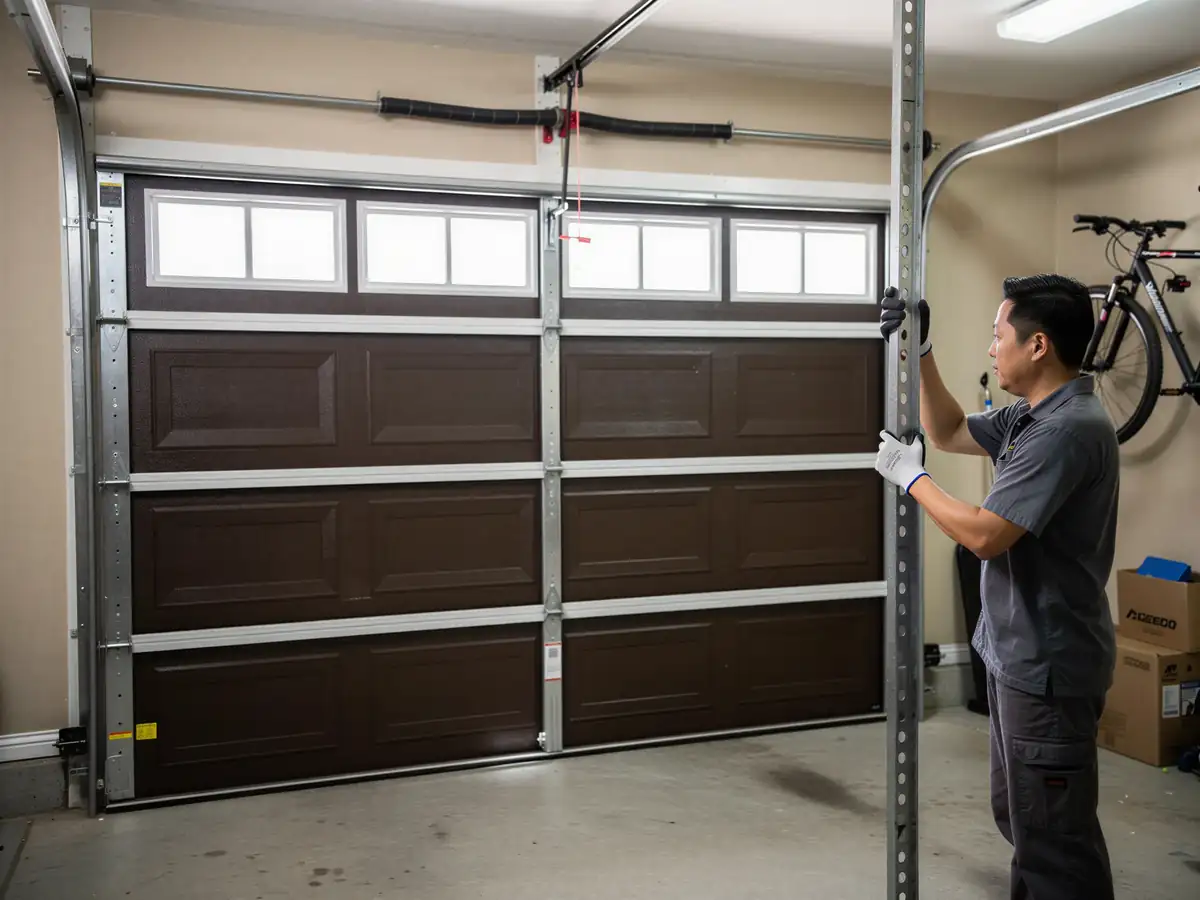
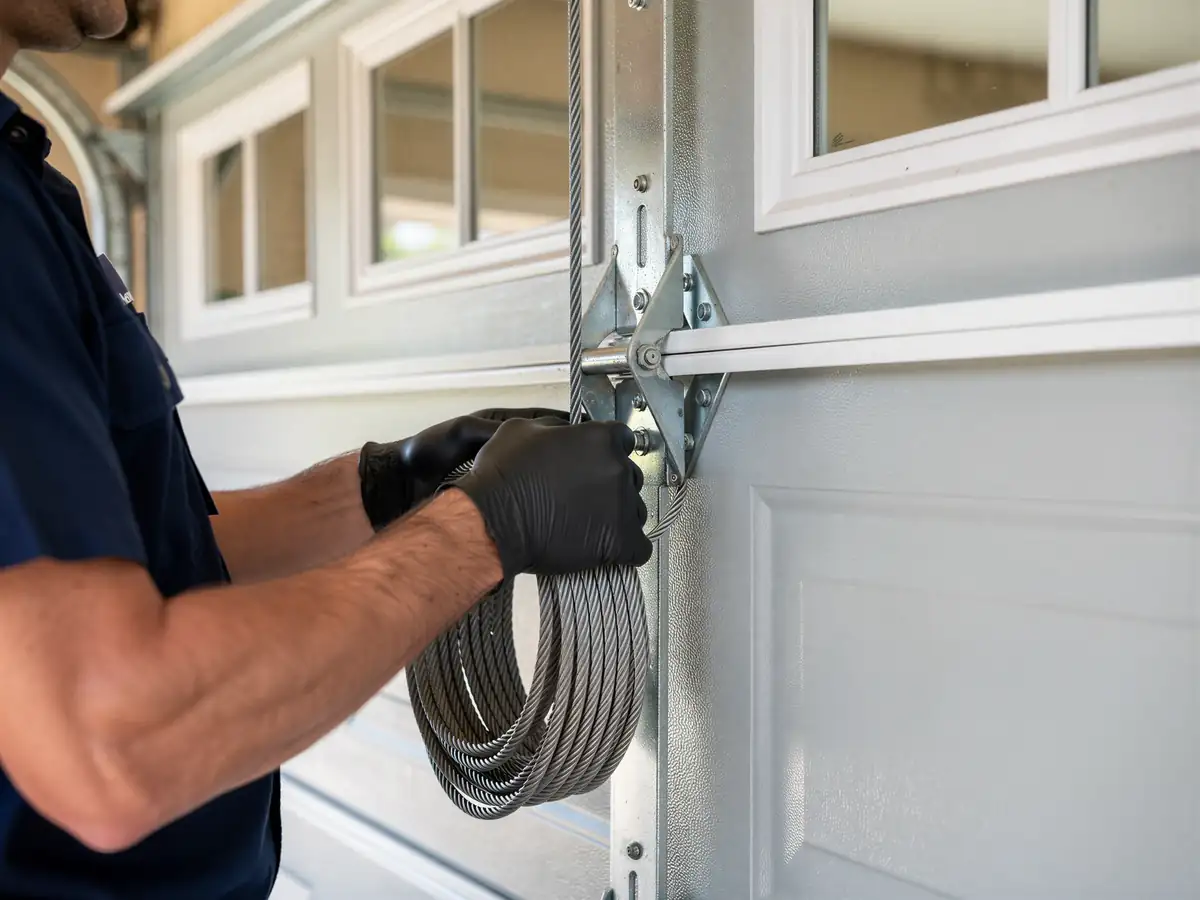
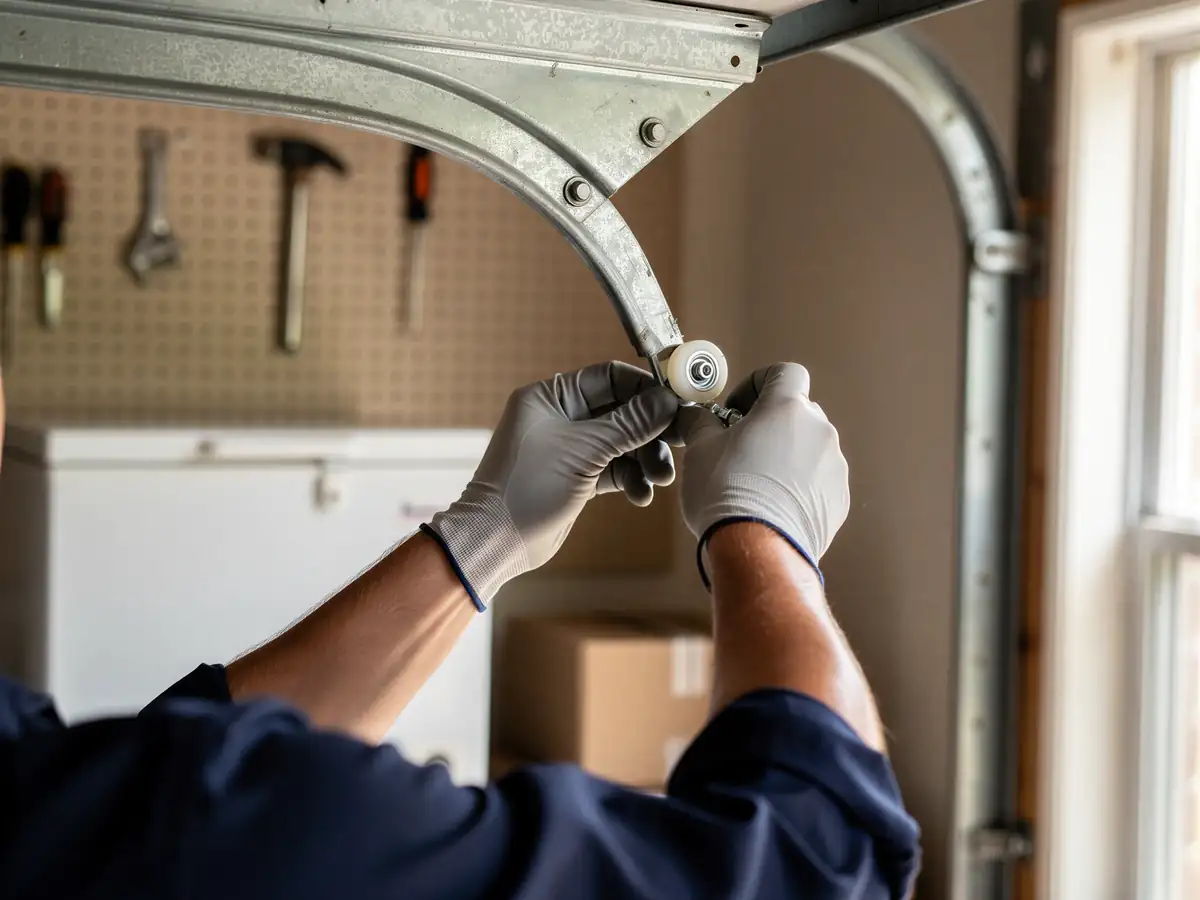
We start by checking what's actually original versus what's been replaced - the spring, the cables, the rollers, and the opener don't all wear at the same rate, so it's rare that everything needs doing at once. A torsion spring at end of life gets replaced in pairs even if only one has broken, because the other one is on the same clock and will go next. Cables and rollers from a 1995 install are usually due regardless of whether they've failed yet.
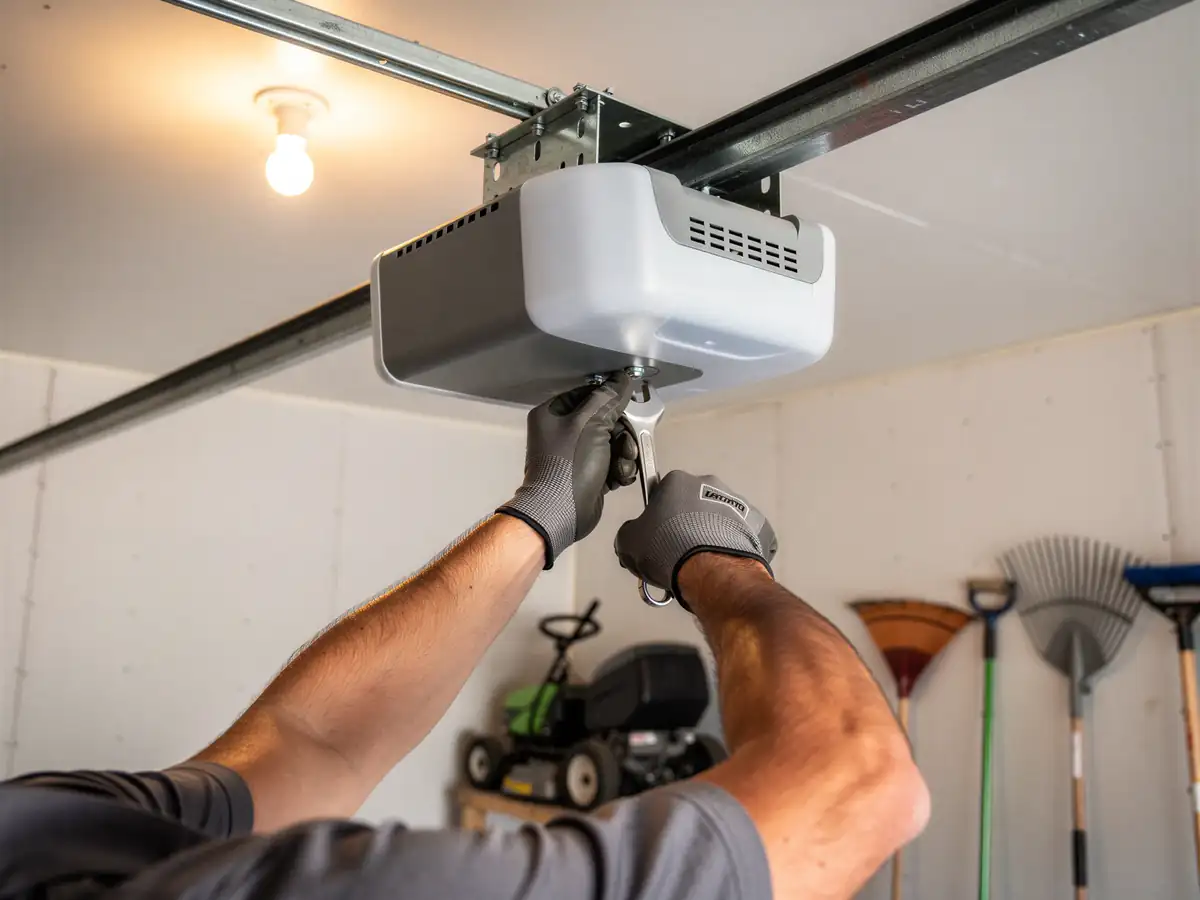
If the opener is original to the house, we'll tell you straight whether it's worth repairing or replacing - a 30-year-old drive unit with a failing board is money better spent on a new opener than a patch job. That's the honest call more often than not out here.
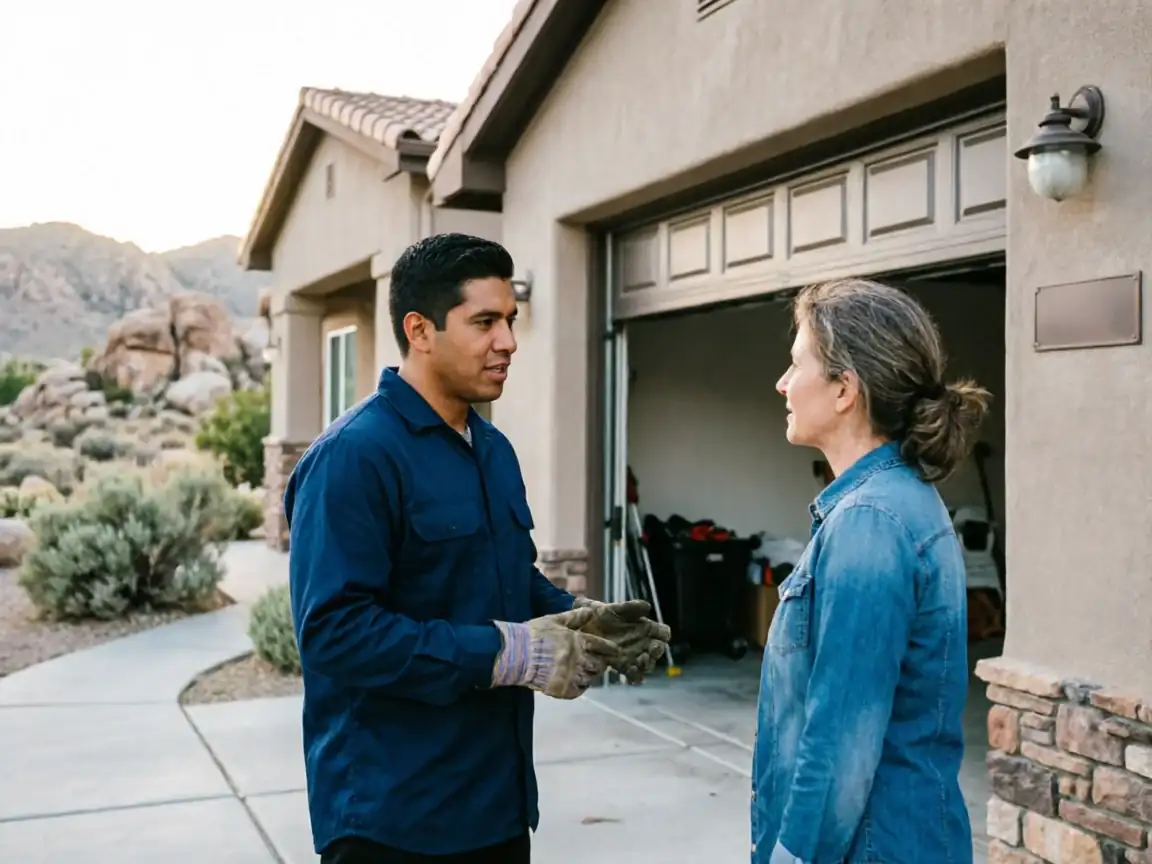
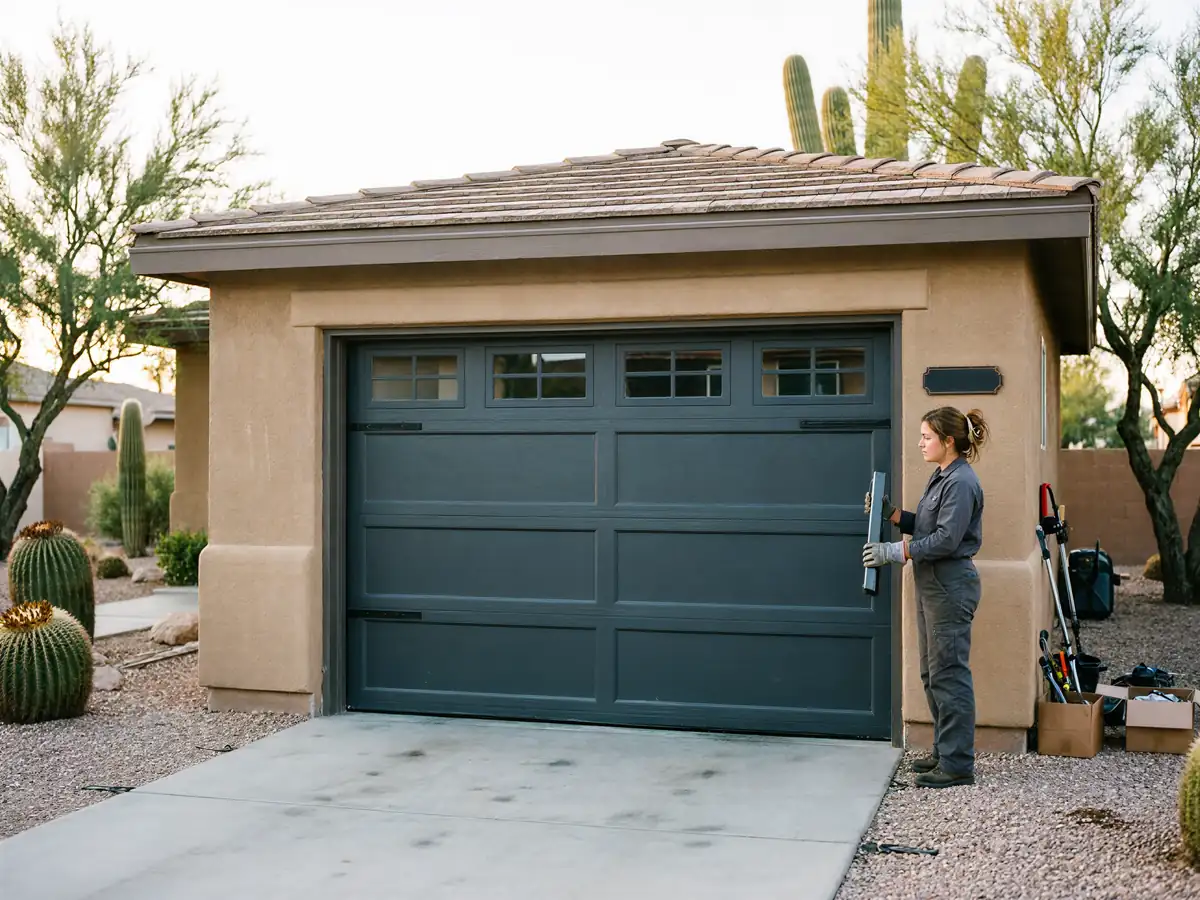
We travel out from Marana for this work, about 14 miles each way, so we build the job to be complete in one visit rather than sending someone back out for a part we could've brought the first time. That means a quick phone conversation about what you're seeing before the truck leaves, so we roll out with the right spring size and the right opener gear already on board.
How Long It Takes
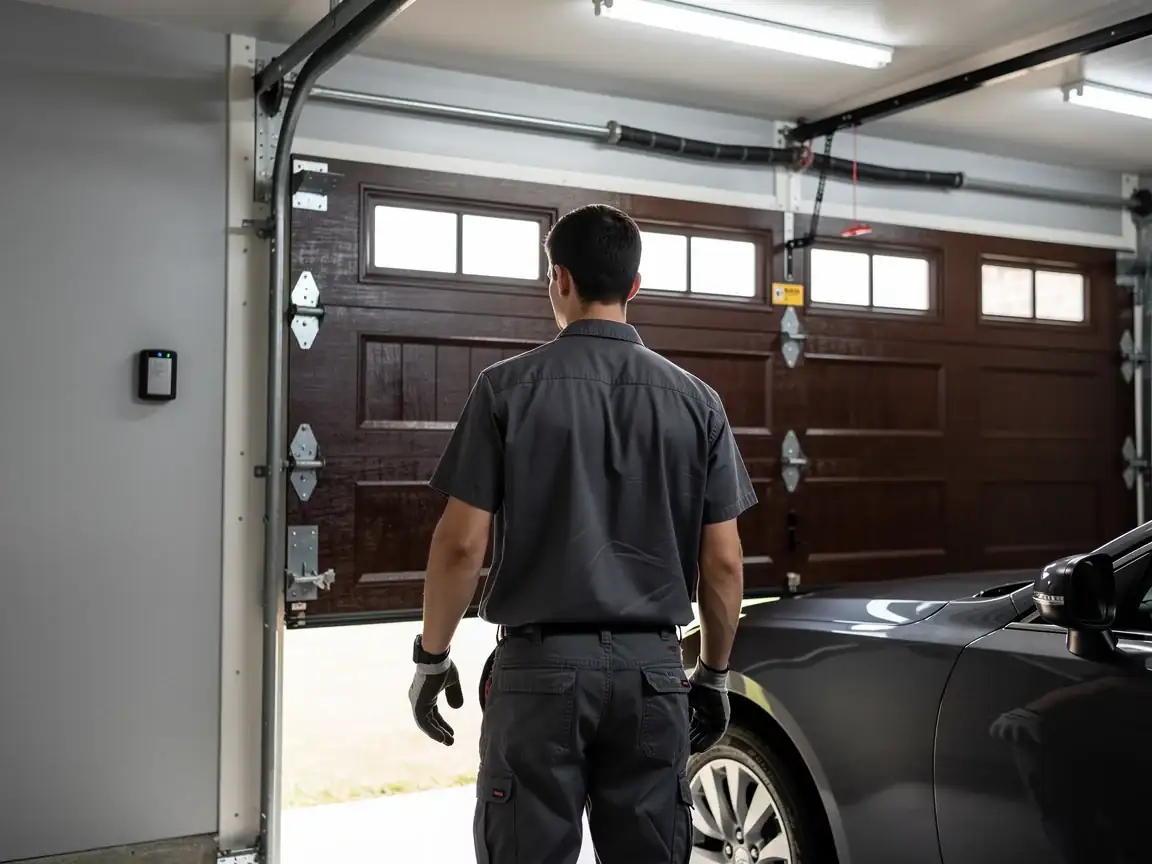
A straightforward spring replacement on a standard double door runs under two hours once we're on site, including testing the balance and travel limits afterward. Add an opener swap and you're looking at most of a half day, since we're also rehanging safety sensors and resetting travel limits on new hardware rather than reusing worn original brackets.
What slows a job down isn't the wrench work, it's parts that aren't common sizes. Houses built in the Catalina area in the mid-90s sometimes used spring and track dimensions that aren't the same as what's going into new construction today, so a same-day fix depends on whether we're carrying that size on the truck. We'll tell you up front if a part needs ordering rather than guessing and leaving you stuck on a return trip.
What You Are Seeing
A door that's noticeably heavier to lift by hand than it used to be, or won't stay up on its own
Usually means the torsion spring has lost tension or snapped. If the opener struggles and makes a straining noise before the door moves, the spring is doing less of the work than it should and the motor is covering for it - that's wear showing up on two parts at once, not just one.
A door that reverses partway down
Or won't close at all unless you hold the wall button, often points to original safety sensors that have drifted out of alignment over the years, or wiring that's brittle with age. Grinding or popping from the top of the door when it's near full travel is frequently a cable or roller that's original to the house and finally giving out.
None of these are urgent-after-hours situations on their own
But a spring that's visibly stretched or gapped at one coil shouldn't be left - that's the kind that can let go without warning and we treat it as next-available, not next-week.