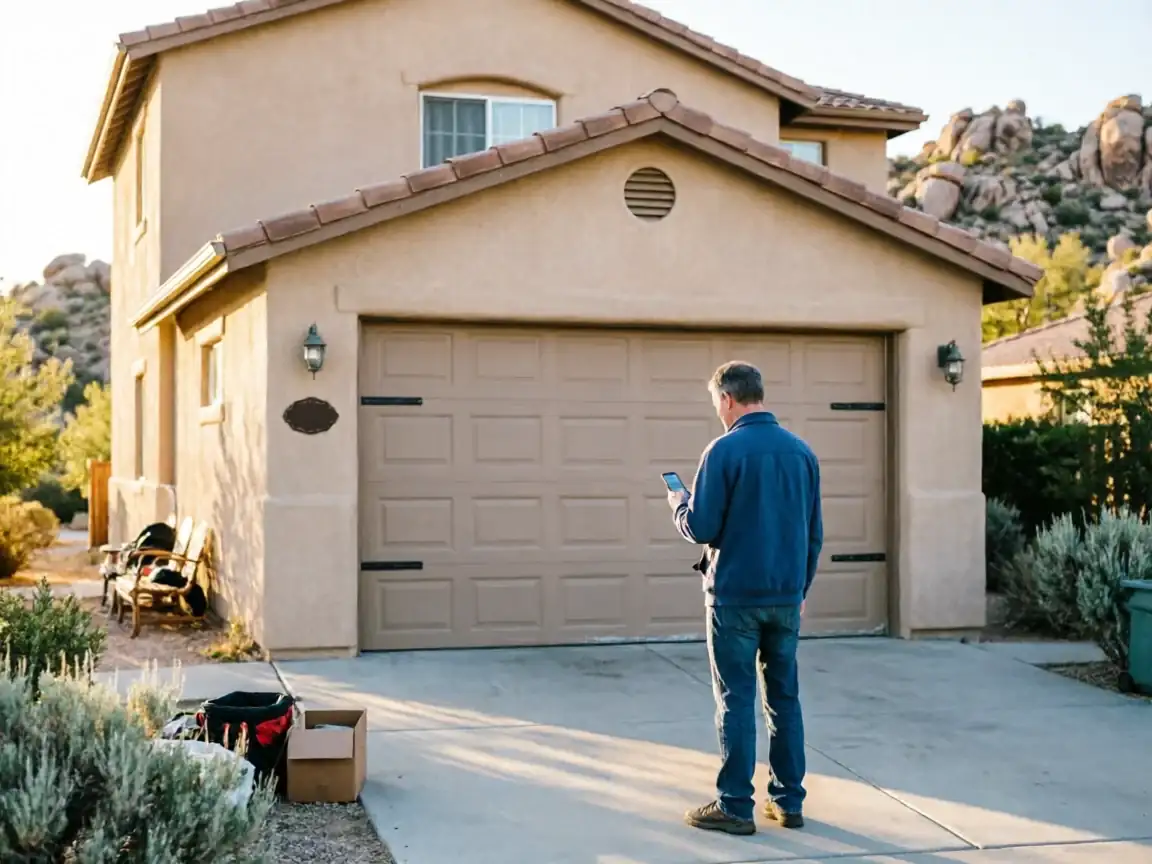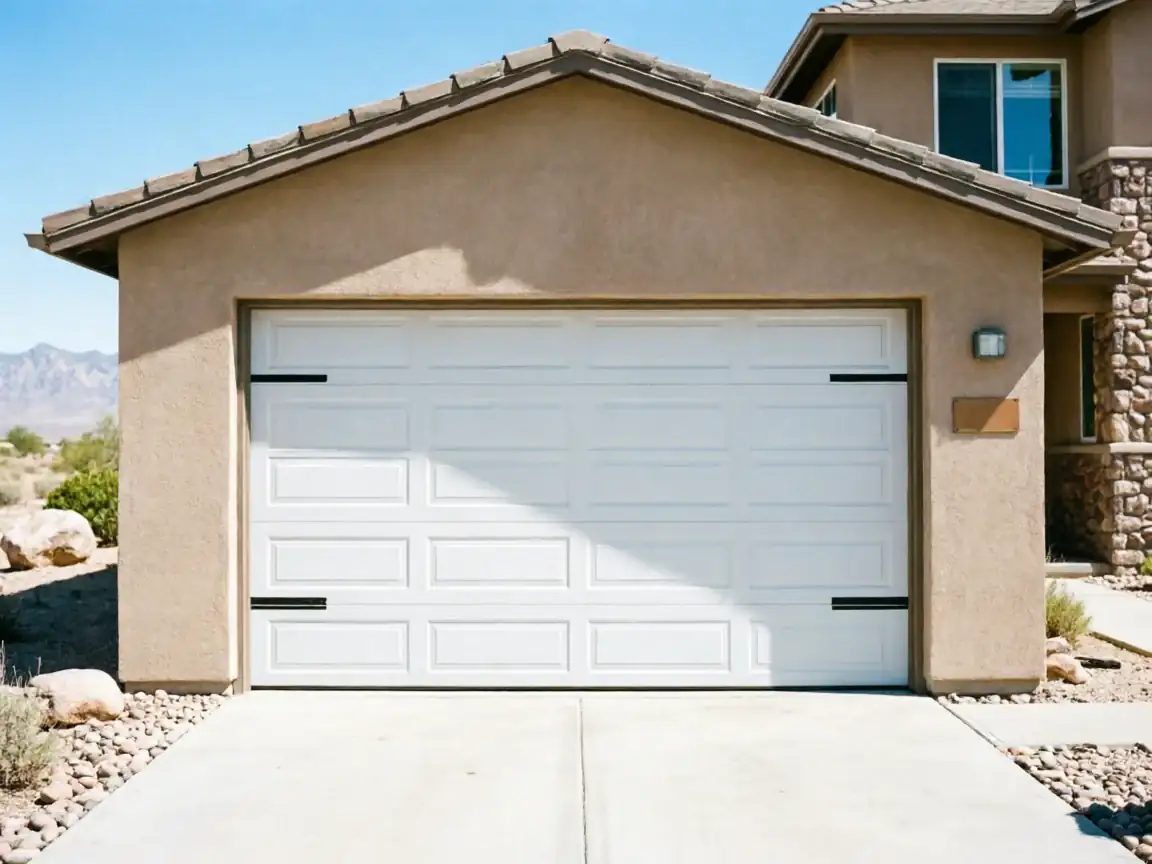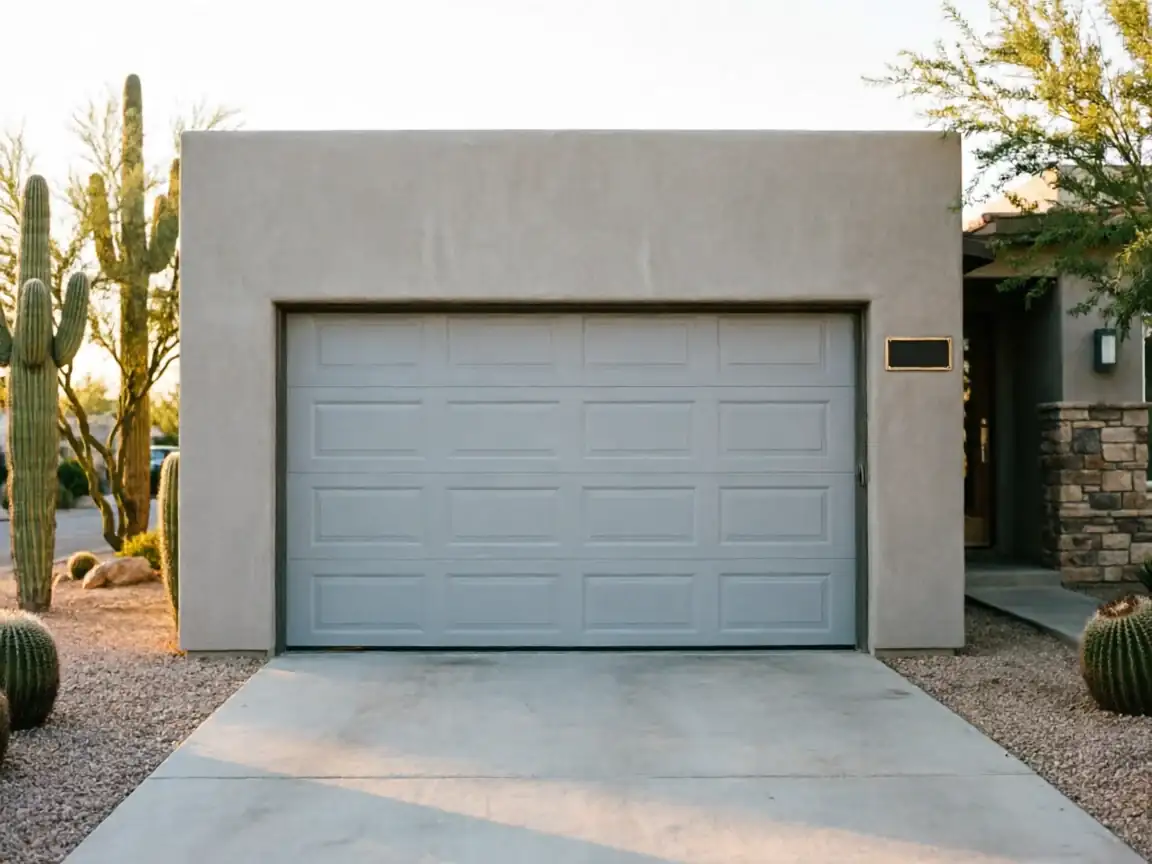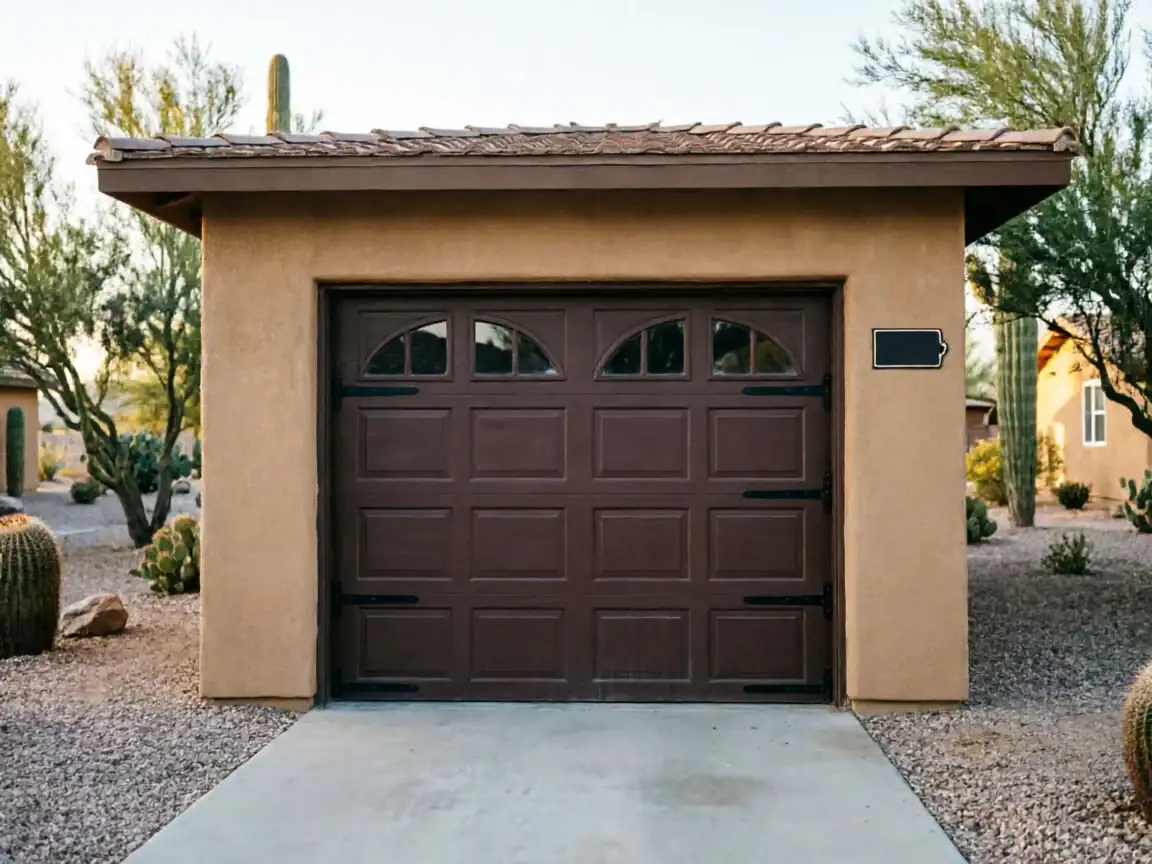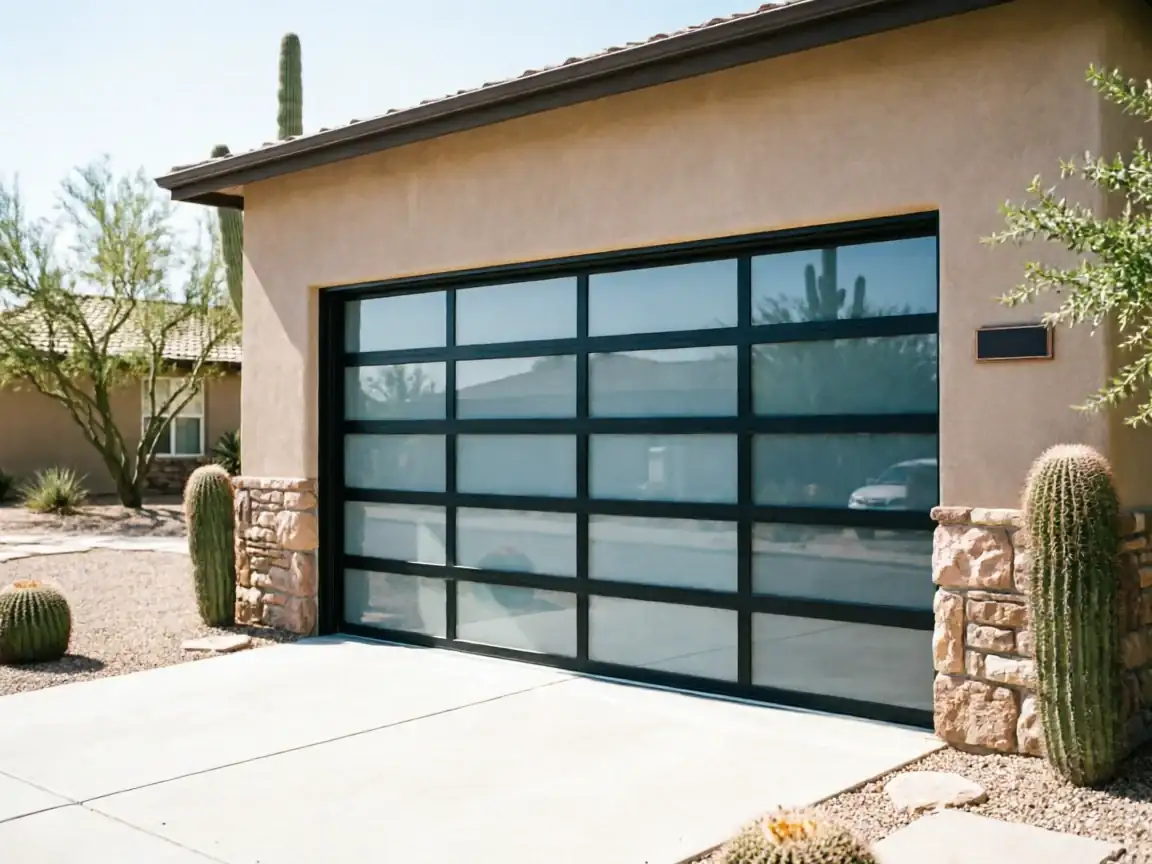
Why This Fails Locally
Catalina's median household income sits at $79,092
Well above the $66,813 median across the whole service area Marana Garage Door Pros covers. That gap matters more than it sounds: homes out here tend to carry heavier insulated doors and upgraded openers that put more strain on a torsion spring than the lighter builder-grade doors common elsewhere in the service area. The spring still has to lift the same door, just with less margin for error when it starts to fatigue.
The build year for Catalina lands right at 1995
Which is also the median for the whole 1980-2007 stock Marana works across. That puts most Catalina garage doors squarely in the torsion-spring era - no older extension-spring setups to worry about, but plenty of original factory springs that are now closing in on thirty years of summer cycling.
Severe heat is the real driver of failure here
Galvanized torsion springs lose temper faster when they sit in a hot garage all day, every day, for years. The coil doesn't snap all at once - it stretches, sags, loses tension, and one day the door just won't come up, or it comes up crooked. That's a heat-fatigue failure, not a manufacturing defect, and it shows up earlier in a climate like this than it would somewhere milder.
What the Fix Involves
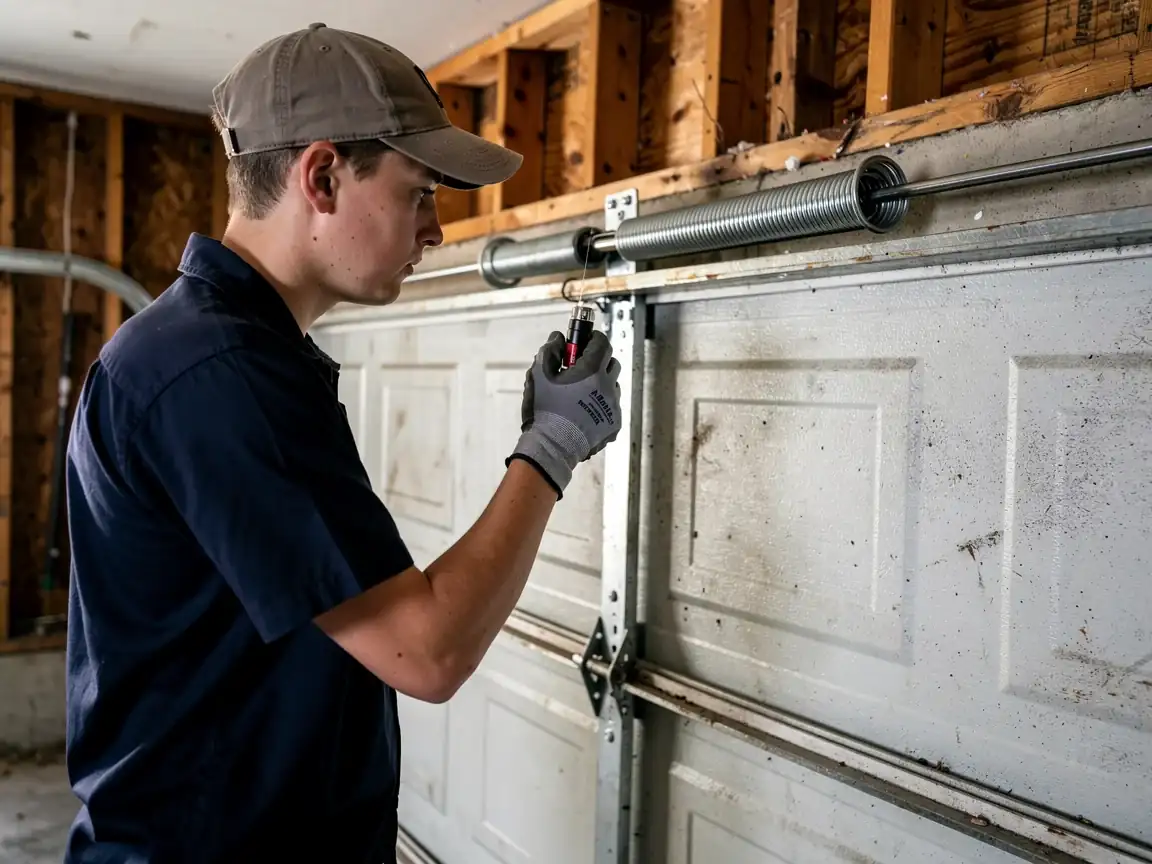
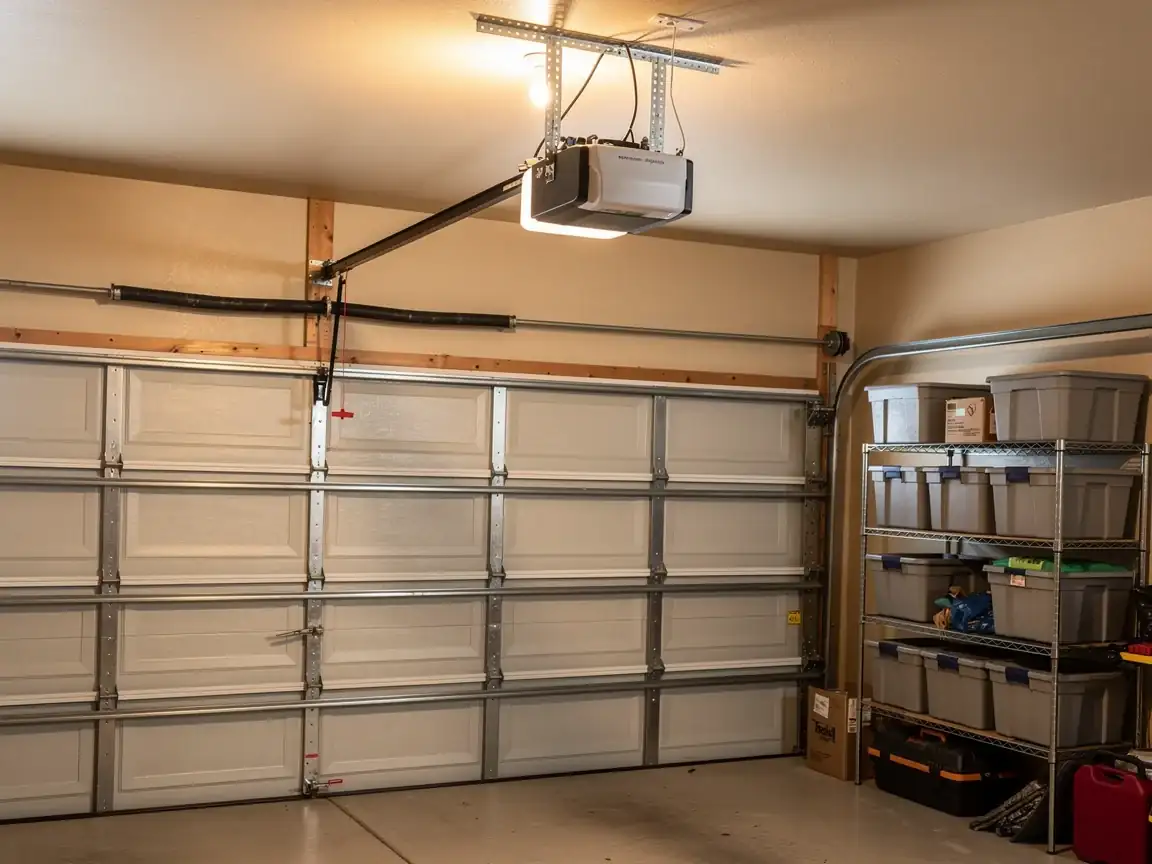
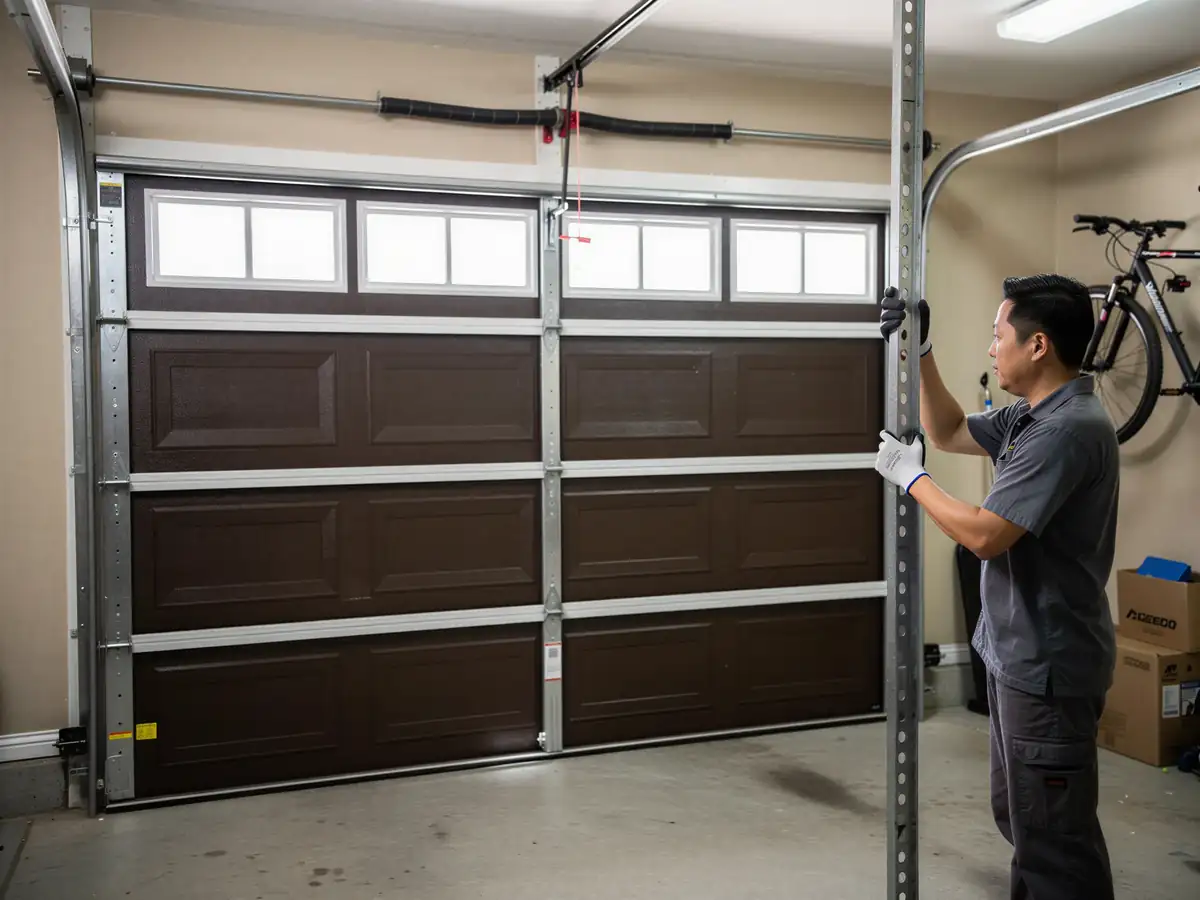
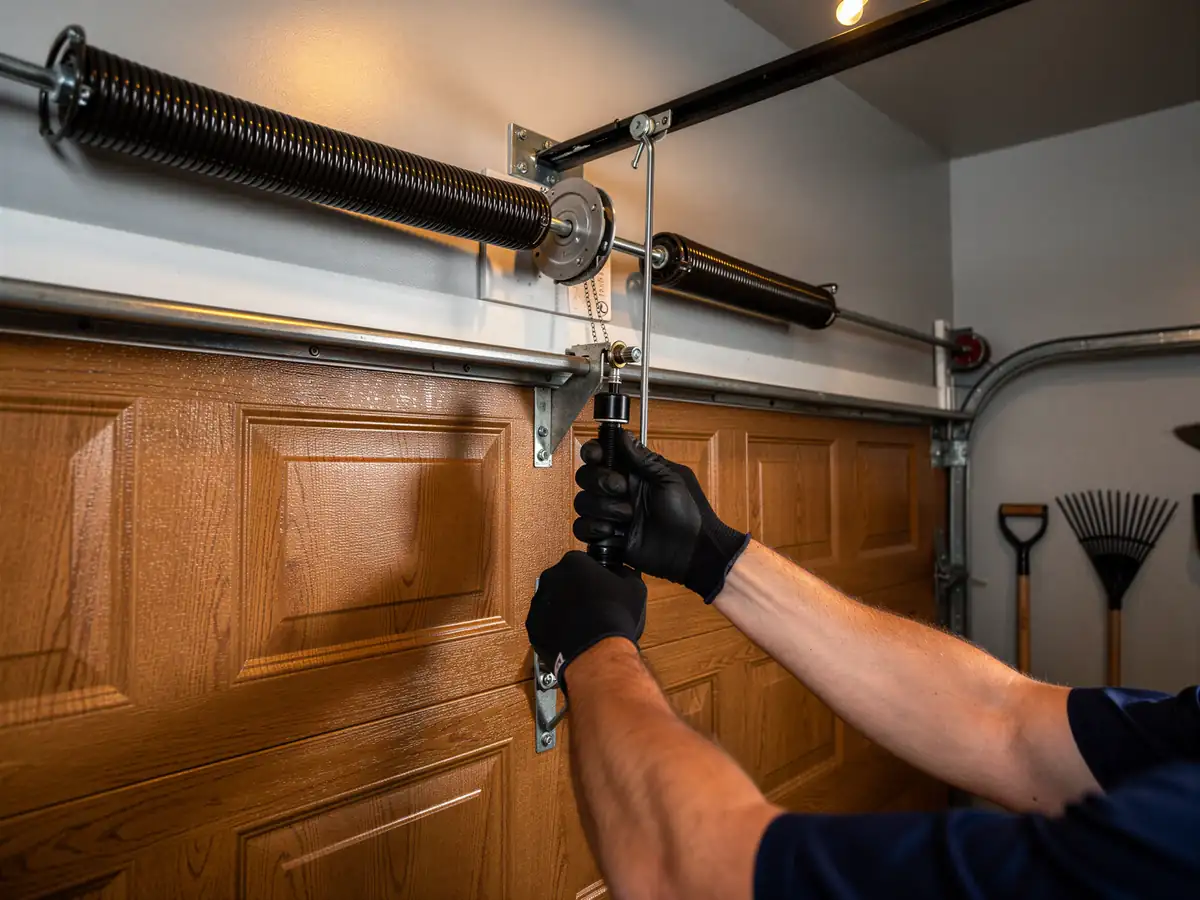
A proper torsion spring job starts with measuring, not guessing. We check wire diameter, coil length, and wind direction (left-hand or right-hand) against the door's weight and track setup before any new spring goes on the shaft. On a standard double door we're usually working with two matched torsion springs, not one - a mismatched pair is a common shortcut that comes back to bite the owner within a year or two.
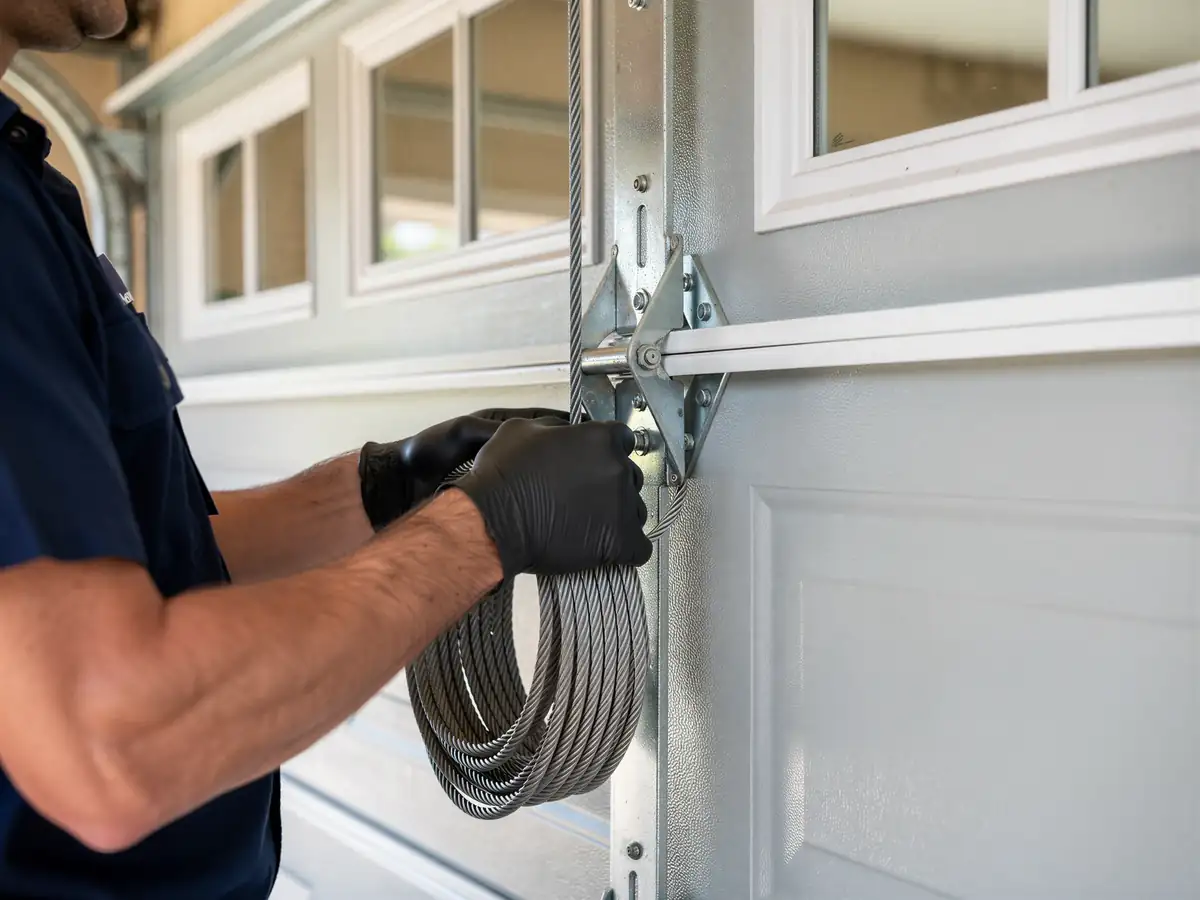
We also check the cables, drums, and center bearing while the shaft is unloaded, since a spring failure often takes a frayed cable down with it, or reveals a bearing that's been grinding for months. Replacing the spring without checking those parts is how a "quick fix" turns into a second call three weeks later.
One honest limit here: if the drum or the shaft itself is bent or scored from the failure, that's a separate repair, and sometimes it's cheaper to replace the whole operating hardware set than to keep patching pieces one at a time. We'll tell you which situation you're in before we start, not after.
How Long It Takes
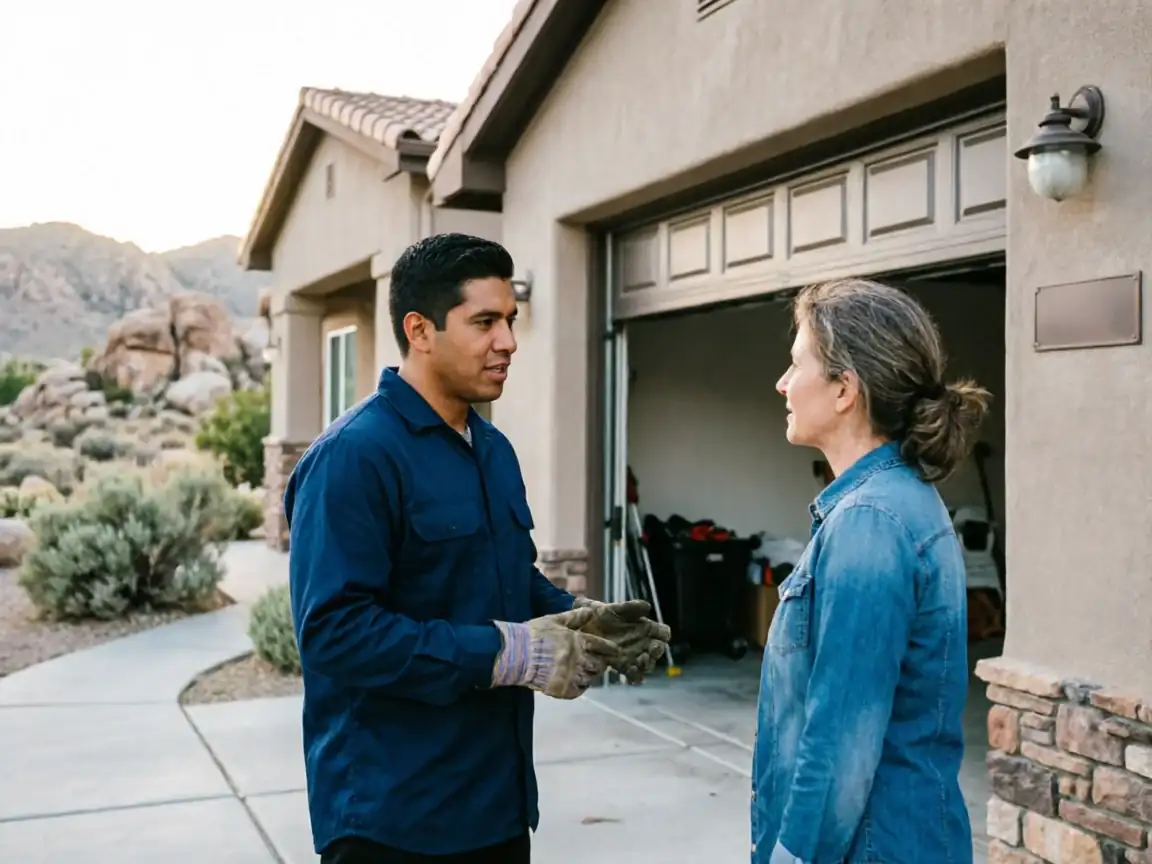
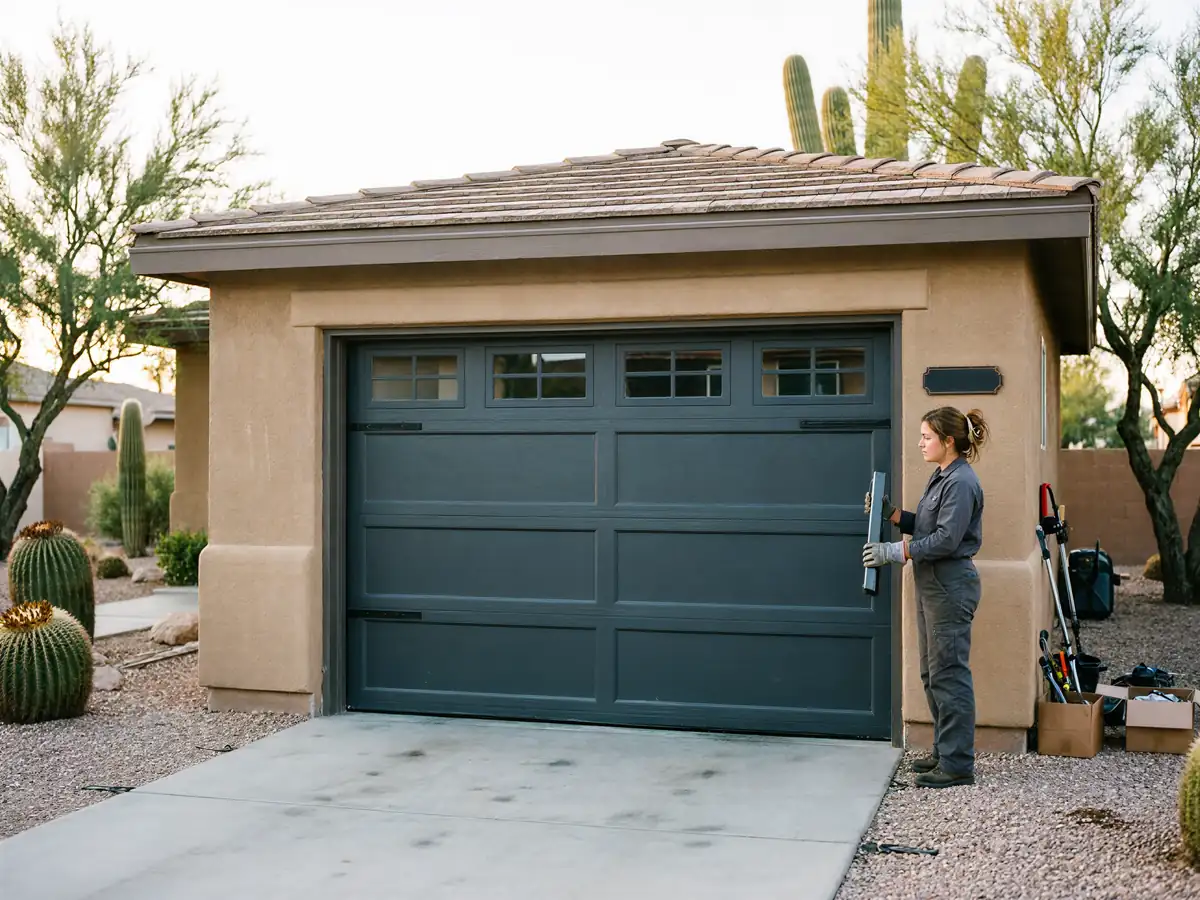
Catalina sits about 14 miles from Marana, so travel time is part of the day for any job out here - plan on that when you're scheduling, since it's not a next-door call. Once the truck is on-site, a standard torsion spring replacement on a double door usually runs under two hours for the spring work itself.
What extends the job is what we find once the door is open. A door with worn cables, a pitted drum, or a bearing that needs replacing takes longer than a clean spring swap, because those parts have to be sourced and fitted correctly, not just bolted on. We don't carry every spring size and every bearing style on the truck for every door built in this area's range of years, so an unusual torsion wind or an oversized commercial-style door on a home garage can mean a return trip once the right part is in hand.
What You Are Seeing
The door that won't budge past a few inches
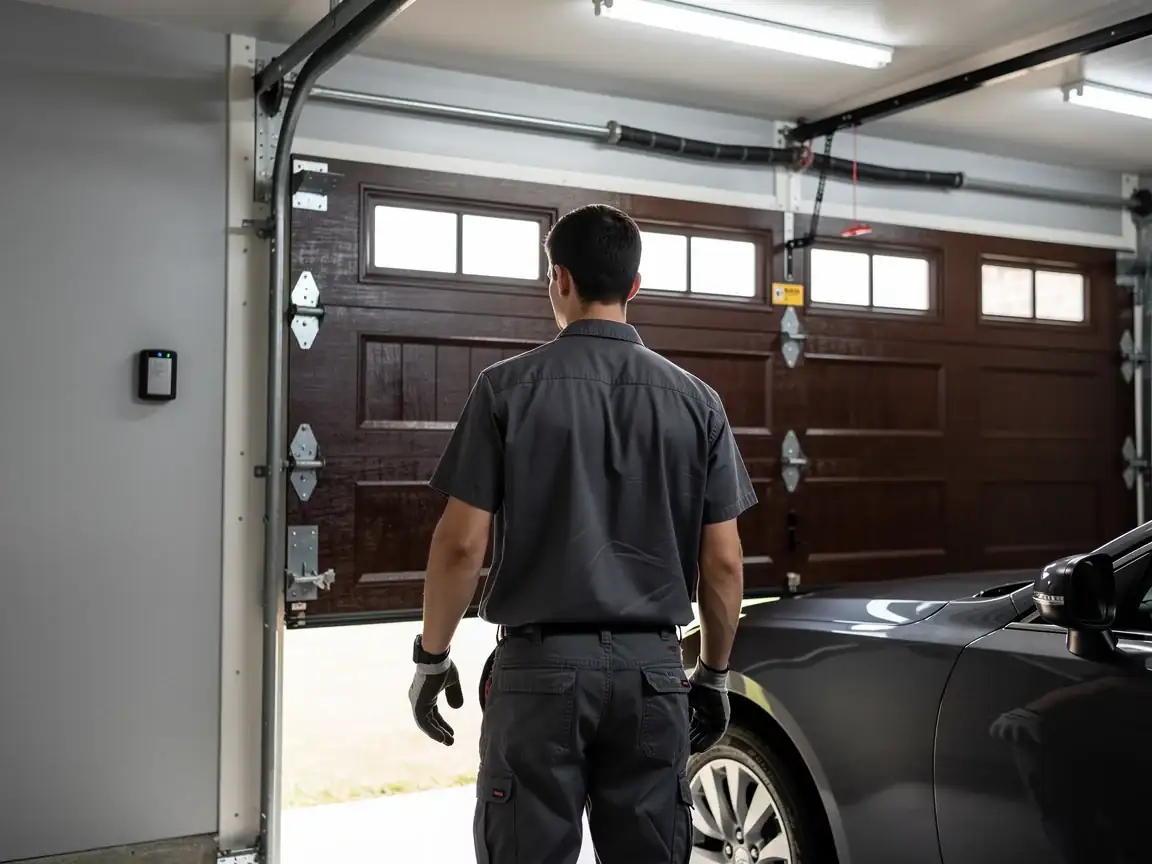
Or that lifts unevenly with one side higher than the other, is almost always a torsion spring that's lost tension on one side. A loud bang from the garage, especially in the heat of the afternoon, is often the spring itself letting go - that sound is distinctive and most owners who've heard it once never forget it.
If the opener strains, clicks, or reverses itself partway up
The spring is no longer doing its job and the opener is trying to lift the full weight of the door alone, which it isn't built to do for long. A door that feels heavy to lift by hand, or that slams down fast instead of lowering with control, is showing the same failure from a different angle.
None of these are opener problems, even though the opener often takes the blame first
Swapping an opener on a bad spring just means paying twice to fix one problem.