Why This Fails Locally
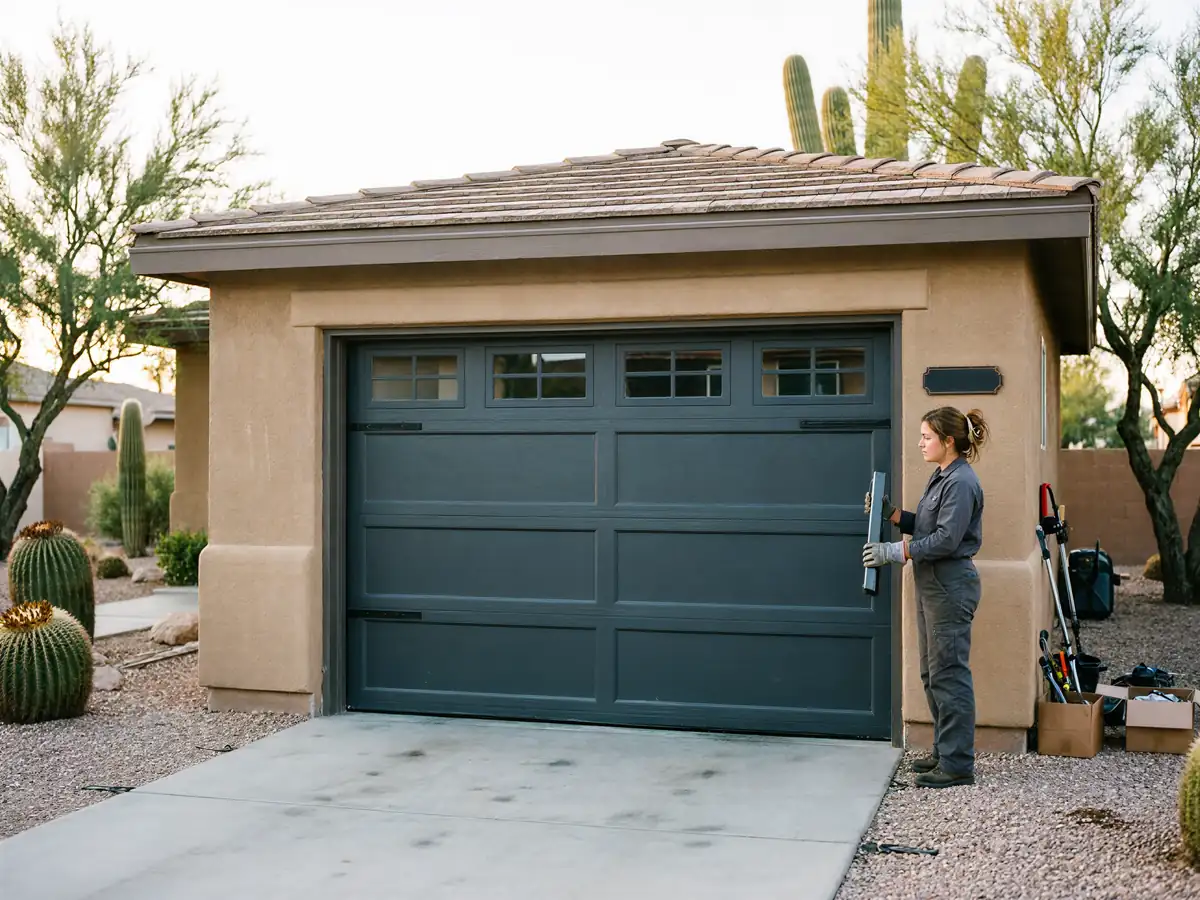
Catalina sits 14 miles out from Marana, far enough that a truck rolls out already loaded for the job rather than circling back for a part
That drive shapes how the call gets scheduled here more than it does for closer stops - it's booked, not a same-day walk-in, and the crew brings the parts most likely to fit before they ever turn onto the street.
- 14 miles
Most homes here went up around 1995
Which means the opener bolted in at construction is closing in on thirty years old. A lot of those original units were builder-grade chain drives sized for the door, not for the climate. With about 2,971 households in Catalina, this isn't a dense enough market to justify a branch here, which is why the crew comes out of Marana instead, scheduled around the drive rather than dispatched on a whim.
- 2,971 households
At a median household income of $79,092, Catalina runs well above the $66,813 median across the wider Marana service area
And that gap shows up in how often people here choose a full opener swap over a stopgap repair. When a thirty-year-old opener starts grinding or dropping the door halfway, most homeowners in this price bracket aren't interested in nursing it another summer.
What the Fix Involves
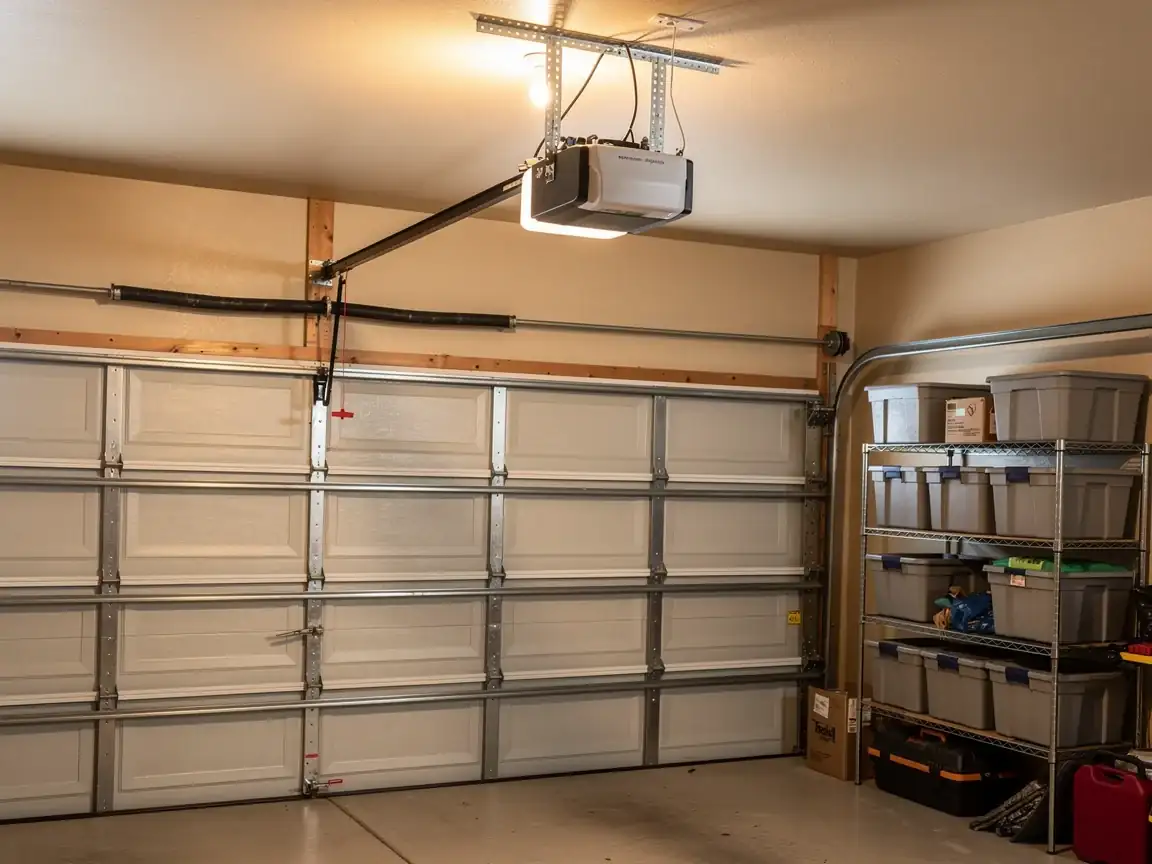
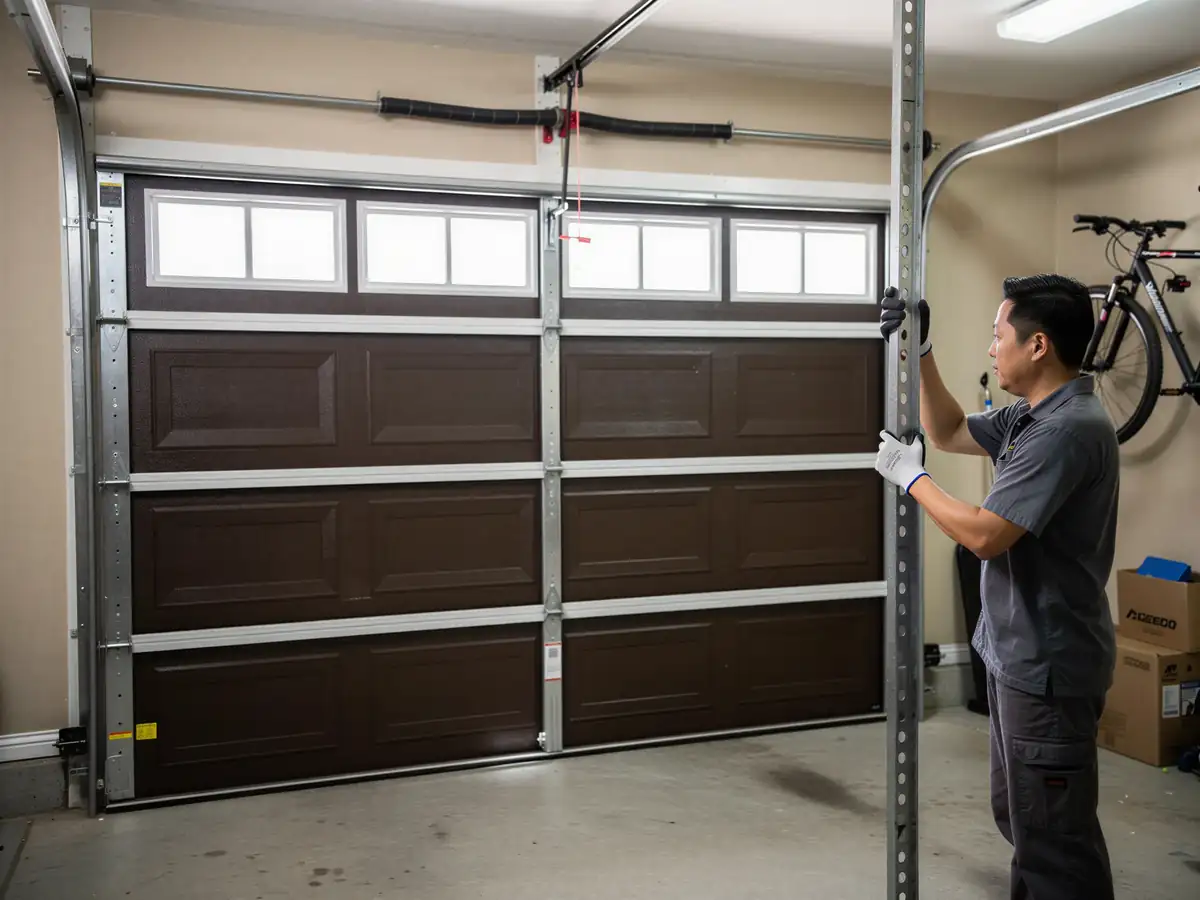
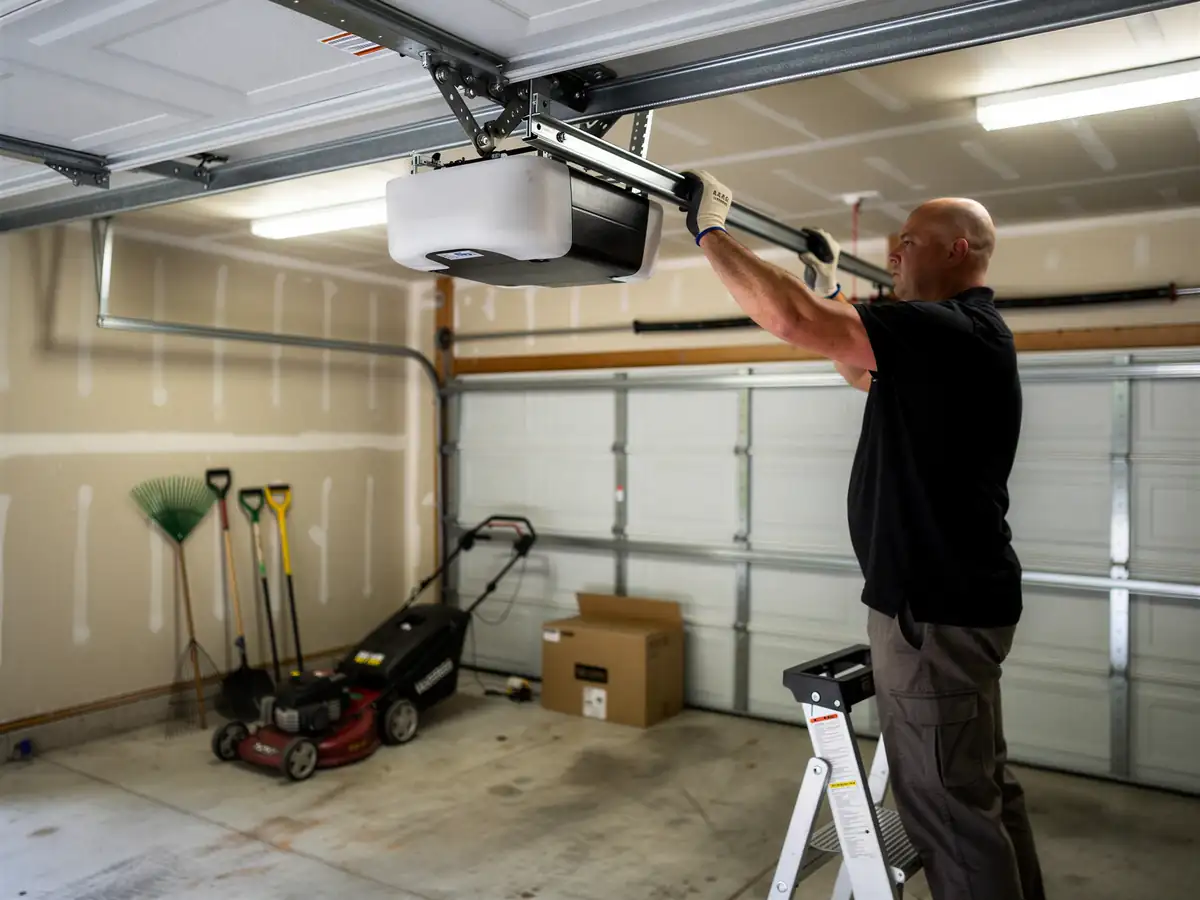
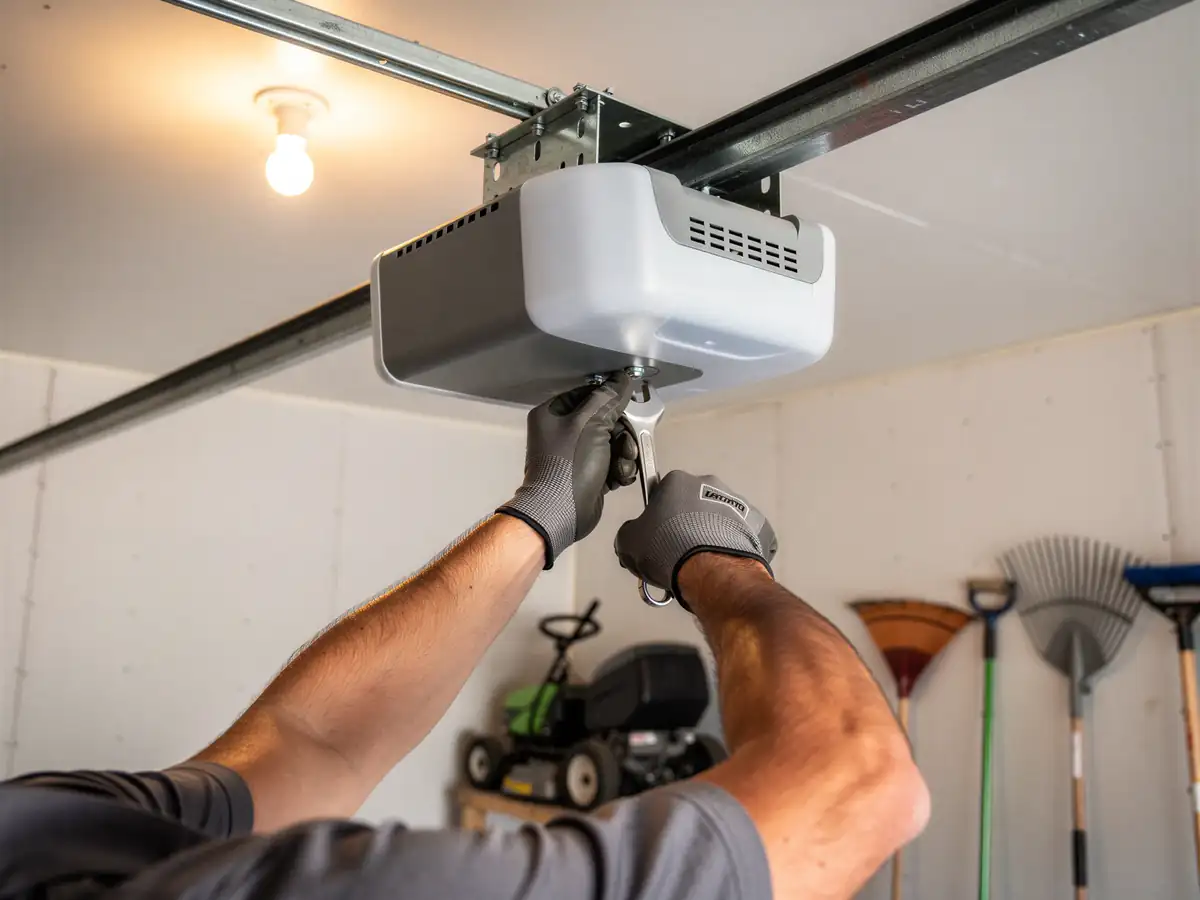
The install itself is standard work - mounting bracket, rail, motor head, sensors, wiring to a switch - but matching it to a house built in the mid-1990s takes some judgment. Door weight and header clearance on that era of construction vary enough across the seven area types that a one-size opener off a shelf doesn't always bolt straight in; sometimes the mounting plate or rail length needs adjusting to the original framing.
A chain-drive opener installed when these houses were built in the mid-1990s has spent thirty summers under a severe-heat rating, and the nylon gear inside has outlived its design life twice over. Heat is the thing that kills these units slowly - the plastic gear strips, the logic board cooks, the belt or chain stretches. Swapping in a new opener here means picking a motor and drive rated to run reliably through that same heat, not just one that's quiet in a showroom.
One honest limitation: if the existing track or header framing from the original 1990s build is out of square or damaged, that's a separate repair before an opener install makes sense, and it adds time to the job that an opener swap alone wouldn't need.
How Long It Takes
Figure the opener swap itself at a few hours once the crew is on site - remove the old unit, mount the new rail and head, run the wiring, set the travel limits and force settings, pair the sensors and any remote or keypad. That part doesn't change much from house to house.
What does change, coming from Marana, is that the 14-mile drive gets built into the appointment window rather than treated as incidental. A job here gets booked for a block of time that accounts for the trip out and the trip back, not squeezed between two closer calls. That's not a complaint about Catalina - it's just the honest math of covering a service area this size from one base.
If the original opener dates to the house's 1995-era build and the rail or header bracket needs rework to take a modern unit, add time for that fitting. It's not common, but it happens often enough on homes this age that it's worth mentioning before the truck rolls, not after.
What You Are Seeing
If the opener groans, hesitates, or the door reverses partway up for no clear reason
That's usually a motor or logic board giving out - common on units that have been running since a mid-1990s build. A chain that's gone slack and rattles against the rail, or a light that flickers when the motor kicks on, points the same direction.
Some owners notice the remote works from across the yard but not from inside a car
That's a dying antenna or board, not a fixable adjustment. Others see the door open fine but close only partway before reversing; on a thirty-year-old opener, that's the safety sensor wiring or a worn gear losing its grip on the chain, not something worth chasing with a patch repair.
A door that slams down instead of lowering smoothly
Especially on a house built in that mid-1990s stretch, often means the opener's travel and force settings have drifted with age rather than ever being wrong. None of these point to the door itself - they point to a motor that's done its thirty years and is asking to be replaced rather than coaxed along.